
The Buyer Playbook: 3-Bed Historic Palazzo with 2 Independent Units, Fasano, Italy, €325,000

Buyer Playbook
Pre-Viewing Intelligence Report
This independent buyer guidance report relates to this specific property located in Italy. It is provided for informational purposes only and does not constitute legal, tax, structural or survey advice. Cadastral status, agibilità, APE validity, heritage restrictions, terrace ownership, title position, utility separation, planning history, rental compliance, and any shared-building responsibilities must always be verified with qualified Italian professionals such as a notaio, geometra, architetto, ingegnere or avvocato, and with the relevant Comune and other competent authorities. This report is designed to help a buyer evaluate the property before arranging a viewing or making an offer. It highlights due diligence areas and targeted questions to ask the agent. The analysis is based on the listing details and publicly available regulatory context at the time of writing, including current Italian rules on agibilità, tourist-rental registration and identification codes, and Fasano planning constraints in protected parts of the historic centre.
Playbook Contents
Property Snapshot
Location
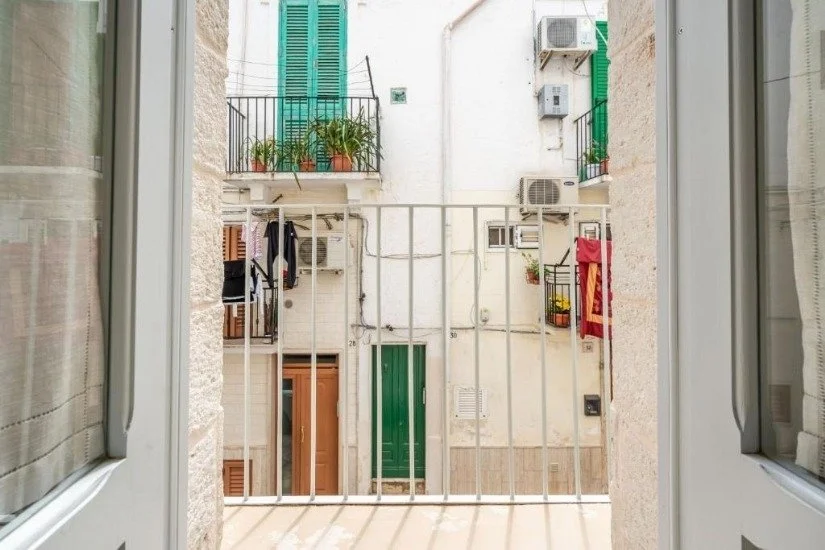
Historic centre of Fasano, Puglia, Italy, steps from Piazza Ciaia
Property type
Historic palazzo / town-centre period property
Asking Price
€325,000
Bedrooms
3
Units
2 fully independent units / apartments according to the listing
Key architectural feature
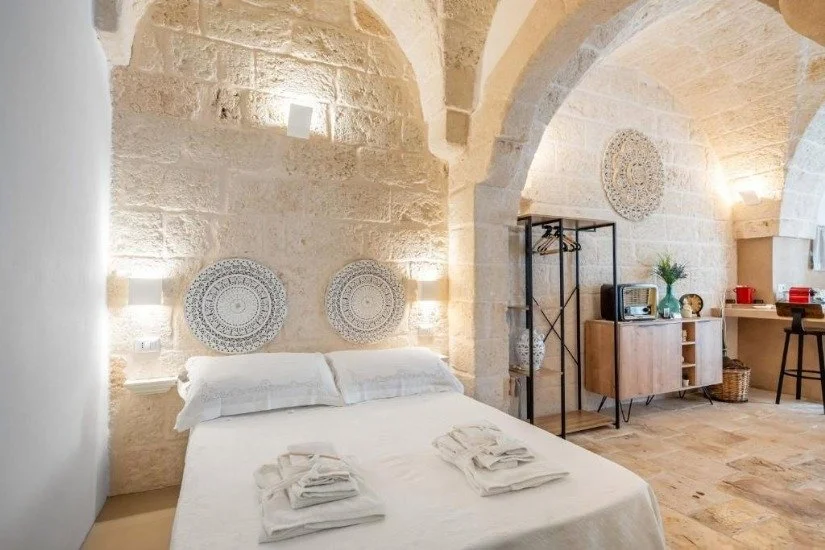
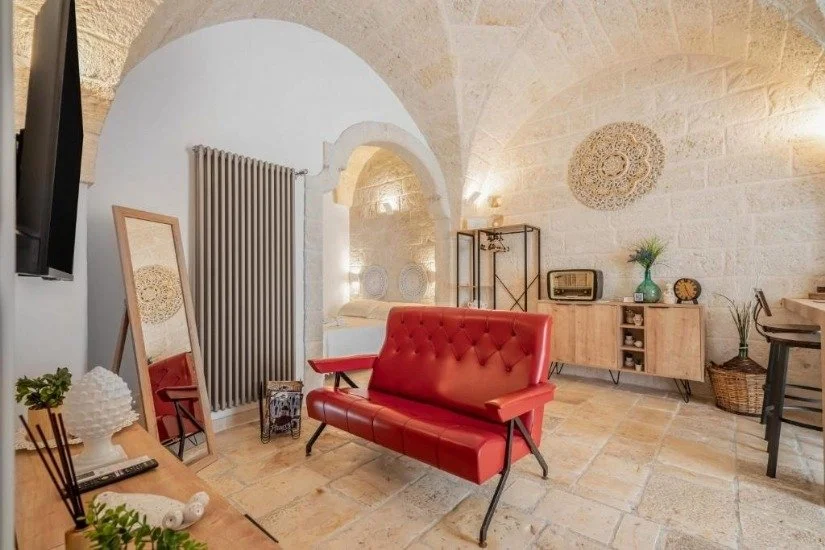
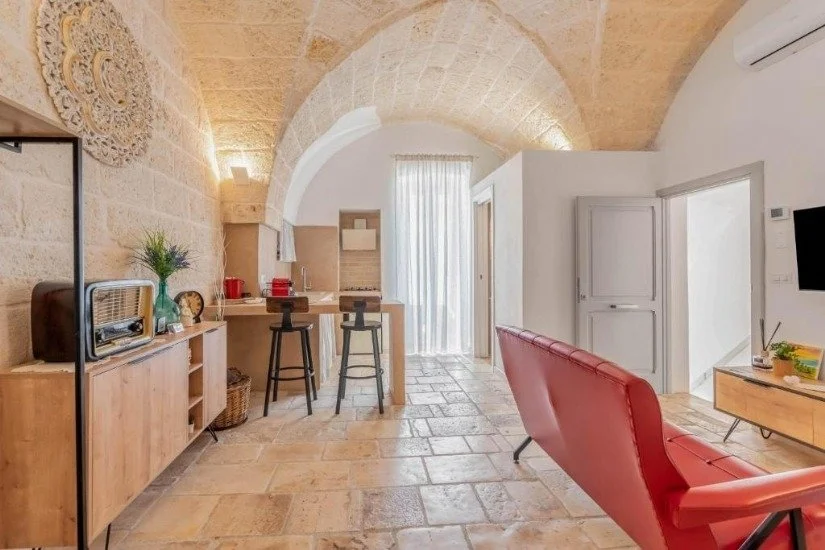
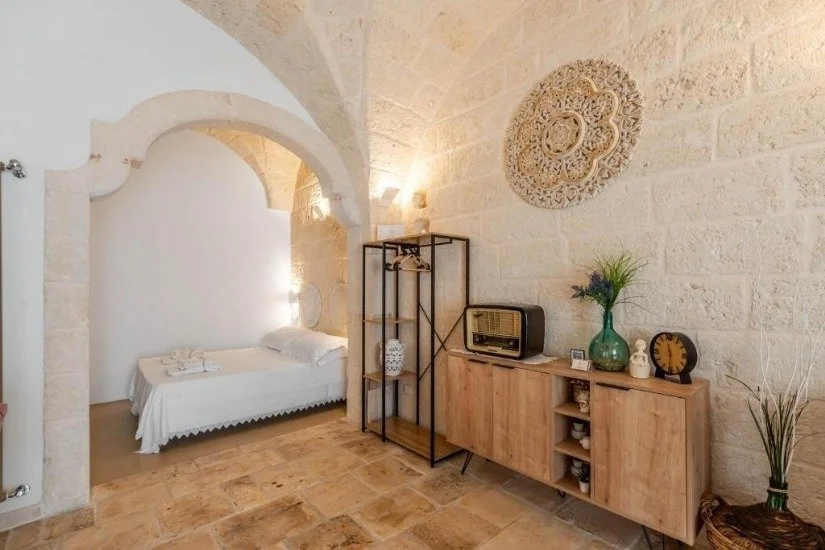
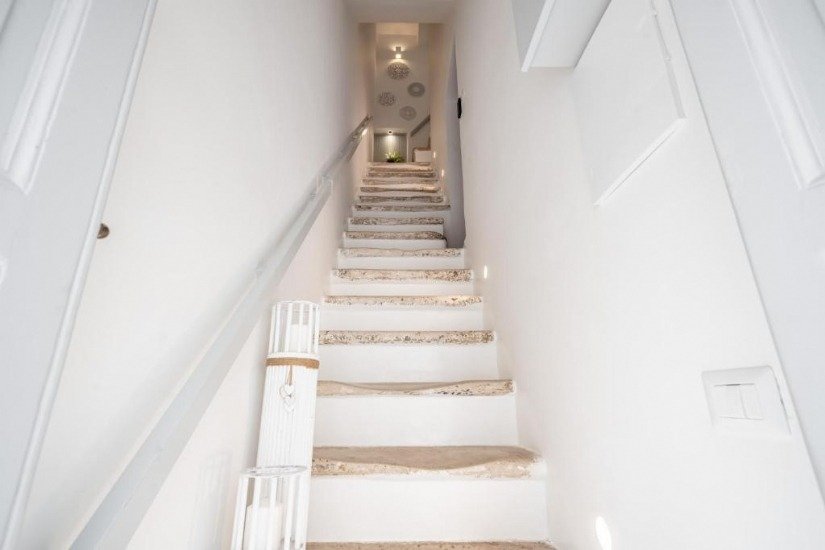
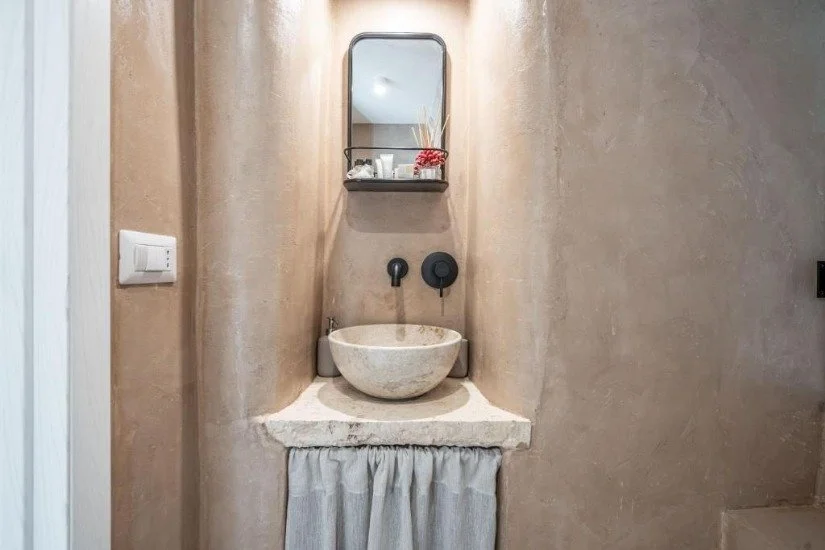
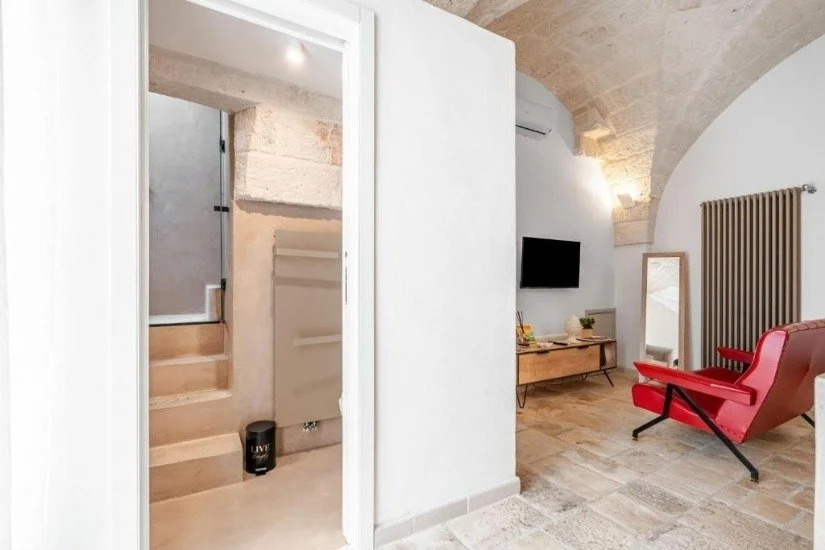
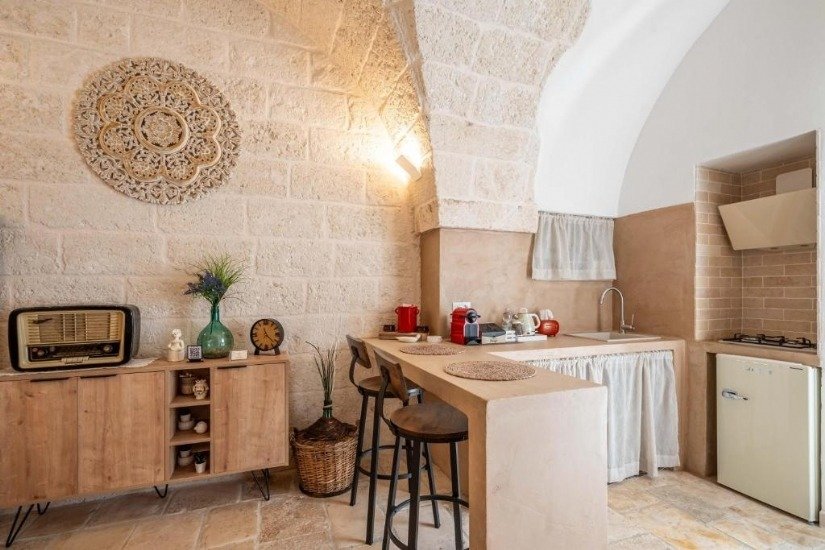
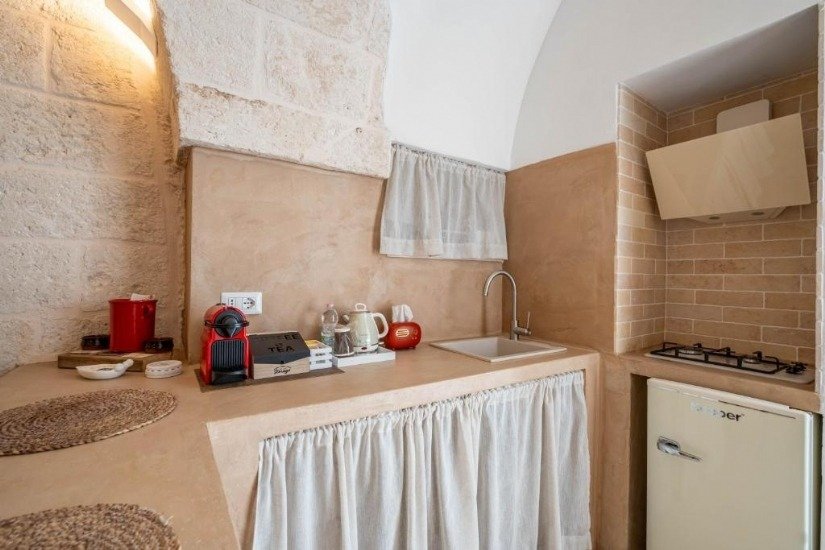
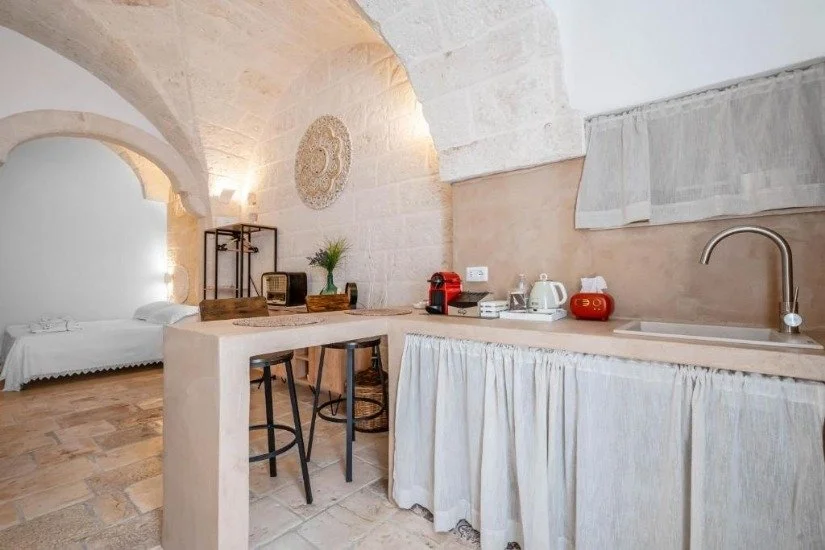
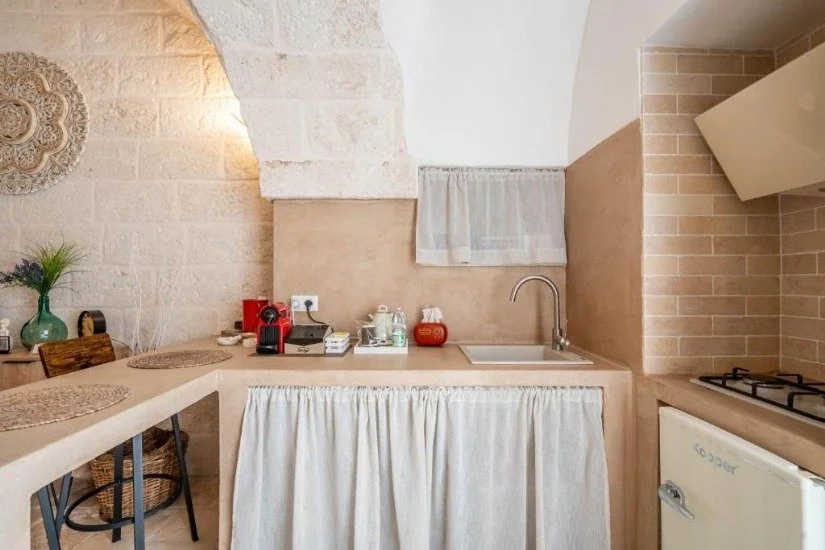
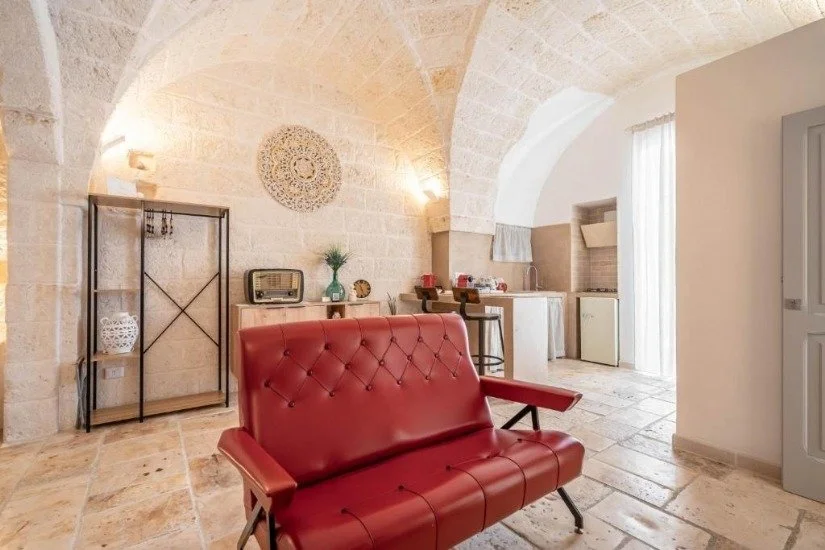
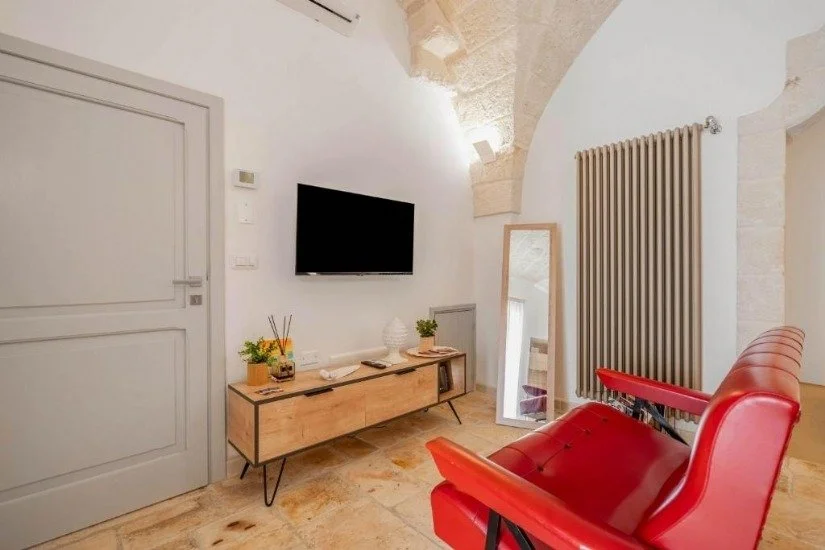
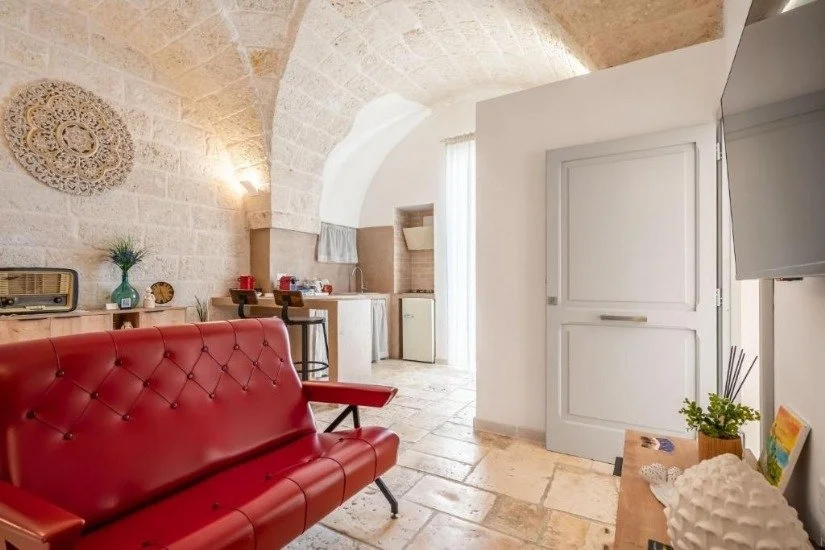
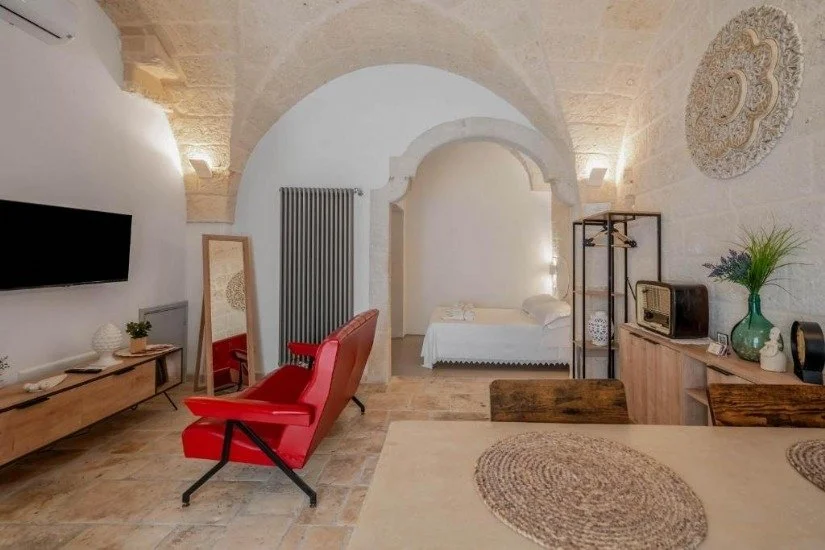
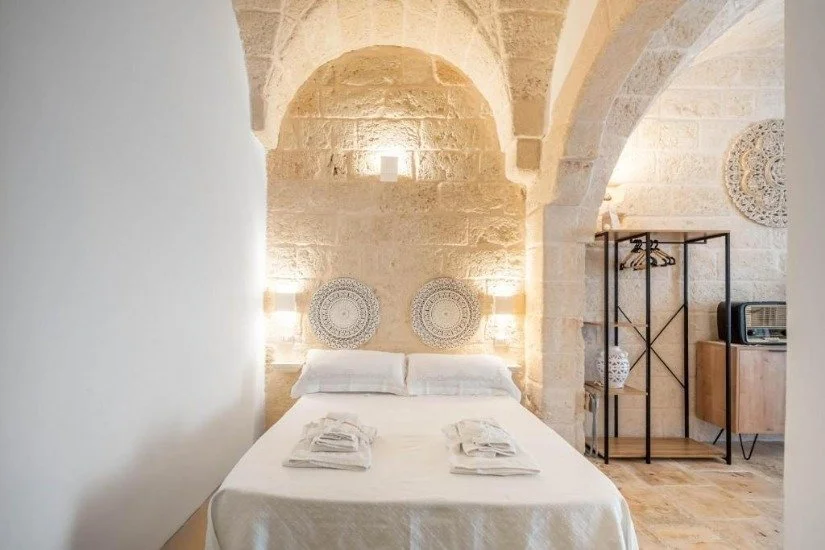
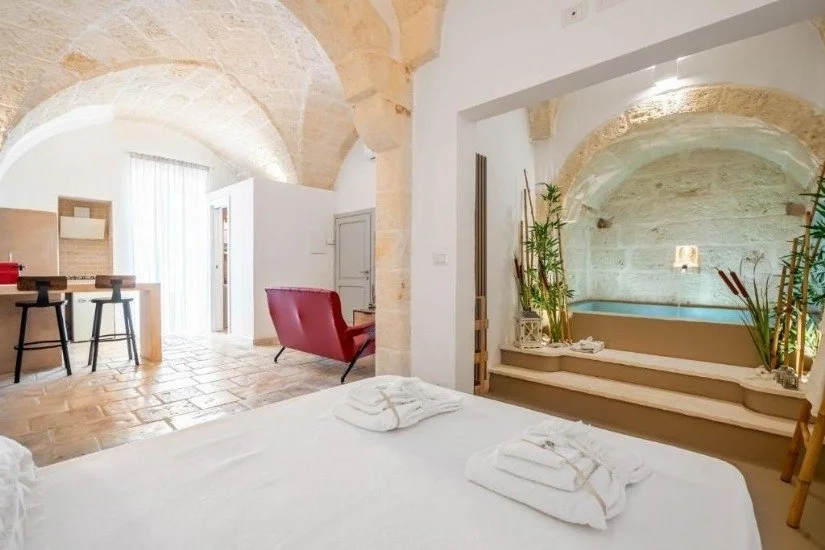
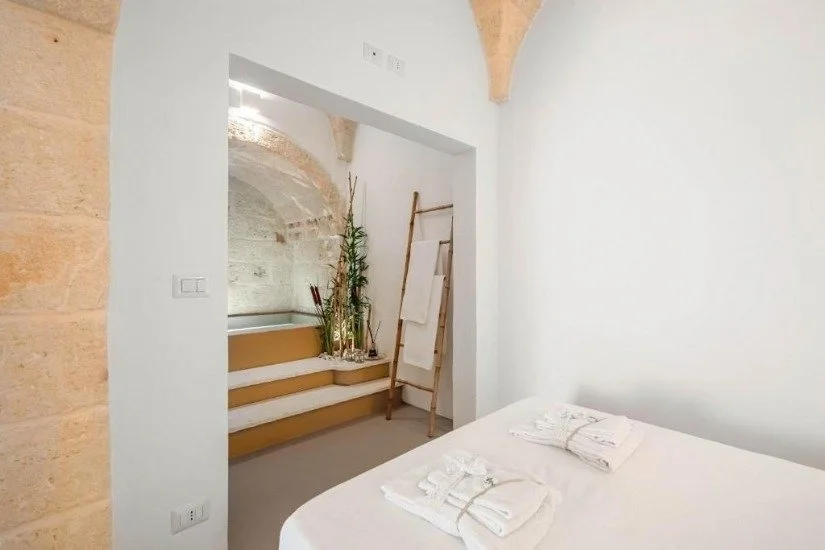
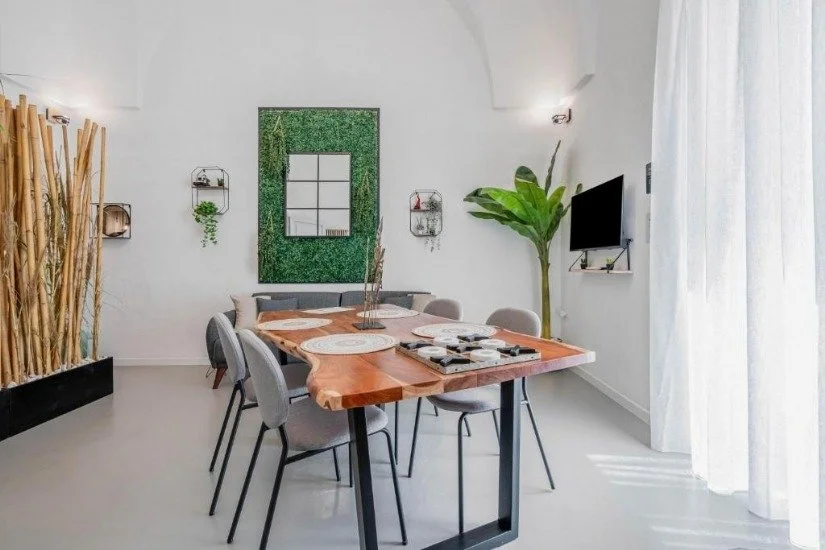
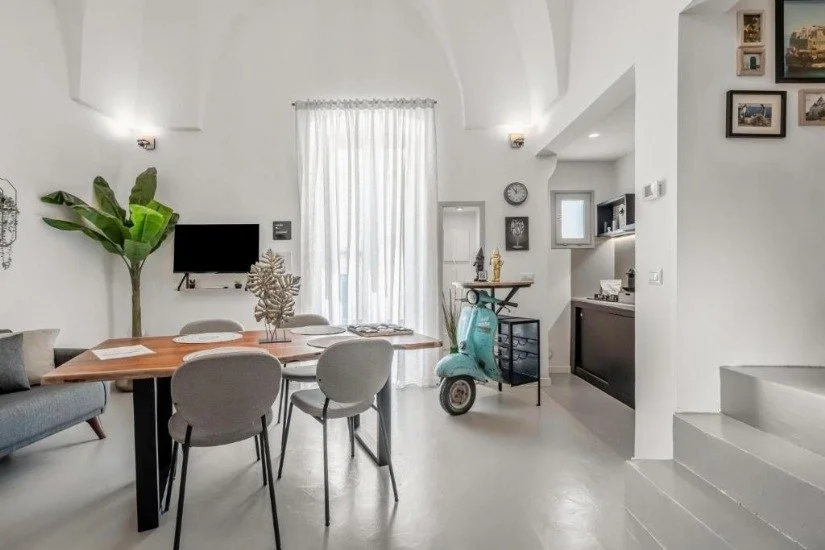
Stone vaulted ceilings throughout
Outdoor space
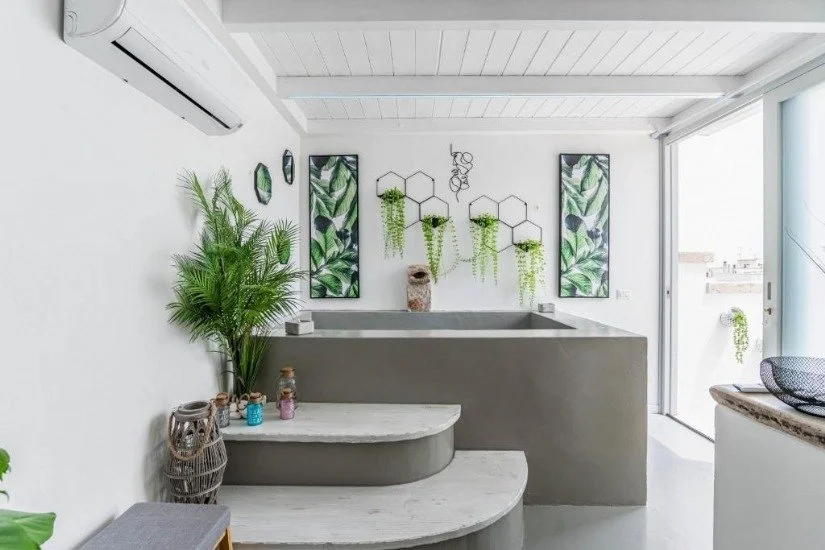
Rooftop terrace with sea and hill views
Energy rating
Class B
Lifestyle angle
Walkable historic-centre living with access to Fasano amenities, the coast and Valle d'Itria
Use potential presented in the listing
Live in one unit and rent the other, short-term rental income, or multi-generational use
Risk Radar
Overview
This is an unusually flexible historic-centre property. The headline attraction is not just the period character, but the claimed configuration of two fully independent units within one historic palazzo, combined with a rooftop terrace and a surprisingly strong Energy Class B rating for an older building. On paper, that creates three strong buyer stories at once: owner-occupier with guest space, live-and-rent, or family use across separate dwellings.
The real due diligence issue is that those strengths only fully translate into value if the paperwork matches the marketing. For this property, the critical checkpoint is whether the two apartments are legally and cadastrally recognised as separate, autonomous residential units, or whether the building is formally one dwelling that has simply been arranged for dual use. That distinction can affect lending, resale, utility separation, taxation, insurability, and rental compliance.
The second major theme is historic-centre control. In protected parts of Fasano's centro storico, interventions may be limited to maintenance, restoration, conservative rehabilitation, and only certain forms of restructuring or change of use. That matters because even minor future works to a terrace, roofline, openings, finishes, or internal layout may not be as simple as they would be in a modern apartment.
The third theme is rooftop reality versus rooftop romance. A sea-view terrace in a historic Italian town is a genuine value driver, but it also raises questions about legal attachment to the property, waterproofing history, access rights, parapet safety, and whether any neighbouring rights or future works could compromise the experience.
Finally, the Energy Class B is a major positive signal if properly documented. For a historic property, that usually suggests meaningful interventions were carried out, such as upgraded systems, glazing, insulation strategies, or efficient heating and cooling. The buyer should want the full APE and supporting renovation story, because a strong rating can improve comfort and running costs, but only if it rests on real, durable works rather than optimistic paperwork.
Targeted Questions
Legal Status, Title and Cadastral Position
This is the starting point for confirming whether the two units legally exist as separate cadastral entities or only as one dwelling arranged in two parts.
Separate subalterni usually make financing, resale, taxation, utility management and rental positioning clearer.
A unit marketed for living or renting needs the right legal classification, not just a practical fit-out.
Mismatches between reality and the cadastral plan can delay or complicate sale, mortgage and future resale.
In historic buildings, attractive outdoor areas are sometimes used in practice without being cleanly attached in title.
Multi-owner or succession situations can slow the transaction and create document gaps.
Shared access in a centro storico property can materially affect privacy and control.
A technical conformity report helps surface hidden urbanistic and cadastral issues before you commit.
Agibilità, Habitability and Compliance
Separate usable dwellings are much easier to defend as real independent units if the agibilità position is clear.
You need to know whether you are buying two lawful dwellings or one dwelling with an informal split.
Significant works affecting safety, hygiene, energy performance or layout may require formal filings.
Period properties often undergo piecemeal works, and undocumented alterations are a classic source of trouble.
Regularised works can be fine, but you want the full paper trail rather than surprises later.
A "two-unit" sales angle can collapse if one unit functions more like guest accommodation than a lawful home.
Heritage, Historic-Centre and Planning Controls
There is a big difference between a building with specific heritage designation and a building simply located in a sensitive planning area.
Historic-centre assumptions are not enough. You want the exact status for this address.
Your future maintenance budget and design freedom depend on this.
Energy upgrades and modern comfort systems can be harder to manage in protected areas.
If permissions were required before, that is a useful signal about future interventions too.
Structural changes in an old palazzo are precisely the sort of work that needs a clean approval history.
You do not want to inherit a historic-centre compliance issue that only emerges after offer stage.
Building Condition and Fabric
"Renovated" can mean anything from cosmetic work to meaningful technical renewal.
Paperwork helps separate durable investment from surface-level presentation.
Vaulted ceilings are beautiful, but they deserve proper scrutiny rather than romantic assumptions.
The terrace value is tied closely to what is happening beneath and around the roof structure.
Thick-walled historic buildings can perform brilliantly, but moisture management is often the real story.
Poor water disposal is one of the fastest ways to turn a lovely old building into an expensive one.
Window specification may be part of the explanation for the strong energy rating.
Shared systems reduce the practical independence of the two apartments.
Partial upgrades can leave hidden future cost traps behind fresh finishes.
Energy Performance and Running Costs
The APE is far more useful than the headline letter grade alone, and it should be available in a sale context.
If the units are genuinely independent, separate energy documentation may be relevant.
You want to know whether the rating is rooted in robust building upgrades or mainly system changes.
Real operating costs often tell the truth faster than brochure language.
A good current rating is positive, but future upgrade flexibility also matters.
Rooftop Terrace, Views and Outdoor Rights
Exclusive use must be proved, not assumed from current use.
A rooftop can be legally smaller or less private than it appears in marketing.
Waterproofing failure is one of the biggest hidden liabilities in rooftop properties.
Historic-centre neighbour disputes often begin with roof and terrace water issues.
Safety becomes especially important if one unit is ever rented.
The terrace premium depends heavily on the durability of the outlook.
Condominium, Shared Building Issues and Neighbours
Historic palazzi can involve shared obligations even where monthly administration looks minimal.
You need to know whether the building is properly funded or quietly under-maintained.
Meeting minutes often reveal looming costs that estate-agent summaries do not.
Shared liability can materially affect the cost of owning a historic property.
Historic-centre charm can come with noise, smells, delivery activity and privacy compromises.
Year-round livability feels very different from an area that empties out or turns heavily tourist-led.
Access, Parking and Practical Living
Access difficulty affects both everyday life and renovation practicality.
Vertical circulation matters for ageing in place, guest use and resale audience.
Historic-centre parking issues can materially change day-to-day satisfaction.
Thick masonry can weaken signal, which matters for remote work and guest expectations.
Holiday appeal and everyday livability are not always the same thing.
Rental Potential and Income Use
The revenue model changes significantly depending on whether both units can operate independently.
In Puglia, regional registration for CIR is tied to the DMS process and is a step toward obtaining the national CIN.
Registration and identifier requirements now sit within an active regional and national framework, so the process should be clarified early.
Historic performance is far more useful than generic local optimism.
The best commercial model depends on the real legal and practical separability of the units.
Legal possibility is not the same as operational ease in a historic shared setting.
Negotiation Intelligence
Buyer Leverage
Medium–High
Key Drivers
Typical Negotiation Range
5-15% below asking
Neutral Phrasing Examples
Country Layer
Italy (Regulatory Context March 2026)
In Italy, agibilità is no longer only the old-style certificate language many buyers still expect. The current framework centres on the segnalazione certificata di agibilità, filed with the Comune's Sportello Unico per l'Edilizia, and it is linked to safety, hygiene, salubrità, energy performance and conformity to the approved project. The Notariato also notes that agibilità can exist for autonomous portions of a building in some contexts, which is relevant when a property is being marketed as two independent units.
Viewing Strategy
When viewing this property, treat it like two legal dwellings plus one roof-level liability check, not like a single charming home.
Next Step
Verify from the listing:
Two-unit legal reality
Request the visura catastale, planimetrie and title documents so you can confirm whether the two apartments are legally autonomous residential units or one property arranged for dual use.
Agibilità and residential classification
Clarify whether each unit has its own agibilità position and lawful residential classification, because this affects finance, resale, insurability and rental use.
Rooftop terrace ownership and waterproofing
Confirm that the terrace is exclusively attached to the property, shown in the documentation, and supported by recent evidence on waterproofing, drainage and maintenance responsibility.
Historic-centre and heritage constraints
Verify whether the building is individually vincolato or simply within a regulated historic-centre zone, and ask what approvals would be needed for future works, visible equipment or structural changes.
Energy Class B support documents
Obtain the full APE and the renovation history behind it so you can understand whether the excellent rating is supported by meaningful, durable upgrades.
A prepared buyer should approach the agent calmly and frame questions as due diligence.
Because this is a historic dual-unit Fasano property where legal configuration and terrace risk materially affect value, run it through the Property Risk Assessment before contacting the agent, and use the Rental Yield Calculator only after the two-unit and tourist-rental position has been properly verified.
Disclaimer: The Property Drop is buyer-focused intelligence, zero sales agenda. We curate exceptional properties, in southern Europe, from third-party agents and arm you with decision tools. No commission, no transactions, no agent partnerships, no skin in the game beyond helping you choose wisely. Information stays accurate until it doesn't (properties sell, prices shift, markets move). Everything here is shared for informational purposes only and should not be treated as legal, financial, or investment advice. Images belong to original agents. Read our Terms of Service to learn more.
IMPORTANT REMINDER: When contacting property agents featured on The Property Drop, you are entering into direct communication with third parties. It's recommended that you verify all property details independently, conduct thorough due diligence, engage qualified professionals (solicitors, surveyors, financial advisors), understand your rights and obligations under local property laws, and never send money or make commitments without proper legal protection.
