
The Buyer Playbook: 2-Bed Duplex Apartment in Historic Château, Les Forges, France, €72,500
Buyer Playbook
Pre-Viewing Intelligence Report
This independent buyer guidance report relates to this specific property located in France. It is provided for informational purposes only and does not constitute legal, tax, structural or survey advice. Copropriété matters, title position, heritage constraints, habitability, utilities, rental use, planning permissions, shared-amenity responsibilities, water, drainage, and land-use matters must always be verified with qualified French professionals such as a notaire, avocat, architecte, diagnostiqueur, surveyor or building engineer, together with the relevant mairie and any heritage authority where applicable. This report is designed to help buyers evaluate the property before arranging a viewing or making an offer. It highlights due diligence issues and targeted questions to ask the estate agent. The analysis is based on the listing details and publicly available French regulatory context at the time of writing, including the rules around copropriété documents, diagnostics, energy performance, meublé de tourisme declarations, and heritage controls where relevant.
Playbook Contents
Property Snapshot
Location
Les Forges, Deux-Sèvres, Nouvelle-Aquitaine, France
Property type
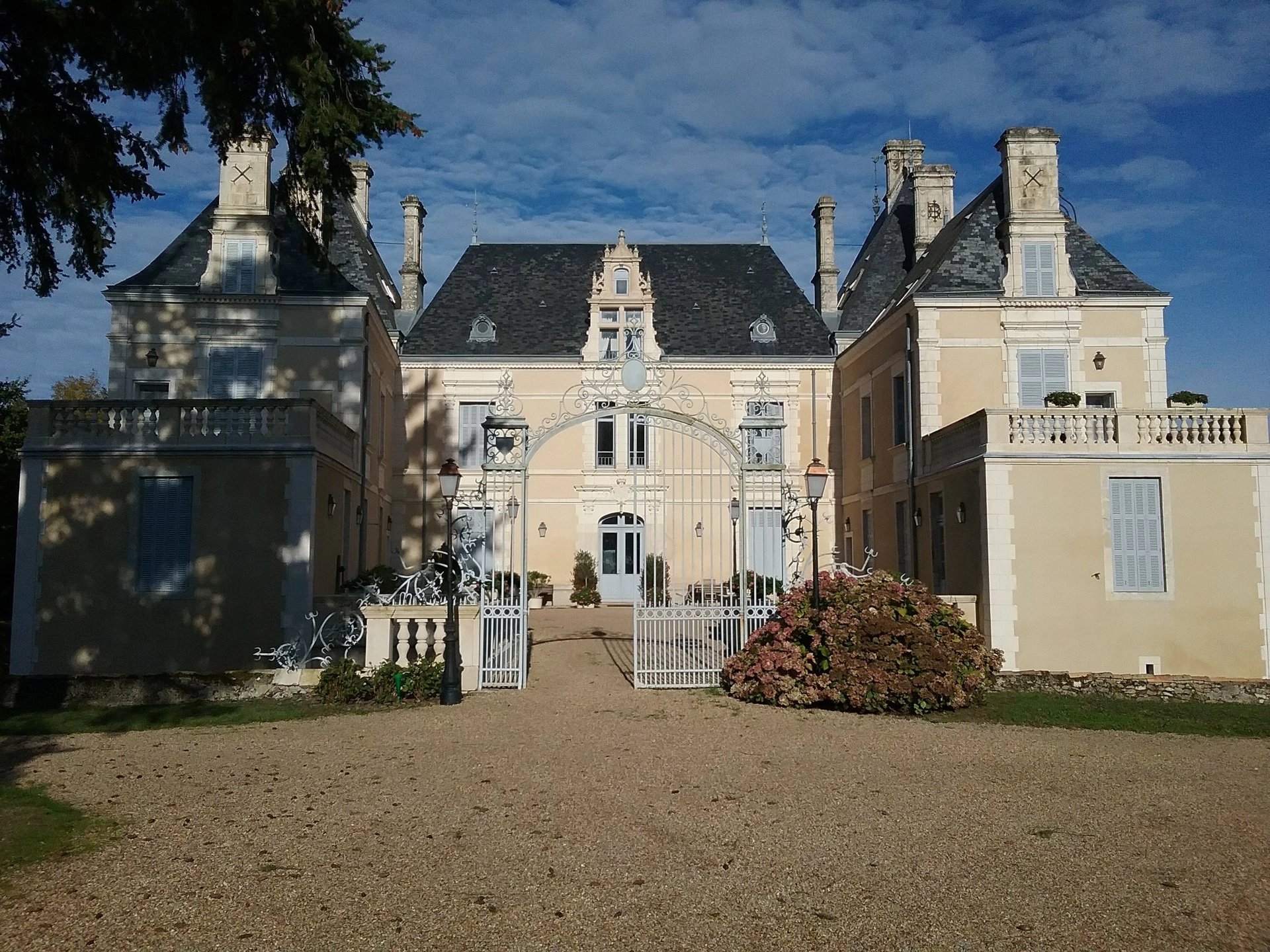
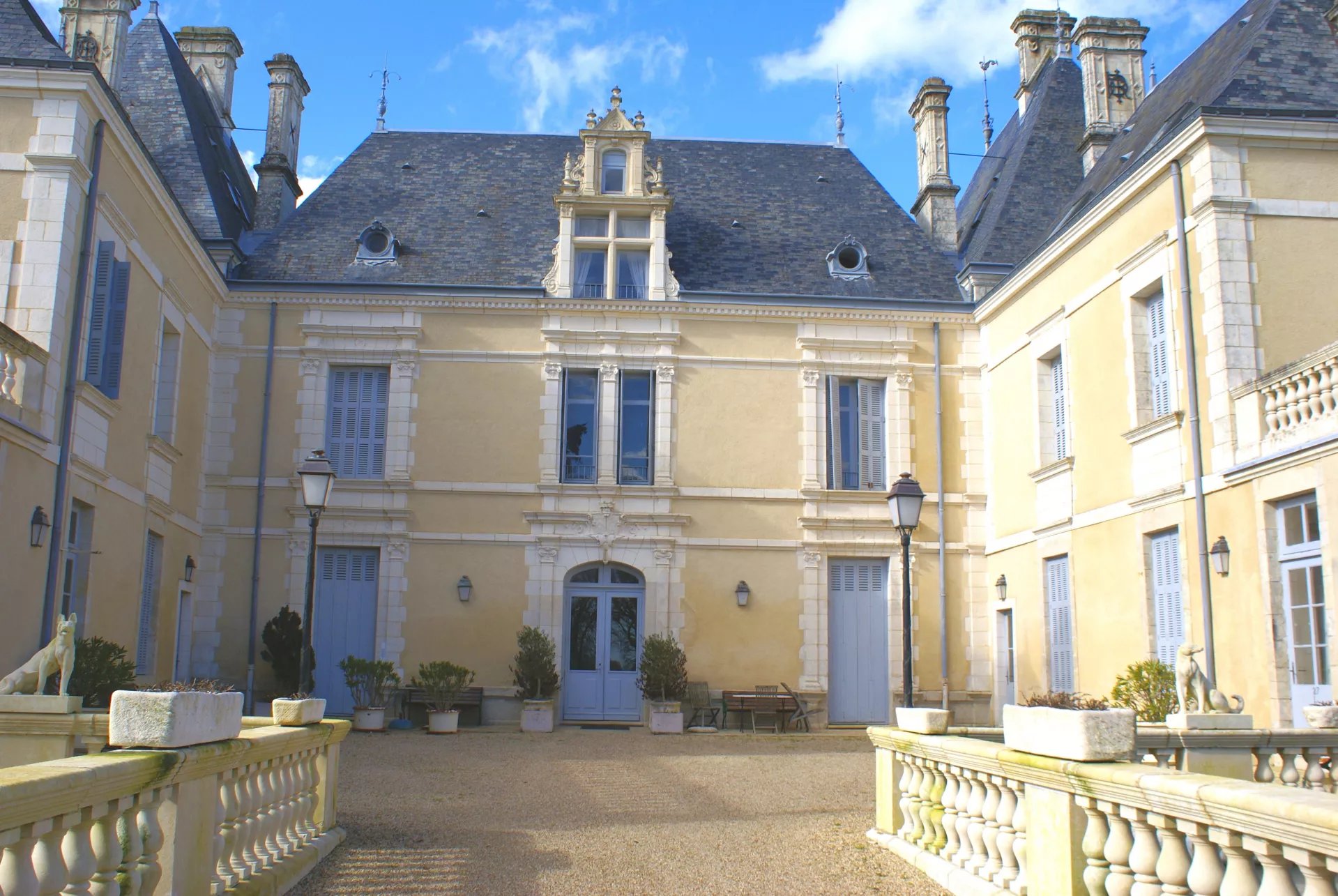
Duplex apartment in the tower of a historic château
Bedrooms
2
Bathroom
1
Internal area
Approx. 54 m² living space
Asking Price
€72,500
Annual tax stated in listing
€308
Energy rating
Class F
Layout
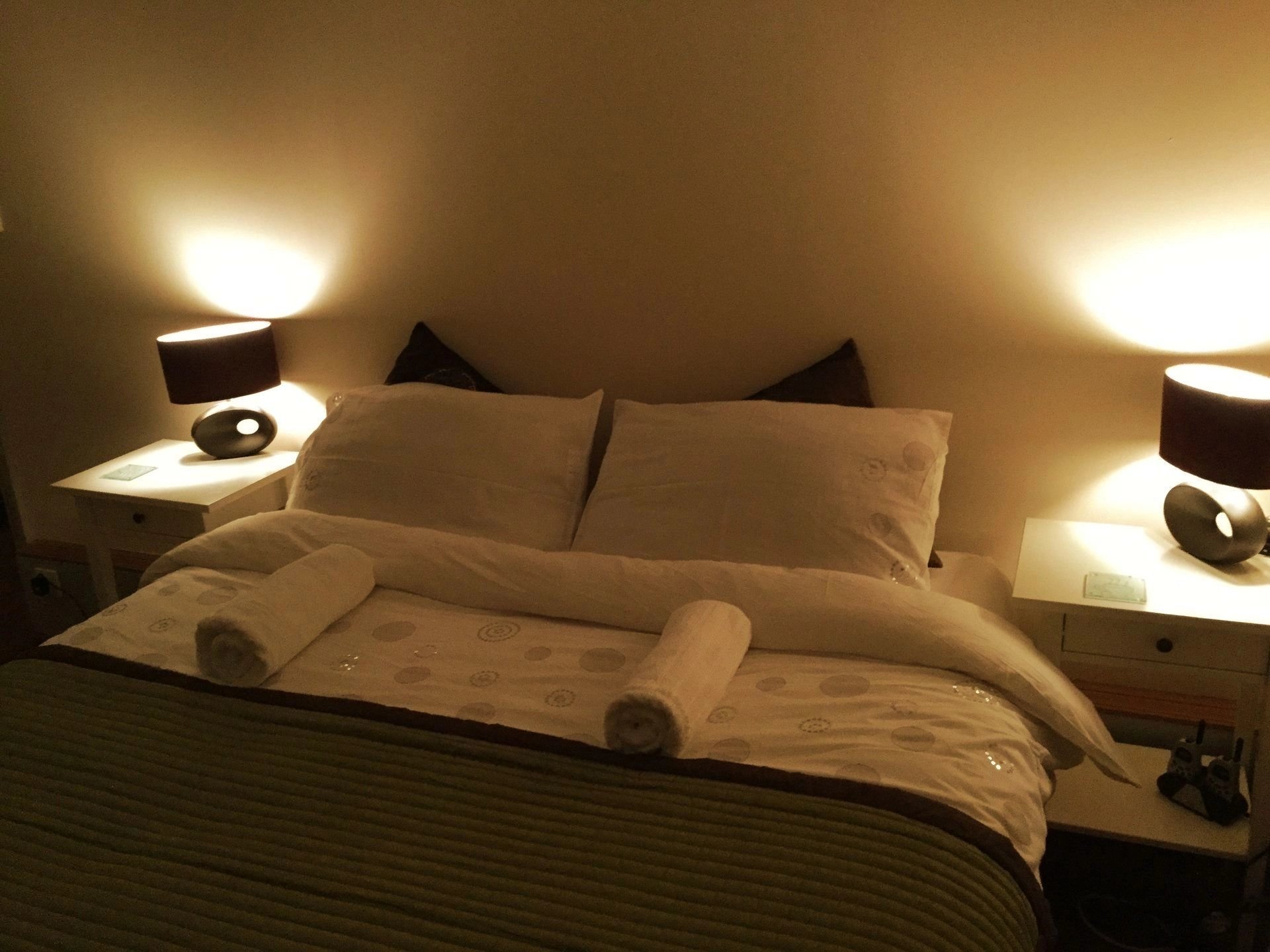
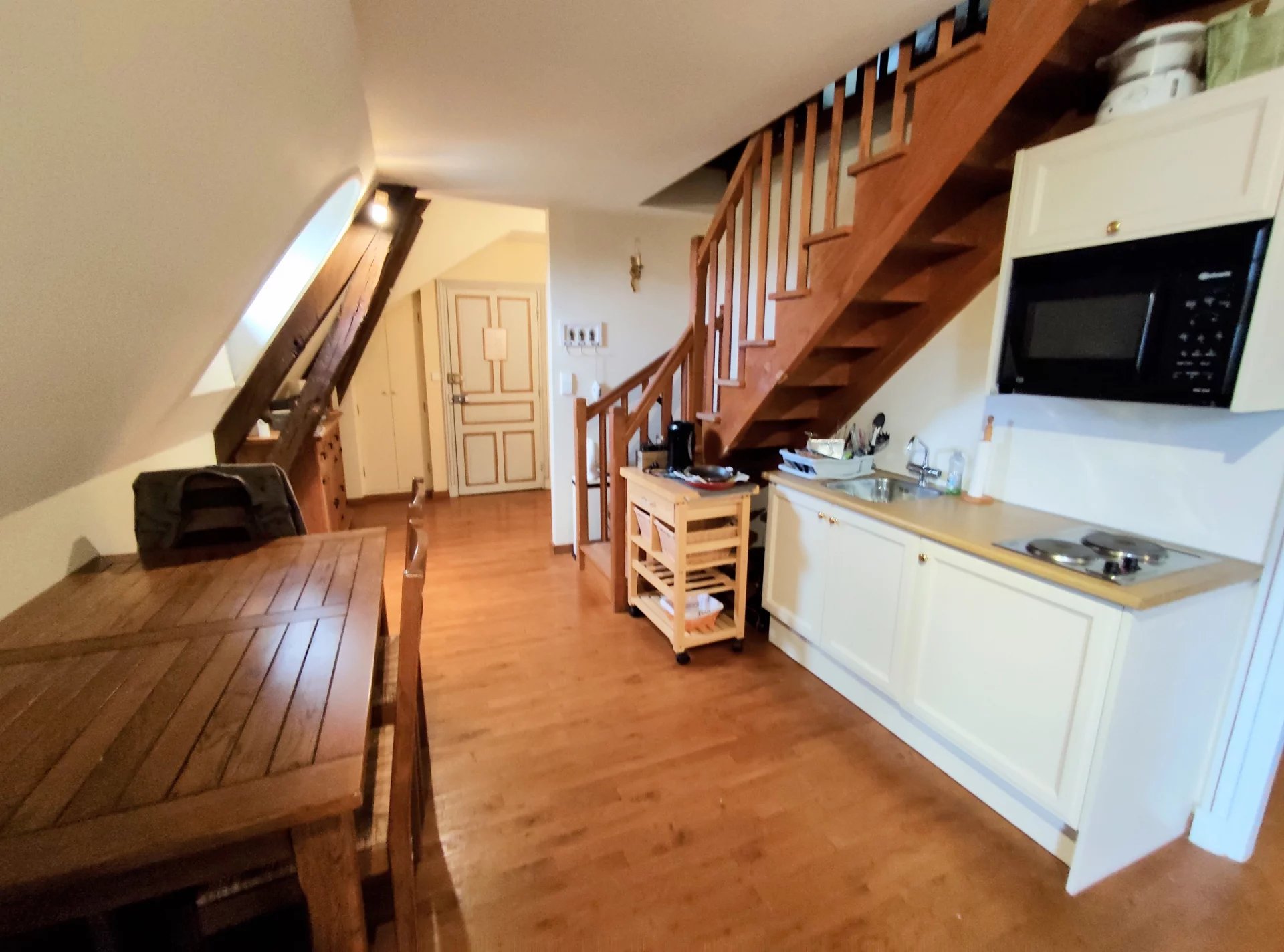
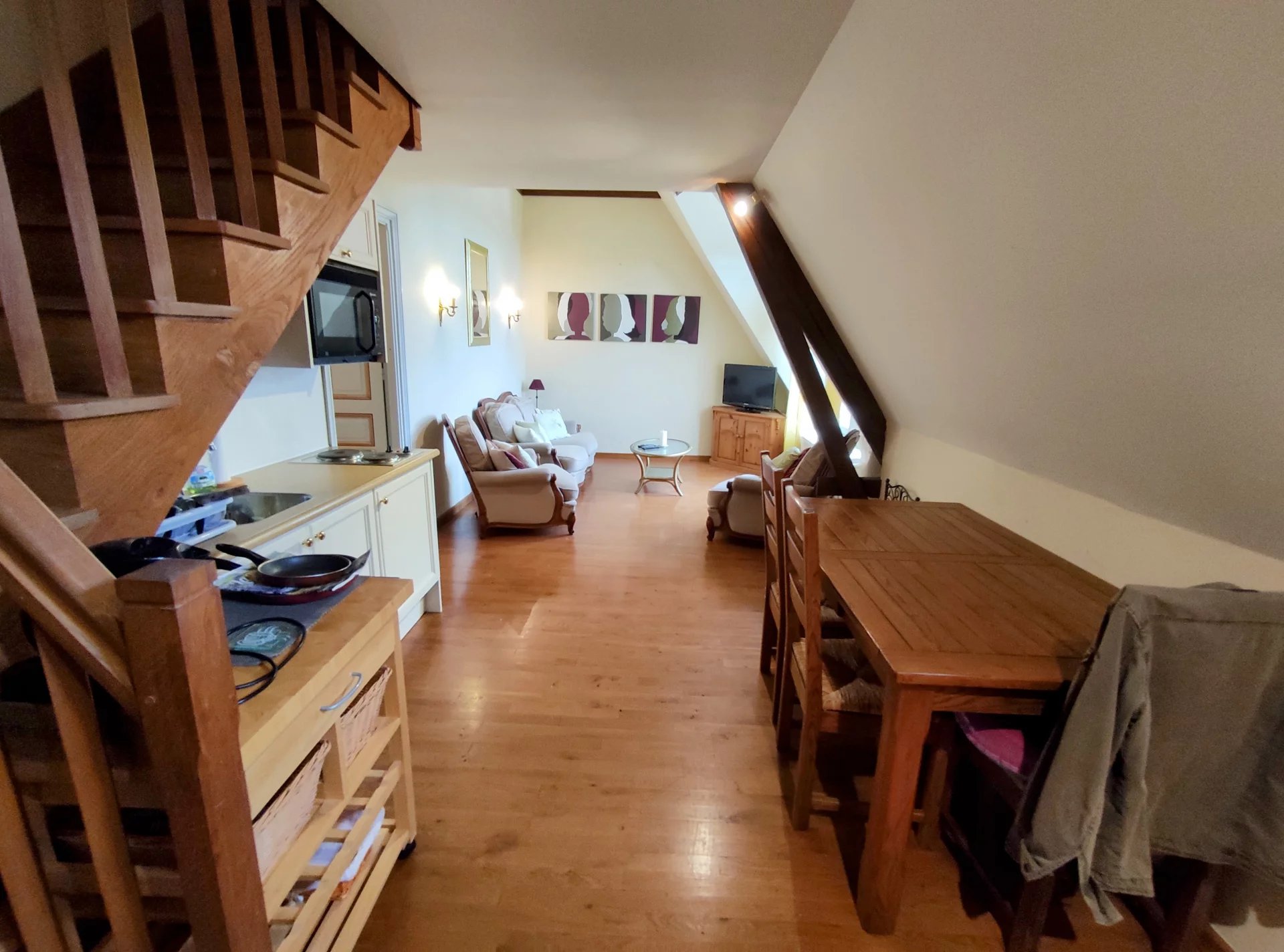
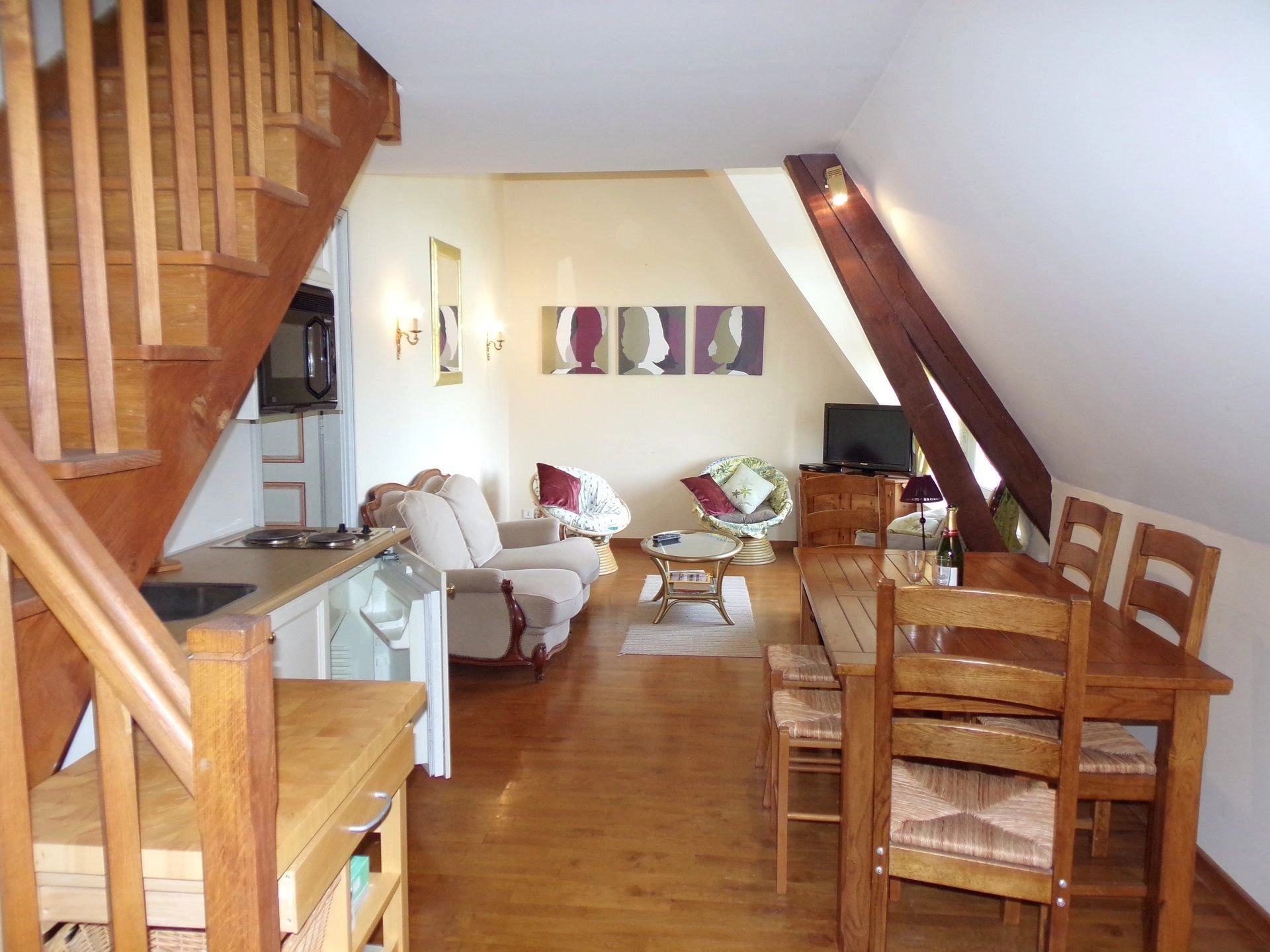
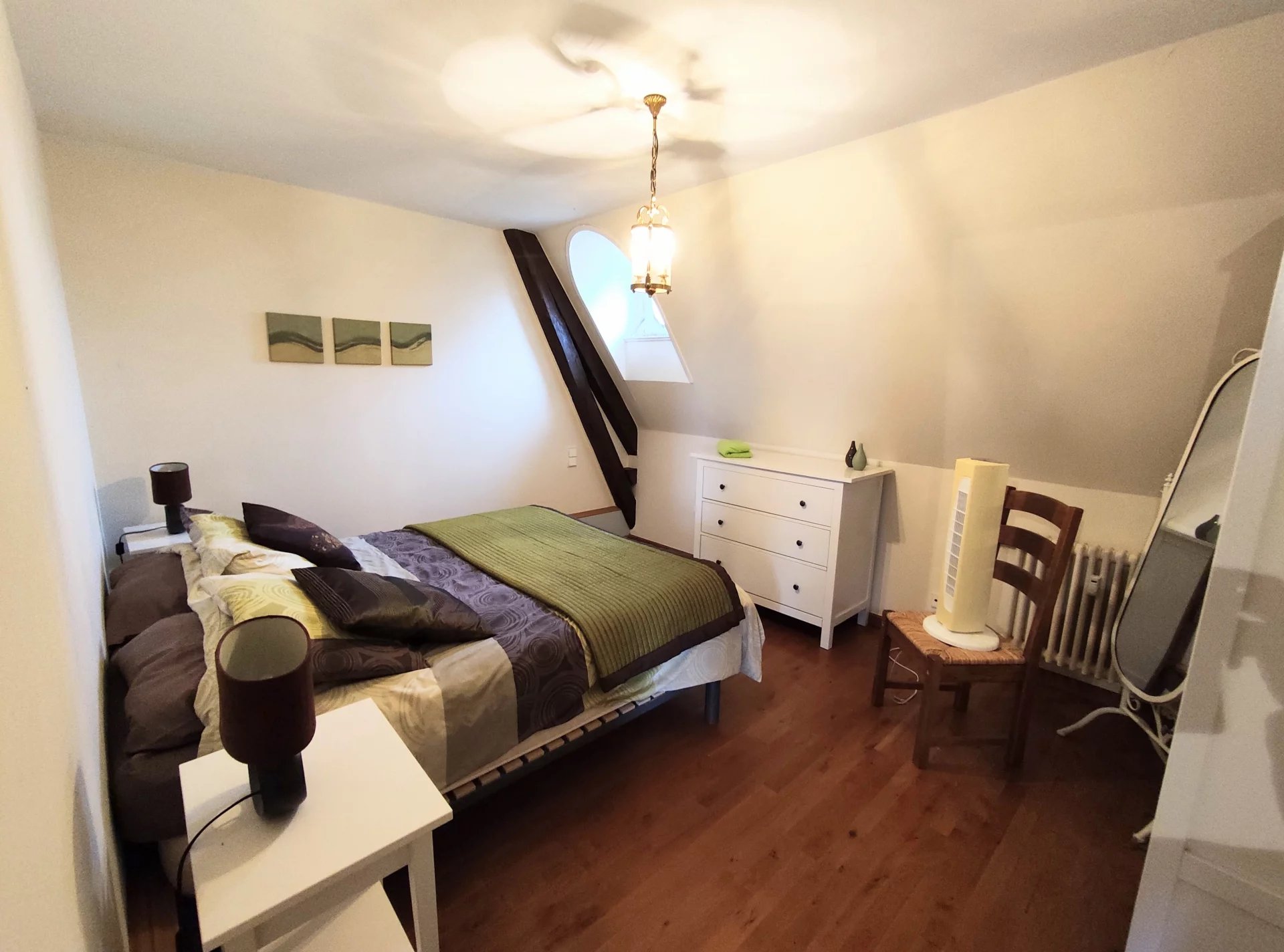
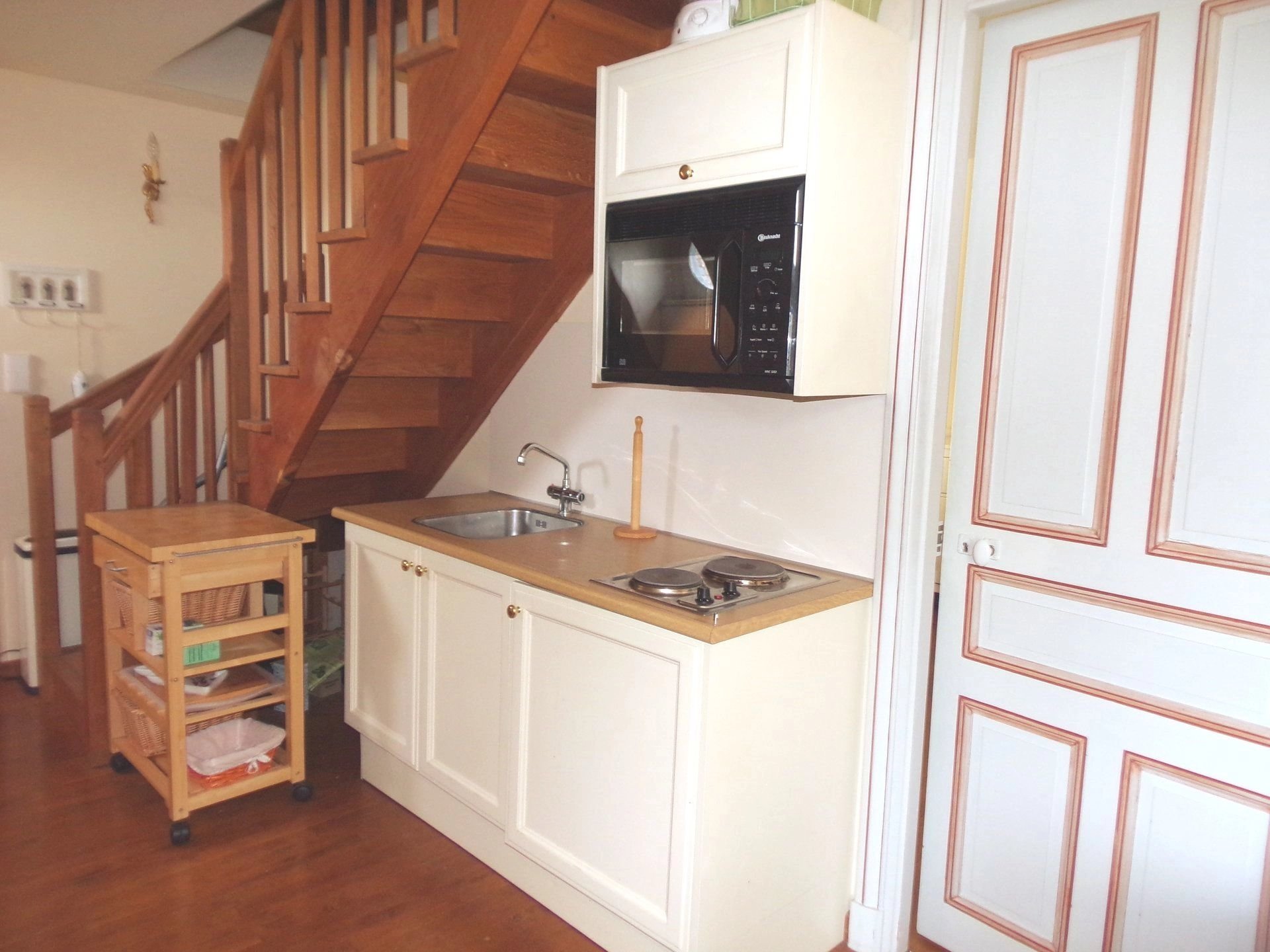
Living and dining room, large ground-floor bedroom, mezzanine bedroom, office space, kitchen and bathroom
Additional feature
Basement storage room included in the sale
Shared amenities
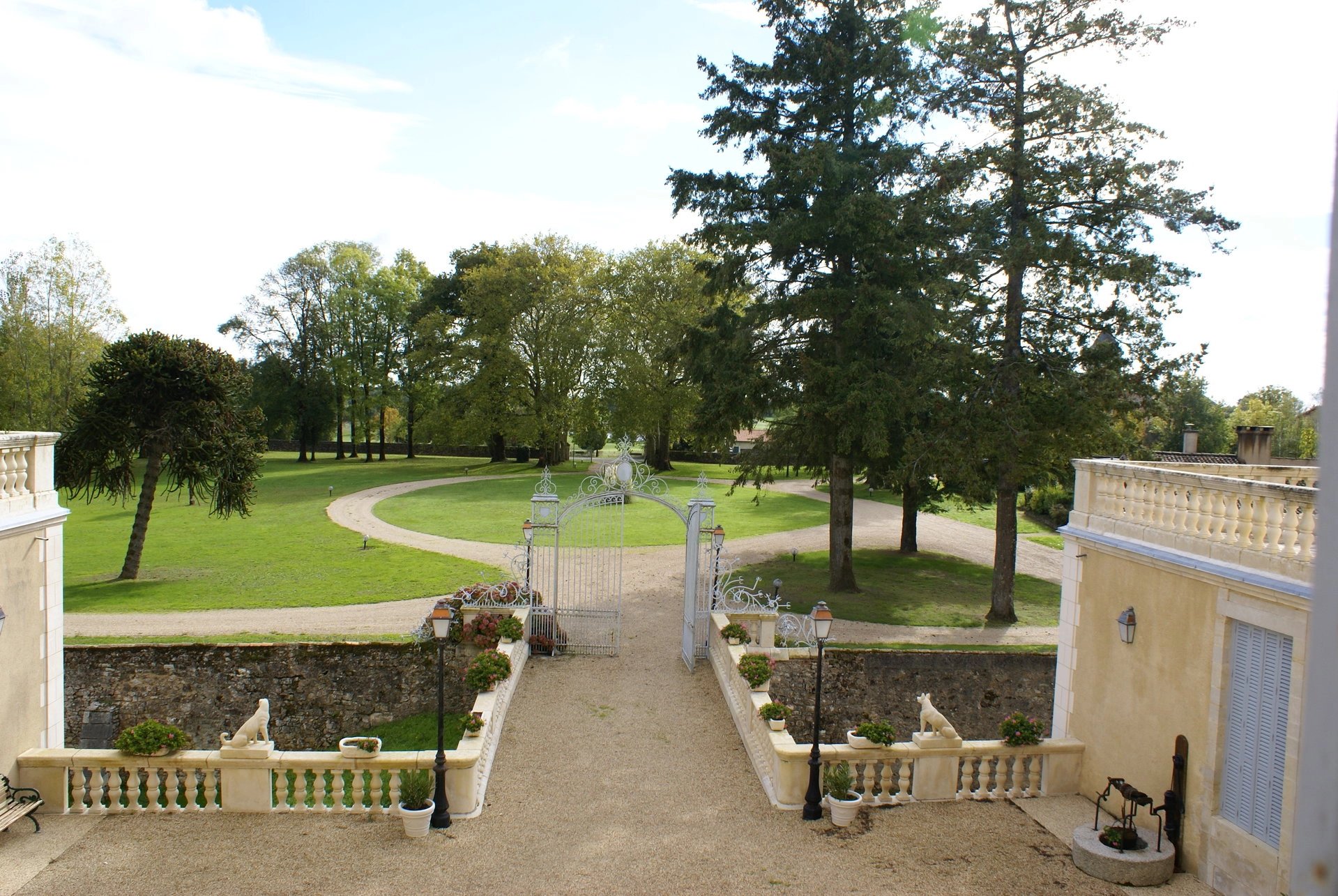
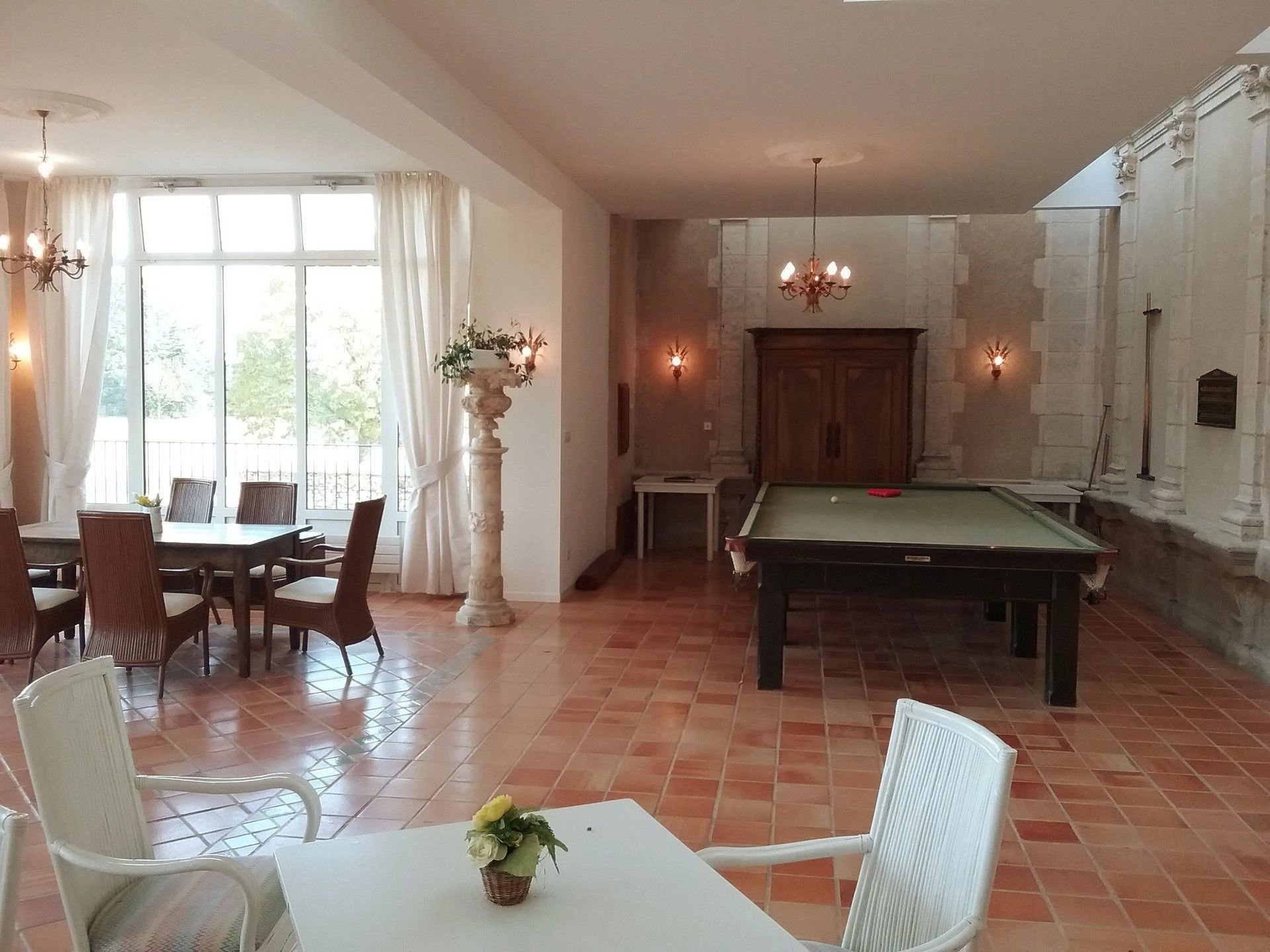
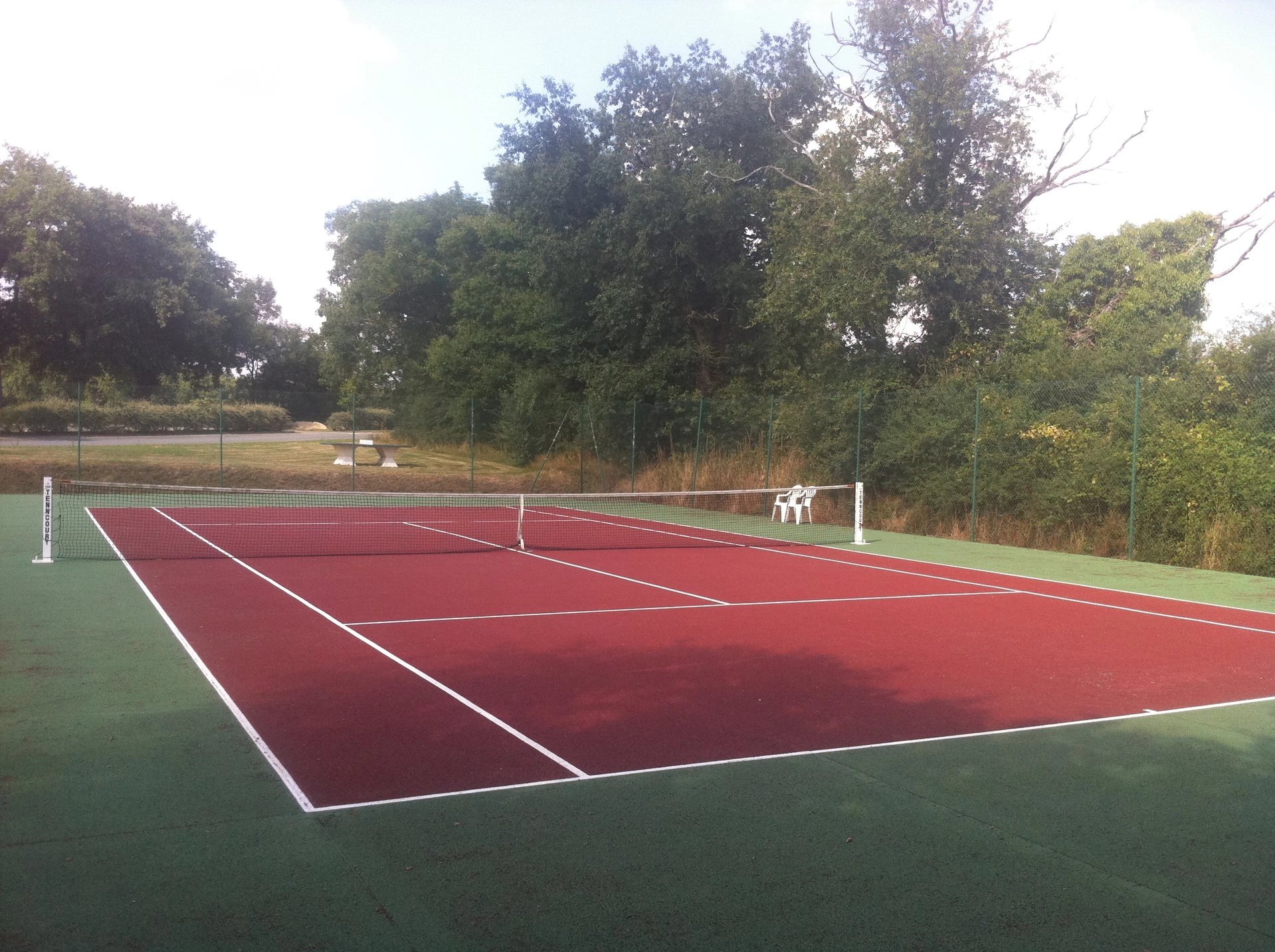
Private swimming pool, two tennis courts, shared laundry facilities, shared terrace veranda, landscaped grounds, lake and orchard
Setting
Historic château estate with 8 hectares of grounds and a 27-hole golf course adjacent to the estate
Ongoing charges
Quarterly service charges of around €1,500, stated to cover heating, water, electricity, grounds maintenance, satellite television, laundry facilities and terrace veranda use
Lifestyle angle
Lock-up-and-leave countryside base, affordable château setting, possible owner-occupier, second-home or holiday-rental angle depending on rules and management structure
Risk Radar
Overview
This is a rare low-entry-price property whose value comes less from raw floor area and more from the setting, character and shared lifestyle package. The château context, vaulted ceilings, limestone walls, landscaped grounds and access to leisure amenities make it emotionally compelling, but they also create a more complex due diligence picture than a standard village flat. The central questions are not only whether the apartment itself is attractive, but whether the co-ownership is well run, whether the service charges are proportionate and sustainable, whether future works on a historic building could become expensive, and whether the apartment's F energy rating can realistically be improved without conflict between heritage constraints and copropriété rules.
The listing suggests that many running costs are wrapped into the quarterly charges, which can be convenient, but it also means the buyer needs clarity on how those charges are calculated, whether there is a proper budget and reserve structure, how many owners are sharing the burden, and whether major capital items such as roof, façade, pool, heating plant, drainage, tennis courts and landscaped grounds are adequately funded. In a château conversion, the difference between a well-managed estate and an underfunded one can materially affect both enjoyment and resaleability.
There is also a practical split between the romance of the asset and the legal reality of ownership. The buyer needs to confirm what is privately owned versus shared, whether the basement storage room is a formal lot, whether the veranda and grounds are common parts or exclusive-use areas, whether holiday letting is permitted, and whether any listed-building or protected-setting restrictions could limit works to windows, insulation, ventilation or internal alterations. The property can make sense as a second home, niche rental or lifestyle purchase, but only if the management papers, diagnostics and estate governance support that story.
Targeted Questions
Copropriété Structure and Shared Governance
These documents define the lots, the common parts, the charge allocations, and the permitted uses of the apartment and shared areas.
The quality and formality of management affect maintenance, accounting discipline, dispute handling and future works planning.
The number of lots affects cost-sharing, governance complexity and whether certain French copropriété obligations apply.
Owner mix often shapes noise levels, upkeep standards, decision-making and attitudes to spending on common areas.
The minutes reveal disputes, unpaid charges, voting patterns, deferred works and any planned capital expenditure.
A headline quarterly charge is not enough without seeing the actual annual operating budget behind it.
You need to know whether this apartment is carrying a fair share of costs relative to its size and use.
Shared amenities can be expensive, and the ownership classification affects both rights and liabilities.
Special common areas can change who pays for what, which is particularly important in large or unusual estates.
A weak payer base can destabilise maintenance and trigger budget pressure on compliant owners.
Good document access is usually a sign of better administration and will make ongoing ownership easier.
French copropriétés are increasingly expected to plan major works over a 10-year horizon, which is highly relevant for a historic estate.
A tower apartment in a historic structure benefits from a whole-building technical overview, not just a flat-level inspection.
The works fund helps anticipate future major costs and is particularly important where expensive common parts exist.
A low purchase price can quickly be offset by special assessments for roof, façade, drainage, pool or structural works.
Service Charges and Shared Amenity Costs
Buyers need to distinguish true running costs from estate-specific extras and management overhead.
Inclusive charges can hide uneven consumption, outdated systems or opaque cost-sharing methods.
Leisure facilities often create recurring maintenance exposure beyond ordinary building costs.
Large landscaped estates can be costly to maintain, and buyers should understand whether the budget is realistic.
Even smaller shared services can create recurring replacement and repair liabilities.
Pools are a major recurring estate cost and can materially affect future charges.
Sports facilities age differently from the building and may require periodic large one-off spending.
Semi-shared leisure spaces often create blurred maintenance responsibilities.
Trend matters more than one current figure when budgeting for ownership.
Insurance inflation can become a hidden driver of future copropriété charges.
Heritage Status and Planning Constraints
Formal heritage status can significantly affect permitted works, materials, timings and costs.
Works in the protected setting may still require heritage oversight and approval by the Architecte des Bâtiments de France.
Past precedent helps show how restrictive the practical approval environment is.
Historic conversions need clean planning and division history to avoid legacy irregularities.
Recent restoration history can indicate whether major fabric issues have already been addressed or merely postponed.
These are common future works areas where buyers can discover restrictions too late.
The feasibility of improving comfort and energy performance may depend on permissions beyond the apartment itself.
Apartment Condition and Building Fabric
Buyers need to distinguish surface presentation from substantive upgrades.
Paperwork helps verify quality, age and compliance of installed systems.
Thick historic masonry can create moisture issues that affect comfort, maintenance and resale.
Tower elements can present different structural stresses from the rest of a building.
Vertical stacking matters in old conversions where separation standards may vary.
Storage can add value only if ownership and rights are properly documented.
Basement conditions matter both for usability and for clues about wider building moisture behaviour.
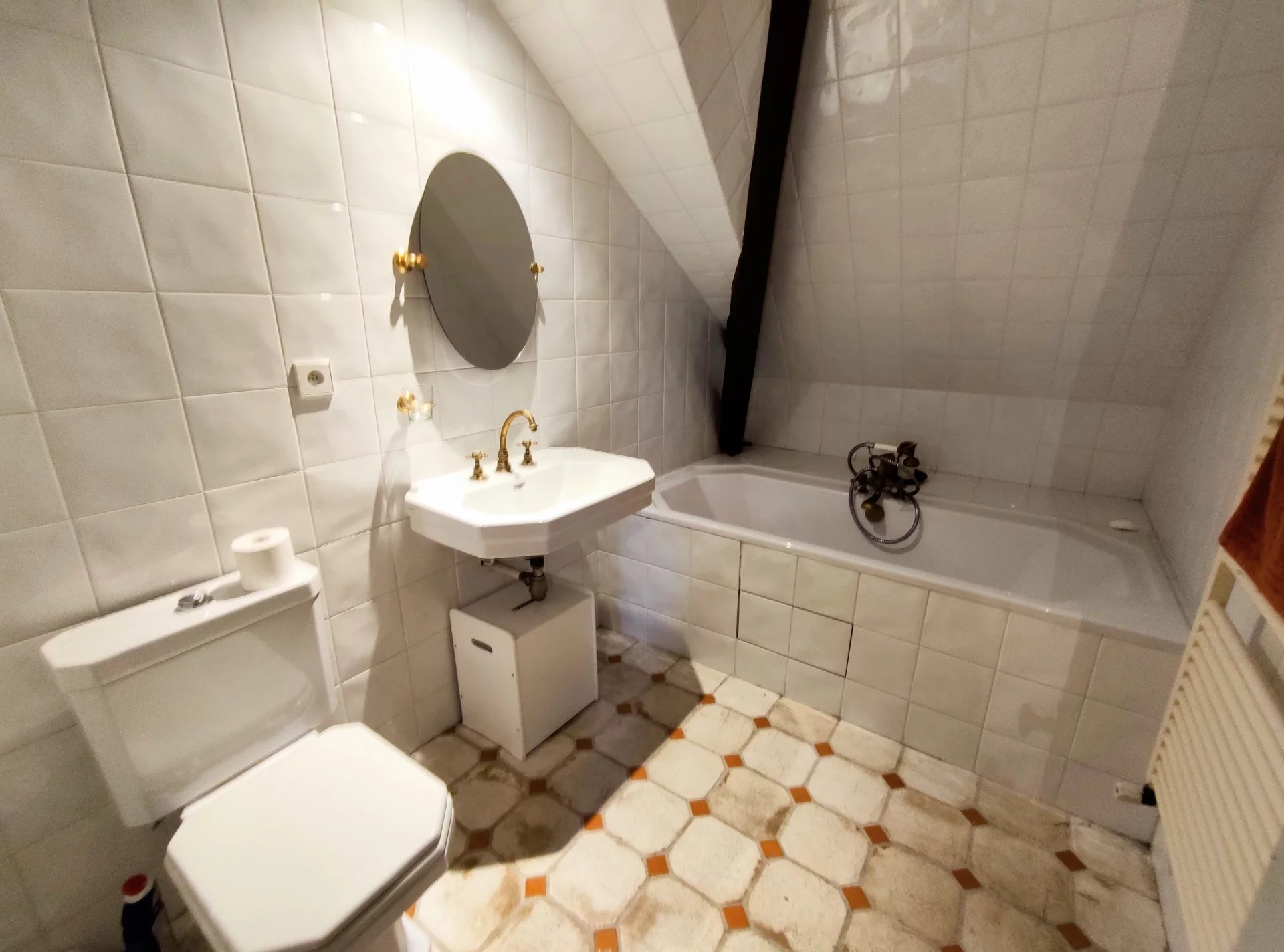
Wet rooms in old masonry buildings can create persistent moisture problems if poorly upgraded.
In a compact historic duplex, poor extraction can worsen moisture and odour problems.
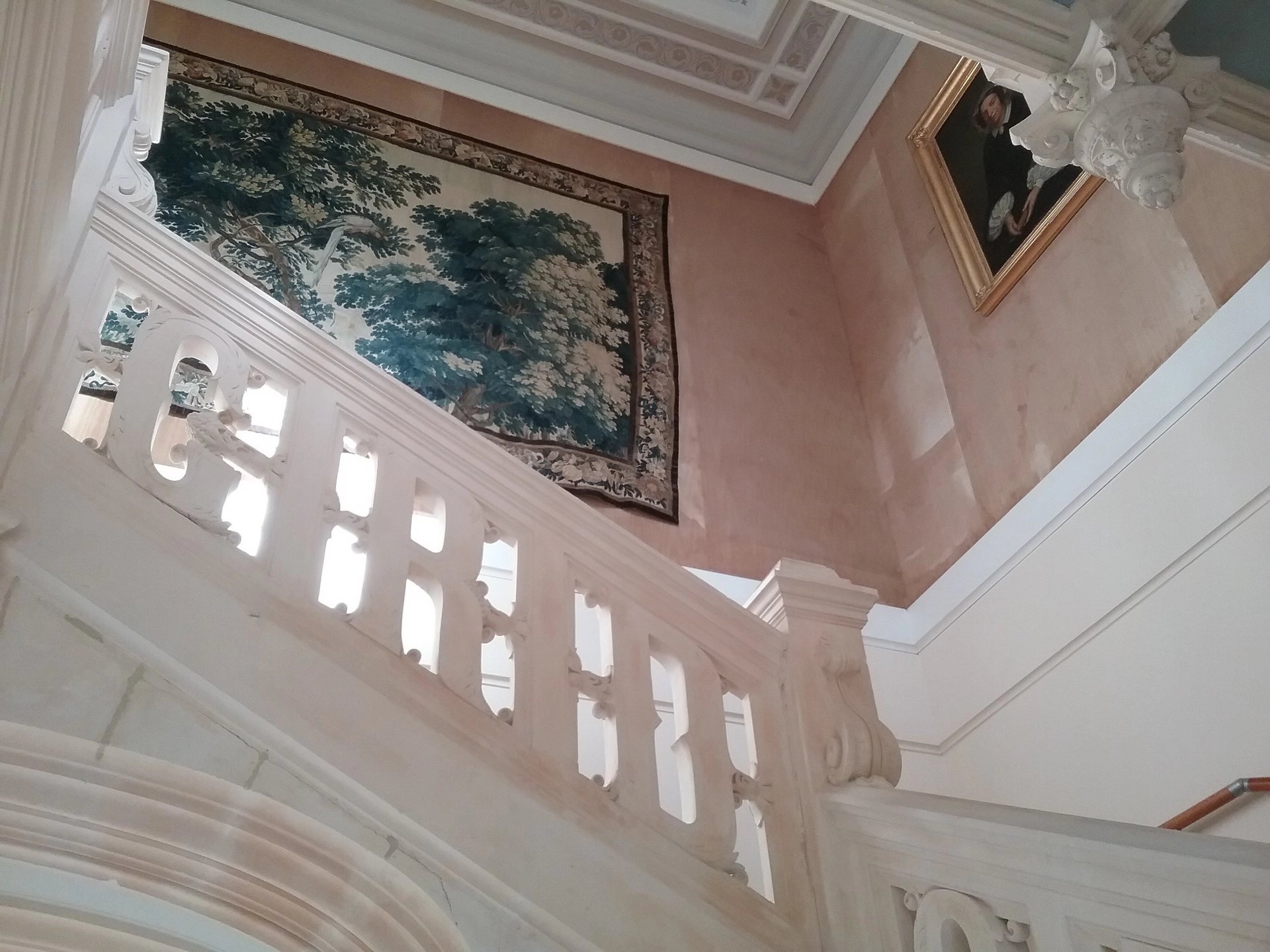
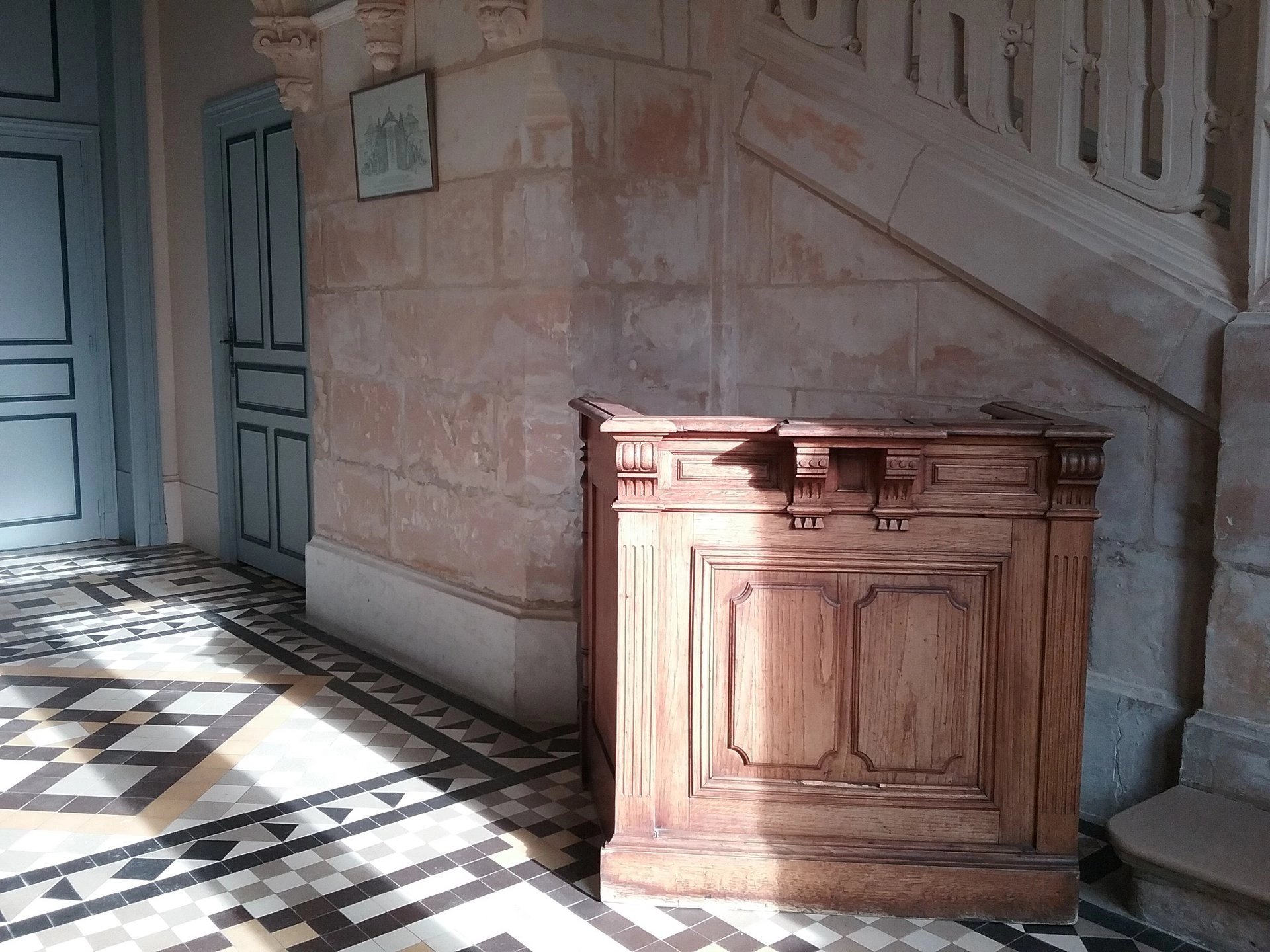
Character features can also mean specialist repair methods and higher future costs.
Energy Performance, Heating and Systems
The full report gives estimated energy costs, emissions data and recommended improvement measures.
DPEs remain valid for 10 years, but the calculation method changed from 1 January 2026 and some ratings may improve after update.
Real bills often tell a clearer story than modelled diagnostic estimates.
Shared heating can affect cost transparency, maintenance exposure and upgrade flexibility.
An ageing communal system can become a major upcoming estate expense.
Window specification is often decisive for comfort in historic stone buildings.
Poorly executed insulation can trap moisture, while absent insulation keeps running costs high.
Upper-level heat build-up and poor airflow can materially affect year-round usability.
Apartment-level upgrades may be limited if building-wide action is needed first.
Future letting value depends partly on whether the property is comfortable enough in real occupation.
Rental Use and Practical Income Potential
French copropriété rules can legitimately restrict uses depending on the destination of the building, and newer rules specifically address meublés de tourisme.
Historic performance is more useful than generic yield assumptions.
In France, meublé de tourisme obligations can include declaration and, in some cases, a registration number and authorisation depending on local rules.
Even where legally possible, practical estate rules can undermine rental viability.
Furnishing affects start-up cost and the ease of testing a rental model.
The strongest income case depends on matching the asset to the right market, not just assuming general holiday demand.
Seasonal concentration affects yield consistency and vacancy risk.
Operational constraints can matter as much as licensing in remote or shared estates.
Access, Connectivity and Everyday Practicalities
Parking arrangements can materially affect convenience, guest use and resale.
A tower duplex may suit some buyers poorly even if visually appealing.
Rural charm matters less if remote work or streaming is unreliable.
Thick stone construction can reduce coverage and make mobile fallback unreliable.
Wastewater arrangements can become a material cost or compliance issue in older rural estates.
Marketing language about estate lifestyle has value only if the rights are genuinely usable.
Proximity to golf is useful, but rights of access and any resident arrangement should not be assumed.
Shared estates live or die by how friction is managed in practice.
Sale Documents and Transaction Readiness
In France the buyer should review the formal diagnostics pack, not just marketing claims.
The required diagnostics vary by age, location and installations, and can materially affect price and works planning.
Claims history can reveal recurring defects not obvious on a viewing.
Buyers need to avoid inheriting payment disputes or unresolved cost issues at completion.
Unusual properties need unusually clear drafting to avoid misunderstanding.
Negotiation Intelligence
Buyer Leverage
Medium–High
Key Drivers
Typical Negotiation Range
5-15% below asking
Neutral Phrasing Examples
Country Layer
France (Regulatory Context March 2026)
In France, a seller of residential property is expected to provide a dossier de diagnostic technique, which can include the DPE and, depending on the property and location, other reports such as lead, asbestos, termites, gas, electricity and environmental risk information. For this château apartment, the buyer should request the full diagnostics file rather than relying on the summary listing.
Viewing Strategy
Start the viewing outside, not inside. Walk the estate first and pay close attention to the overall maintenance standard of the grounds, access roads, façades, rooflines, gutters, tennis courts, pool surrounds, drainage points and any retaining structures. In a shared château setting, the common parts tell you as much about future cost exposure as the flat itself.
Next Step
Verify from the listing:
Copropriété financial health
Request the règlement de copropriété, recent procès-verbaux, annual budget, charge breakdown and current fonds de travaux position so you can judge whether the château estate is well run or heading toward expensive special assessments.
Historic-building restriction level
Confirm whether the château is listed or within a protected heritage setting, and whether future works to windows, insulation, ventilation or internal alterations would require heritage approval as well as copropriété consent.
Energy Class F and heating exposure
Obtain the full DPE, confirm the date it was issued, check whether the 2026 calculation update affects the rating, and verify the real annual heating and electricity costs tied to this apartment.
Shared amenity liability
Clarify who pays for the pool, tennis courts, landscaped grounds, laundry facilities and veranda, and whether any major repairs or replacements are already being discussed or budgeted.
Rental feasibility in this exact estate
Check whether meublé de tourisme use is allowed under the copropriété rules, whether the mairie requires declaration or registration, and whether the owner mix and estate rules make short-term letting realistic in practice.
A prepared buyer should approach the agent calmly and frame questions as due diligence. For example: “To help me assess the property properly and prepare a serious offer, could you share the copropriété rules and recent minutes, the annual budget and works-fund details, the full DPE, and confirmation of any heritage or rental-use restrictions affecting this apartment?”
Because this is a château apartment where shared-estate governance, future works exposure and energy performance all materially affect value, run it through the Property Risk Assessment to test the building and legal red flags, or use the Rental Yield Calculator to model returns once the copropriété and meublé de tourisme position has been properly verified.
Disclaimer: The Property Drop is buyer-focused intelligence, zero sales agenda. We curate exceptional properties, in southern Europe, from third-party agents and arm you with decision tools. No commission, no transactions, no agent partnerships, no skin in the game beyond helping you choose wisely. Information stays accurate until it doesn't (properties sell, prices shift, markets move). Everything here is shared for informational purposes only and should not be treated as legal, financial, or investment advice. Images belong to original agents. Read our Terms of Service to learn more.
IMPORTANT REMINDER: When contacting property agents featured on The Property Drop, you are entering into direct communication with third parties. It's recommended that you verify all property details independently, conduct thorough due diligence, engage qualified professionals (solicitors, surveyors, financial advisors), understand your rights and obligations under local property laws, and never send money or make commitments without proper legal protection.
