The Buyer Playbook: 4-Bed Stone Farmhouse with Pool and Barn, Near Mauroux, France, €445,000
France Pre-Viewing Intelligence

Buyer Playbook

Pre-Viewing Intelligence Report

This independent buyer guidance report relates to this specific property located in France. It is provided for informational purposes only and does not constitute legal, tax, structural or survey advice. Planning position, habitability, cadastral boundaries, barn status, pool permissions, sanitation, rental compliance, water supply, access rights and land-use matters must always be verified with qualified French professionals such as a notaire, architecte, diagnostiqueur, surveyor, maître d'œuvre or other suitably qualified local adviser, and with the relevant mairie or intercommunal authorities. This report is designed to help buyers evaluate the property before arranging a viewing or making an offer. It highlights due diligence issues and targeted questions to ask the estate agent. The analysis is based on the listing details and publicly available regulatory context at the time of writing.

Property Snapshot

Location

Lot Valley, near Mauroux, south-west France, in a quiet hamlet and less than 10 minutes from Tournon-d'Agenais.

Property type

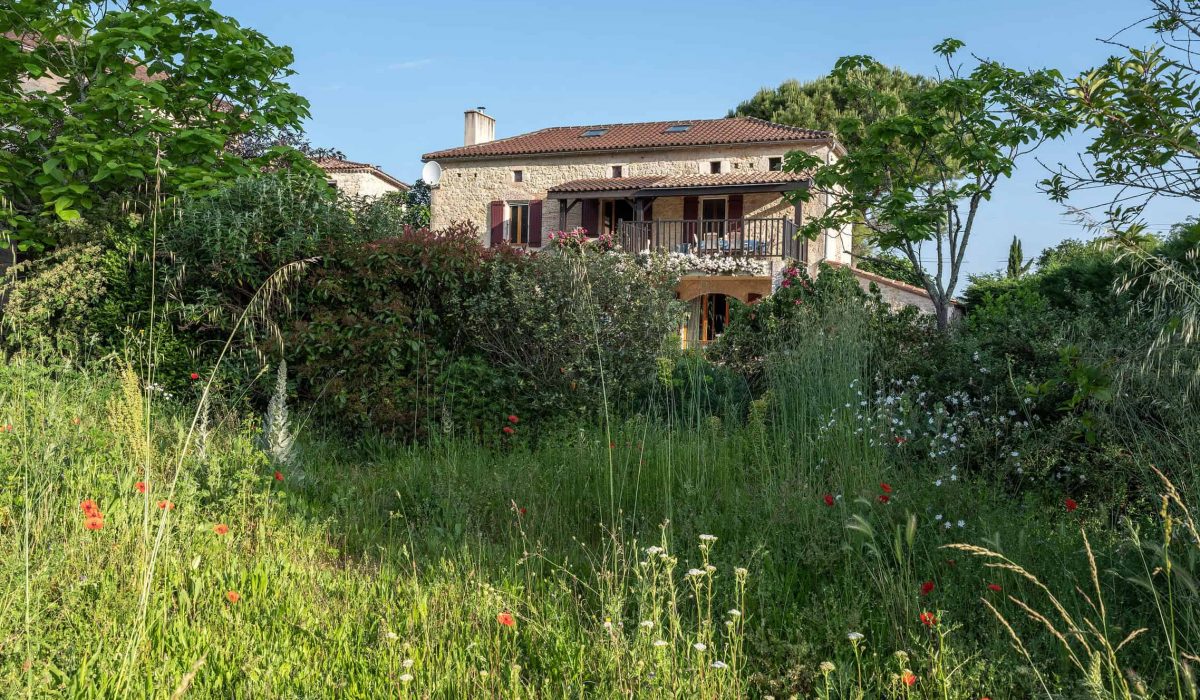
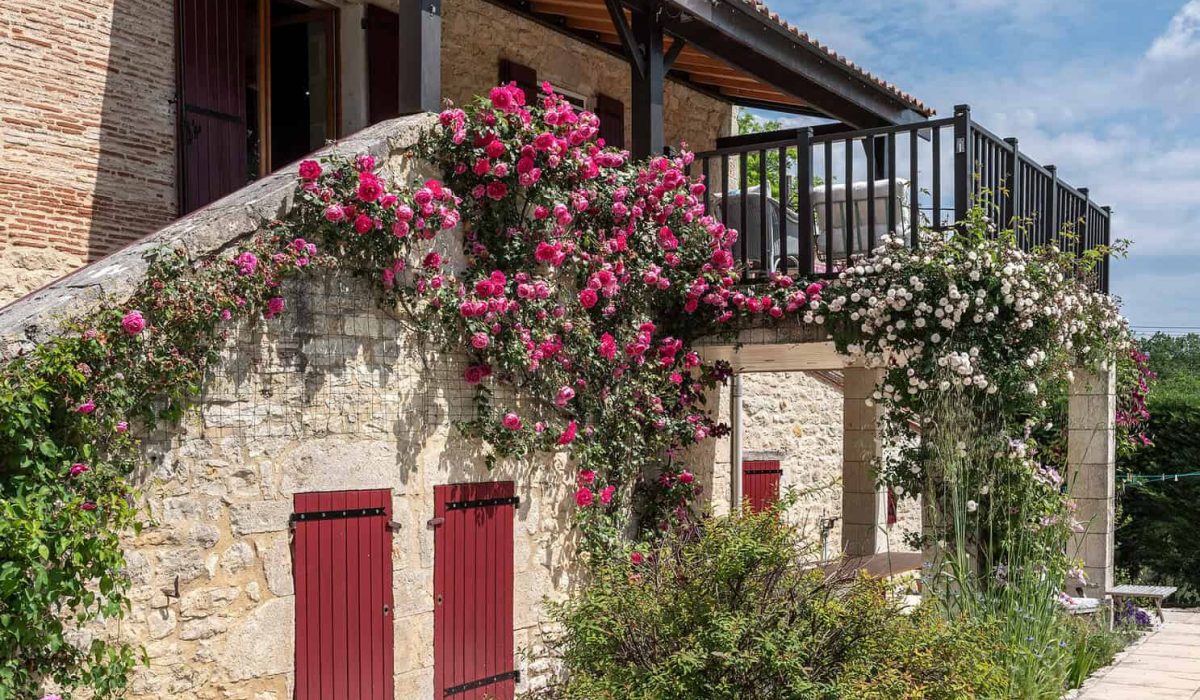
Restored stone farmhouse.

Bedrooms

4

Bathrooms

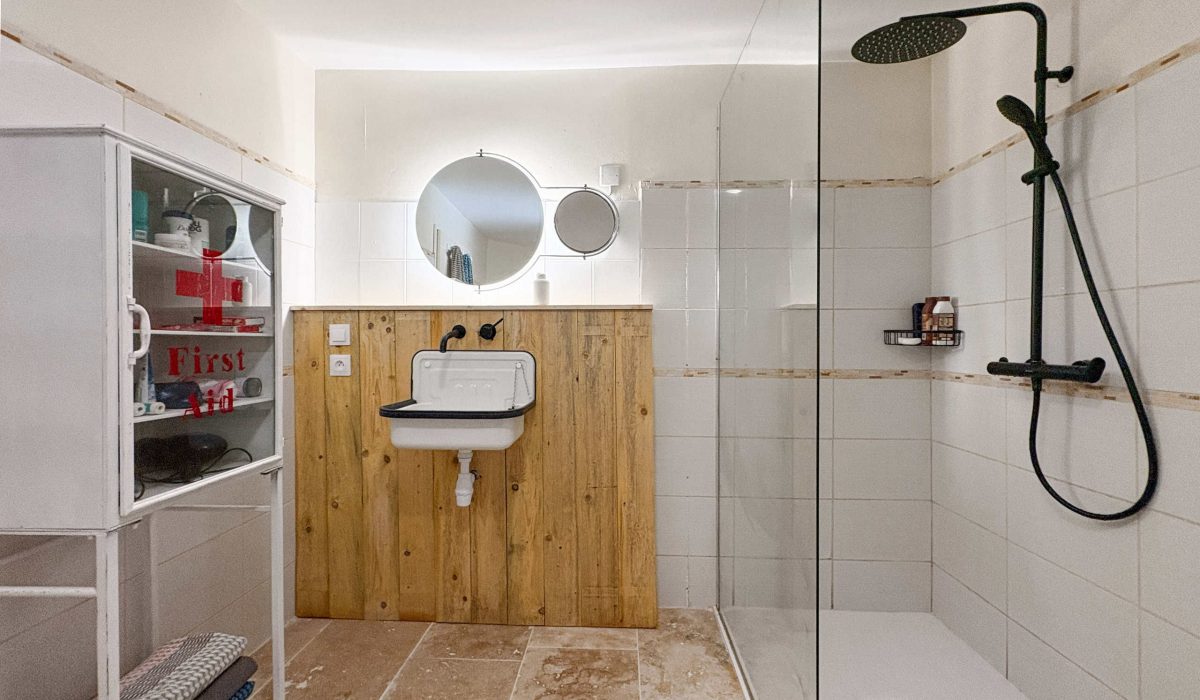
2

Internal area

160 m² living space.

Plot size

1,796 m².

Asking Price

€445,000.

Energy rating

Class C.

Layout

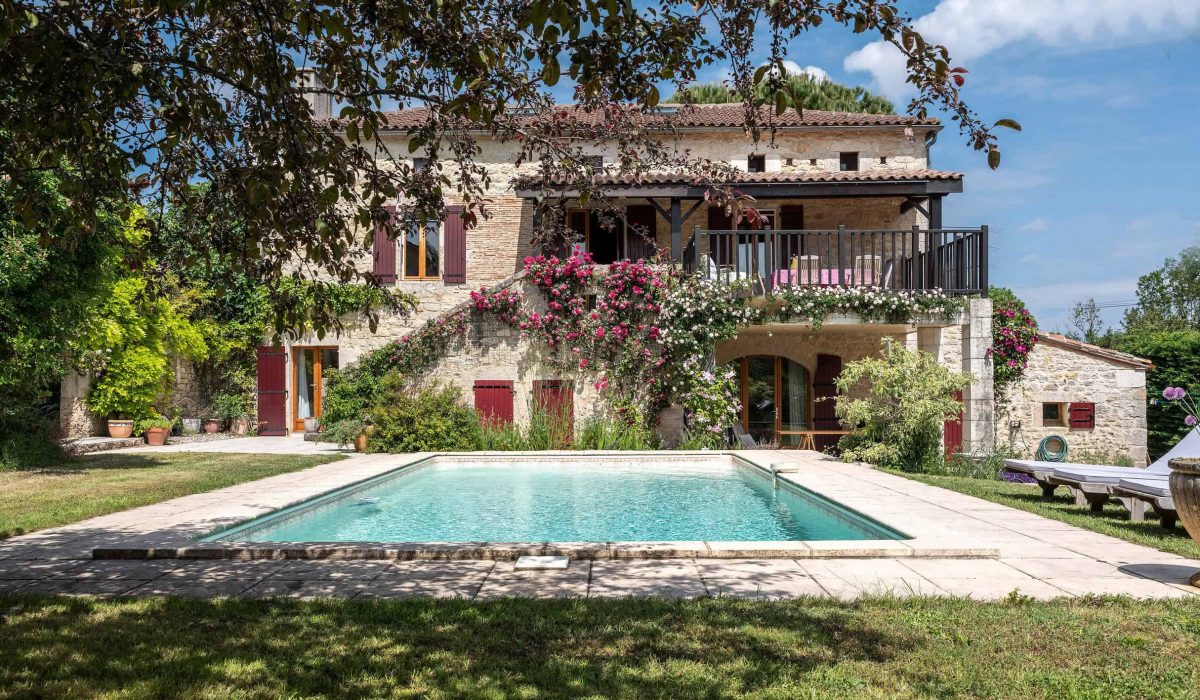
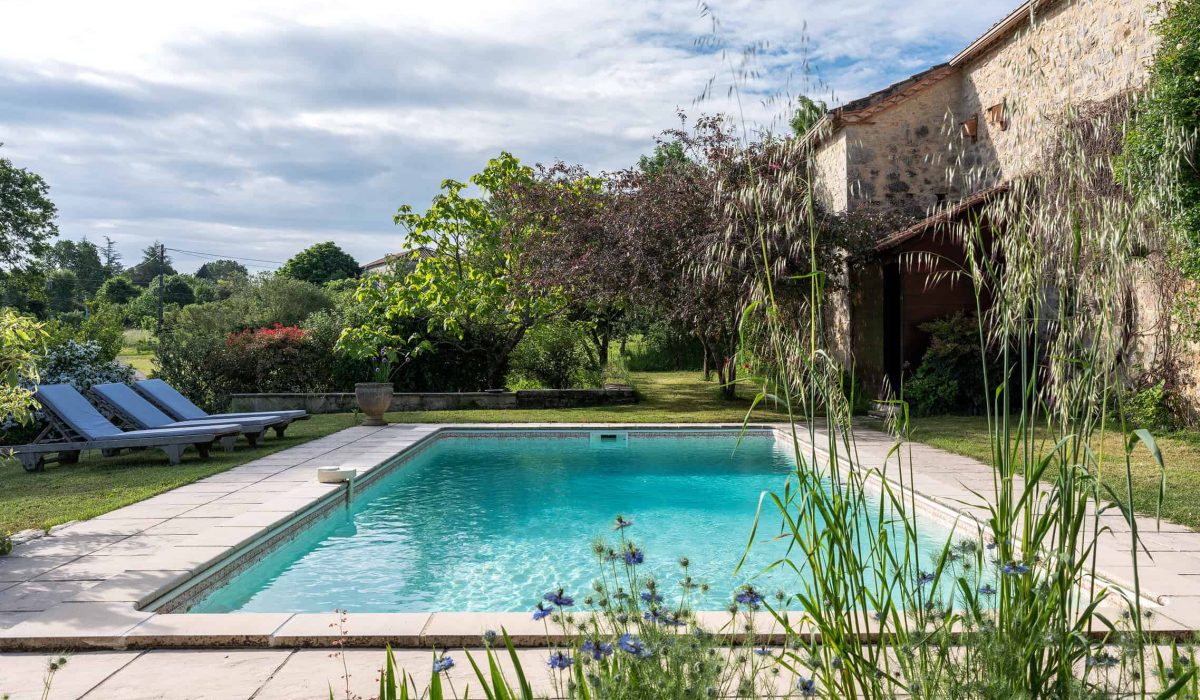
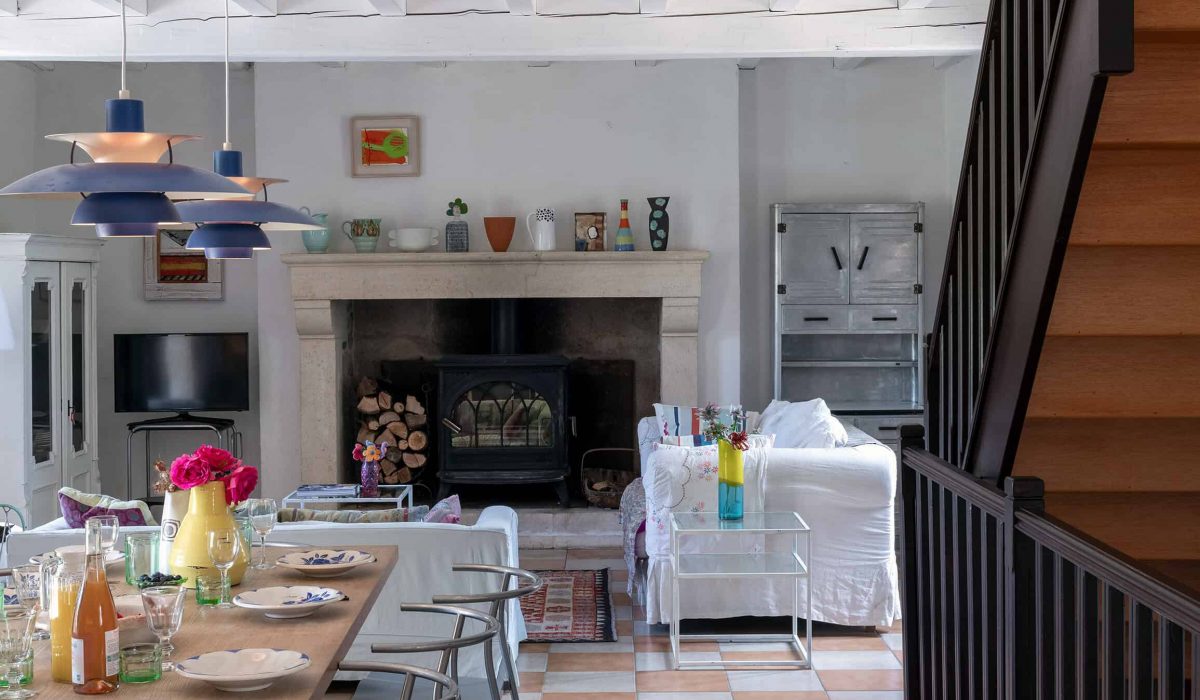
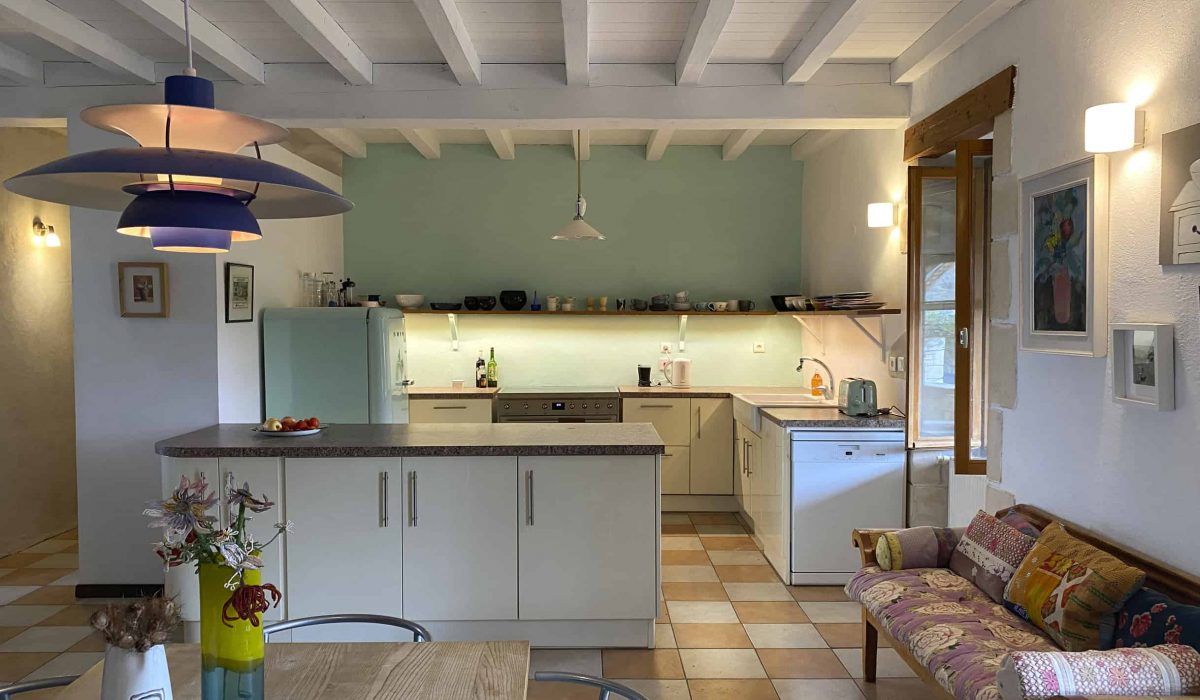
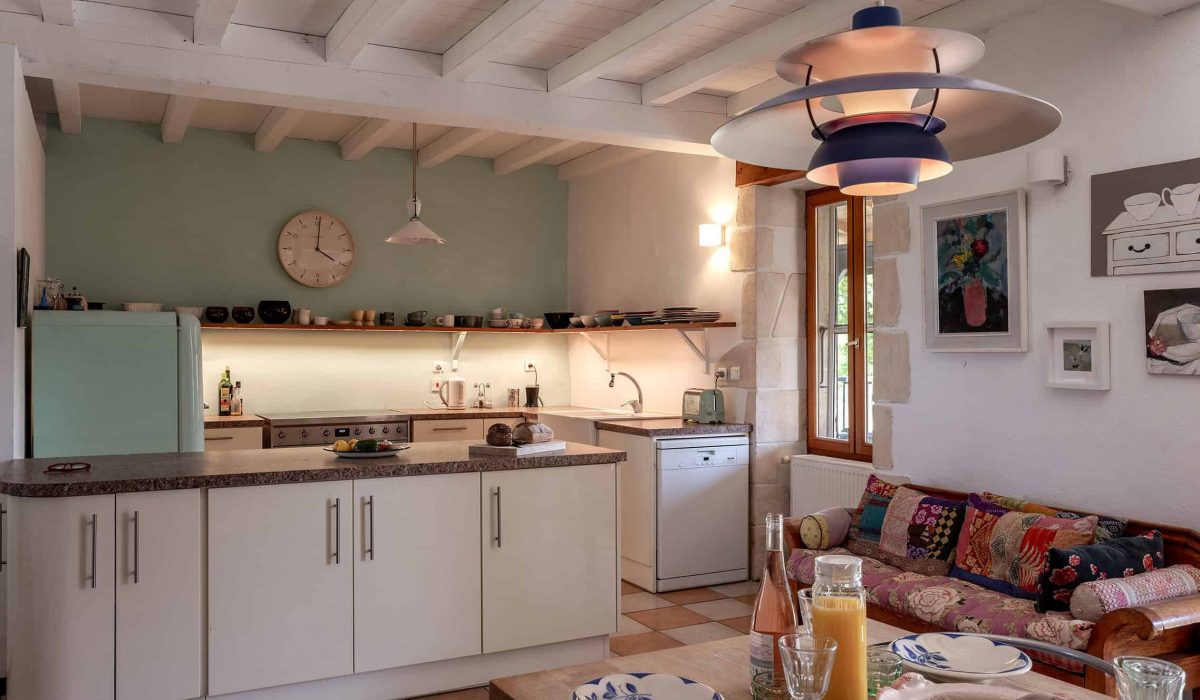
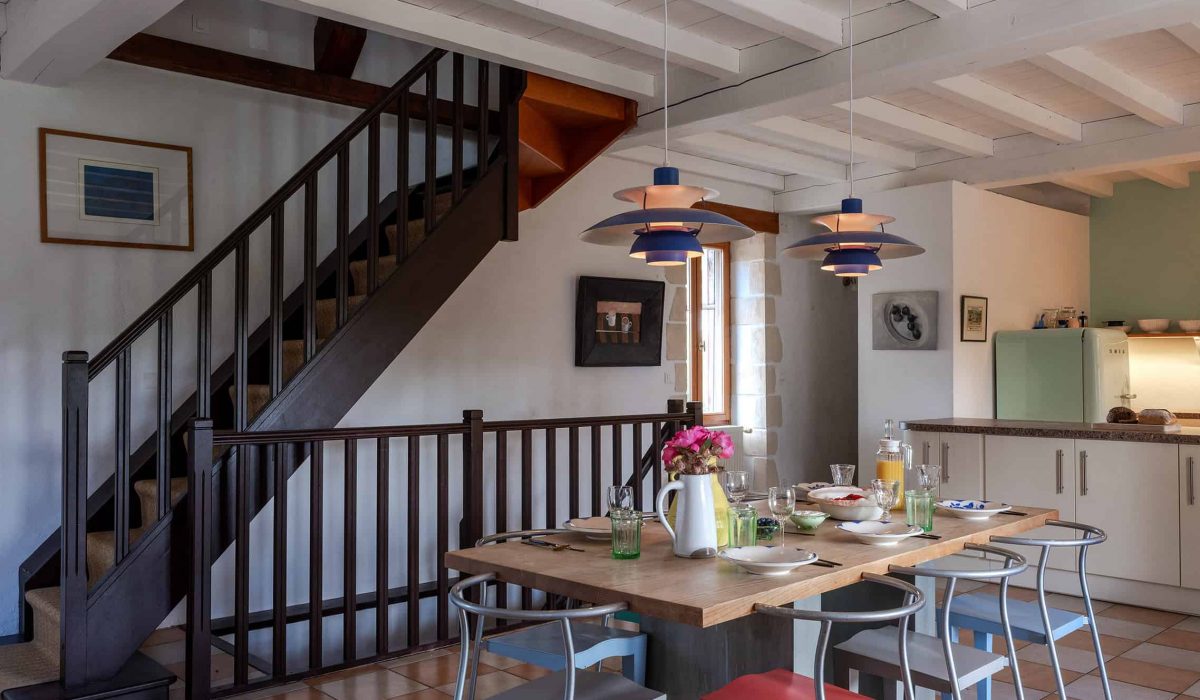
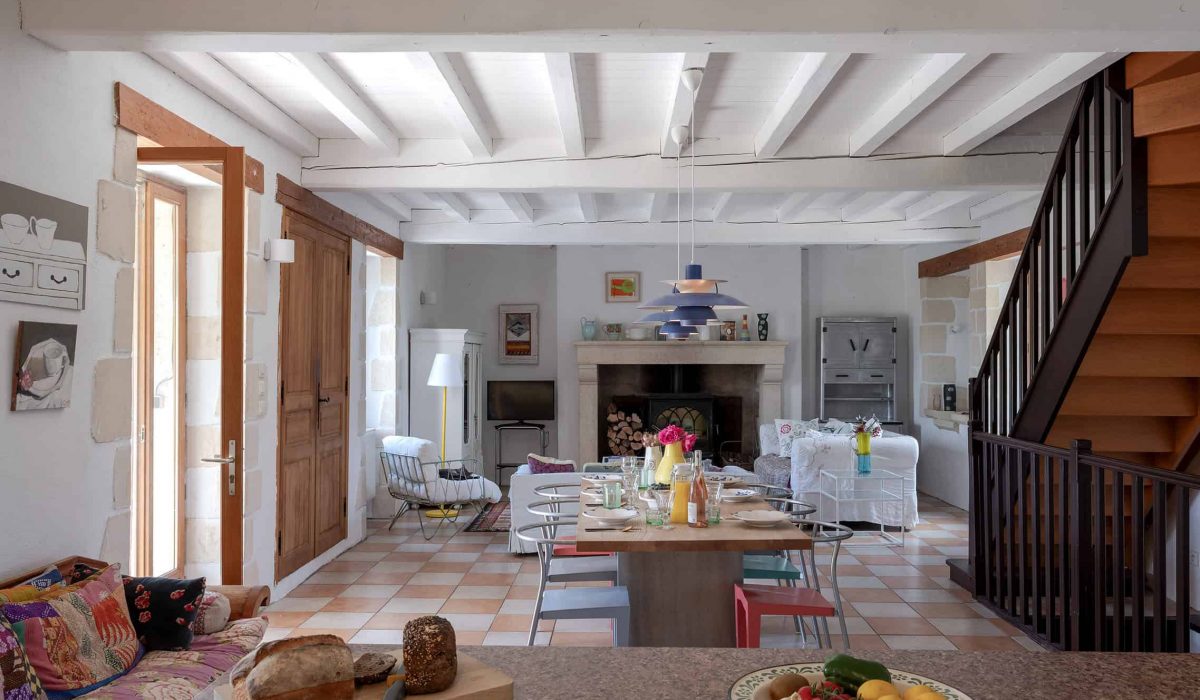
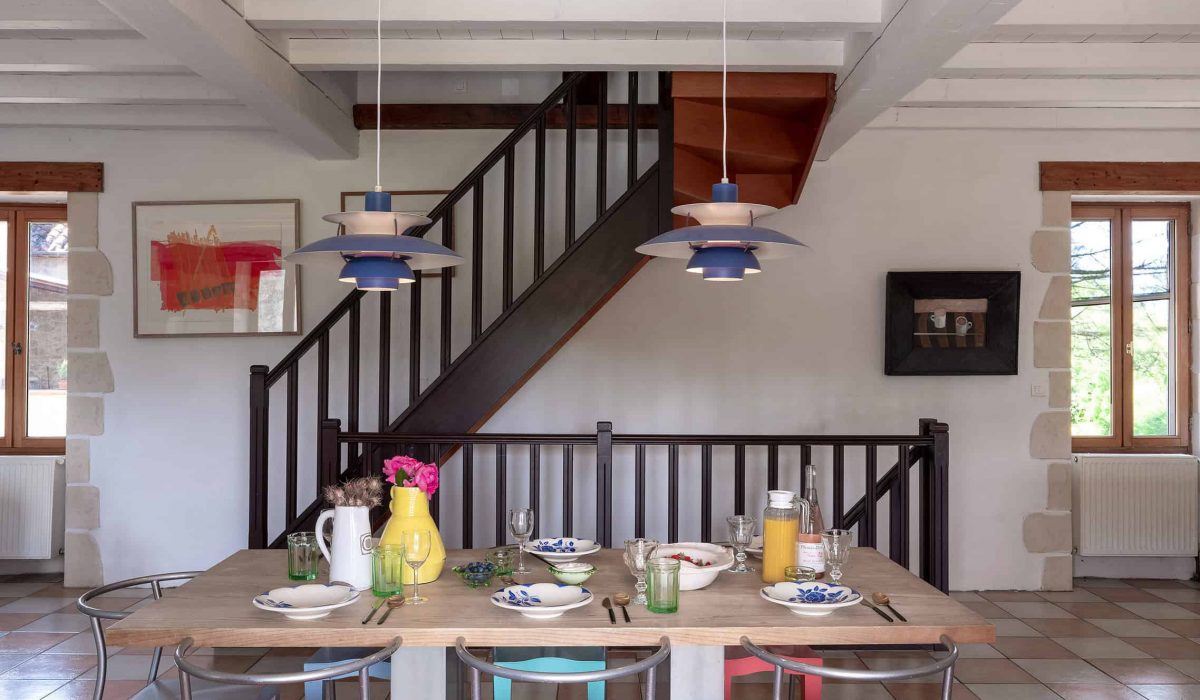
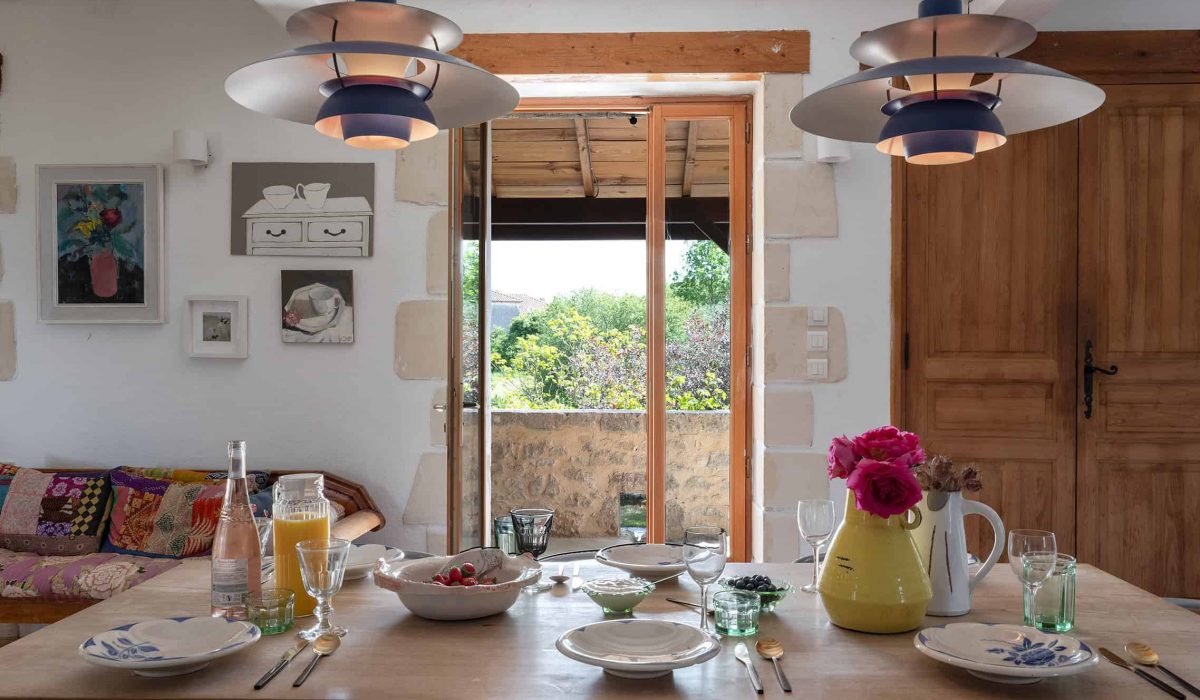
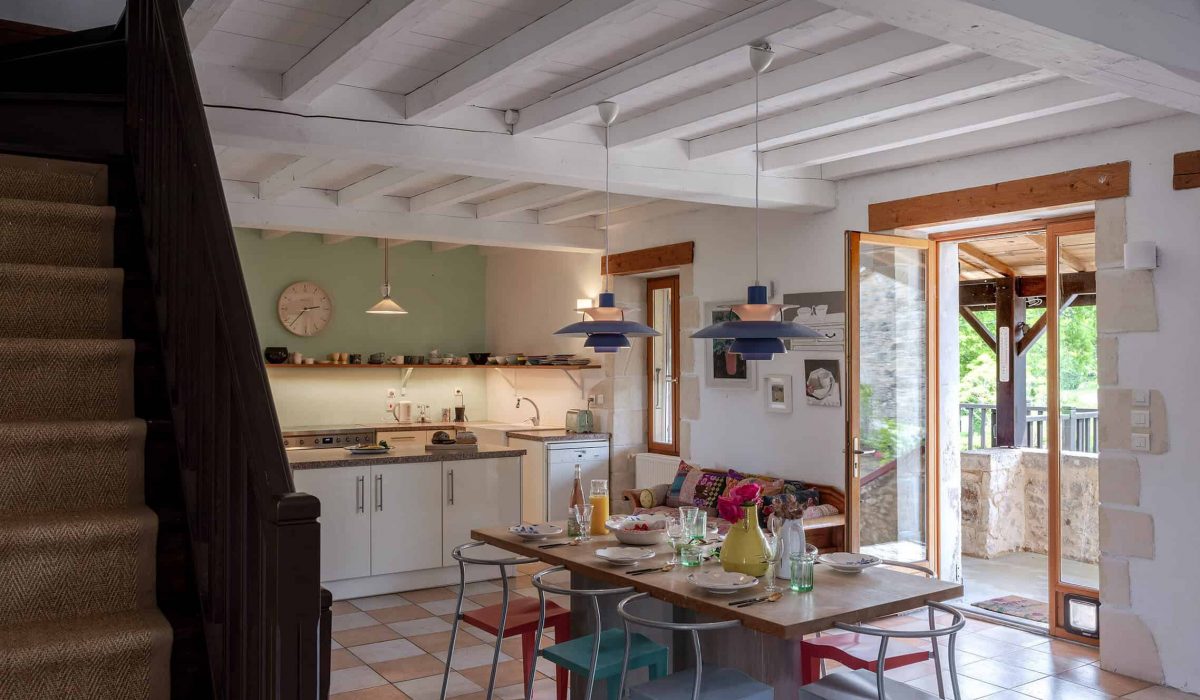
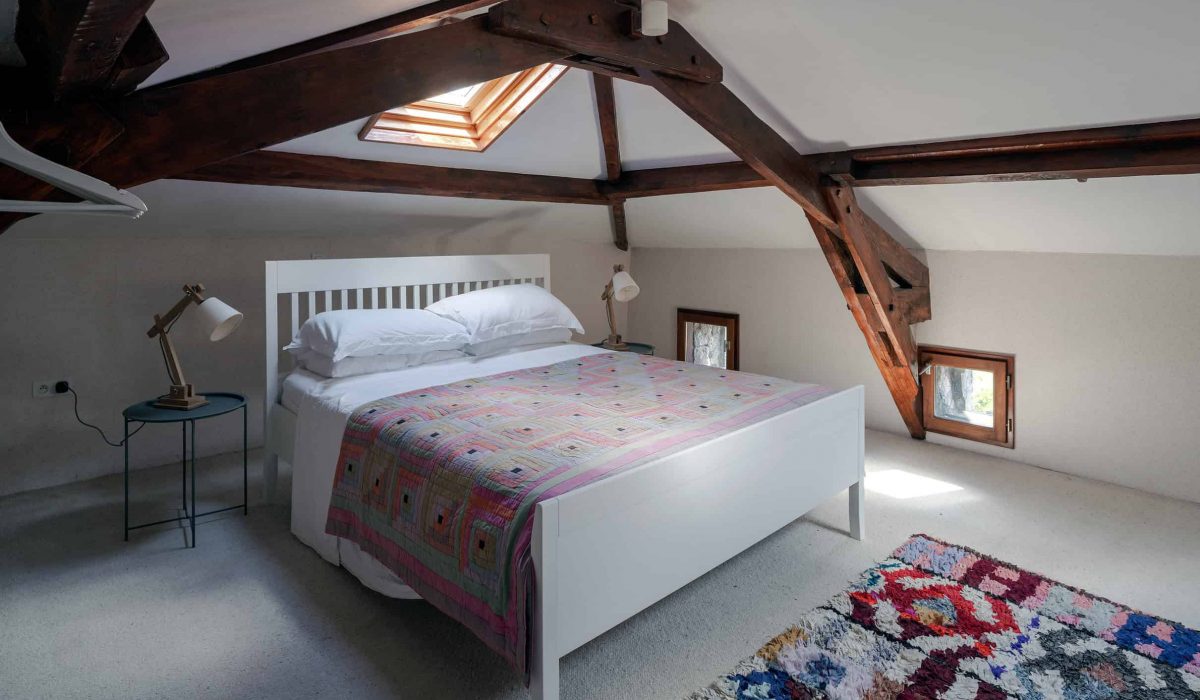
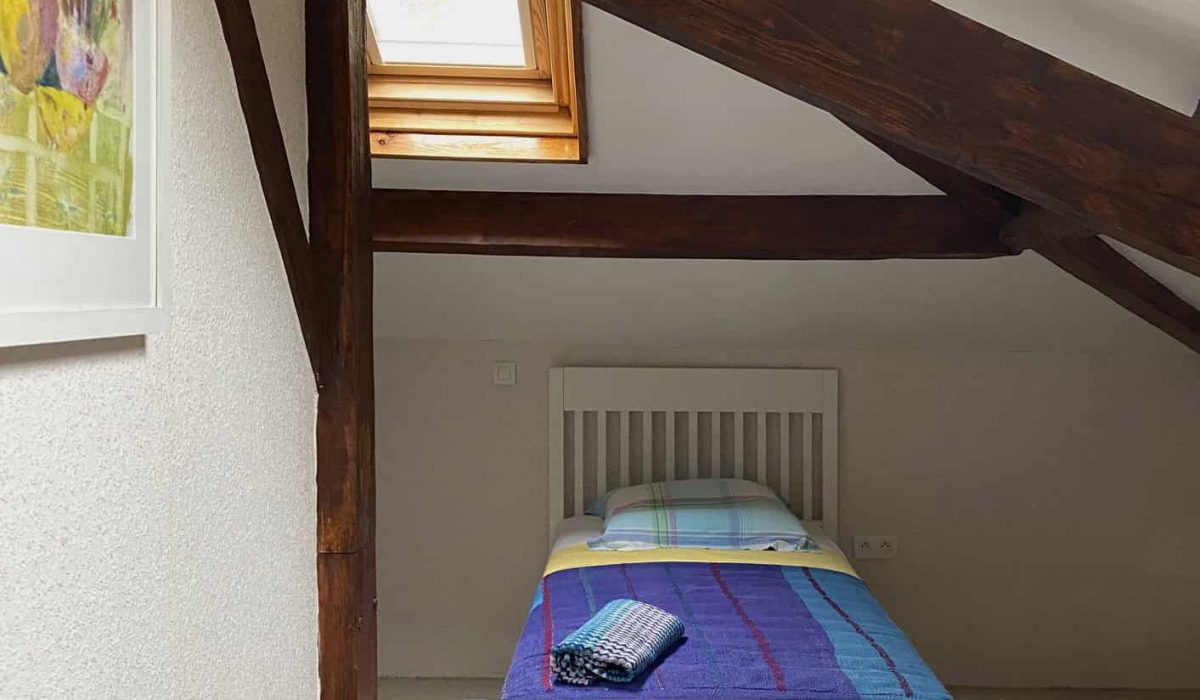
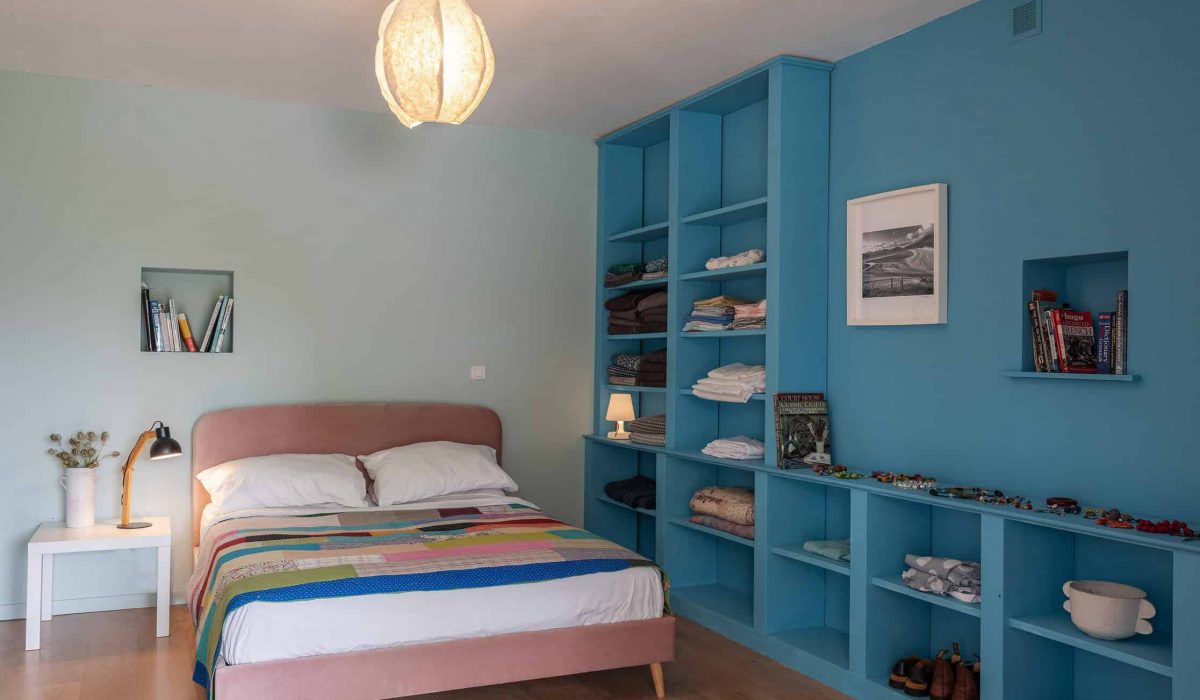
Three levels, with open-plan living room, modern kitchen, two ground-floor bedrooms opening to the pool terrace, and two top-floor beamed bedrooms.

Heating / comfort features

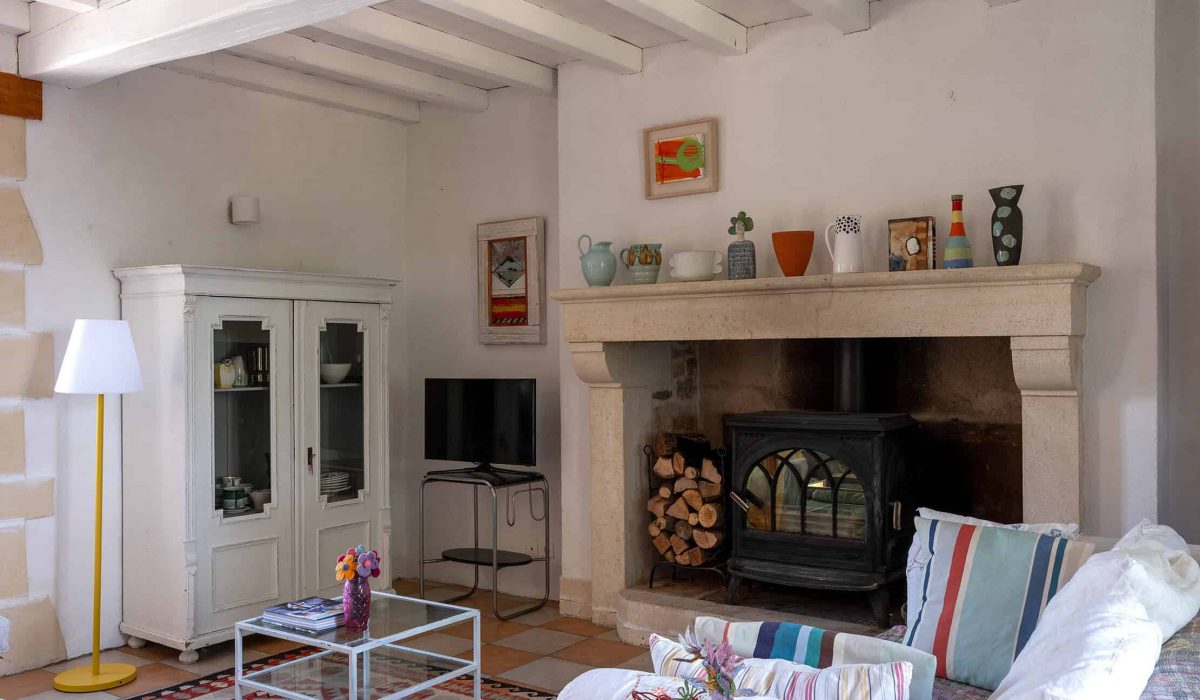
Log-burning stove, double glazing, air conditioning, heat pump and water softener mentioned in the listing.

Outbuildings and external features

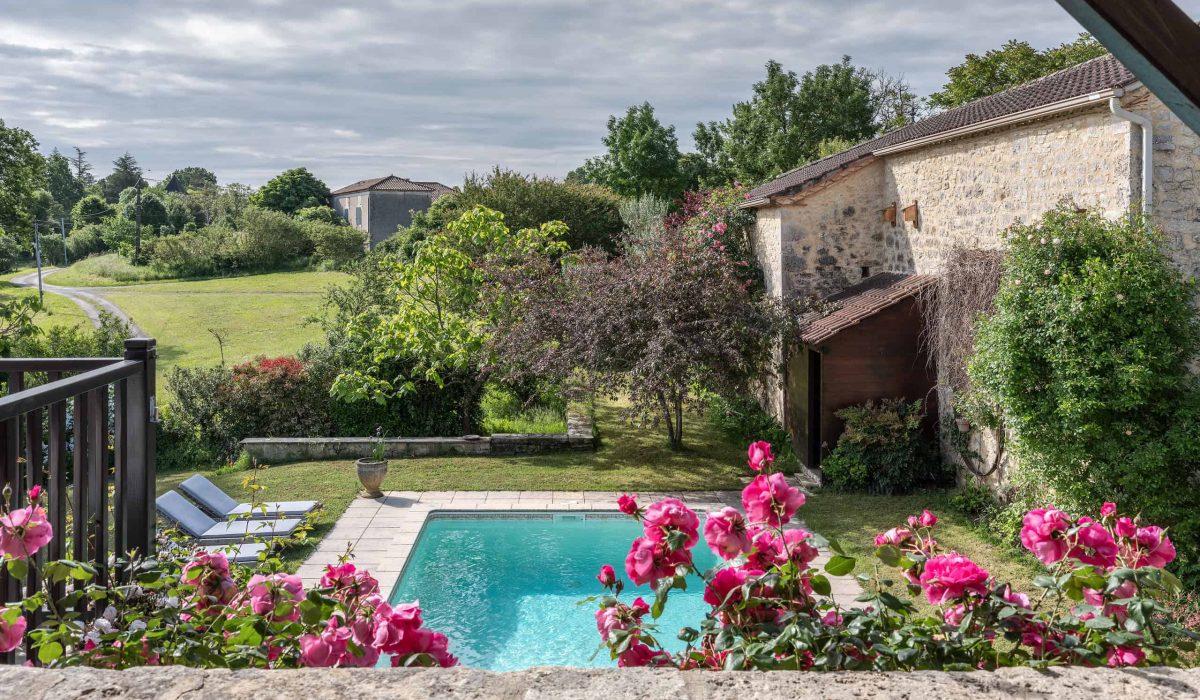
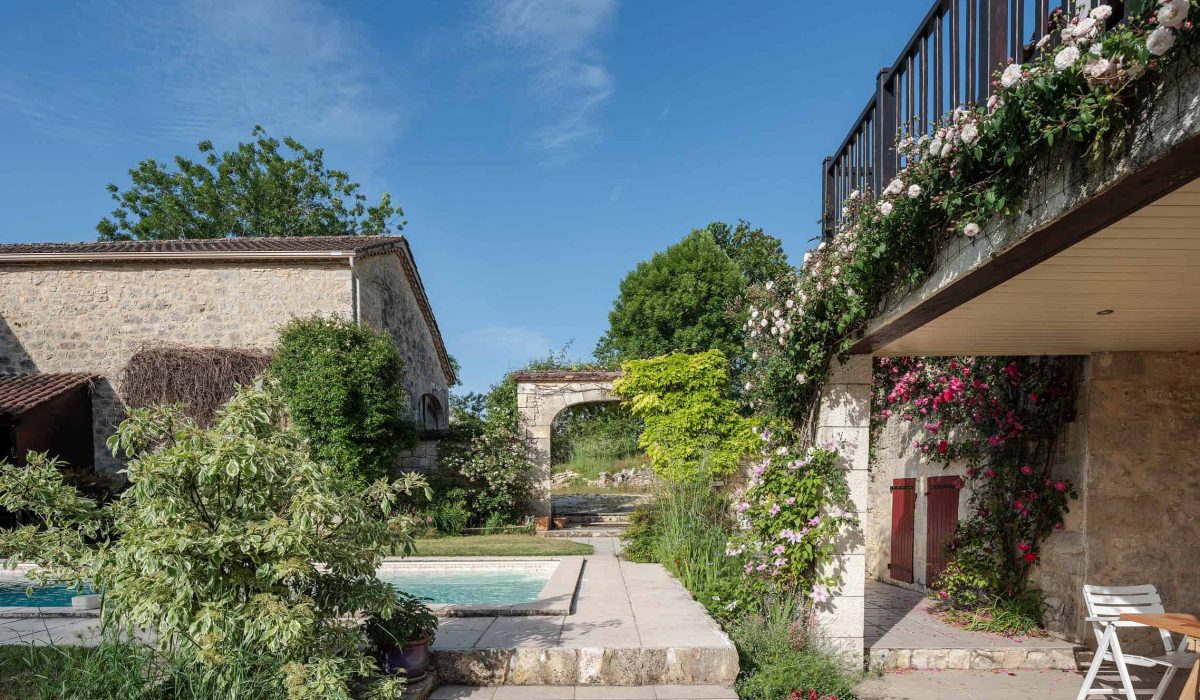
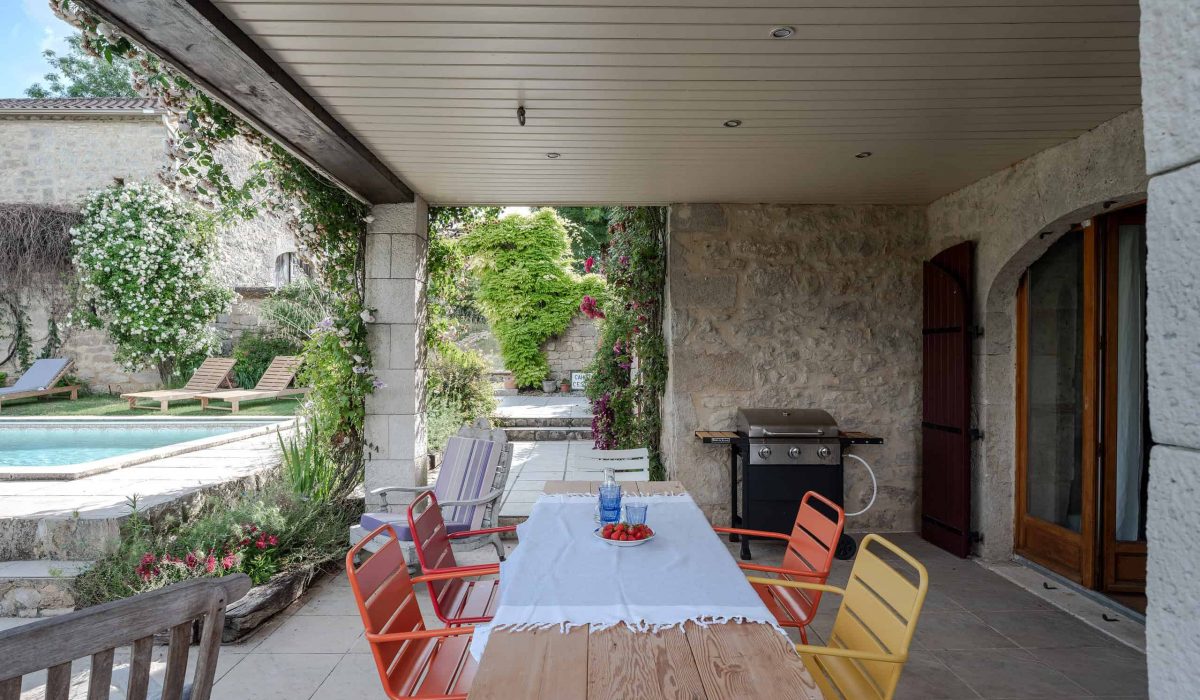
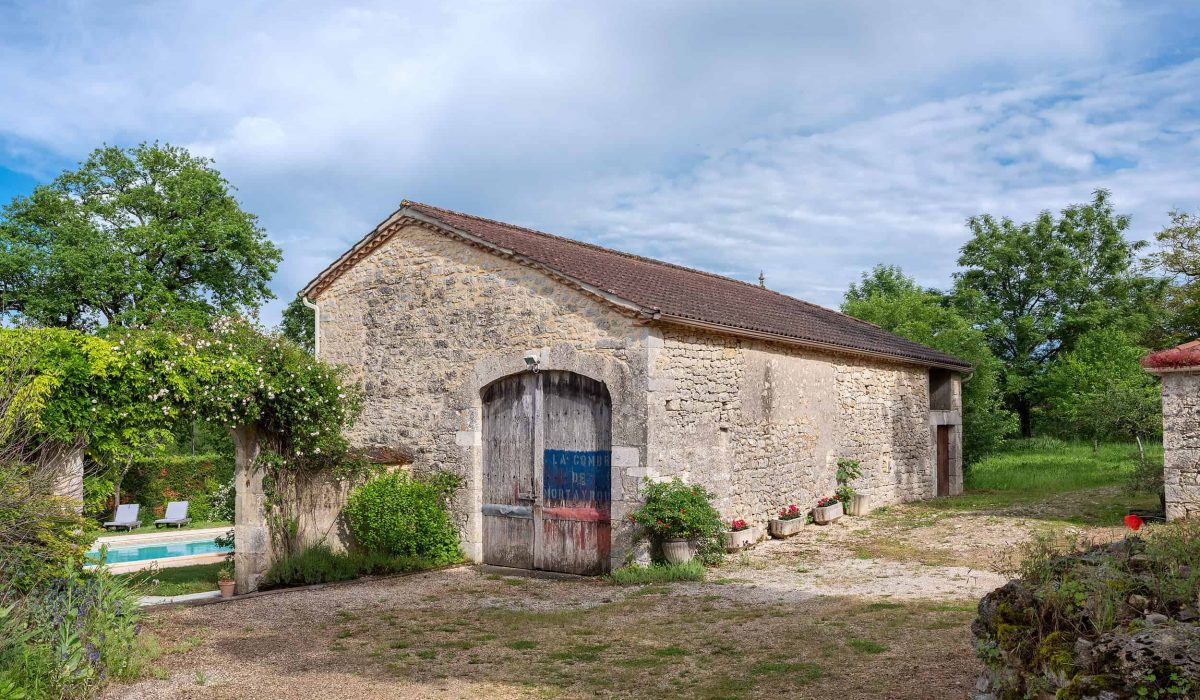
Large stone barn in excellent structural condition, heated swimming pool, covered terrace, sun terraces, established gardens with fruit trees, and an ancient bread oven repurposed as a potting shed.

Stated lifestyle and use angle

Holiday home, permanent residence, or property with gîte / rental income potential.

Risk Radar

Potential risk or due-diligence focus. More investigation needed. Unknown or information not yet confirmed.
Barn legal status, change-of-use and conversion viability
High
Renovation permissions, completion paperwork and guarantees
High
Pool permissions, safety compliance and tax declaration position
High
Water, drainage and non-collective sanitation position
Medium–High
Roof, damp and structural condition across house and barn
Medium–High

Overview

This is an attractive restored stone farmhouse with a compelling mix of heritage appeal and modern upgrades: four bedrooms, a pool, a structurally promising barn, and a Class C energy rating that is notably stronger than many older rural stone properties. The headline value here is not just the house itself, but the package: usable family accommodation, outdoor amenity, and a secondary building that could materially affect both future enjoyment and long-term value if its legal and planning position is favourable.

The main due diligence themes are clear. First, the renovation story must be properly documented. The listing refers to double glazing, air conditioning, a heat pump, a water softener and a heated swimming pool, and buyers should not assume that all works were declared, approved and signed off simply because the finish looks coherent. Second, the barn could be a major asset or a source of false upside. Its structural condition may be excellent, but its planning status, cadastral treatment, destination and service connections will determine whether "gîte potential" is commercially real or just brochure language. Third, because this is a rural French property of age, the diagnostics file, sanitation position, boundaries, easements, and external structures matter just as much as cosmetic appeal.

Targeted Questions

Title, Cadastral Position and Planning

1.Can you provide the title deed, cadastral plan and parcel references for the full property so I can confirm that the house, barn, pool, bread oven area, terraces and all garden land are included in the sale?

Rural properties can include structures or strips of land that are used in practice but not fully reflected in the buyer's assumptions.

2.Can you confirm the legal description of the property in the acte de propriété and whether the stated 160 m² living area matches the legally recognised habitable area?

Marketing measurements and legally relevant areas are not always identical.

3.Is the barn shown separately on the cadastre, and if so, how is it described legally?

A separate cadastral identity can affect use, taxation, insurability and development options.

4.What is the current destination or use classification of the barn: storage, agricultural outbuilding, annex, workshop, or something else?

Conversion potential depends heavily on the building's current legal status.

5.Were any declarations or planning permissions obtained for the overall renovation of the farmhouse, and can copies be provided?

Retrospective uncertainty over permitted works can create risk at resale and during future projects.

6.Can you provide the déclaration attestant l'achèvement et la conformité des travaux, if one exists, for any material works carried out?

Completion and conformity paperwork helps confirm whether authorised works were properly closed out.

7.Were any façade changes, window replacements, roof changes, terrace works or external equipment installations declared to the mairie?

In France, external alterations often require planning formalities even when the works seem modest.

8.Is the property in or near a protected area, monument perimeter or other planning sensitivity zone where additional approvals or ABF input could apply?

Protected status can materially affect what can be changed later and how quickly permissions can be secured.

Barn, Outbuildings and Conversion Potential

9.Has the barn ever been the subject of a planning application, feasibility study or pre-application discussion with the mairie?

Early local feedback can reveal whether conversion is realistic before you spend money on design work.

10.If the barn were to be converted into guest accommodation, would that require only a declaration préalable or a full permis de construire in this case?

A change of destination with structural or façade changes can trigger a more onerous approval route.

11.Does the barn already have water, electricity and drainage connections, or would these need to be created from scratch?

Service installation can substantially change the true cost of conversion.

12.Has any structural survey been carried out on the barn roof, walls, floor slab or foundations?

"Excellent structural condition" is a helpful claim, but buyers need evidence.

13.Are there any known restrictions on converting the barn because of agricultural history, zoning rules or local planning policy?

Not every attractive stone outbuilding is straightforward to repurpose.

14.Is the barn insured as part of the main property, and has the insurer imposed any conditions relating to its current use or condition?

Insurance treatment can hint at whether the outbuilding is treated as sound, occupied, or development-ready.

15.Has the seller obtained any indicative quotes for converting the barn into a gîte, studio or workshop?

Budget expectations are often overly optimistic on rural conversions.

16.Is the ancient bread oven structure included in the title and sale, and has it ever required stabilisation or restoration?

Charming heritage extras can still carry maintenance liability.

17.Are there any restrictions on altering, restoring or intensifying the use of the bread oven outbuilding?

Small historic structures can still fall within planning controls if appearance or use changes.

Renovation Documentation and Building Condition

18.When was the farmhouse renovation carried out, and was it done in one campaign or over several phases?

A phased renovation often means mixed ages, standards and warranties across the systems.

19.Can you provide invoices for the main works, including windows, heat pump, air conditioning, pool, roofing, electrics, plumbing and water softener?

Invoices help verify dates, installers and likely remaining lifespan.

20.Are any garanties décennales or other transferable contractor guarantees still in force, and if so for which works?

This can materially reduce risk if major works were completed recently and correctly insured.

21.Has the roof of the main house been repaired or replaced, and can you provide dates and contractor details?

Roof condition is one of the biggest cost drivers in older stone homes.

22.What is the condition of the barn roof, and has any timber treatment been carried out for woodworm or fungal issues?

Barn roofs can look picturesque while hiding expensive structural work.

23.Are there any known issues with rising damp, penetrating damp, salt bloom, drainage around the walls, or seasonal moisture in the ground-floor rooms?

Stone houses can perform well, but moisture management remains a core risk area.

24.Have there been any cracks, settlement issues or structural movement in the farmhouse or barn, and if so are they historic or ongoing?

Buyers need to distinguish benign age-related movement from active structural concern.

25.Have the fireplaces, flues and chimney stacks been serviced and inspected, and when was the log-burning stove last checked?

Safe operation and compliance are especially important in older properties with retained fireplaces.

26.Are there any retained old materials in the property, such as older wiring, legacy plumbing or hidden areas not covered by the visible renovation?

Attractive finishes can conceal partial rather than full modernisation.

Energy, Heating, Cooling and Efficiency

27.Can you provide the full DPE report, including estimated annual energy costs, methodology date and recommended works?

A Class C rating is encouraging, but the full report explains what is actually driving the score.

28.Was the DPE issued before or after 1 January 2026, and if before, has the owner checked whether the updated electricity conversion factor would alter the result?

France changed the DPE electricity conversion factor on 1 January 2026, which can affect some ratings.

29.What type of heat pump is installed, who installed it, and is it used for heating, cooling, or hot water as well?

The label "heat pump" alone is too broad to judge comfort, efficiency or replacement risk.

30.Is the air conditioning integrated with the heat pump system or separate, and were any outdoor units formally declared where required?

External units can require planning formalities depending on the circumstances.

31.What are the actual annual electricity and heating bills for the last two full years?

Real bills often tell a clearer story than modelled estimates.

32.What insulation exists in the roof, walls and floors, and was any insulation added during renovation?

Comfort in a stone property depends on more than glazing alone.

33.What material are the double-glazed window frames made from, and were they installed as full replacements or secondary upgrades?

This affects maintenance, planning compliance and long-term performance.

34.Is the hot water production electric, heat-pump based, or tied to another system?

Domestic hot water can materially affect running costs and system complexity.

Water, Drainage and Utilities

35.Is the property connected to mains water, a private source, or both?

Water source affects reliability, maintenance and legal checks.

36.What is the age, make and service history of the water softener?

A water softener is useful, but replacement and maintenance costs should be understood.

37.Is the property connected to mains drainage or an individual non-collective sanitation system?

Rural French properties often rely on individual systems that require specific checks at sale.

38.If there is non-collective sanitation, can you provide the latest SPANC report and confirm whether it was compliant, non-compliant, or flagged for works?

For a sale, the sanitation status can become a post-purchase cost issue if the system is unsatisfactory.

39.Have there been any drainage issues around the pool terrace, the archway area, or the lower levels of the house after heavy rain?

Water management problems can damage terraces, walls and finishes over time.

40.What broadband service is available at the property: fibre, ADSL, fixed wireless or satellite?

Remote usability and resale appeal increasingly depend on realistic connectivity.

41.How reliable is mobile reception inside the house, around the pool and in the barn?

Thick stone walls can materially affect signal quality.

Pool, Grounds and External Features

42.When was the pool installed, and can you provide the relevant déclaration préalable or permit paperwork if one was required?

Pools can require prior authorisation depending on size and cover characteristics.

43.Has the pool been declared for local property tax purposes following completion?

In France, new constructions such as pools can affect local taxation and should be declared.

44.What are the pool's dimensions, heating method, filtration system, liner or shell type, and maintenance history?

Running cost and replacement risk vary widely by specification.

45.Does the pool comply with current safety requirements, and what safety system is in place: alarm, cover, barrier or shelter?

Compliance and safe operation matter for family use and especially for holiday rental scenarios.

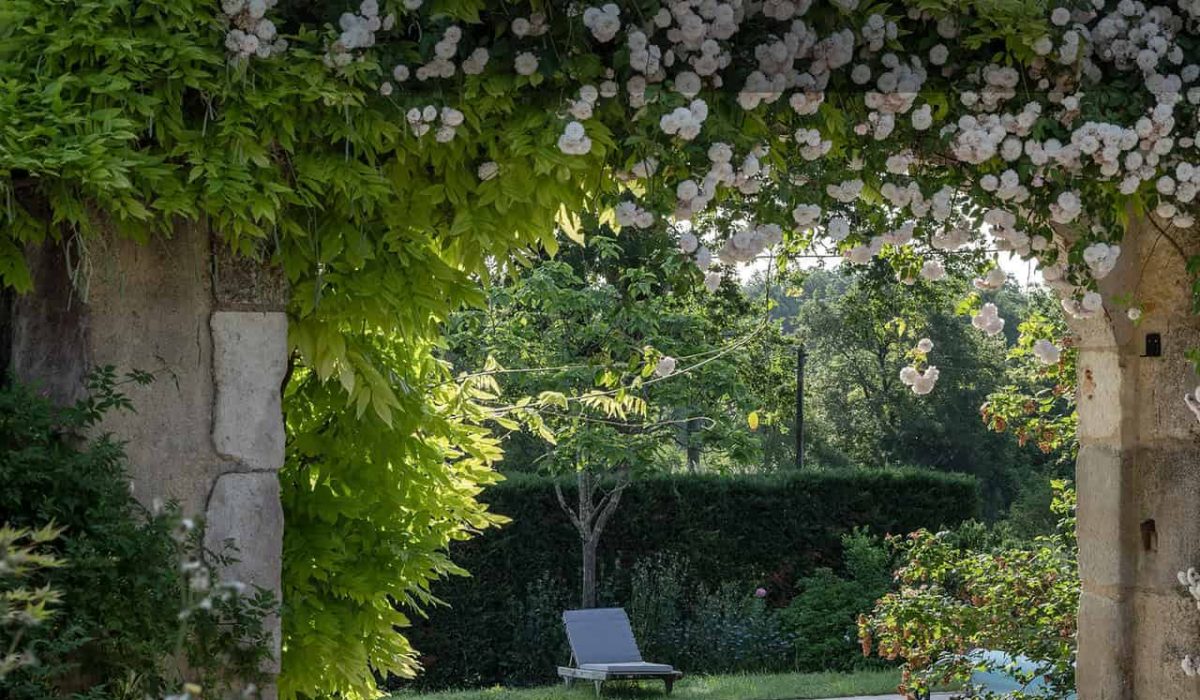
46.Are there any recurring issues with leaks, terrace movement, coping stones or the stone archway around the pool approach?

Surrounding masonry and hardscape repair can become expensive quickly.

47.Can you provide a clear boundary plan showing all access points, neighbouring plots, and any rights of way or servitudes affecting the land?

Rural access arrangements are not always obvious from a viewing.

48.Who currently maintains the garden and fruit trees, and is there any irrigation system or seasonal watering requirement?

Attractive mature gardens can still be labour-intensive and costly to keep in good order.

49.What fruit trees are on the land, and have any suffered disease, storm damage or poor productivity?

Established planting adds charm, but buyers should understand the upkeep reality.

Access, Neighbours and Day-to-Day Practicalities

50.Is the access road public or private, and who is responsible for maintenance if repairs are needed?

Private road obligations can create recurring shared costs or neighbour disputes.

51.Is the approach road straightforward for ordinary cars year-round, including wet weather and winter conditions?

Some charming hamlet settings are less practical than they first appear.

52.Is there dedicated on-site parking, and how many vehicles can be comfortably accommodated?

Parking practicality affects both full-time living and rental appeal.

53.What are the immediate neighbouring properties used for: permanent residences, second homes, agricultural uses or holiday lets?

The actual rhythm of a hamlet can differ substantially by season.

54.Are there any agricultural nuisances nearby such as spraying, machinery noise, livestock odours, hunting activity or early-morning working patterns?

Rural charm and rural reality are not always the same thing.

55.What amenities are realistically available within ten minutes, and how long do routine journeys to larger towns take in practice?

The convenience gap between brochure wording and daily life matters for long-term satisfaction.

Rental and Commercial Potential

56.Has the property ever been used for holiday letting, long lets, or owner-hosted accommodation?

Existing use history may reveal both demand and operational issues.

57.If the farmhouse were rented as a meublé de tourisme, what local registration steps would be required with the mairie?

Tourist rental activity in France is increasingly regulated and should be checked before any yield assumptions are made.

58.If the barn were converted into separate guest accommodation, would that accommodation need its own registration or separate compliance steps before tourist letting?

A second rental unit can trigger additional procedural and practical requirements.

59.Are there any local restrictions, declaration requirements or commune-level controls that would affect short-term rental use in this area?

National rules are only part of the picture; local implementation matters.

60.Can the seller or agent provide evidence of achievable rental income, occupancy and seasonality for comparable four-bedroom houses with pools in this micro-location?

Rural yield projections are often overstated unless backed by real comparables.

61.What is the realistic rental season here, and how much demand exists outside peak summer months?

The difference between a 6-week and a 16-week season has a major effect on net returns.

62.Would the current heating, hot water and insulation setup support comfortable shoulder-season or winter occupancy for paying guests?

Extended season use often depends on system quality rather than charm.

Negotiation Intelligence

Buyer Leverage

Medium-High

Key Drivers

Documentary gaps in the renovation record, including approvals, completion paperwork and guarantees.
Uncertainty over the barn's legal and planning status, which makes part of the property's narrative value contingent rather than bankable.
Risk-adjusted future spend on roof work, drainage, masonry, pool upkeep or compliance-led upgrades if documentation is patchy.
Sanitation position if the SPANC report reveals a non-compliant system.
Pool approval and tax declaration position if not fully documented.

Typical Negotiation Range

5-15% below asking

Neutral Phrasing Examples

"To assess the property properly and prepare a serious offer, I'd like to review the DDT, the DPE, the SPANC position if applicable, the renovation invoices and approvals, and the legal and planning status of the barn and pool, as those points will materially affect both value and future use."

Country Layer

France (Regulatory Context March 2026)

In France, the seller of a house must provide a Technical Diagnostic File, or DDT, grouping the relevant sale diagnostics. For a detached house this can include the DPE, lead, asbestos, electricity and gas reports where relevant, the status of any non-collective sanitation installation, termite information where the property is in a designated area, and the natural, mining and technological risk statement. For an older rural property, the sanitation and risk documentation are often especially important.

The DPE is mandatory for sale, must be carried out by a certified diagnoser, and must be included in the DDT given to the buyer. Since 1 January 2026, France has modified the electricity final-to-primary energy conversion factor from 2.3 to 1.9. DPEs carried out from that date automatically incorporate the new coefficient, while earlier DPEs remain valid but may in some cases be updated. That matters here because a Class C result may be partly influenced by the heating setup and the date of the certificate.
If the property is on non-collective sanitation rather than mains drainage, the seller must contact the commune's SPANC service for inspection arrangements, and the ANC status forms part of the sale documentation. For buyers, this is critical because a non-compliant system can become a short-to-medium term capital expense after purchase.
For works and future projects, French planning law distinguishes between a déclaration préalable and a permis de construire depending on the scale and nature of the works. Change of destination without structural or façade modification may fall under a declaration préalable, while change of destination with structural or façade changes typically requires a full permit. That is directly relevant to the barn: its conversion path depends not just on ambition, but on its current legal status and the extent of works proposed. External changes such as certain window replacements, some pool works, and in some cases external air-conditioning or heat-pump units can also require prior authorisation.
On tourist rental use, France has tightened the regulatory framework. Declaration with the mairie remains important, and by May 2026 tourist-furnished rentals are set to move into a nationwide registration framework through a dedicated online service. In addition, for newly offered furnished tourist accommodation in relevant areas subject to authorisation of change of use, metropolitan France applies minimum DPE thresholds of A to E through 31 December 2033, then A to D from 1 January 2034. Even in a rural area where local pressure may be lower than in major cities, a buyer should still verify commune-level registration practice and the exact position for any future separate barn accommodation.

Viewing Strategy

Start outside and treat the viewing as two separate inspections: the house you are buying today, and the potential you may be paying for tomorrow.

Walk the boundaries first. Look at the relationship between house, barn, pool, access road and neighbouring land. Check whether the site layout feels legally neat and practically coherent, or whether some areas appear informally used.
At the farmhouse, pay particular attention to moisture. Look behind furniture if possible, inspect lower wall edges, corners, ceilings below bathrooms, and the rooms opening directly to the pool terrace. In a stone property, ask yourself whether the house feels dry, ventilated and stable rather than merely freshly styled.
Open and close windows and French doors. Check whether replacement joinery looks professionally fitted and consistent across the house.
At the barn, do not be distracted by romance. Look at ridge lines, roof sag, daylight through the roof, base-of-wall damp, floor level changes, timber condition, evidence of insect activity, and whether service connections are actually nearby. Ask yourself how much of the conversion dream already exists in practical terms.
At the pool, check the condition of the surrounding terrace, coping, filtration setup, plant room if any, and the route water takes away from the house. Also inspect the archway and adjacent masonry for movement or patch repairs.
Drive in and out of the hamlet if possible. Test phone signal. Ask about winter practicality, bin collection, deliveries and neighbour rhythm.

Next Step

Verify from the listing:

Barn legal status and real conversion potential
Confirm whether the barn is fully included in title, how it is classified in planning and cadastral records, and what authorisations would actually be needed before treating it as a future gîte, studio or guest space.

Renovation approvals, invoices and guarantees
Request the paperwork for the farmhouse upgrades, including windows, heat pump, air conditioning, water systems and any structural works, so you can distinguish a well-documented renovation from an attractive but only partially evidenced one.

Pool permission, safety and tax declaration
Check whether the pool was properly authorised, whether the current safety system is compliant, and whether it was declared after completion for local tax purposes.

Drainage and sanitation position
Establish whether the property is on mains drainage or non-collective sanitation, and obtain the latest SPANC report if relevant, as this can quickly become one of the first meaningful post-purchase costs.

DPE detail behind the Class C rating
Obtain the full DPE and actual utility bills so you can see whether the energy rating is supported by the building fabric and systems, and whether the heating setup genuinely suits year-round use or rental plans.

A prepared buyer should approach the agent calmly and frame questions as due diligence.

Because this is a property where the legal, structural and regulatory context matters, run it through one of the property tools before contacting the agent. Use the Property Risk Assessment to pressure-test the barn, pool, drainage and documentation risks, or the Rental Yield Calculator once the rental and registration position has been properly verified.

Disclaimer: The Property Drop is buyer-focused intelligence, zero sales agenda. We curate exceptional properties, in southern Europe, from third-party agents and arm you with decision tools. No commission, no transactions, no agent partnerships, no skin in the game beyond helping you choose wisely. Information stays accurate until it doesn't (properties sell, prices shift, markets move). Everything here is shared for informational purposes only and should not be treated as legal, financial, or investment advice. Images belong to original agents. Read our Terms of Service to learn more.

IMPORTANT REMINDER: When contacting property agents featured on The Property Drop, you are entering into direct communication with third parties. It's recommended that you verify all property details independently, conduct thorough due diligence, engage qualified professionals (solicitors, surveyors, financial advisors), understand your rights and obligations under local property laws, and never send money or make commitments without proper legal protection.

Previous
Previous

The Buyer Playbook: 1-Bed Renovated Villa with Pool Near Castle, Alcácer do Sal, Portugal, €400,000

Next
Next

The Buyer Playbook: 3-Bed Historic Palazzo with 2 Independent Units, Fasano, Italy, €325,000