
The Buyer Playbook: 2-Bed Salento House with Barrel Vaults and Mezzanine, Montesardo, Italy €120,000


Buyer Playbook
Pre-Viewing Intelligence Report
This independent buyer guidance report relates to this specific property located in Italy. It is provided for informational purposes only and does not constitute legal, tax, structural or survey advice. Planning permissions, agibilità, cadastral conformity, heritage constraints, tourist-rental compliance, title position, courtyard rights, mezzanine status, utility arrangements, and any shared-access or neighbour-related matters must always be verified with qualified Italian professionals such as a notaio, geometra, architetto, ingegnere, surveyor or licensed property consultant, and with the relevant municipal authorities. This report is designed to help buyers evaluate the property before arranging a viewing or making an offer. It highlights due diligence issues and targeted questions to ask the agent. The analysis is based on the listing details and publicly available regulatory context at the time of writing, and follows the fixed Buyer Playbook structure used for The Property Drop.
Playbook Contents
Property Snapshot
Location
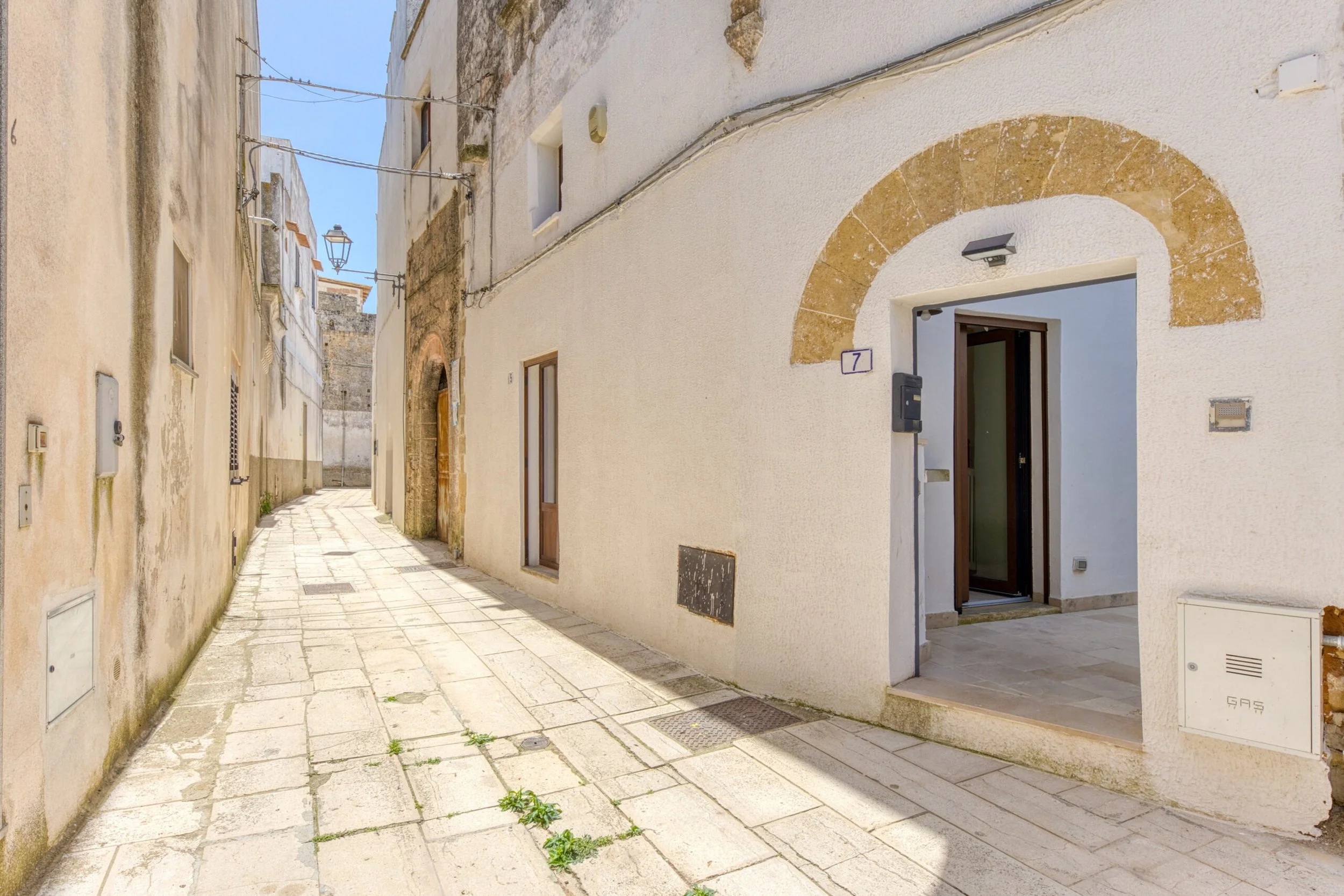
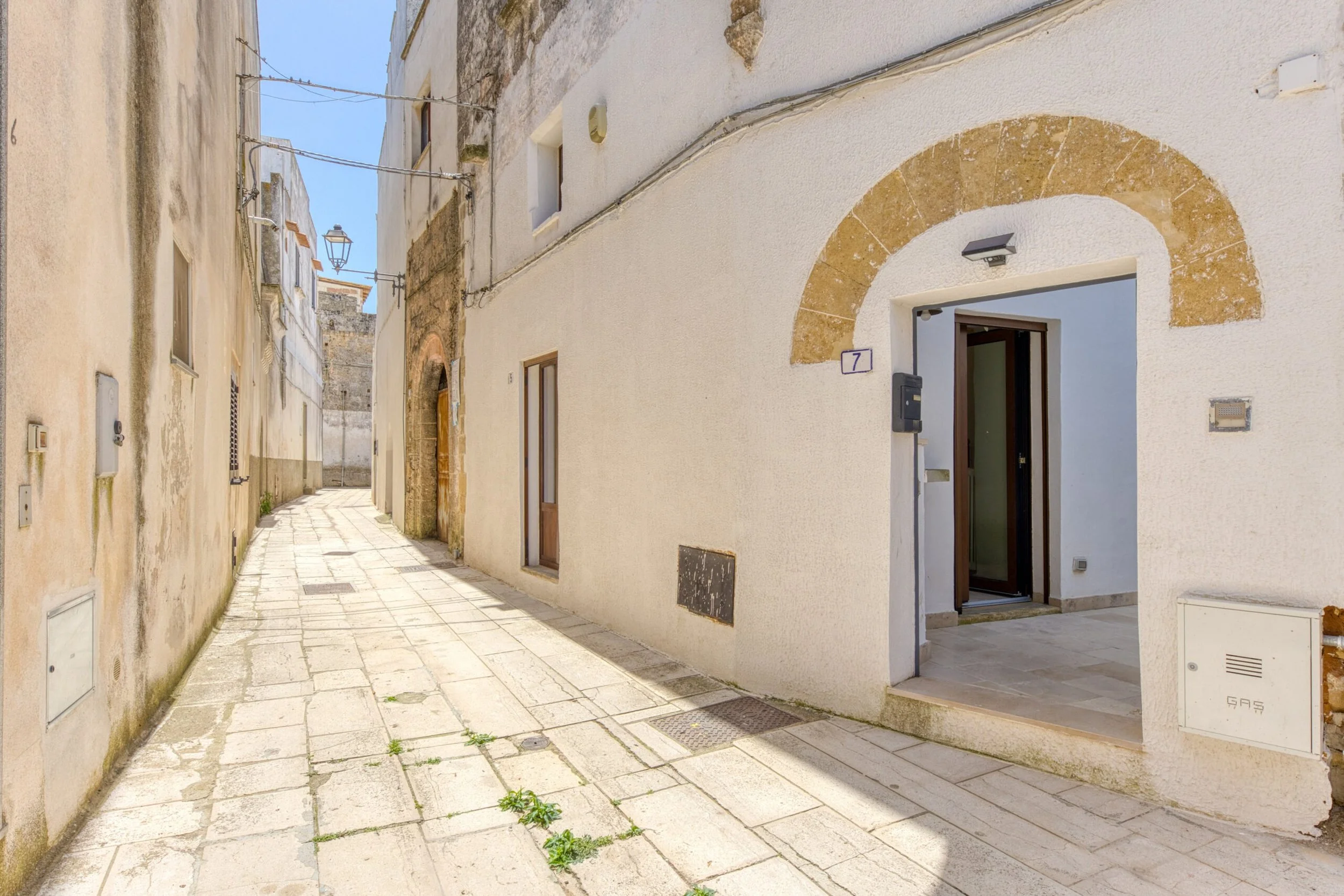
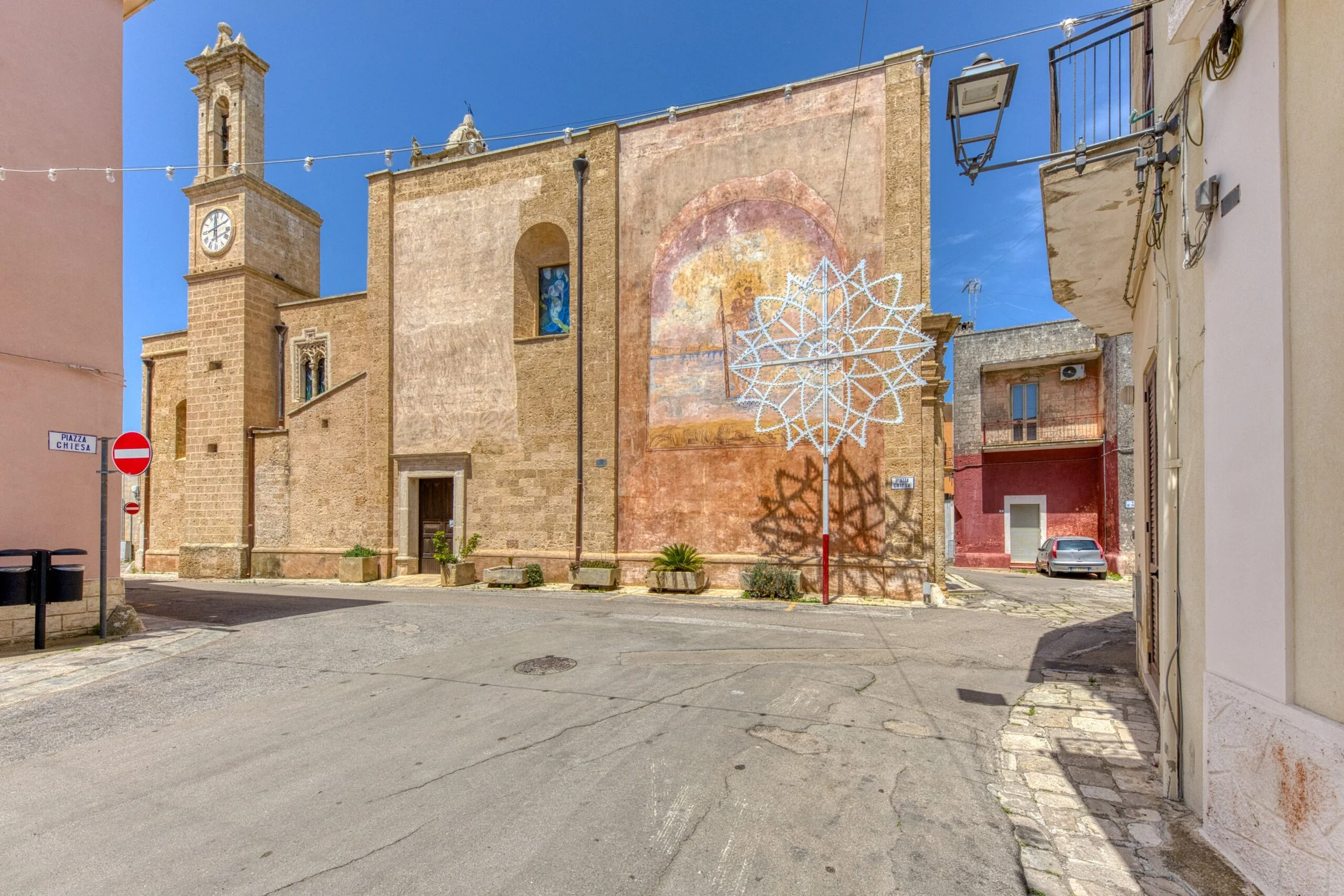
Montesardo, Puglia, Italy, in the historic centre near the ancient Messapian walls.
Property type
Detached Salento stone house.
Asking price
€120,000.
Bedrooms
2.
Bathrooms
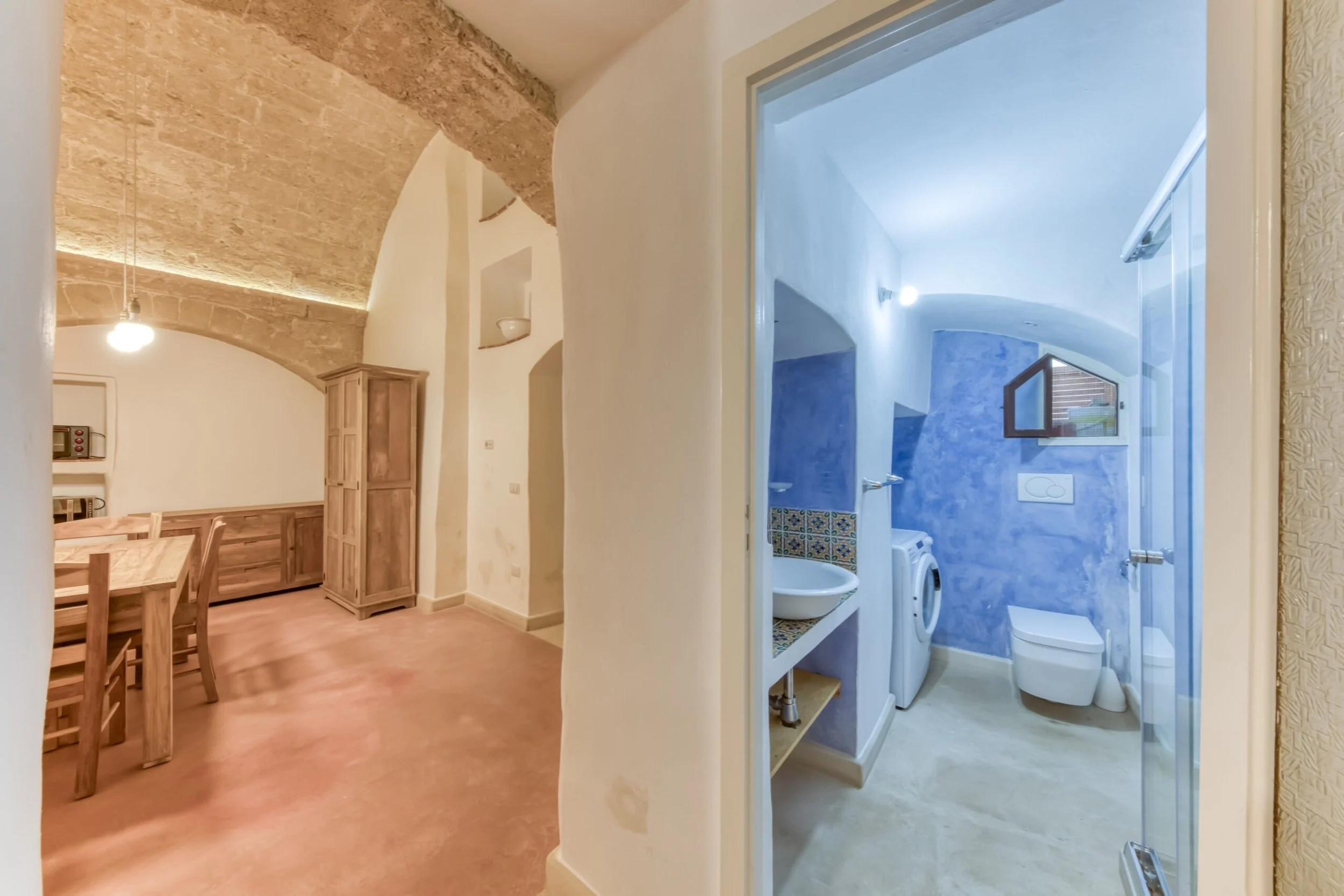
1.
Internal area
90 m² living space.
Energy rating
Class E.
Layout
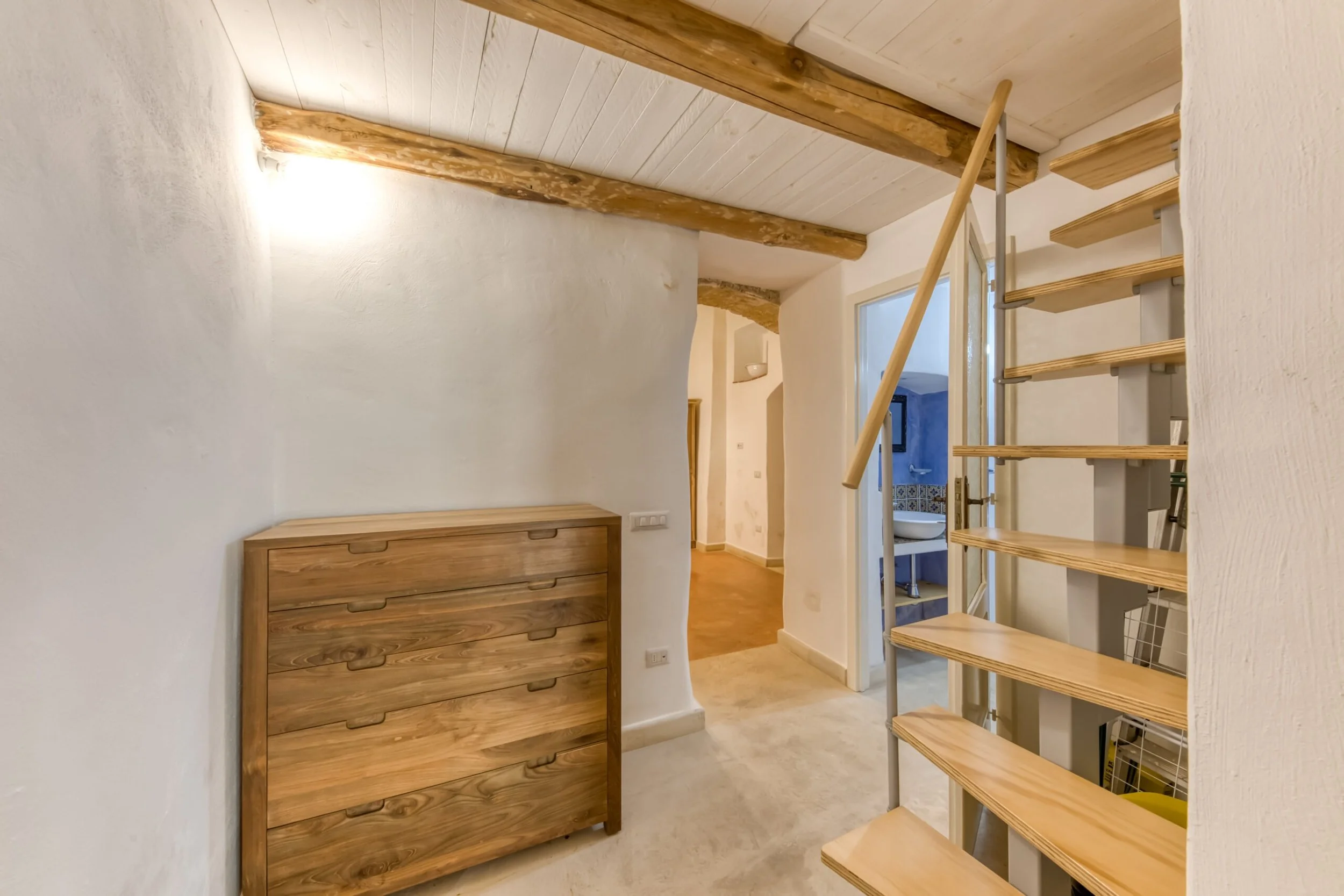
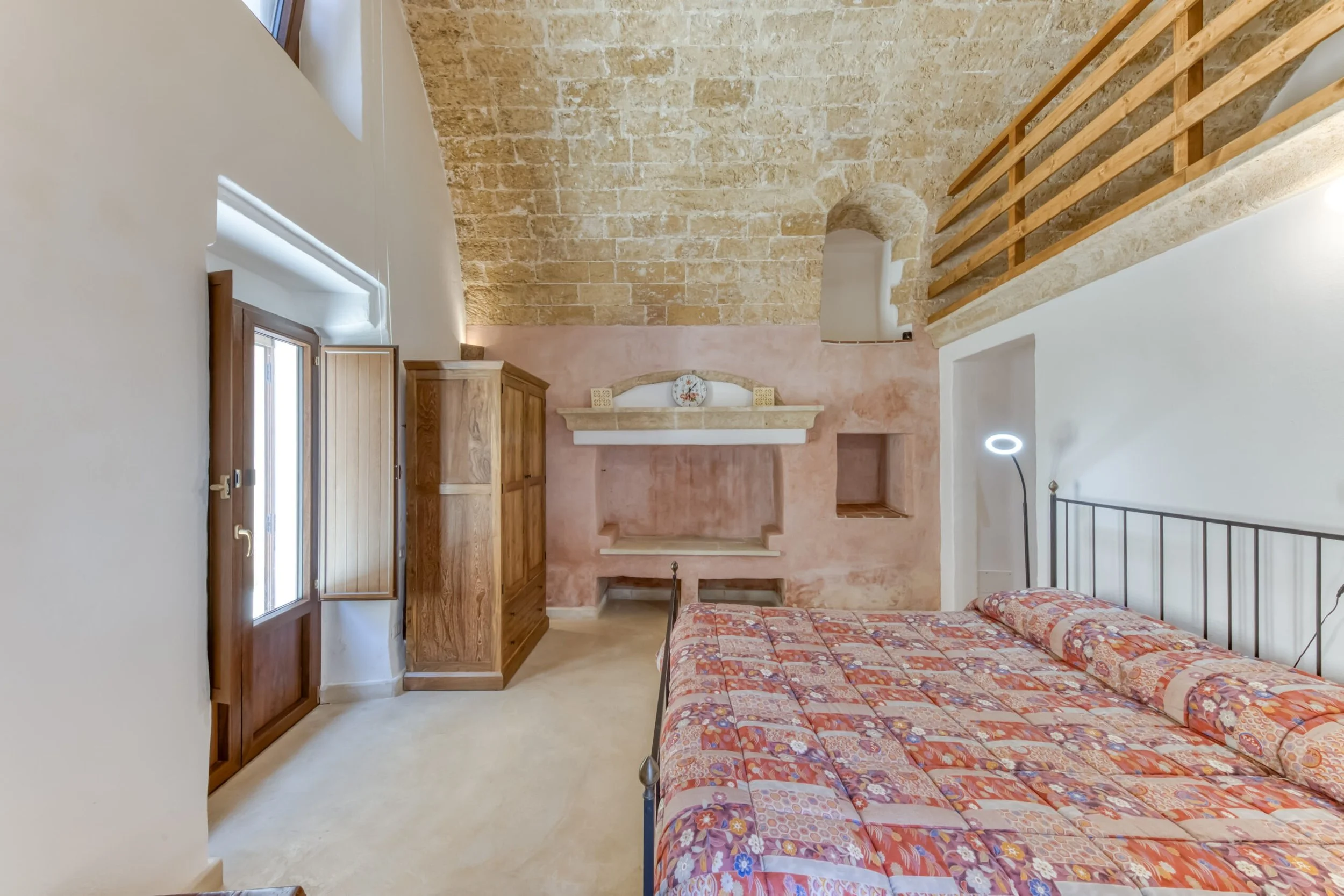
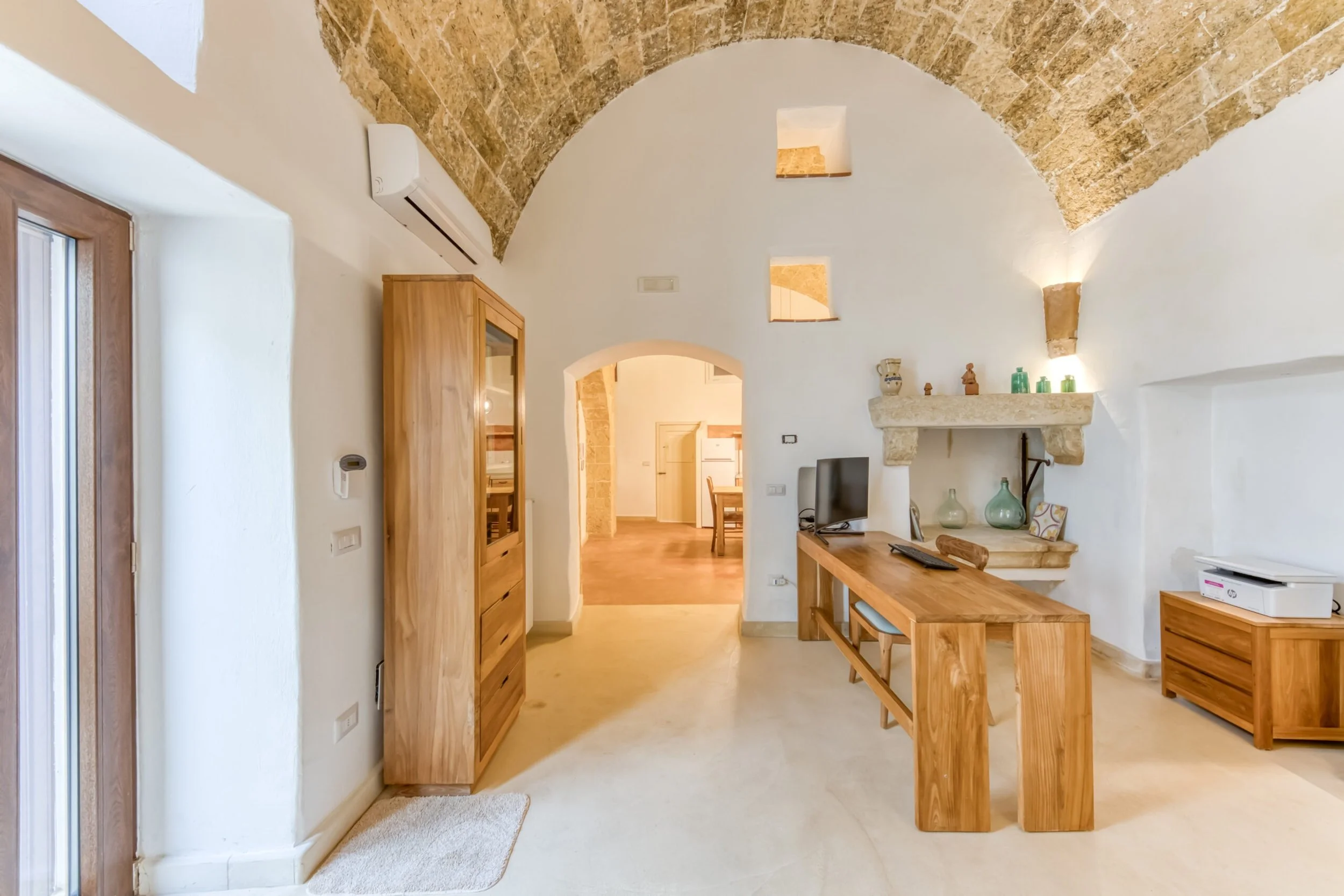
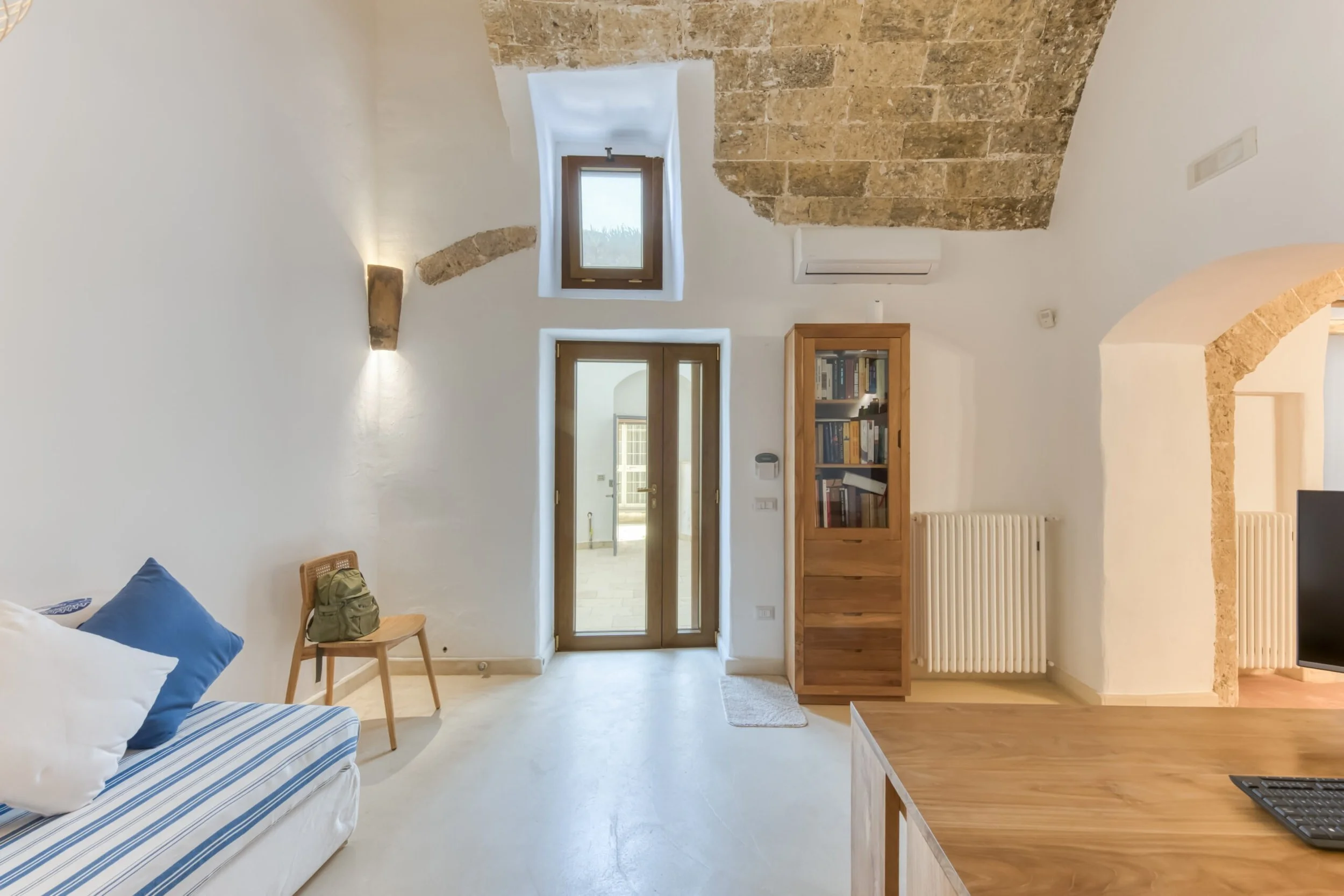
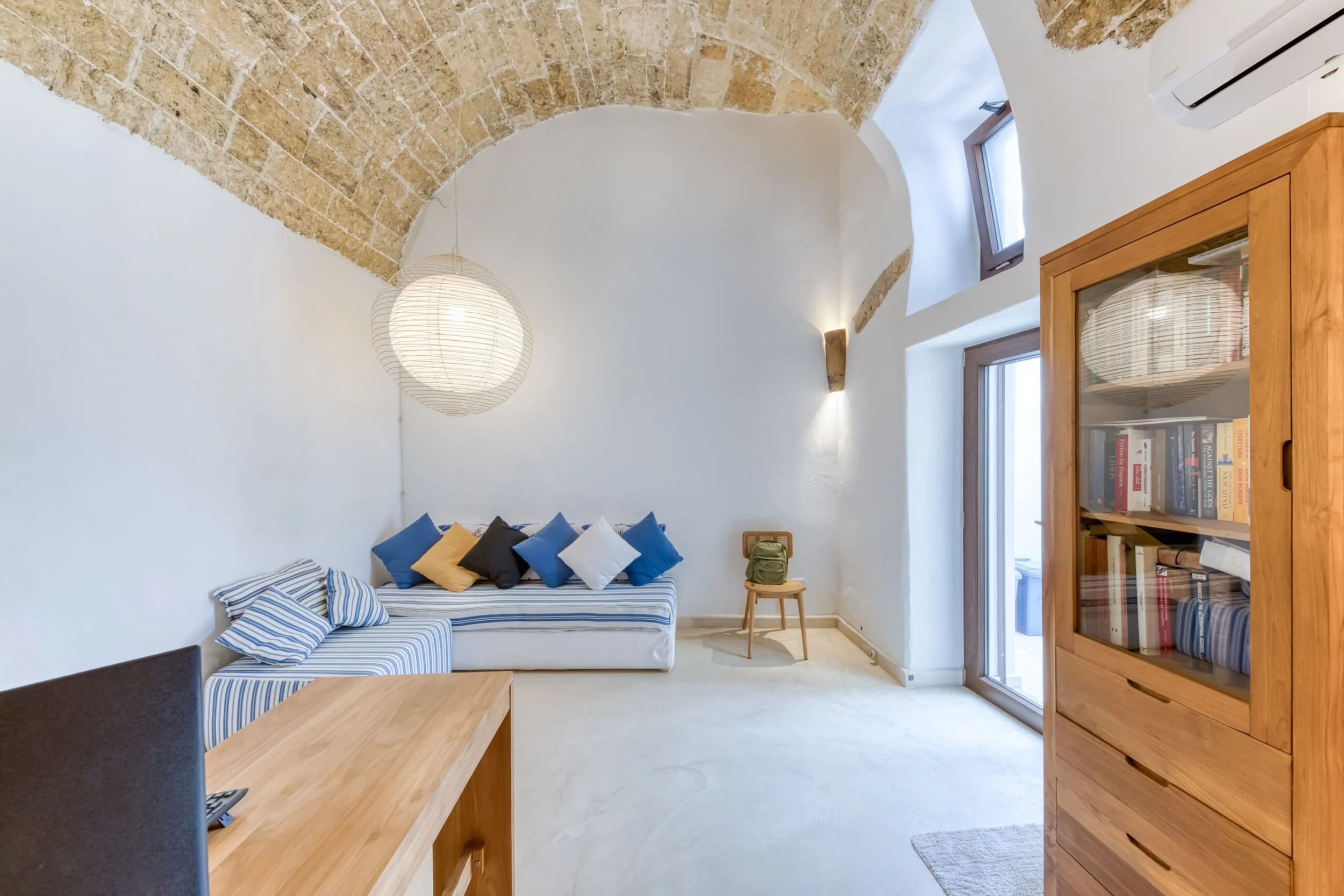
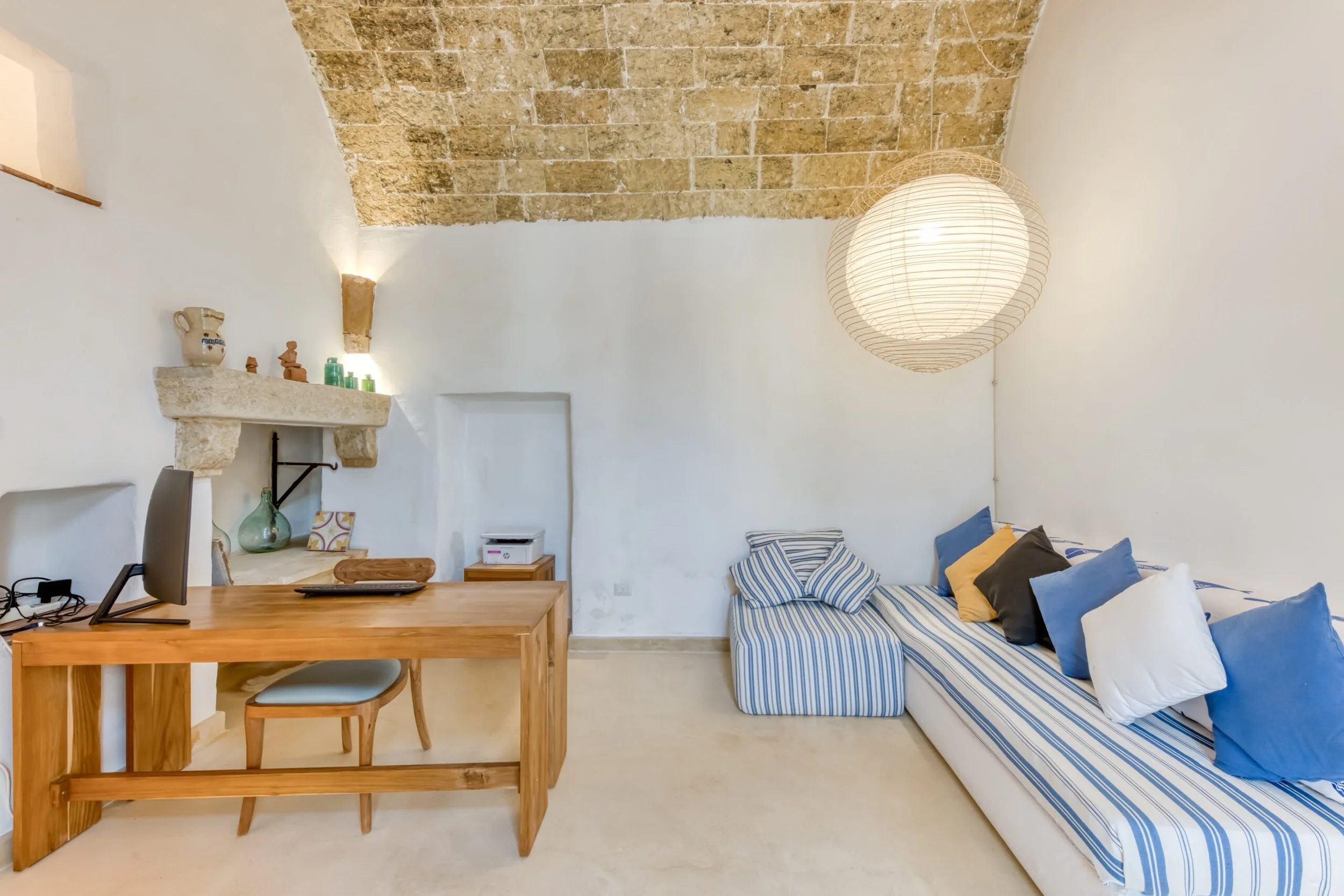
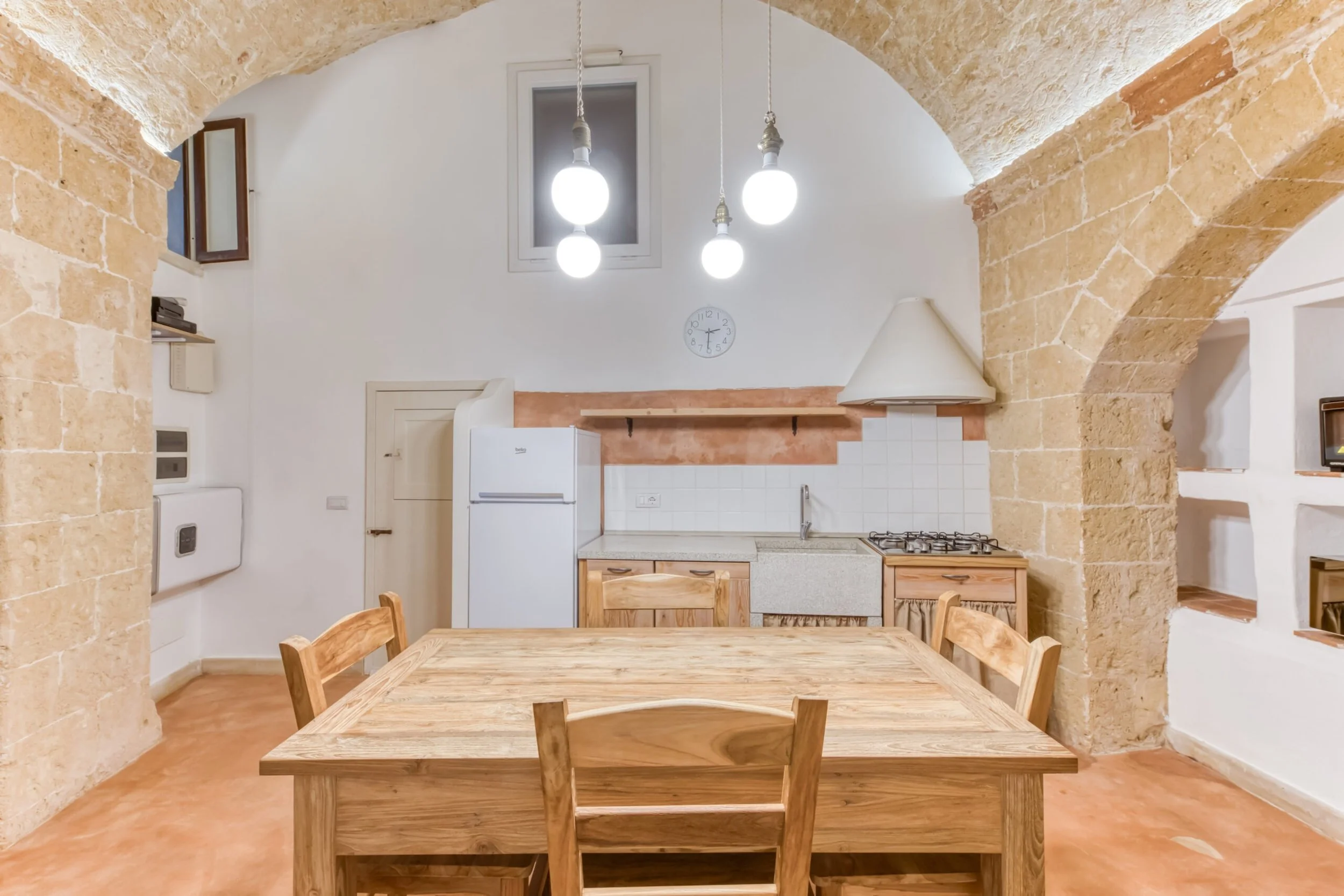
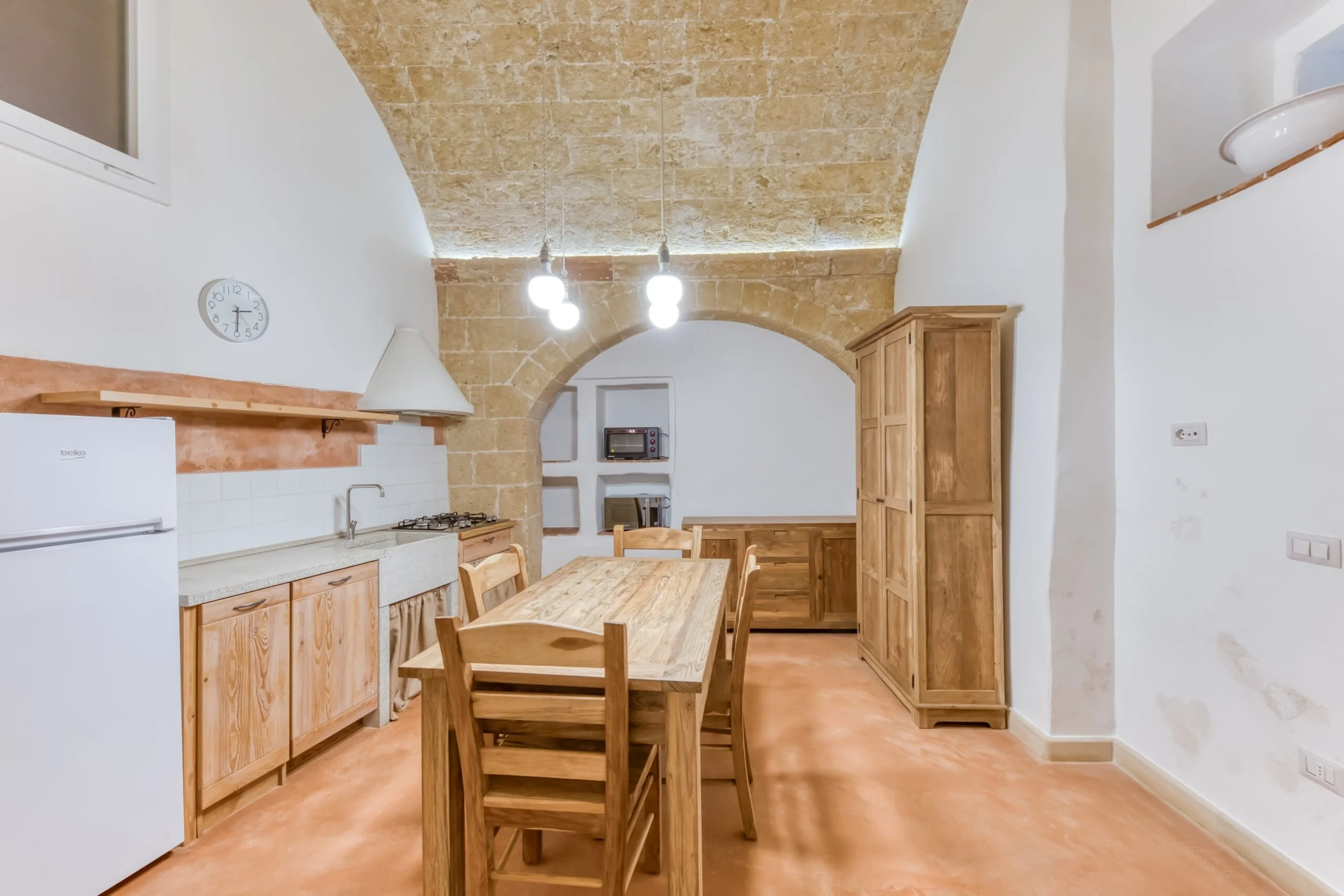
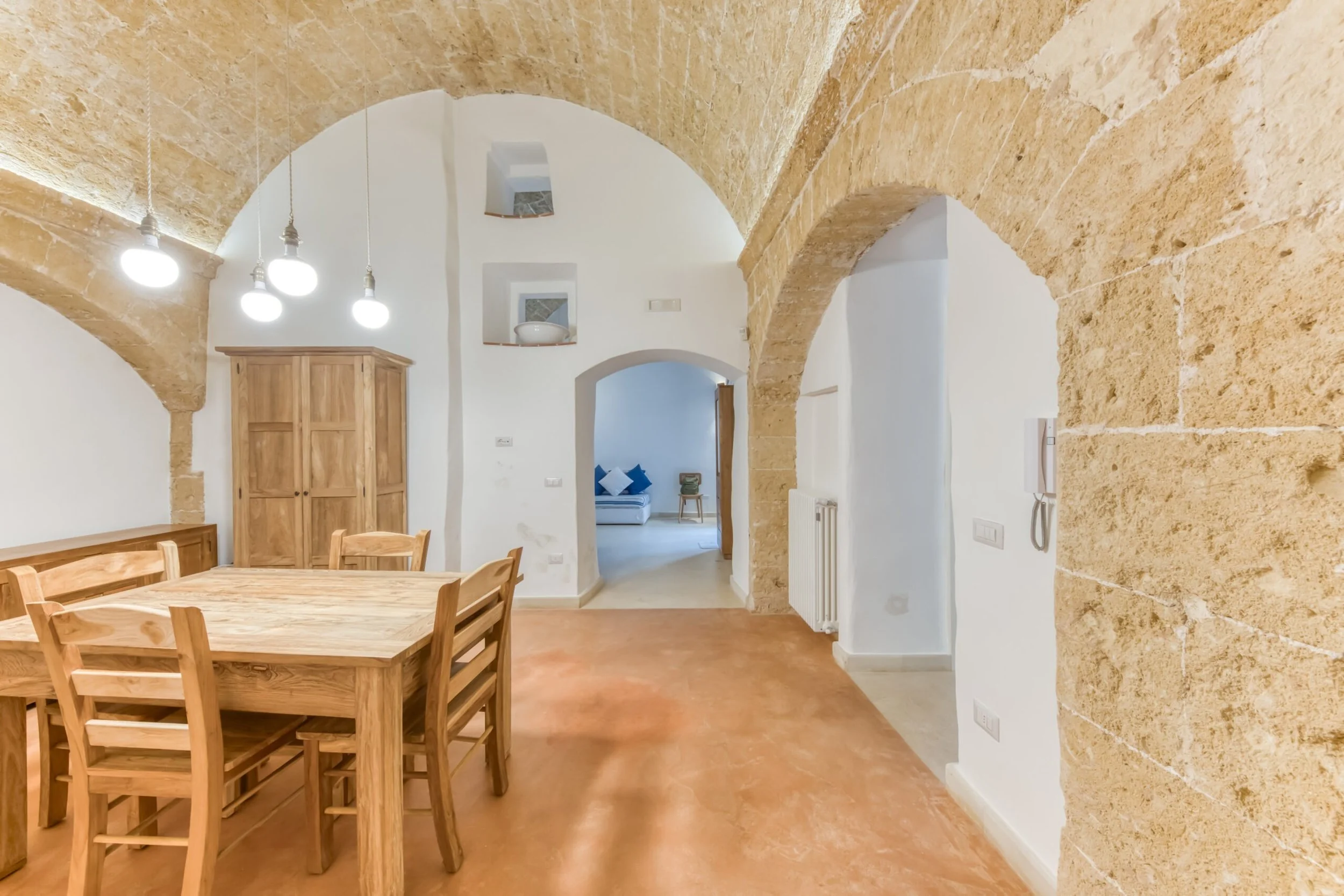
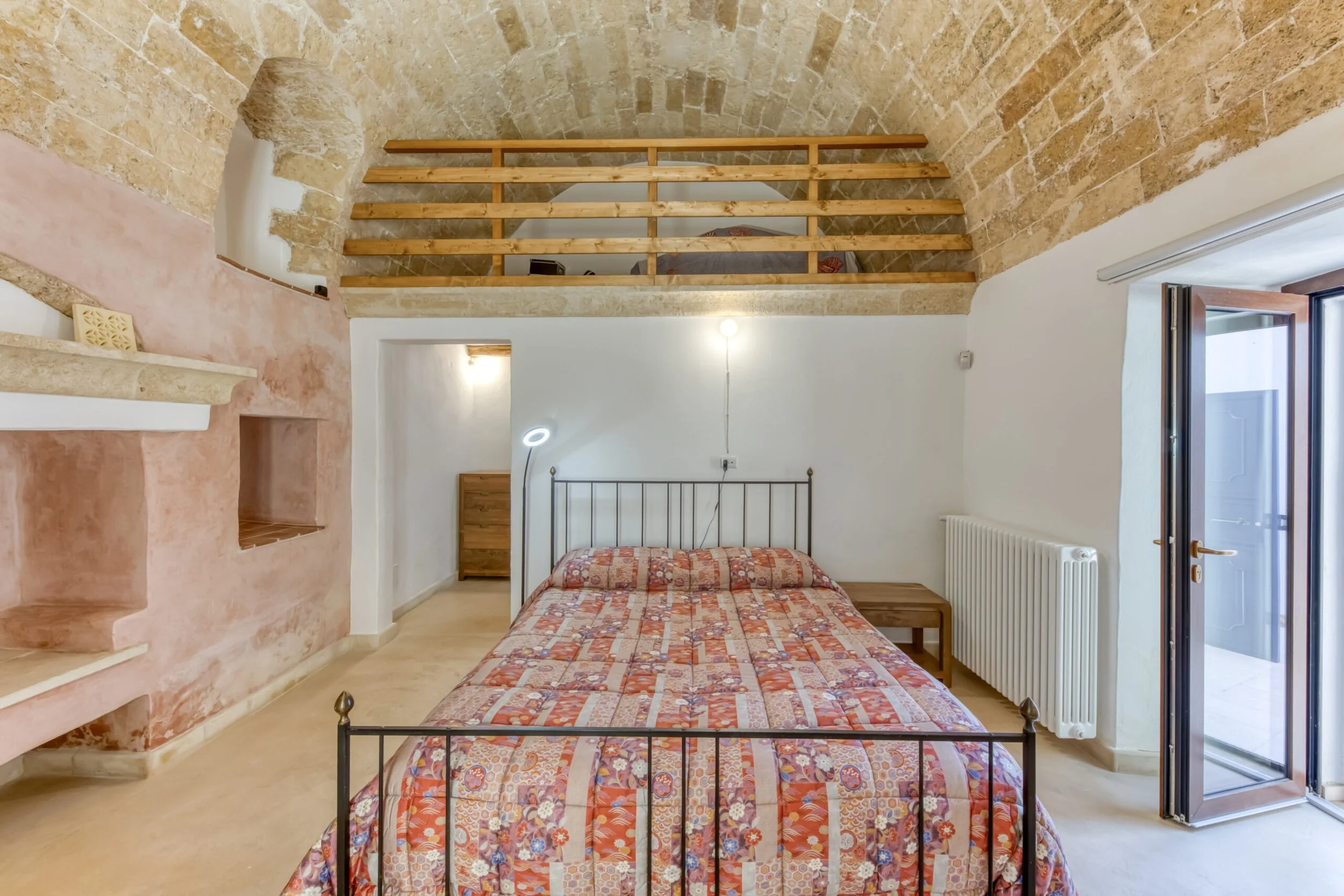
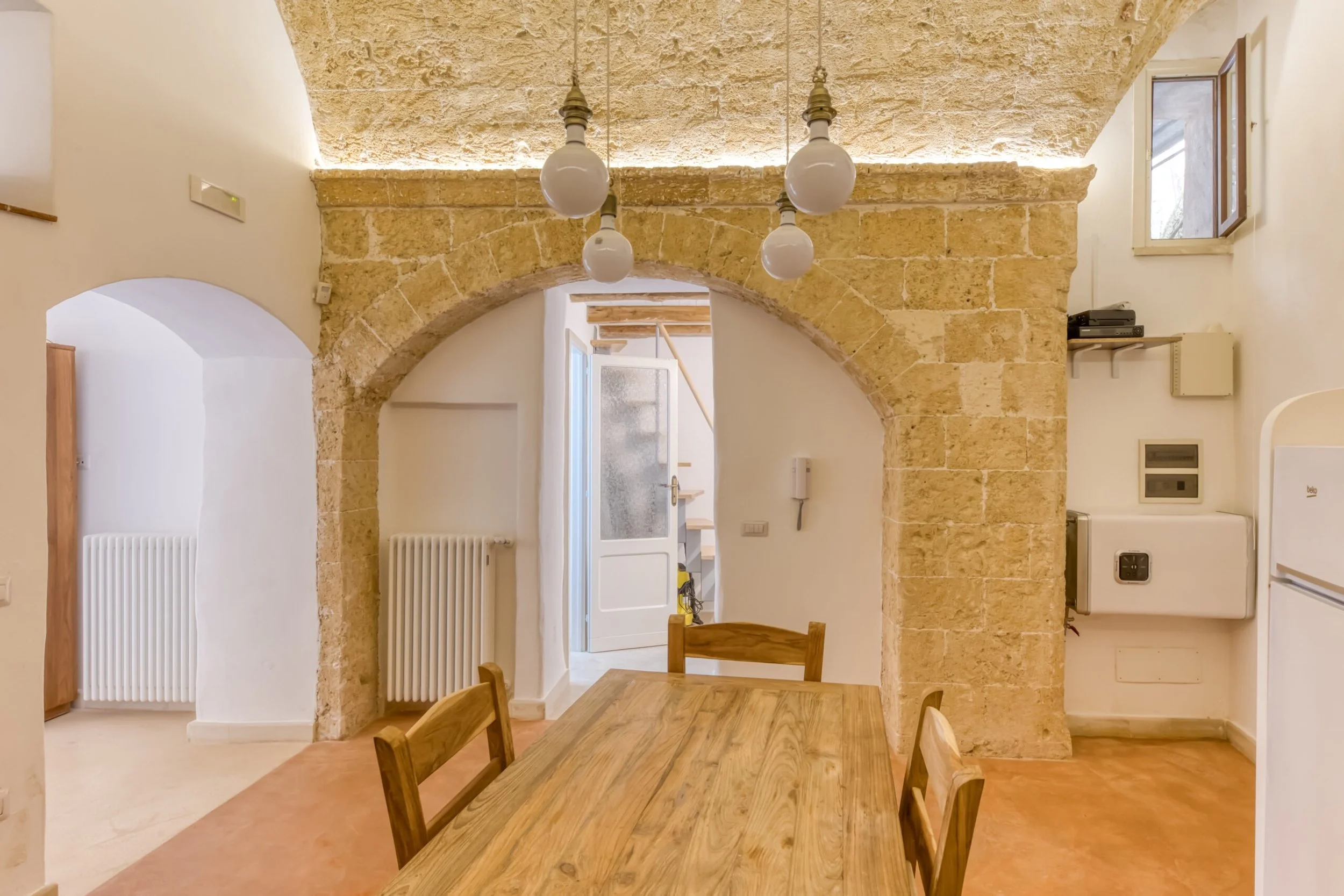
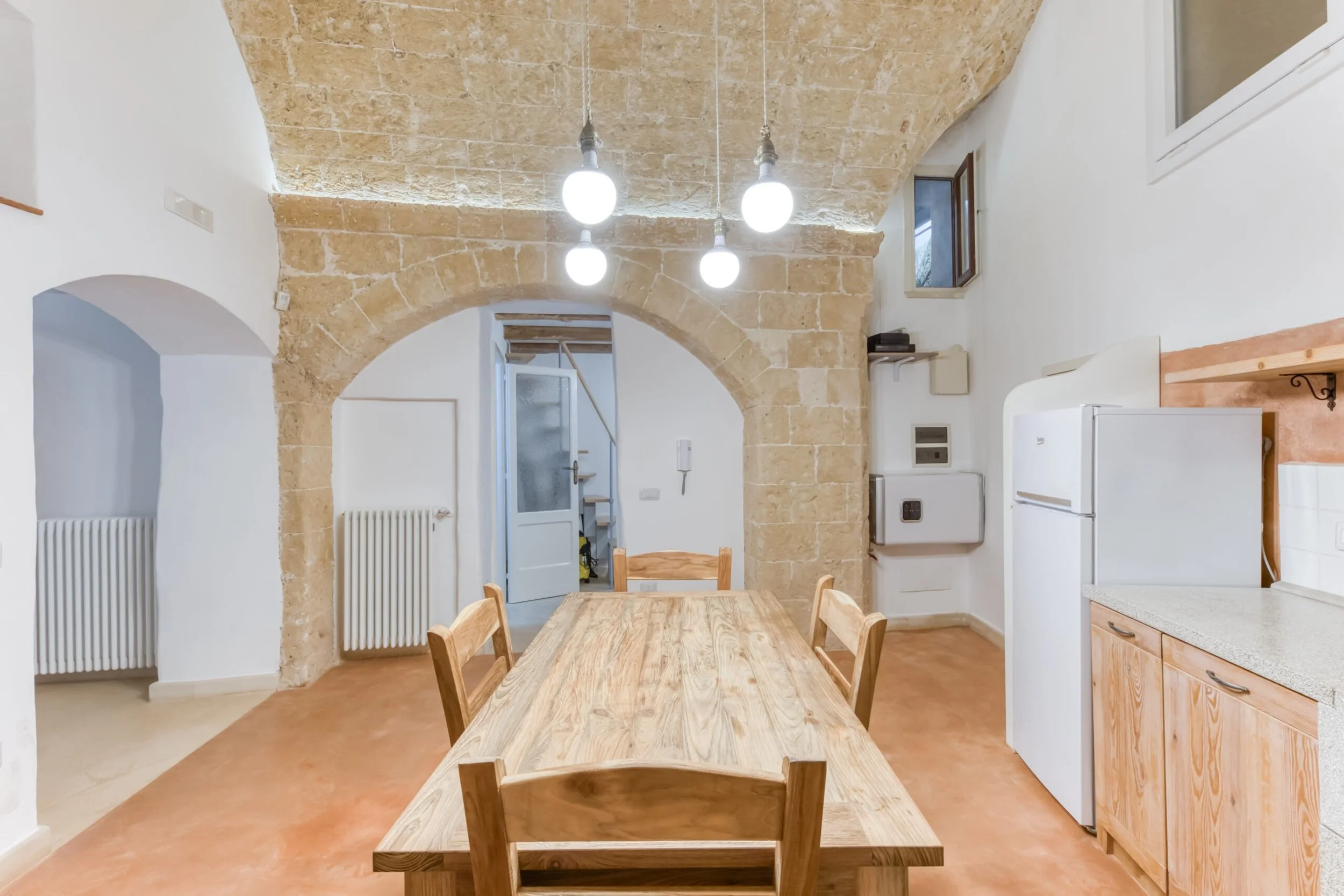
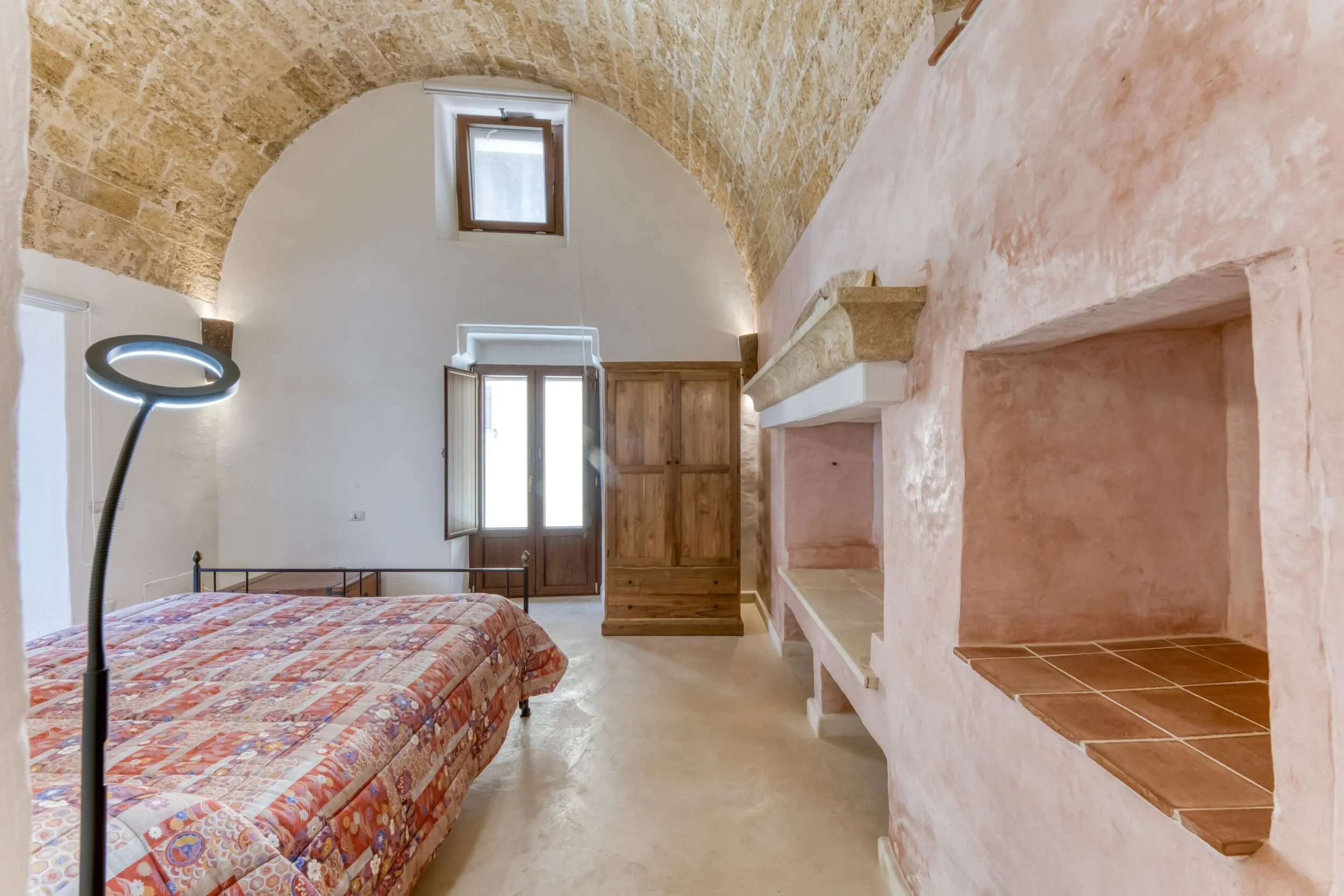
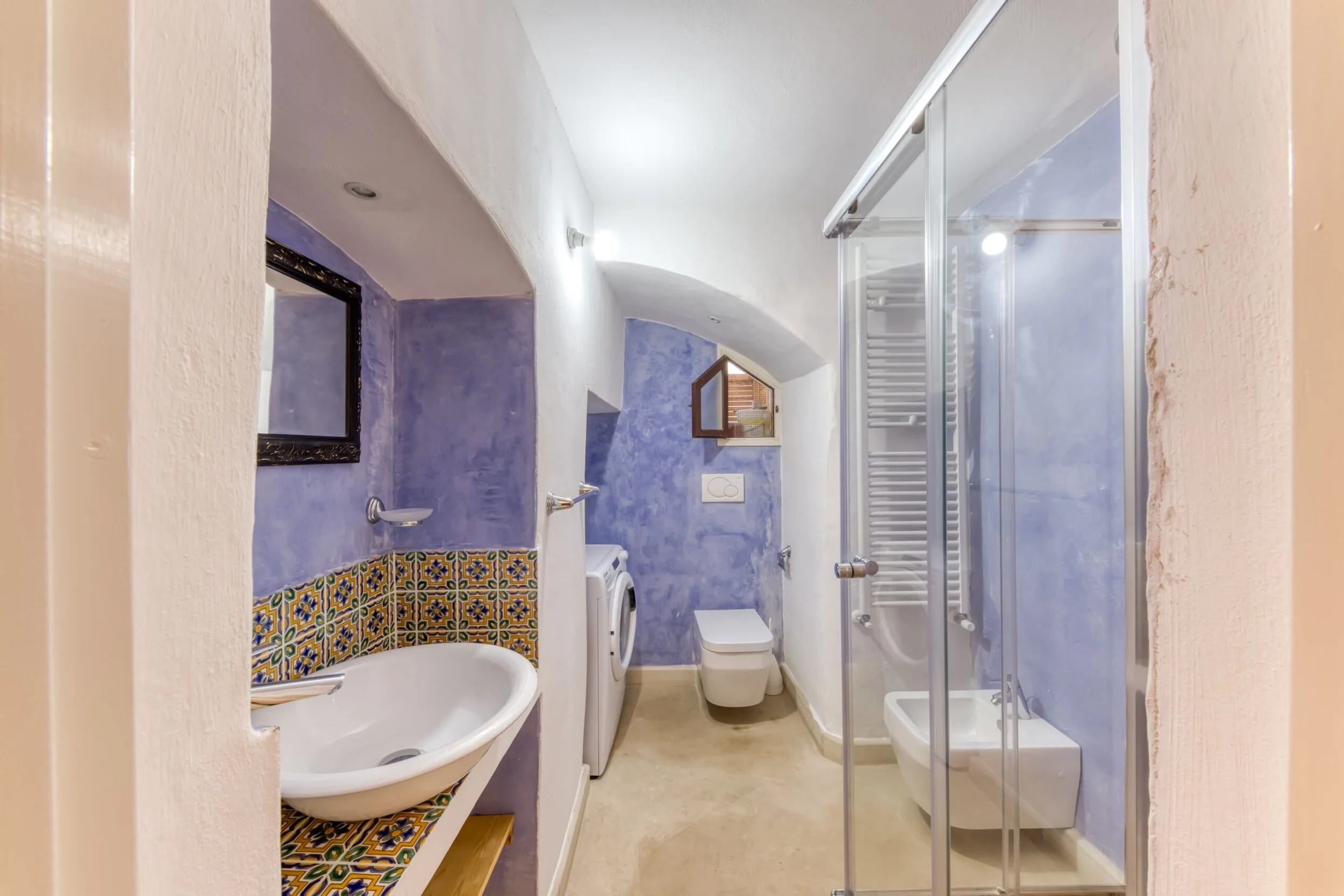
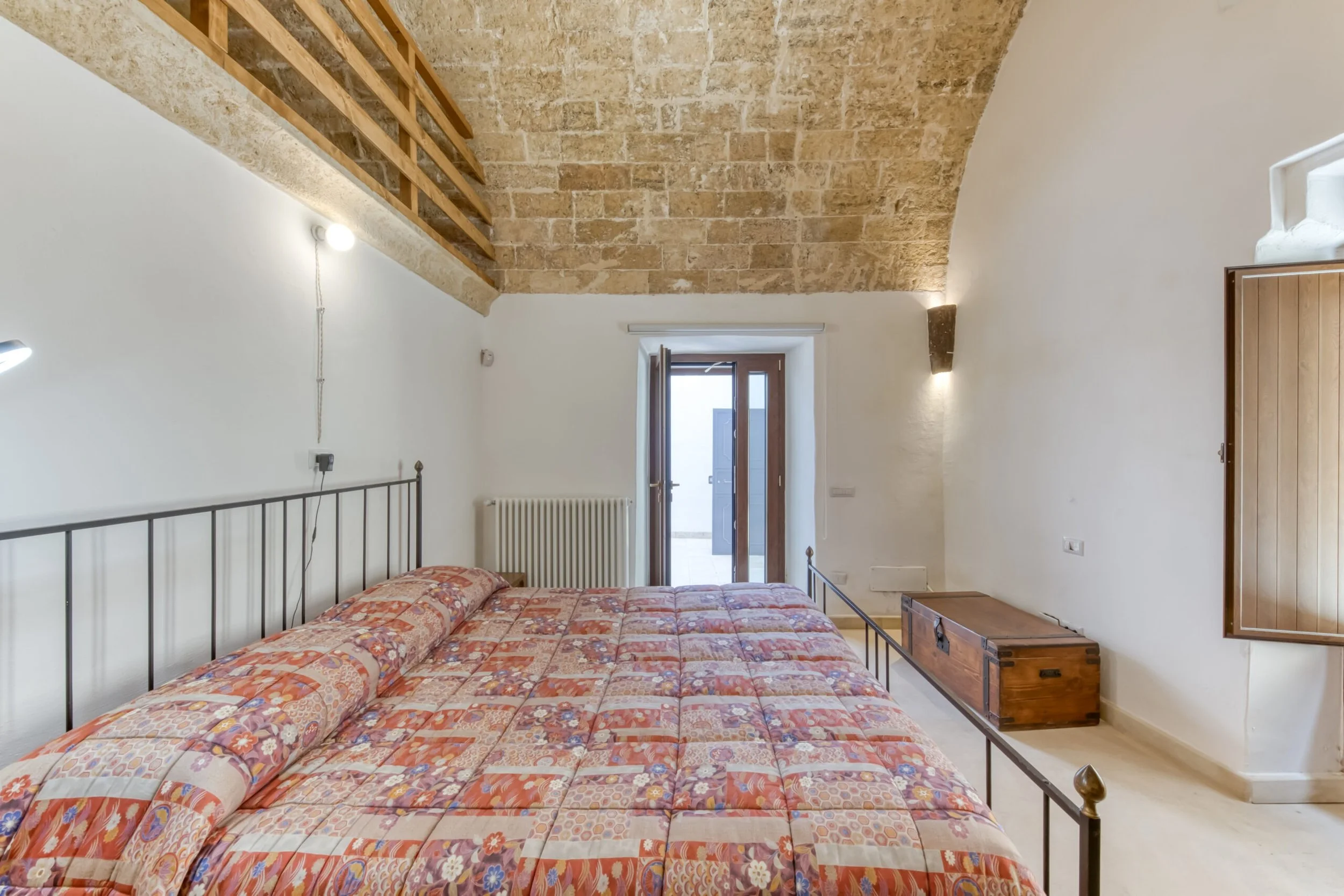
Ground-floor living room with sitting area and office corner, second room used as dining room with kitchenette, upstairs double bedroom with mezzanine, bathroom and hallway.
Heritage features
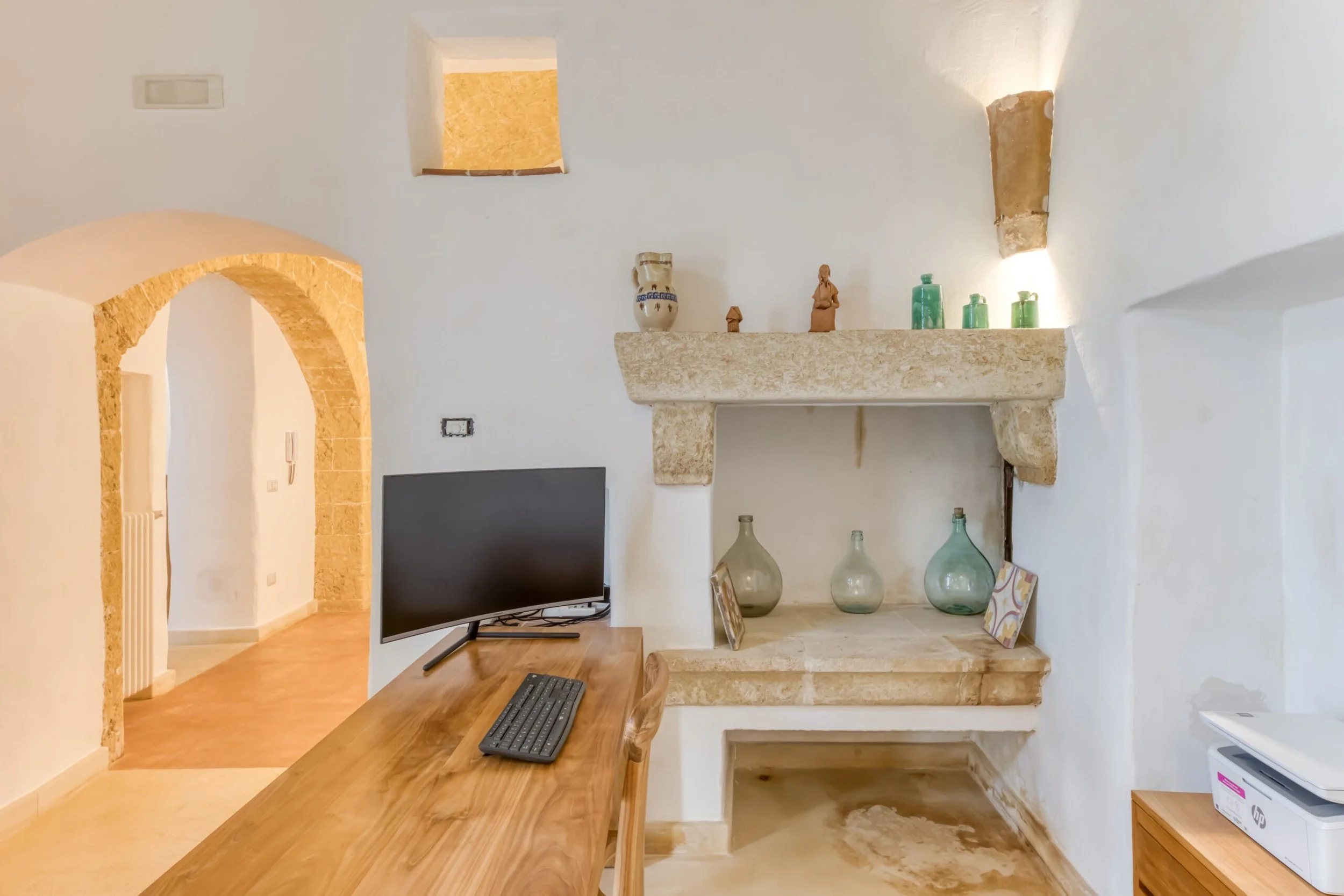
Restored stone barrel vaults, authentic period fireplace, ancient niches uncovered during renovation, cocciopesto terracotta floors.
Systems noted
Heat-pump cooling, methane heating with steel radiators, smart-working cabling, alarm system, auxiliary water pump for summer.
Additional feature
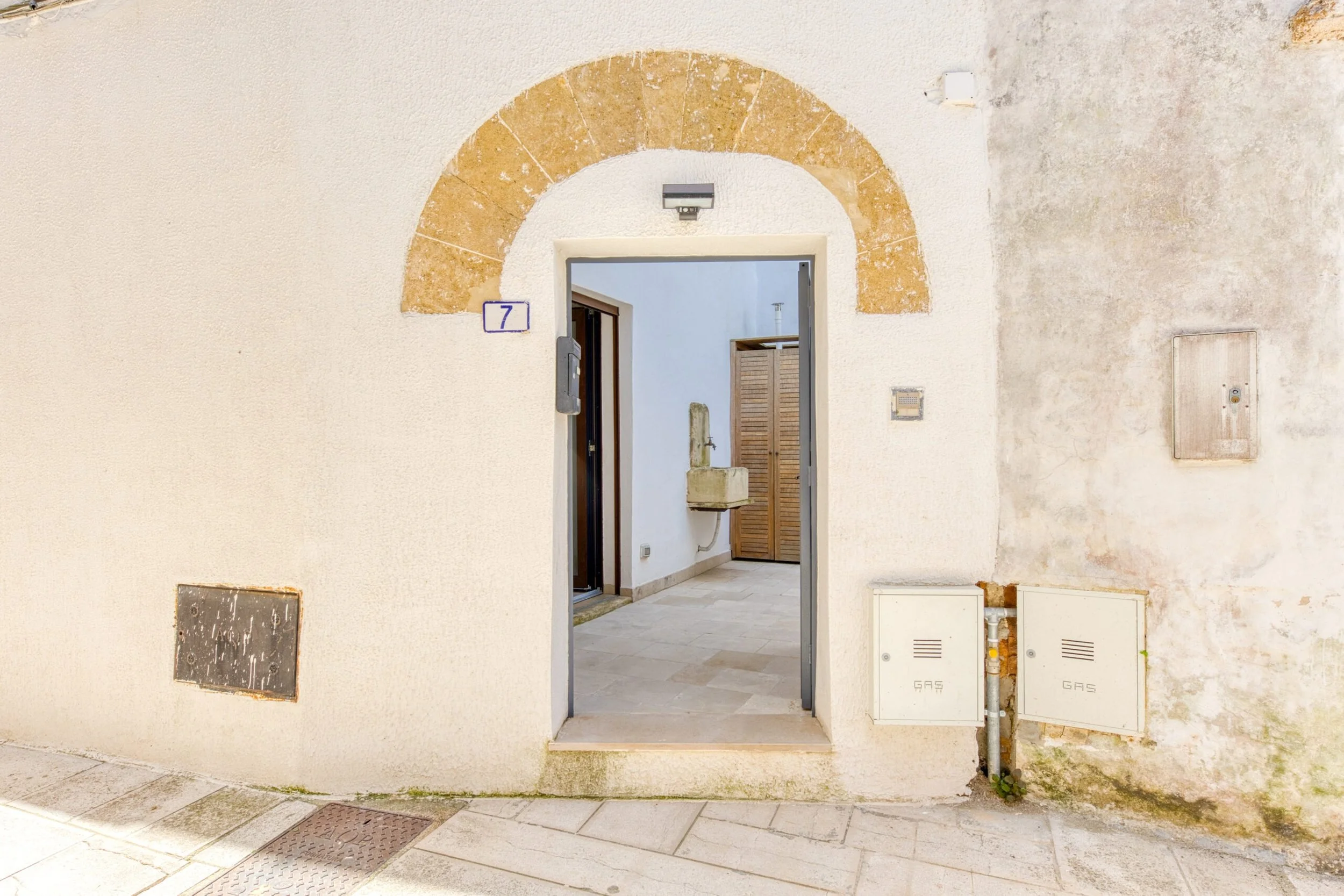
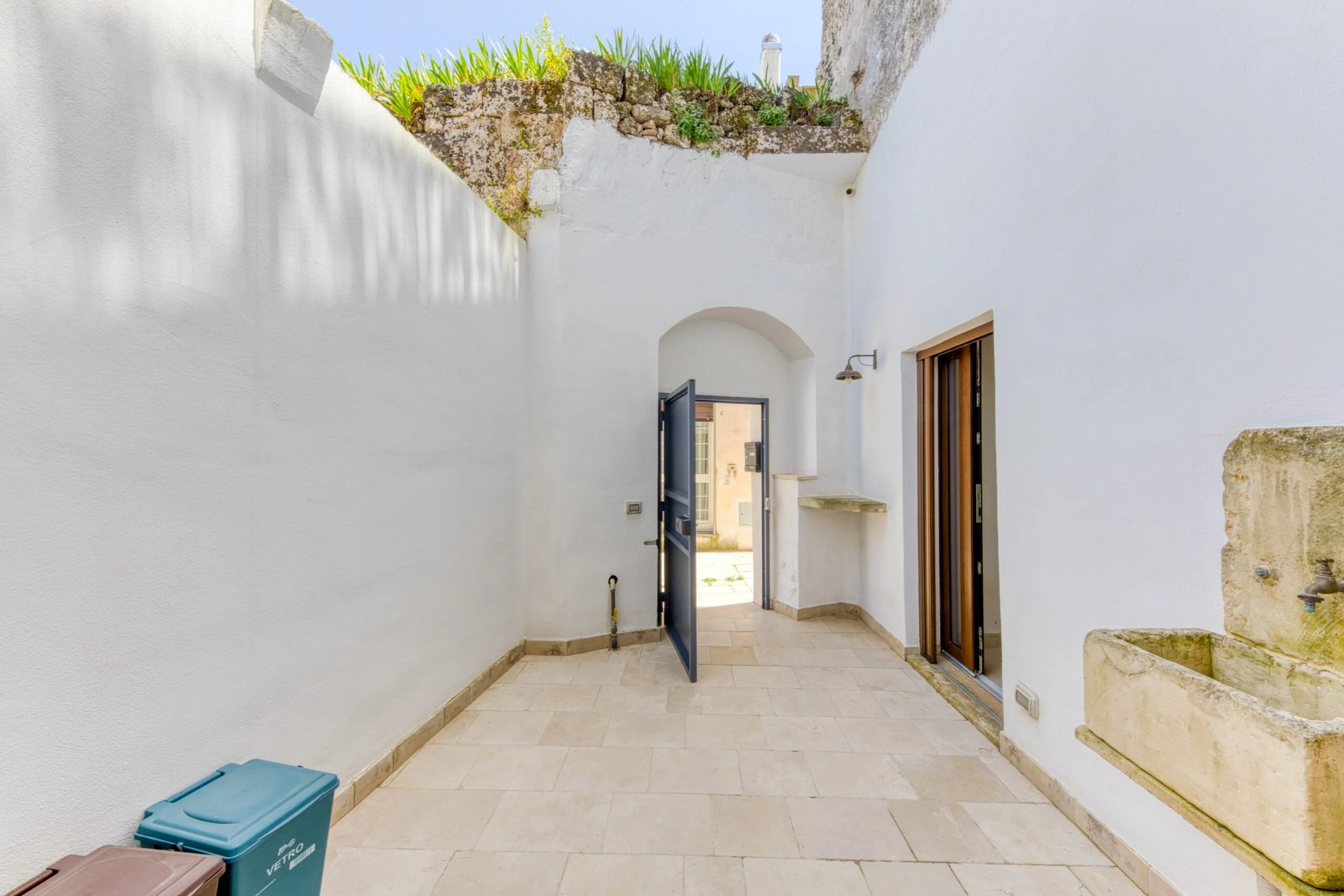
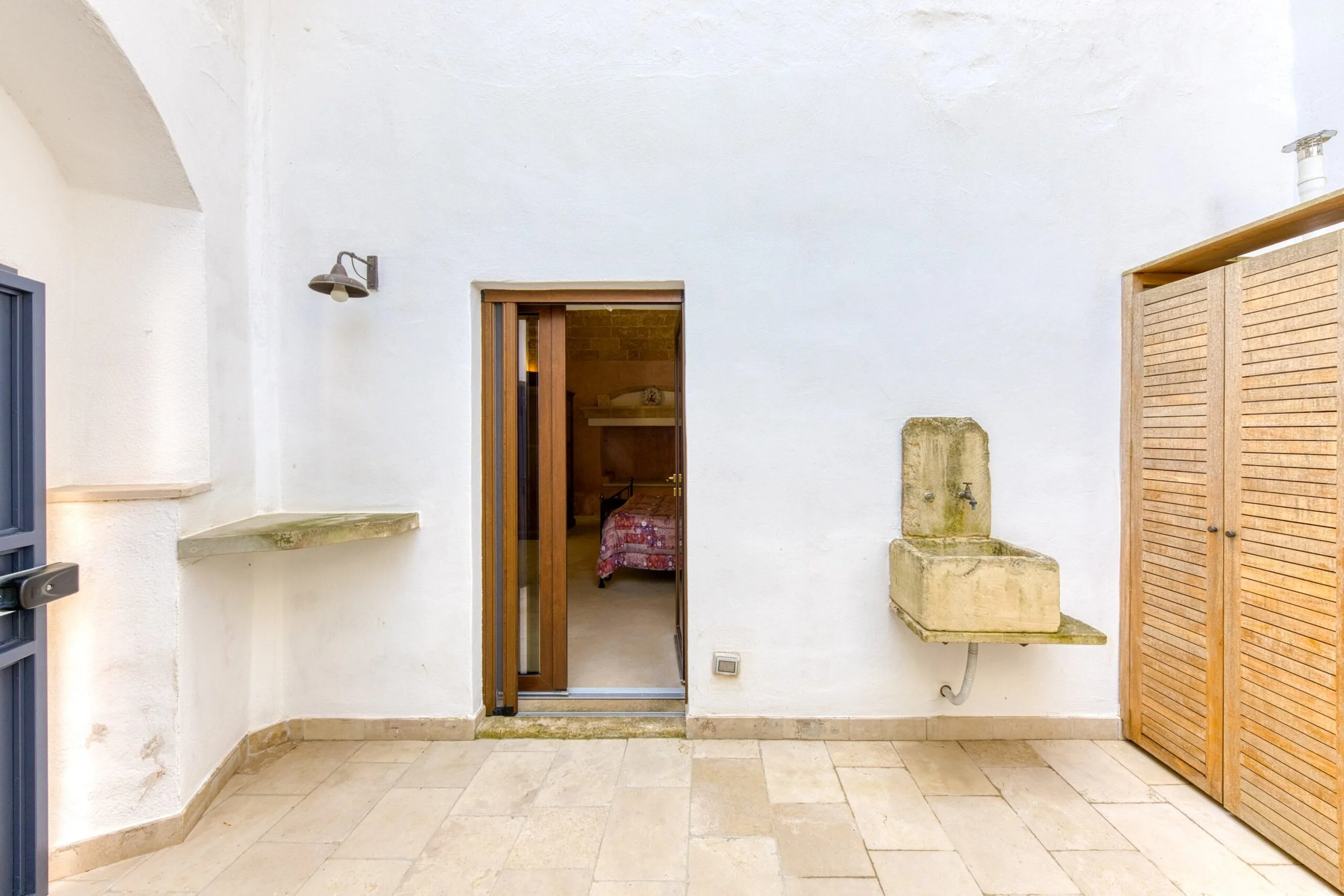
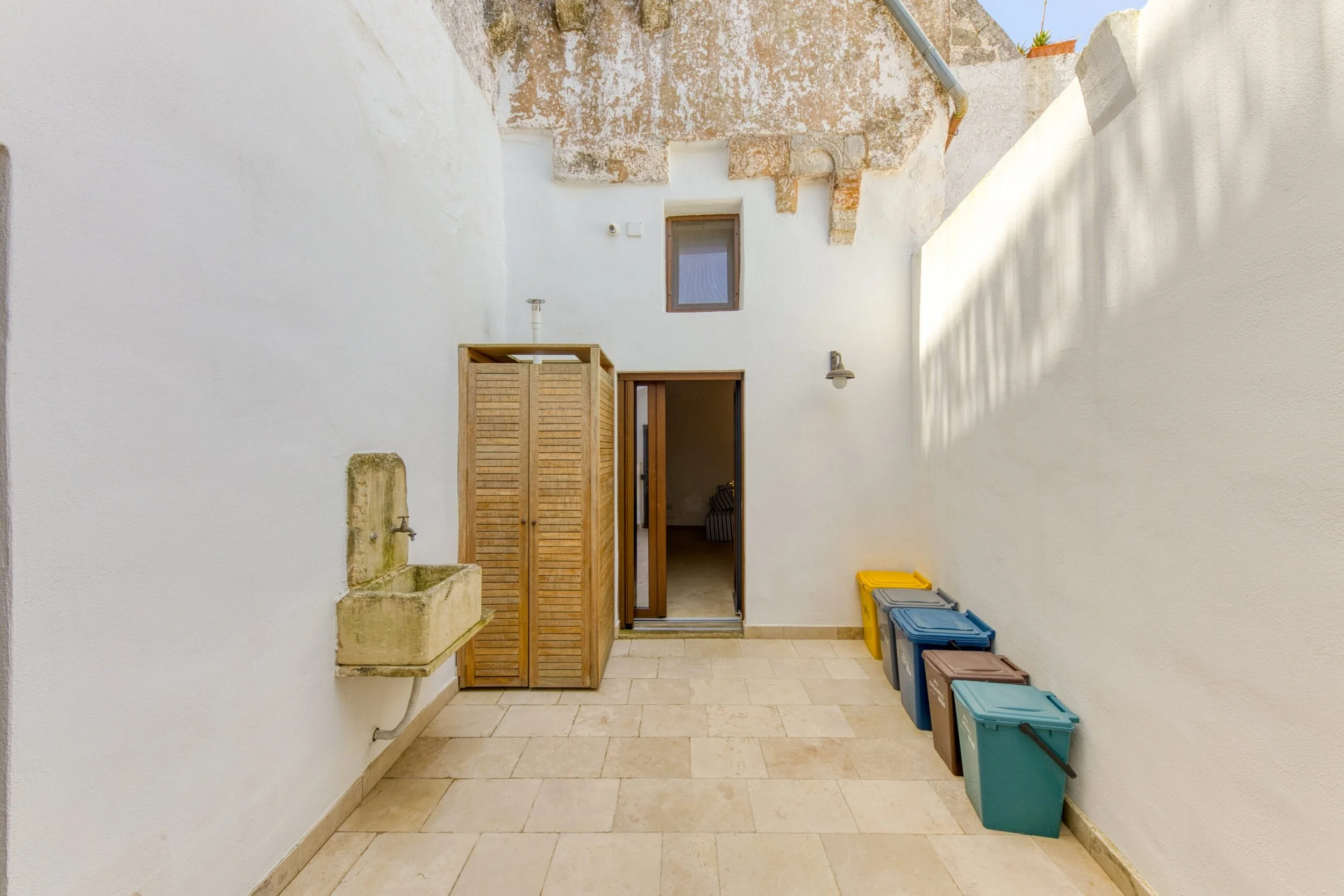
Internal courtyard accessible via second entrance.
Sale presentation
Fully renovated, sold furnished with handcrafted antique-teak pieces, positioned as move-in ready with holiday-home and rental potential.
Risk Radar
Overview
This is a very appealing small historic-centre buy because it appears to offer genuine character without the usual obvious project burden. The restored barrel vaults, period fireplace, terracotta floors and second entrance all suggest a property with more personality than a typical low-budget coastal base, while the presence of methane heating, heat-pump cooling and smart-working cabling makes it sound more usable year-round than many village houses at this price point.
The key due-diligence issue is whether the renovation was not just attractive, but properly regularised. The listing leans heavily on "fully renovated" and "move-in ready," so the buyer should expect a clean paper trail showing what was done, whether it changed layout or use, whether the mezzanine is reflected in the registered plan, and whether the property has a settled agibilità position. In Italy, cadastral updates for changes to the state or use of an urban unit are handled through DOCFA, and Agenzia delle Entrate's guidance makes clear that relevant updates must be filed after the change occurs.
The second theme is historic-centre control. The listing references Montesardo's ancient Messapian walls and a historic-centre location, which does not automatically prove the house is individually protected, but it is enough to justify checking whether any vincolo, protected-zone rule, or Soprintendenza oversight affected the renovation or would affect future changes.
The third theme is practical performance. A Class E rating is reasonable for an old stone property, but the full APE matters because ENEA explains that the APE sets out the property's energy performance and class and indicates improvement measures. That matters here because the house is being presented as both characterful and liveable, and the buyer needs to know whether the systems actually support that narrative.
Finally, rental potential should be verified using the current Italian framework rather than old shorthand. Italy's national BDSR platform is used to obtain the CIN, and the Ministry of Tourism states that the obligation to hold the CIN took effect from 1 January 2025. In Puglia, the region states that the CIR is assigned through the regional telematic platform and is a prerequisite to obtaining the national CIN.
Targeted Questions
Heritage Status and Renovation Legality
The house may sit in a protected setting even if it is not individually listed, which can affect future works.
Historic-centre works can require additional approvals beyond ordinary building paperwork.
A "fully renovated" house should have a documentary trail, not just a visual one.
Buyers need to distinguish between structural, systems and cosmetic works.
Vaulted historic ceilings are a major asset, but also a major technical responsibility.
Old fireplaces can be decorative only, partially functional, or fully operational, and the buyer should know which.
Discoveries in older buildings sometimes alter what can be done later.
Invoices help prove timing, scope and seriousness of the work carried out.
Residual warranties reduce early ownership risk.
Layout changes raise additional questions around approvals and cadastral updating.
The cadastral record should reflect the property as it exists today.
Agibilità is central to lawful occupation, resale and rental comfort.
Mezzanine, Layout and Habitable Use
A mezzanine only adds clean value if it is properly reflected in the documentation.
Marketing language about an "extra sleeping spot" may not match the legal classification.
Practical usability depends on dimensions, not just presence.
Newer additions are more likely to require specific compliance checks.
Even if legally present, it still needs to feel safe and robust in practice.
A space sold as flexible can become a problem if used beyond its lawful or practical limits.
In a compact historic home, layout efficiency matters as much as character.
Two entrances are useful, but only if they do not introduce third-party access rights.
Energy Rating and Systems
ENEA explains that the APE certifies the property's energy performance and class and includes improvement guidance.
The buyer needs to understand whether the limits are due to envelope, windows or systems.
Real costs matter more than the letter grade alone.
Dual-function systems materially affect comfort and bills.
Utility setup affects immediate usability after completion.
Old emitters and outdated controls can undermine the value of an otherwise good heating system.
The certificate may not fully reflect later improvements if it is old.
Stone houses can be wonderful, but comfort patterns vary.
Older stone properties often depend on envelope performance as much as on systems.
Buyers need to know whether easy gains remain available.
Water, Cabling and Utility Resilience
The auxiliary water pump suggests there may be summer pressure or continuity issues to understand.
A pump can be a minor convenience or a sign of a recurring seasonal infrastructure issue.
The technical setup influences reliability and maintenance.
Seasonal stress on utilities matters for both living and guest use.
Drainage practicality matters in older village centres.
The phrase sounds good, but the buyer needs specifics.
Remote-work usability depends on actual connection type and speed.
Claimed connectivity should be verified with lived performance.
Thick masonry can create dead zones even when outdoor signal is fine.
The listing mentions an alarm system, and buyers should know how it operates and what it costs.
Courtyard, Entrances and Condition
Courtyard value depends on clear private rights.
Exclusive use should be evidenced, not assumed.
Small courtyards can vary a lot in usefulness.
Internal and semi-enclosed outdoor spaces can create hidden moisture problems.
A second entrance is only valuable if it is genuinely convenient and unrestricted.
Shared thresholds, walls or passages can create friction later.
Original restored floors and new replica floors have different maintenance and value implications.
Historic stone houses need a calm but careful structural read.
Parking, Access and Year-Round Living
Historic-centre convenience can change significantly between summer and winter.
Buyers need to know whether parking is simply possible or genuinely convenient.
Access matters more than charm on move-in day.
Historic centres can be tricky for deliveries, older owners and luggage-heavy guests.
A street of permanent residents feels very different from a mostly seasonal one.
This affects both owner enjoyment and rental strategy.
Year-round practicality is part of the property's value.
Rental Potential
Proven operating history is more useful than theoretical potential.
In Puglia, the CIR is assigned through the regional platform and is a prerequisite to obtaining the CIN, while the national CIN obligation has applied since 1 January 2025.
Rental-readiness depends on more than décor and location.
The local operating reality matters just as much as national rules.
Real performance data is stronger than agent optimism.
Buyers need grounded projections, not best-case scenarios.
Revenue stability depends on season length, not just peak weeks.
Turnkey rental value depends on what is actually included.
Negotiation Intelligence
Buyer Leverage
Medium-High
Key Drivers
Typical Negotiation Range
5-15% below asking
Neutral Phrasing Examples
Country Layer
Italy (Regulatory Context March 2026)
Key Italian requirements for buyers:
Viewing Strategy
During the viewing:
Next Step
Verify from the listing:
Renovation paperwork and agibilità
Ask for the SCIA or other renovation title, the invoices, the current visura catastale and planimetria, and clear evidence of the agibilità basis so you can confirm the house is as regularised as it looks.
Mezzanine legal status
Check whether the mezzanine is shown on the registered plan and whether it is treated as habitable space or only accessory space before you value it as an extra sleeping area.
APE and real system performance
Review the full Class E APE and test the methane heating, heat-pump cooling, cabling and water-pressure setup so you understand whether the house is genuinely comfortable for year-round use.
Courtyard and two-entrance rights
Confirm that the internal courtyard is for this house’s exclusive use and that the second entrance does not bring any easement, shared passage or neighbour-related complication.
Rental-registration pathway
Verify whether the property already has the regional and national identifiers needed for tourist lets in Puglia, and whether the furnished contents and seasonality profile really support a turnkey rental model.
A prepared buyer should approach the agent calmly and frame questions as due diligence.
Because this is a character property where energy performance and rental-readiness both affect value, run it through the European Property Energy Risk Assessor to understand what the Class E rating means in practice, or use the Rental Yield Calculator to test whether the likely season and nightly rates support the numbers before contacting the agent.
Disclaimer: The Property Drop is buyer-focused intelligence, zero sales agenda. We curate exceptional properties, in southern Europe, from third-party agents and arm you with decision tools. No commission, no transactions, no agent partnerships, no skin in the game beyond helping you choose wisely. Information stays accurate until it doesn't (properties sell, prices shift, markets move). Everything here is shared for informational purposes only and should not be treated as legal, financial, or investment advice. Images belong to original agents. Read our Terms of Service to learn more.
IMPORTANT REMINDER: When contacting property agents featured on The Property Drop, you are entering into direct communication with third parties. It's recommended that you verify all property details independently, conduct thorough due diligence, engage qualified professionals (solicitors, surveyors, financial advisors), understand your rights and obligations under local property laws, and never send money or make commitments without proper legal protection.
