
The Buyer Playbook: 18th-Century Pombaline Flat with Tagus Views, Sé District, Lisbon, Portugal €635,000

Buyer Playbook
Pre-Viewing Intelligence Report
This independent buyer guidance report relates to this specific property located in Portugal. It is provided for informational purposes only and does not constitute legal, tax, structural, heritage or survey advice. Heritage protection, renovation permits, licença de utilização, condominium liabilities, energy-certification status, AL feasibility, and any structural questions relating to the Pombaline cage must always be verified with qualified Portuguese professionals such as a lawyer, architect, engineer, surveyor or licensed property consultant, and with the relevant Câmara Municipal de Lisboa, condominium administrator and heritage authorities. In Portugal, some buildings are exempt from energy certification, but the scope and basis of any exemption must be checked against the legal documentation, not assumed from an advert. This report is designed to help buyers evaluate the property before arranging a viewing or making an offer. It highlights due diligence issues and targeted questions to ask the agent. The analysis is based on the listing details you supplied and current Portuguese regulatory context, including Lisbon's current local-accommodation framework and the condominium-sale documentation rules now in force.
Playbook Contents
Property Snapshot
Location
Sé district, Lisbon, Portugal, around 50 metres from Lisbon Cathedral.
Property type
18th-century Pombaline flat.
Asking price
€635,000.
Internal area
Approx. 102 m².
Floor position
Fourth floor.
View angle
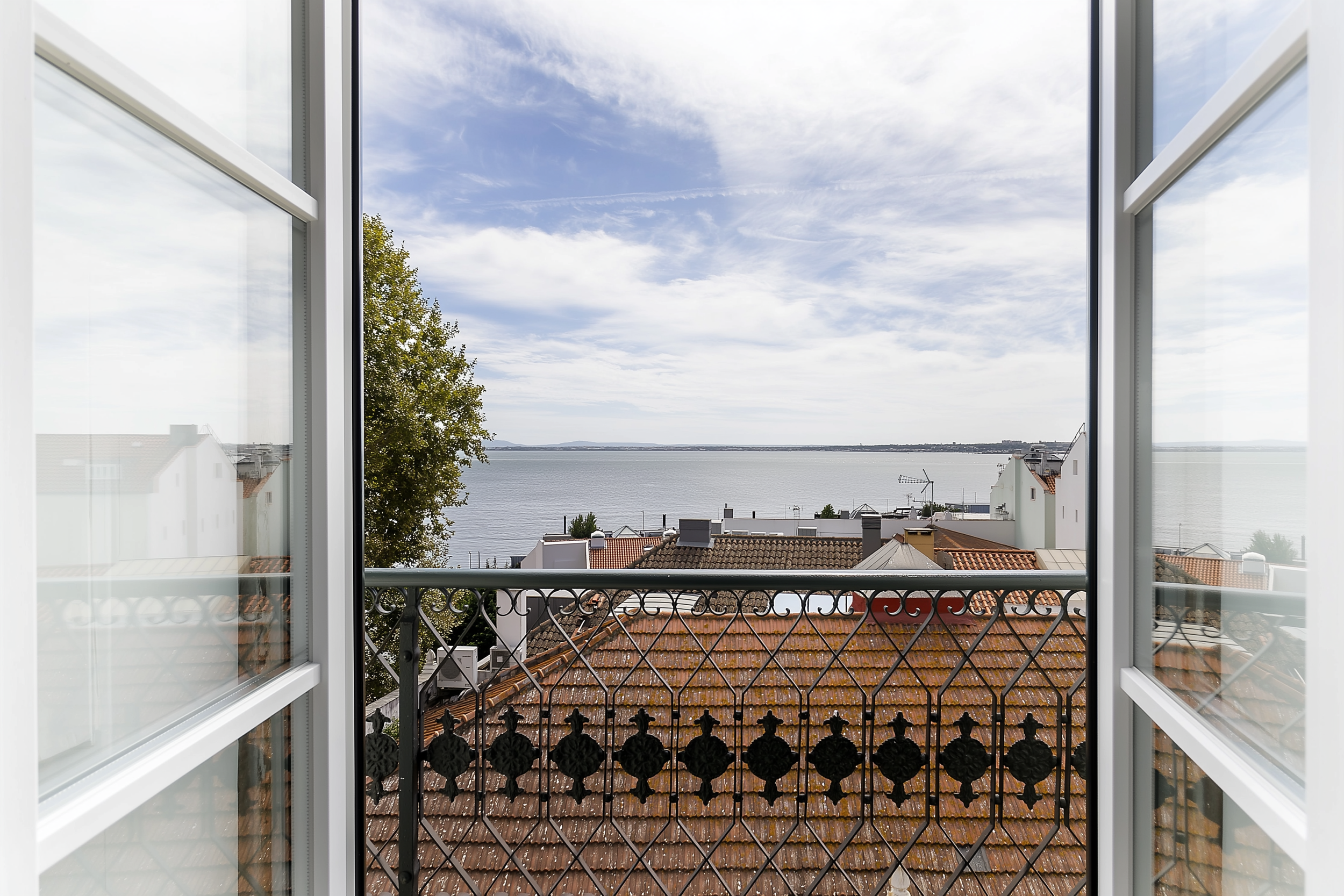
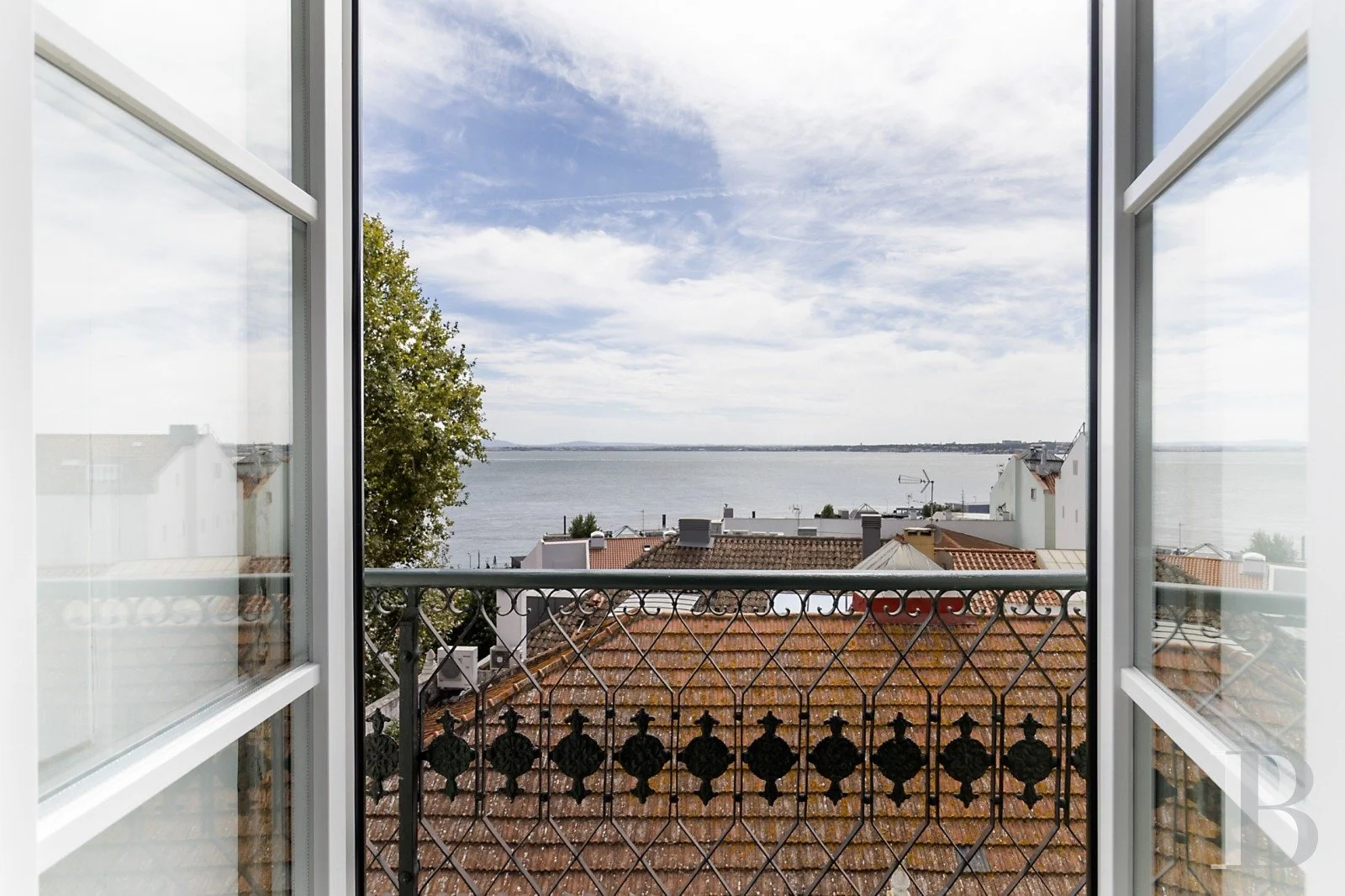
Tagus views and balcony.
Character features
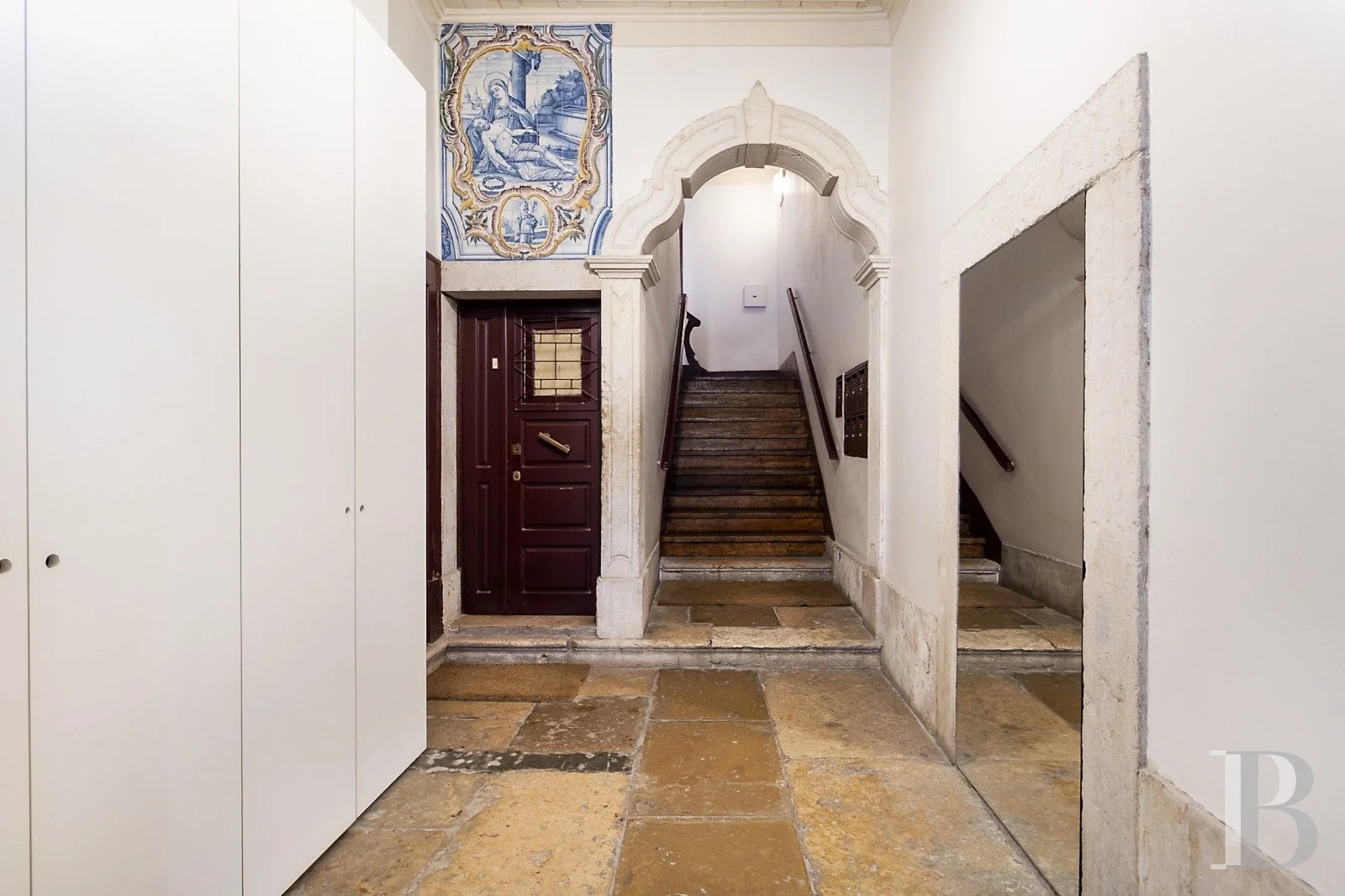
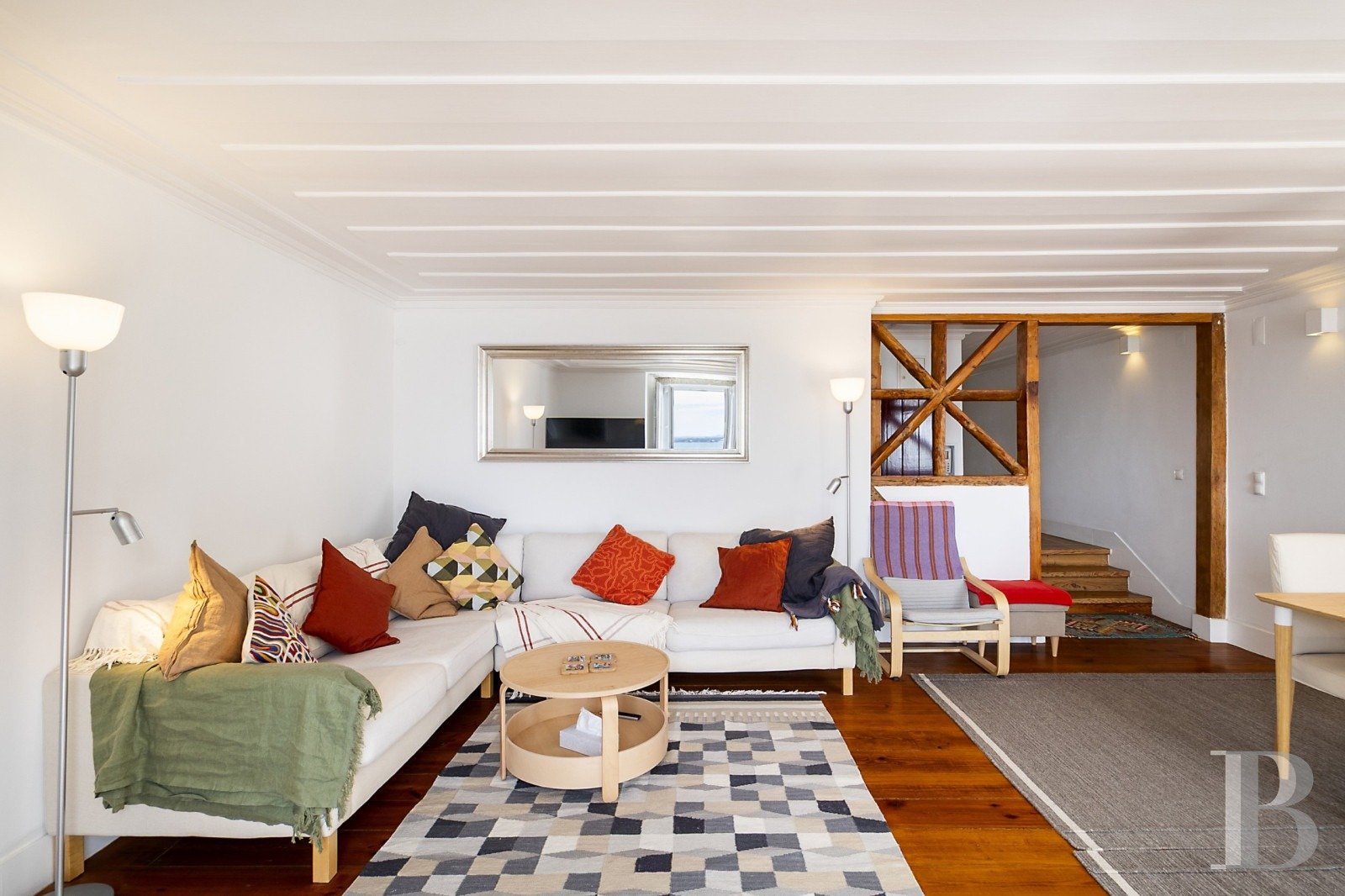
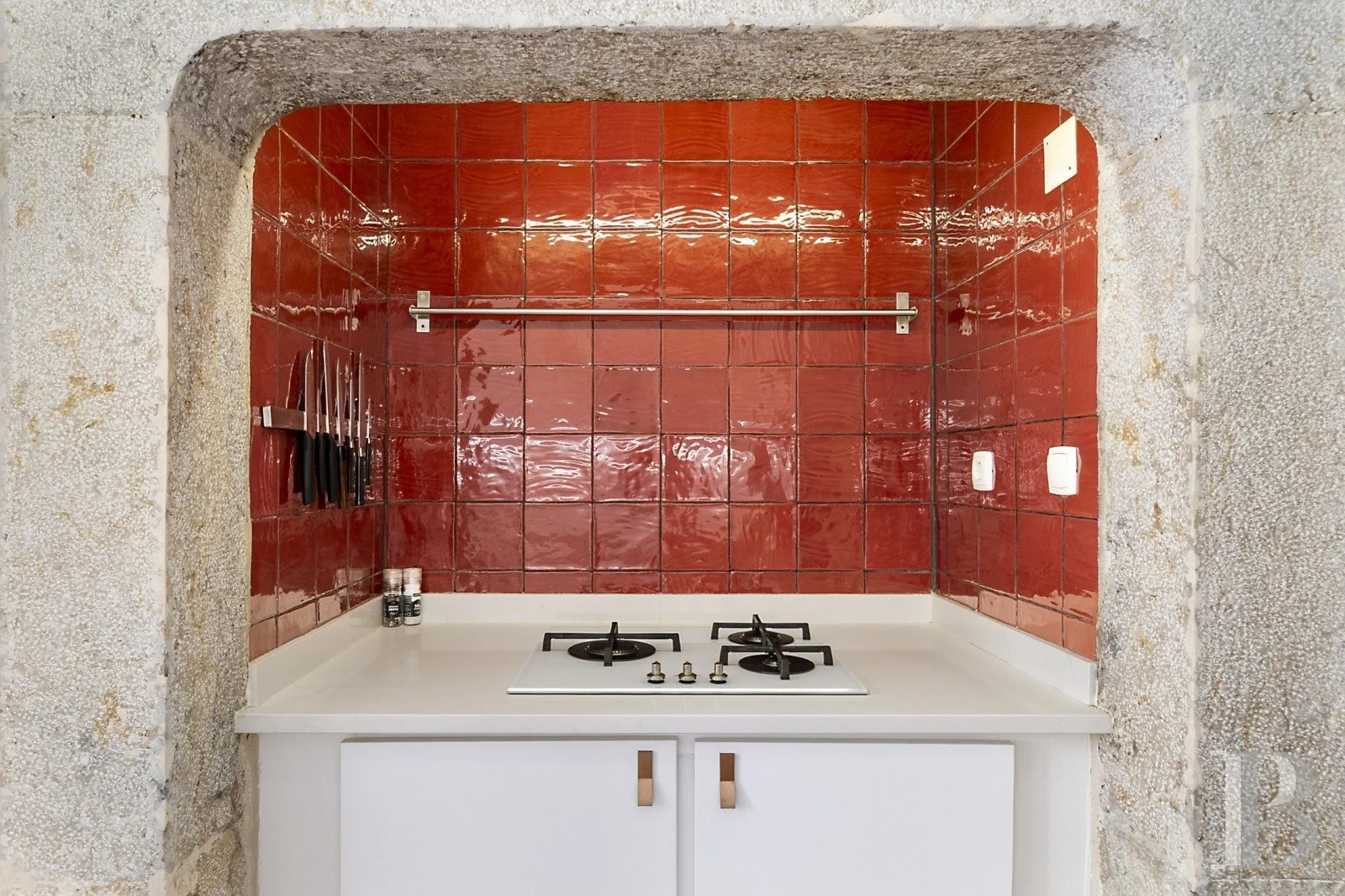
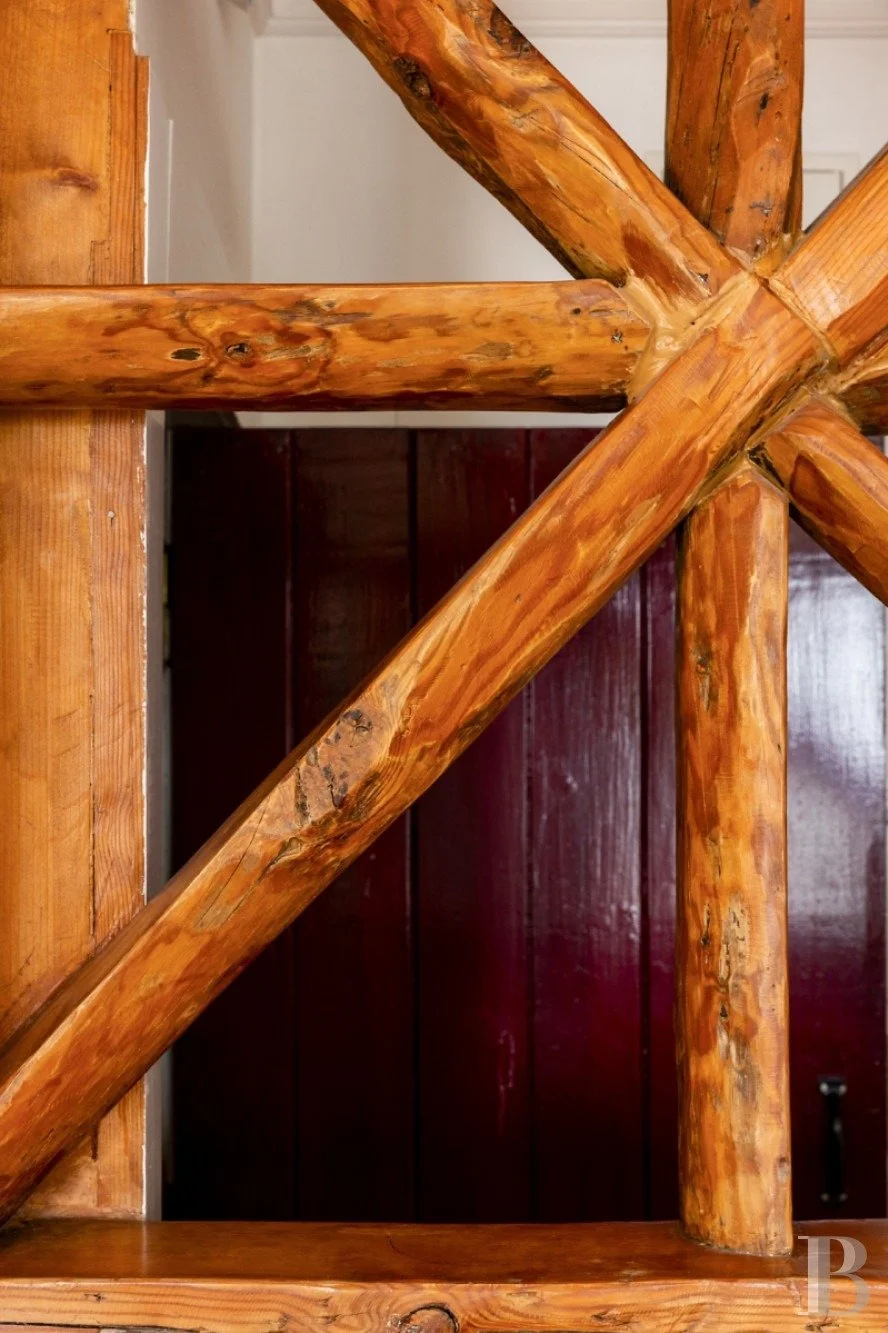
Pombaline structure, wooden ceilings, floors, stone fireplace, azulejos and hydraulic tiles.
Condition angle
Marketed as renovated around five years ago.
Energy angle
Listed as Energy Class N, which needs clarification.
Lifestyle angle
Historic city living in one of Lisbon's most tourism-exposed and heritage-sensitive quarters.
Investment angle
Possible long-term or short-stay appeal, but any AL strategy must be tested against Lisbon's current rules and the building's legal position.
Risk Radar
Overview
This is the kind of Lisbon flat that can look magical online and complicated on paper. The location is prime, the Pombaline character is genuinely rare, and the Tagus view plus balcony combination gives the property emotional pull. But this is exactly the sort of purchase where a short listing can hide the most expensive questions. The building is old, the district is sensitive, the renovation is relatively recent, and the flat sits on a fourth floor in one of the most visited parts of the city. That means the due diligence needs to focus less on charm and more on legality, structure, services, condominium dynamics and realistic everyday use.
The biggest issue is the legal and technical story behind the renovation. In Portugal, the question is not just whether works were done, but whether they were done under the correct urban-planning route and whether the property's use documentation is up to date. If a dwelling has been materially altered, buyers should confirm the applicable municipal approvals and whether the licença de utilização still aligns with the flat as it exists today. This matters even more in a historic area where heritage controls can overlay ordinary planning rules.
The second issue is the building itself. A Pombaline flat is not just an apartment. It is part of a shared historic structure. So the real purchase is partly about the unit and partly about the building's collective condition. Roof, façade, stairs, common infrastructure, insurance, reserve funds, and the quality of condominium management all matter. Portuguese law now requires a written declaration from the condominium administrator setting out the charges and any debts affecting the fraction being sold, which gives buyers a clear opening to ask for a much fuller condominium pack.
The third issue is operational reality. A fourth-floor heritage flat in Sé can be wonderful for some buyers and impractical for others. Lift or no lift, street noise, church bells, tourist flow, furniture access, grocery convenience, and reliable broadband all matter. The same applies to rental potential. AL activity in Lisbon still exists, but it sits inside a regulated framework, and Lisbon's municipal regulation specifically applies special rules to new registrations in containment areas. So the right question is not "can this rent well?" but "what rental model is legally realistic here now?"
Targeted Questions
Heritage Status, Protected-Zone Controls and Structural Character
The source of protection affects what approvals are needed for future alterations.
Buyers need documentary certainty, not just marketing language.
In historic Lisbon buildings, even seemingly modest changes can be constrained.
These are the very features most likely to drive future spending.
The Pombaline structure is part of the flat's appeal, but also a core structural risk point.
A recent renovation can be cosmetic or genuinely structural. You need to know which.
Older Lisbon buildings can hide major collective liabilities behind attractive interiors.
Ongoing obligations can affect cost, timing and design freedom.
Renovation Legality, Scope and Use Documentation
Buyers need a clear list of works, not just a date.
The legality of the works is central to resale, mortgageability and peace of mind.
A paper trail is essential on a historic-city flat.
In Portugal, the use licence is one of the key documents proving lawful occupation and use.
These are the works most likely to trigger both technical and permit questions.
Original fabric can add huge value, but only if the work was properly done.
This helps separate a well-documented renovation from a decorative refresh.
External elements in heritage areas often attract stricter scrutiny.
Buyers need to understand whether the current plan matches the legal plan.
Documentation mismatches can slow or derail a transaction.
Energy Class "N" and Actual Running-Cost Reality
Portugal's standard energy-rating scale is letter-based, so "N" should be clarified against an actual certificate or exemption basis. The official SCE materials present the ordinary class system and also note that some buildings can be exempt from certification.
Those are very different scenarios with different implications.
Exemption should be proved, not assumed from a portal label.
That is the simplest way to stop guessing about the energy position.
Real comfort and running costs matter more than a shorthand letter.
A south-facing historic flat can behave very differently across seasons.
Historic flats often perform differently in real life than buyers expect.
This helps explain whether the flat is merely pretty or also practical.
Condominium, Building Health and Shared Responsibilities
This is the first indicator of the building's financial rhythm.
Low fees can be a warning sign if the building is under-maintained.
A building can look fine while being financially fragile.
The minutes often reveal roof works, façade concerns, disputes, unpaid fees or major planned spending.
Historic-city buildings need competent management more than average ones.
This affects both liveability and future decision-making in the building.
In an old building, common parts can become the biggest hidden cost.
Buyers need to price in future capital calls.
Portuguese law now specifically requires a written declaration on current charges and debts for the fraction being sold.
This is now a core sale document and a useful buyer-protection checkpoint.
Shared infrastructure in old Lisbon buildings can complicate future works.
Layout, Access and Flat-Specific Practicalities
The listing is too brief to judge layout properly without one.
Buyers need the legal typology, not just the current furnishing arrangement.
This is one of the biggest practical questions for day-to-day living and resale.
Romantic fourth-floor living is much easier on a listing than in reality.
In older buildings, outdoor spaces should be confirmed on paper.
Balconies in old urban buildings can be a beauty feature and a maintenance risk at the same time.
View value deserves verification, not assumption.
These elements are expensive to restore well and easy to damage badly.
This affects authenticity, maintenance and future conservation decisions.
These are common real-life issues in old Lisbon flats.
Neighbourhood, Noise and Everyday Liveability
A beautiful central location can still be tiring if the sound environment is relentless.
Sé can be charming and busy at the same time.
Central heritage living works best when everyday life is actually easy.
Remote work and streaming expectations are now standard.
Thick old walls can weaken signal unexpectedly.
Parking in central Lisbon can be a major ownership-friction point.
This matters more than buyers think on upper floors in historic districts.
Rental, Resale and Investment Flexibility
Actual usage history tells you how the property performs in practice.
Lisbon's municipal AL regulation expressly applies special rules to new registrations in containment areas, so feasibility must be checked specifically rather than assumed.
Citywide rules and micro-location rules can diverge in practical effect.
Long-term rental can be the steadier fallback strategy if AL proves constrained.
Building rules can be just as important as city rules.
A buyer should price beauty and friction together.
Seller motivation can create negotiation room.
Pricing history often signals where negotiation may land.
Negotiation Intelligence
Buyer Leverage
Medium-High
Key Drivers
Typical Negotiation Range
5-15% below asking
Neutral Phrasing Example
Country Layer
Portugal (Regulatory Context March 2026)
Portugal's official energy-certification system is run through the SCE. Official SCE materials describe the standard certificate as showing the building's energy class and note that some categories of buildings are exempt from the obligation to present a certificate. The same official FAQ also states that a voluntary certificate can still be issued for an exempt building if the calculation methodology can be applied. That is why a listing label such as "Energy Class N" should be treated as a prompt for clarification, not as a meaningful class in itself.
Viewing Strategy
Start by treating this as a building investigation as much as a flat viewing.
Next Step
Verify from the listing:
Was the renovation properly approved and fully documented?
A five-year-old renovation in a Pombaline flat can be a major plus, but only if the works were carried out under the correct municipal route and the current use documentation still matches the property as it exists today.
What does “Energy Class N” actually mean here?
This wording needs clearing up immediately. Portugal’s official system uses standard energy classes and also recognises some exemptions, so ask for the actual certificate or the legal basis for any exemption rather than relying on the portal label.
The building matters as much as the flat
In a historic fourth-floor property, the roof, staircase, façade, drainage and condominium finances are part of what you are buying, so the meeting minutes, accounts and administrator’s declaration deserve just as much attention as the view.
Sé charm comes with Sé friction
The cathedral setting, tourism pressure, church bells, pedestrian traffic and upper-floor access all need testing in person so you can judge whether this is a glorious city base or a tiring one.
Do not price in AL upside until it is verified
Lisbon still operates within a regulated AL framework, and new registrations are subject to city rules including containment-area logic, so treat short-stay potential as unproven until the exact address position is confirmed.
A prepared buyer should approach the agent calmly and frame questions as due diligence.
Because this is a property where the legal, structural and regulatory context matters, run it through the Property Risk Assessment to pressure-test the heritage, renovation and condominium exposure, or use the Rental Yield Calculator to see whether the Lisbon numbers still work once access limits, fees and realistic rental constraints are factored in.
Disclaimer: The Property Drop is buyer-focused intelligence, zero sales agenda. We curate exceptional properties, in southern Europe, from third-party agents and arm you with decision tools. No commission, no transactions, no agent partnerships, no skin in the game beyond helping you choose wisely. Information stays accurate until it doesn't (properties sell, prices shift, markets move). Everything here is shared for informational purposes only and should not be treated as legal, financial, or investment advice. Images belong to original agents. Read our Terms of Service to learn more.
IMPORTANT REMINDER: When contacting property agents featured on The Property Drop, you are entering into direct communication with third parties. It's recommended that you verify all property details independently, conduct thorough due diligence, engage qualified professionals (solicitors, surveyors, financial advisors), understand your rights and obligations under local property laws, and never send money or make commitments without proper legal protection.
