
The Buyer Playbook: Renovated Traditional House with Plunge Pool, Archidona Pueblo, Andalusia, Spain €160,000
Buyer Playbook
Pre-Viewing Intelligence Report
This independent buyer guidance report relates to this specific property located in Spain. It is provided for informational purposes only and does not constitute legal, tax, structural or survey advice. Renovation legality, planning permissions, occupancy status, energy compliance, pool permissions, water and drainage arrangements, tourist-rental eligibility, title position, boundaries, and any shared-building or neighbour-related matters must always be verified with qualified Spanish professionals such as an abogado, arquitecto técnico, arquitecto, aparejador, surveyor or licensed property consultant, and with the relevant municipal authorities. This report is designed to help buyers evaluate the property before arranging a viewing or making an offer. It highlights due diligence issues and targeted questions to ask the estate agent. The analysis is based on the listing details and publicly available regulatory context at the time of writing.
Playbook Contents
Property Snapshot
Location
Archidona Pueblo centre, Andalusia, Spain.
Property type
Renovated traditional house.
Asking price
€160,000.
Bedrooms
3.
Bathrooms
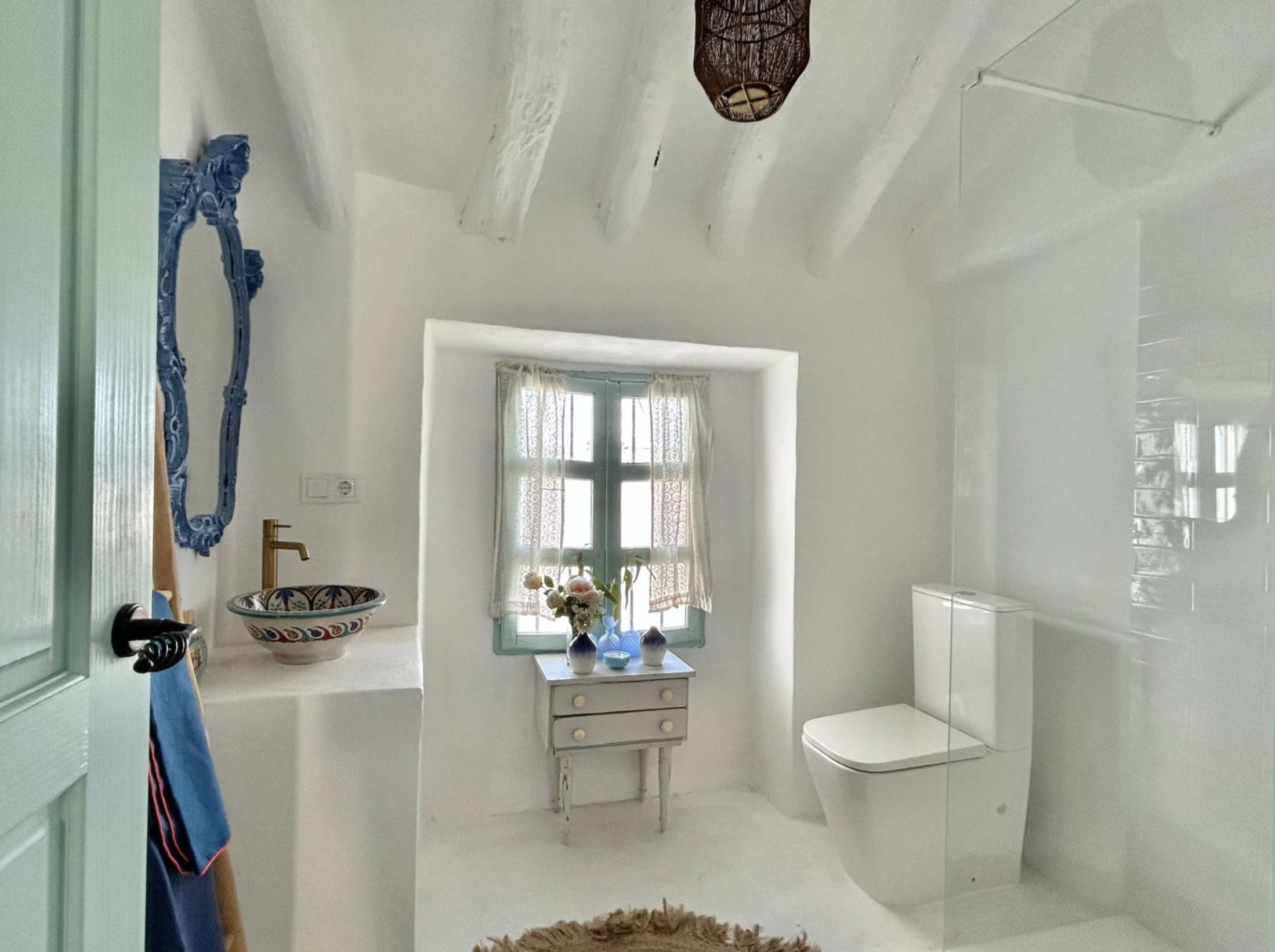
2.
Built area
180 m².
Net area
175 m².
Build year
1991.
Energy rating
Class G.
Layout
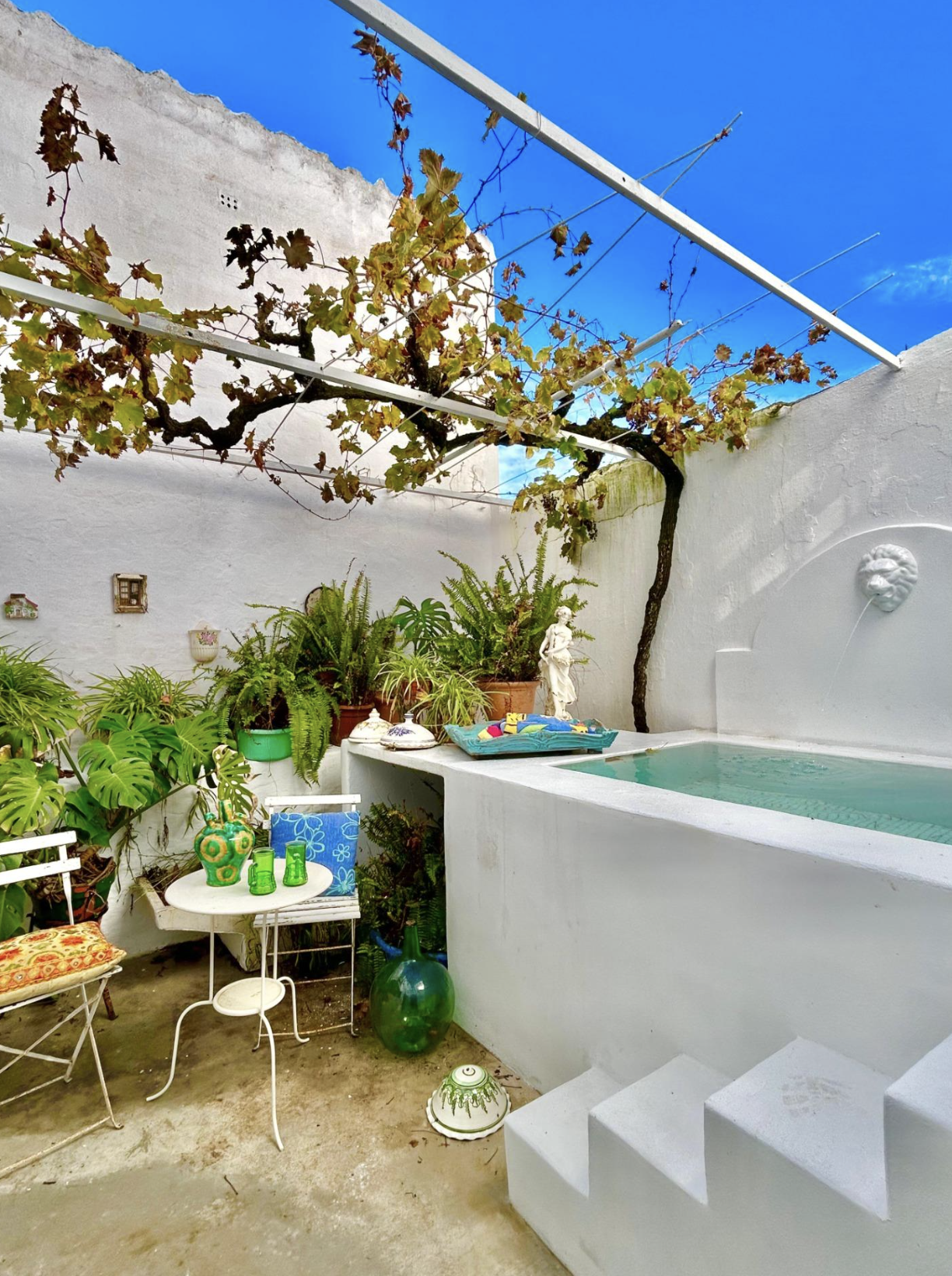
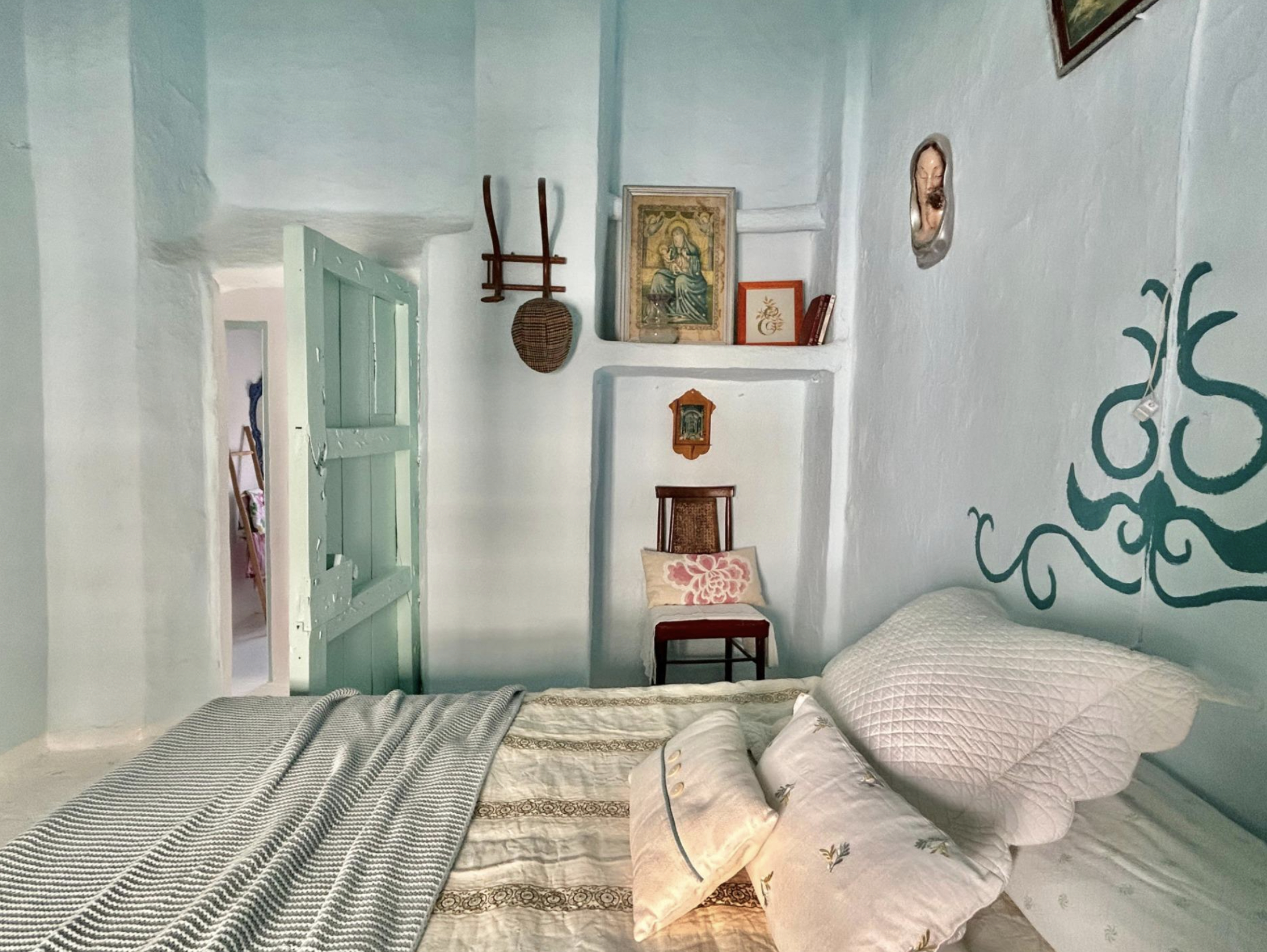
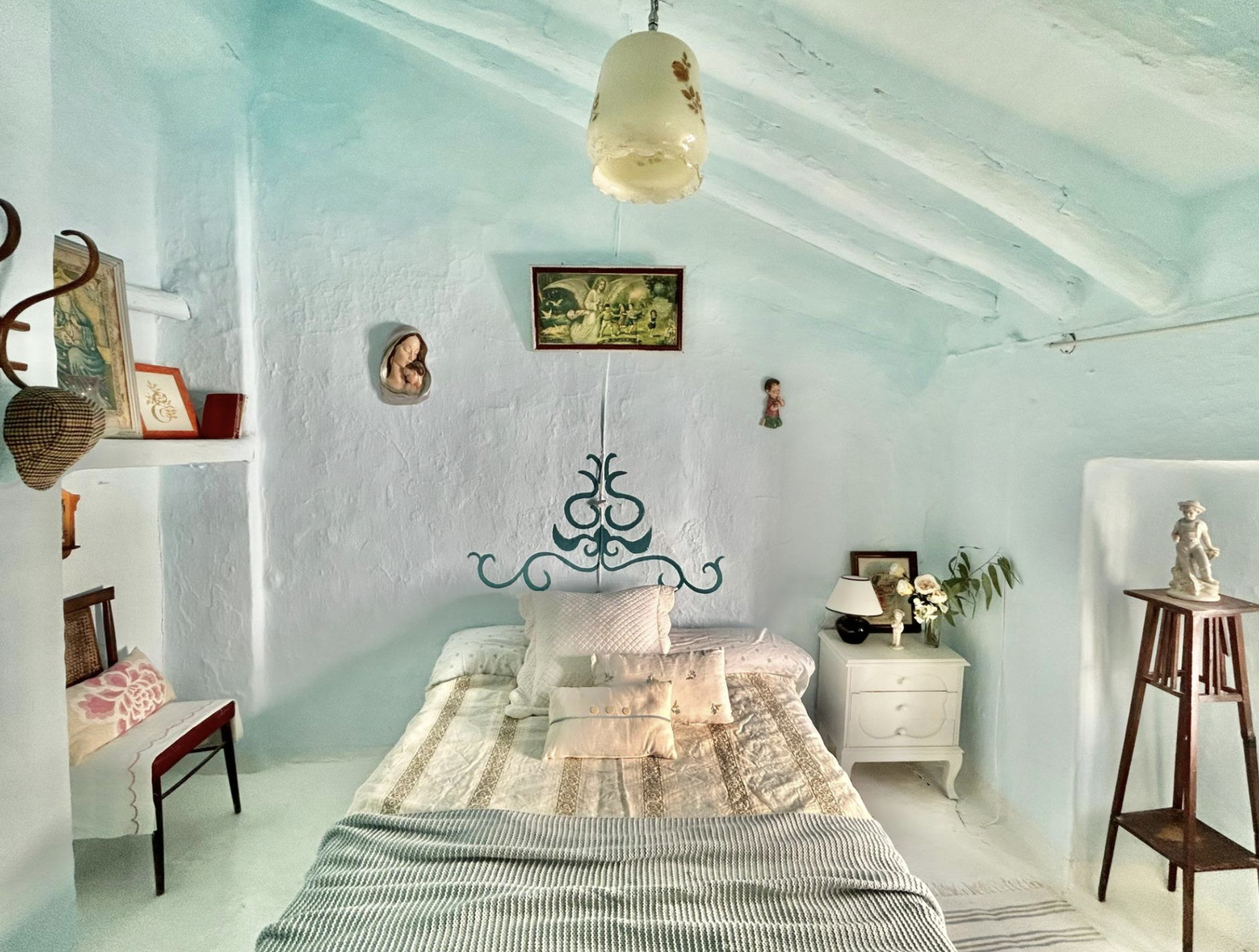
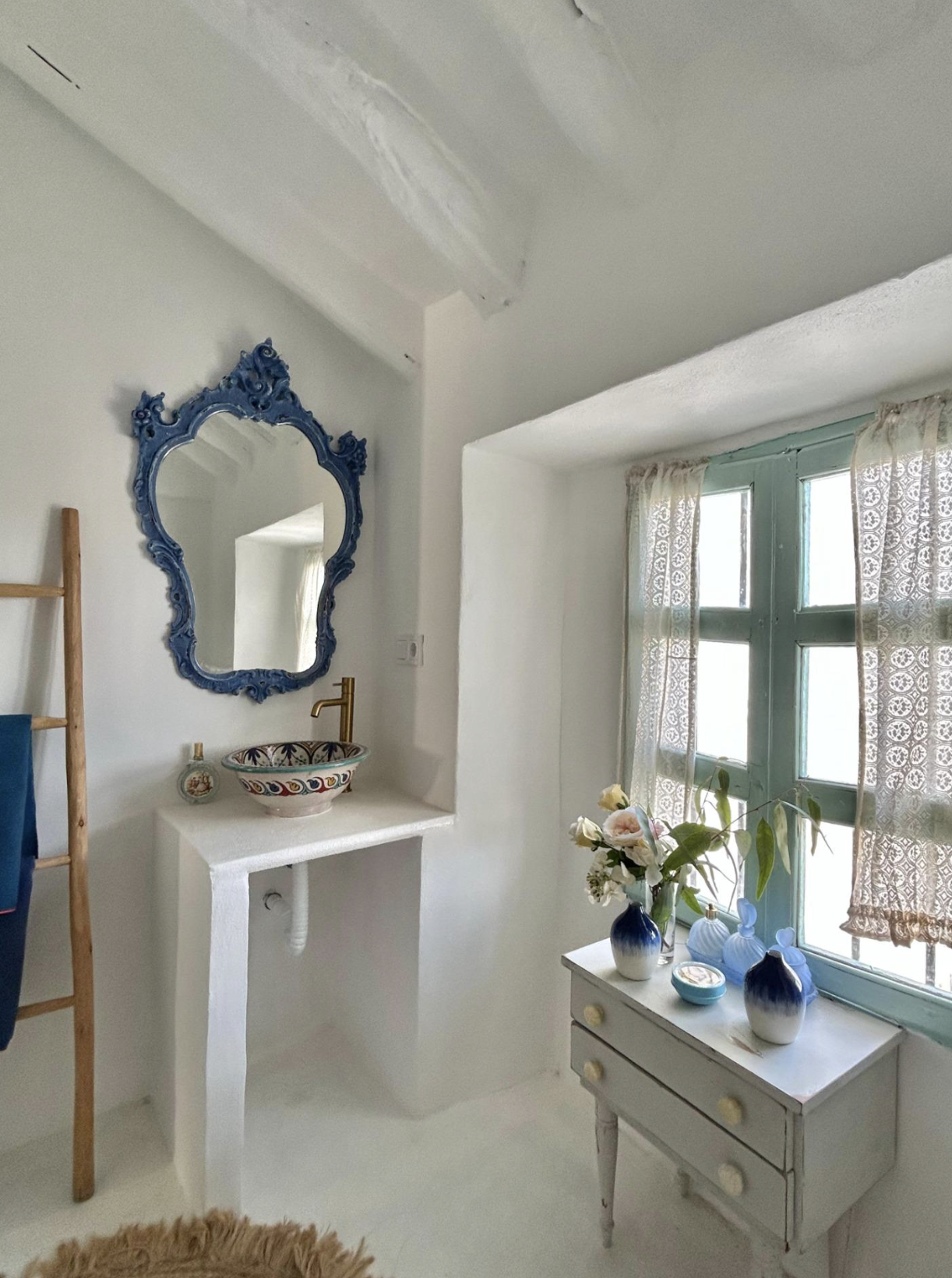
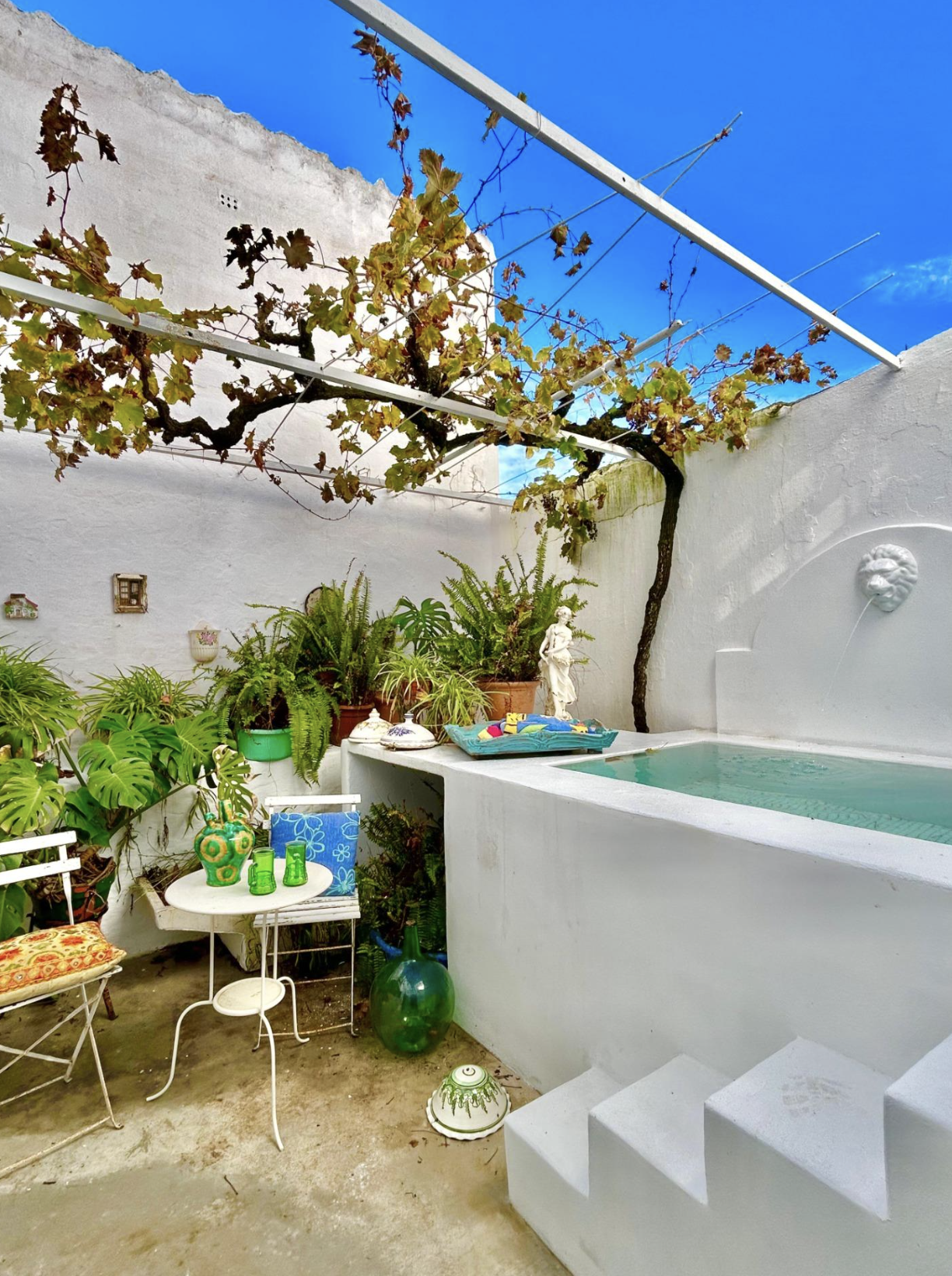
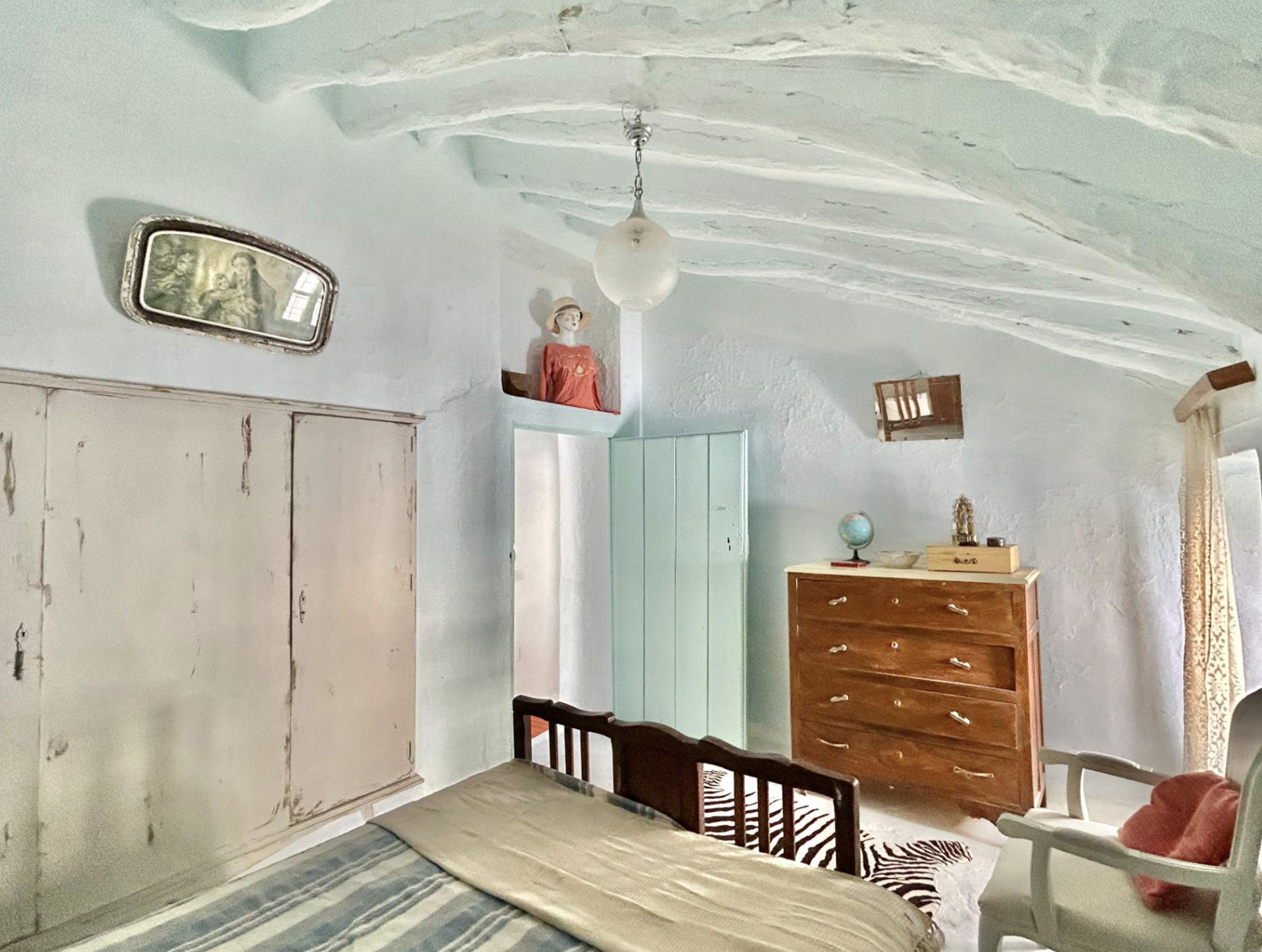
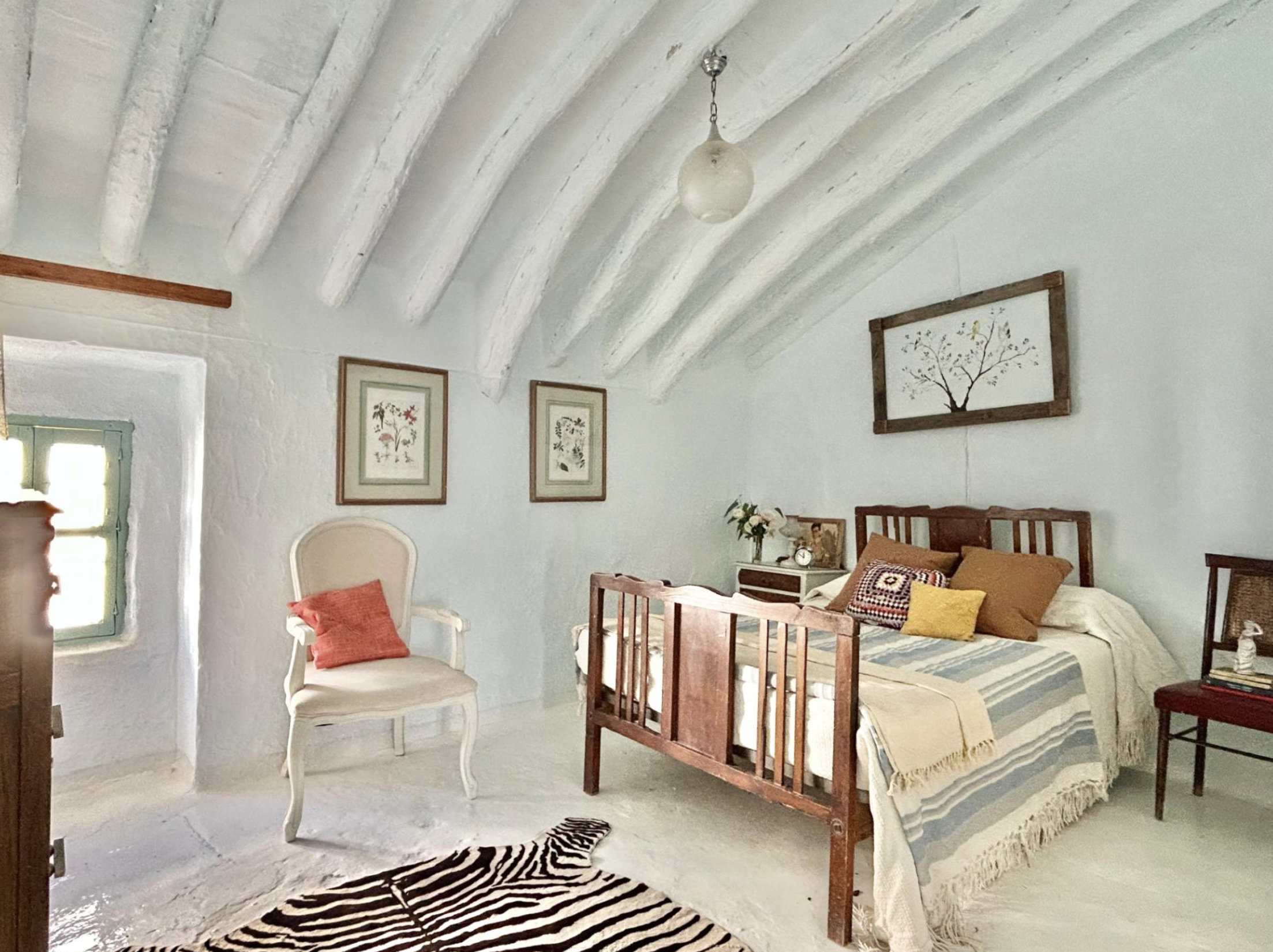
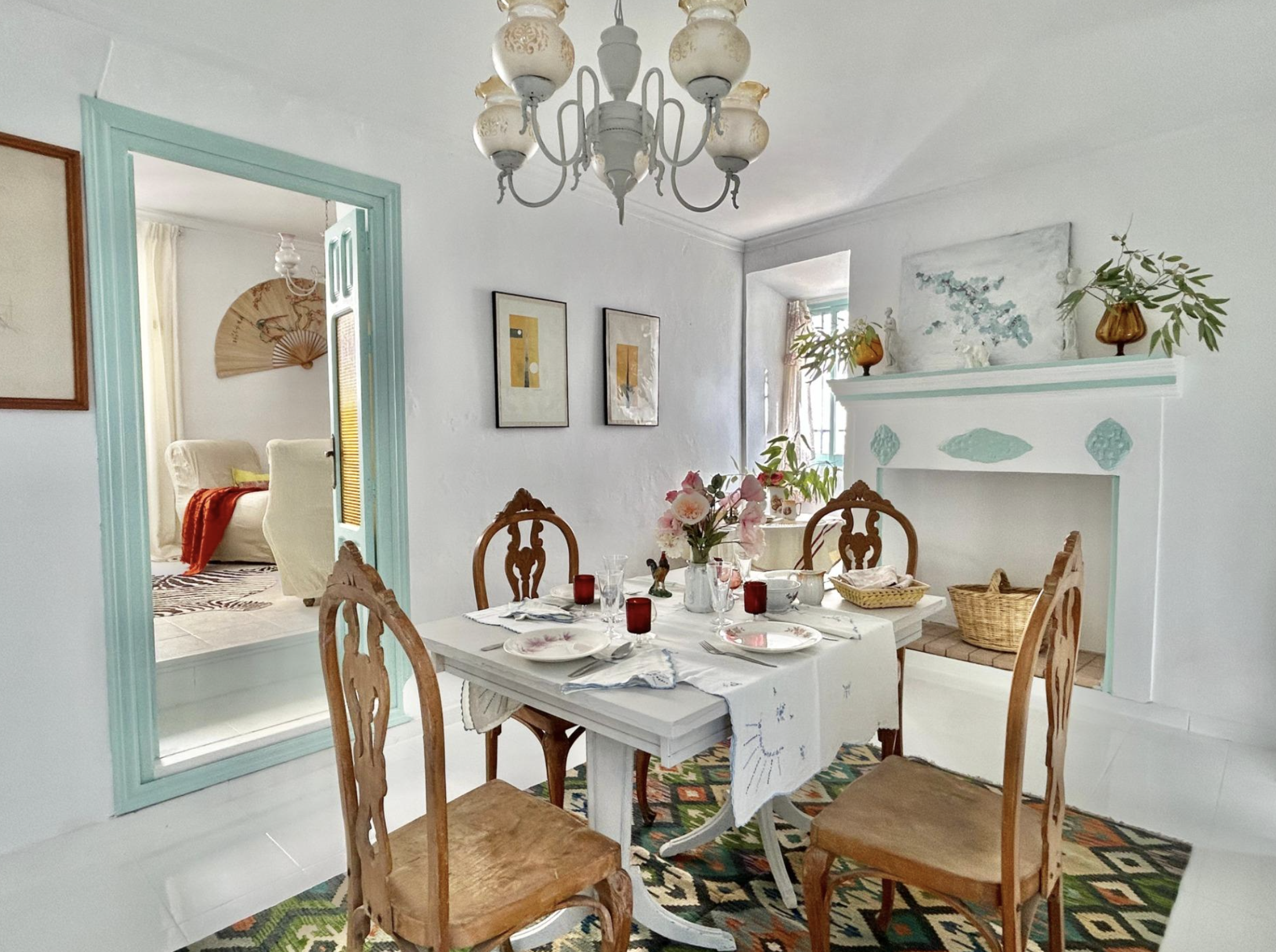
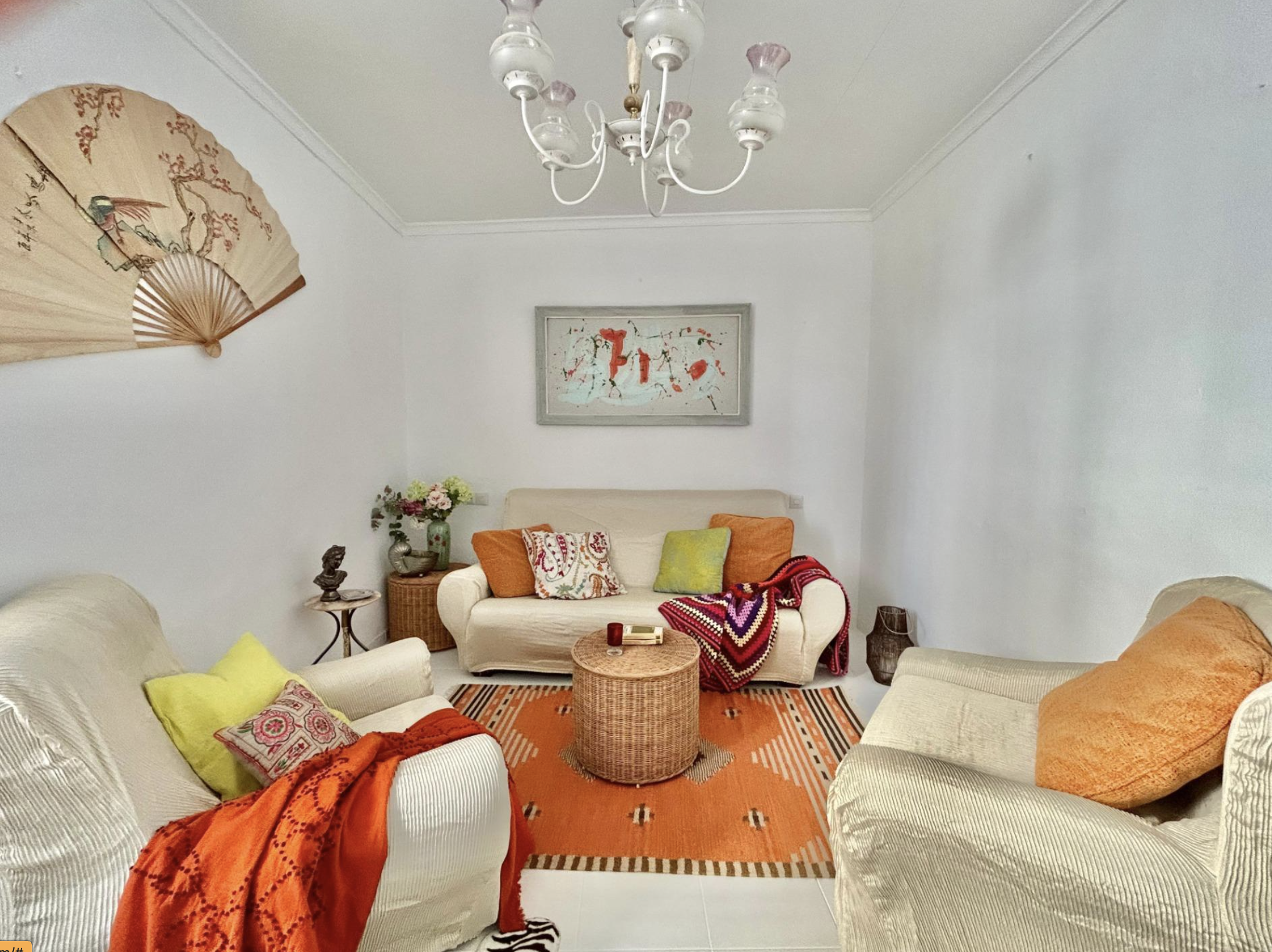
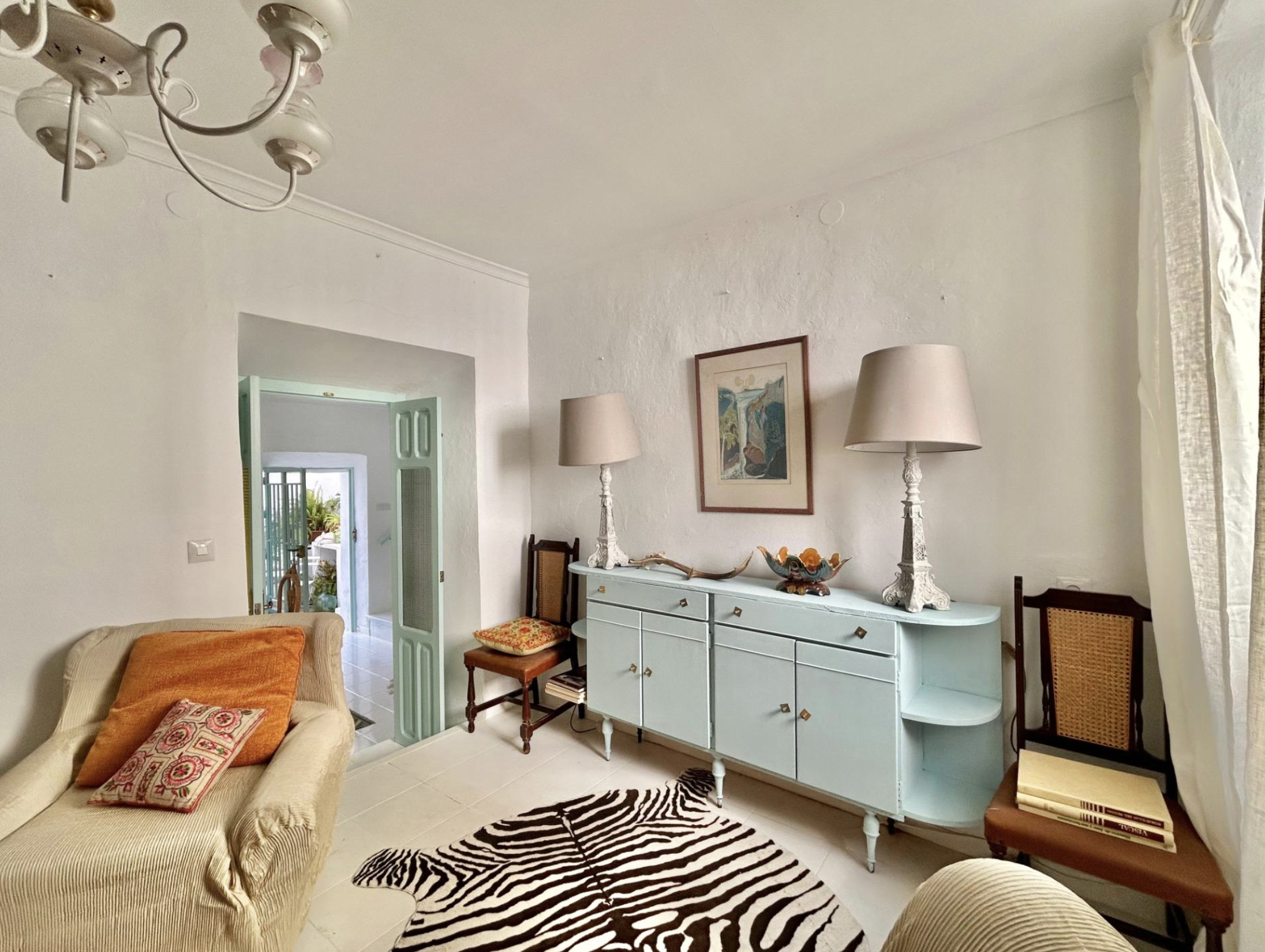
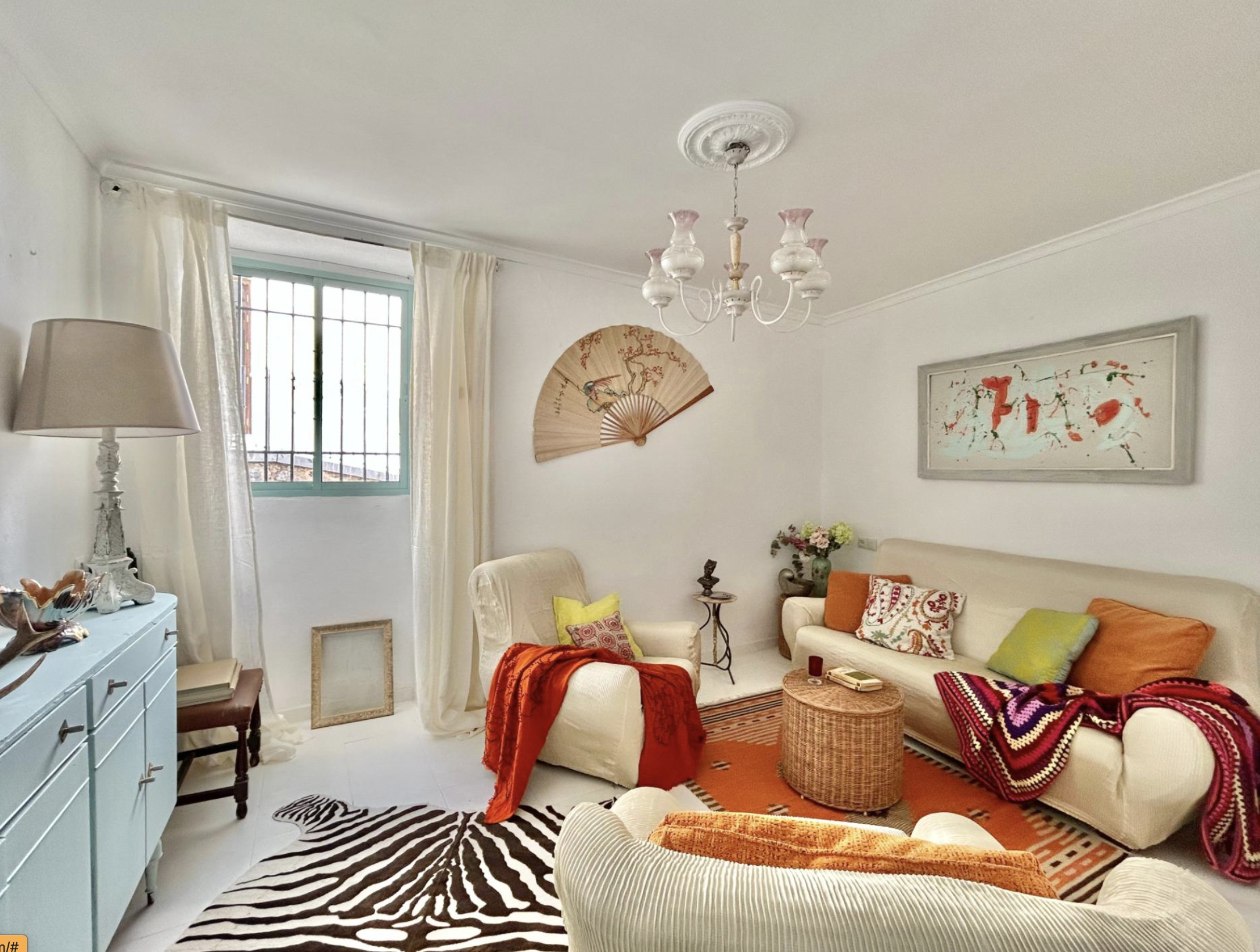
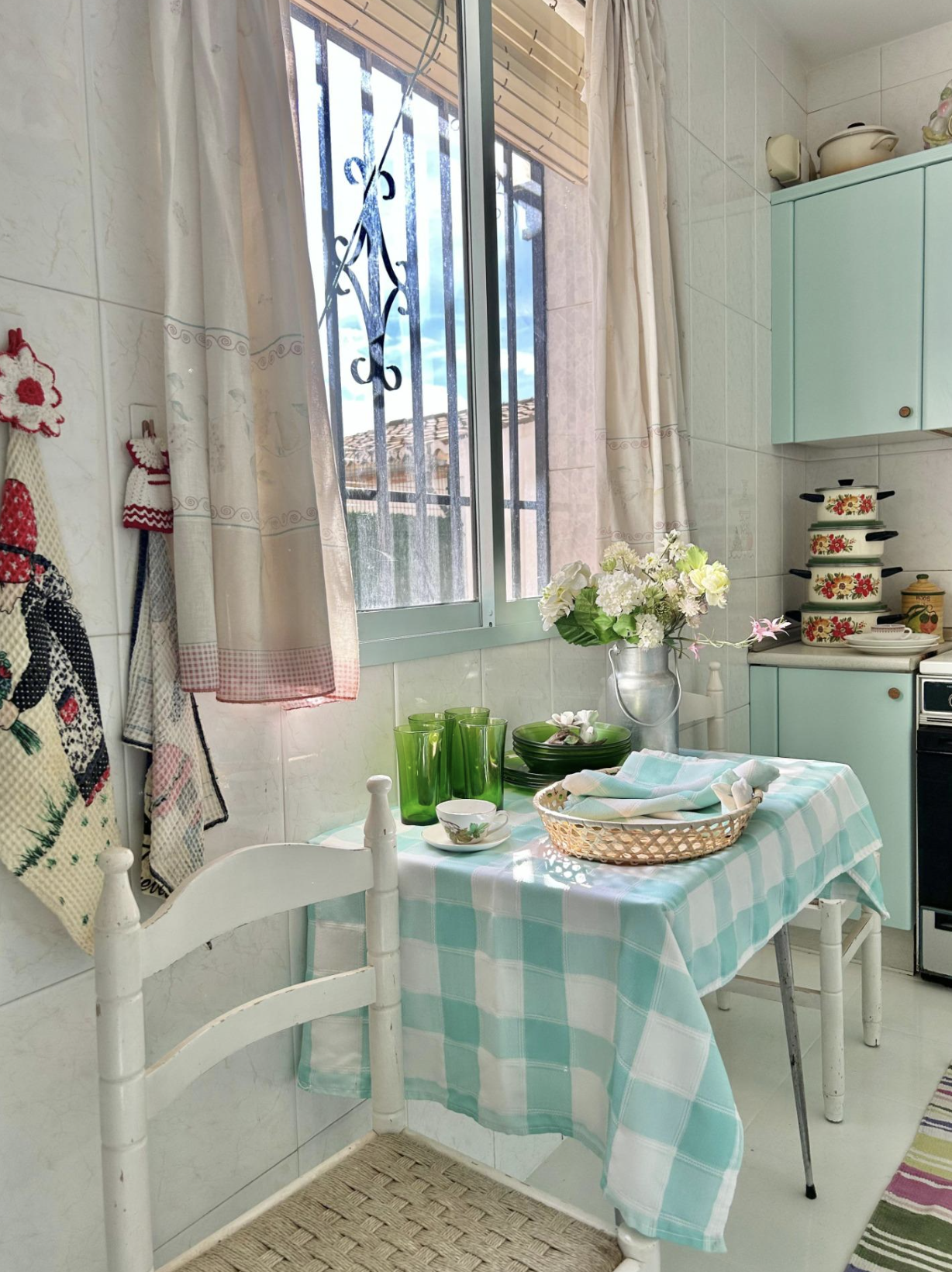
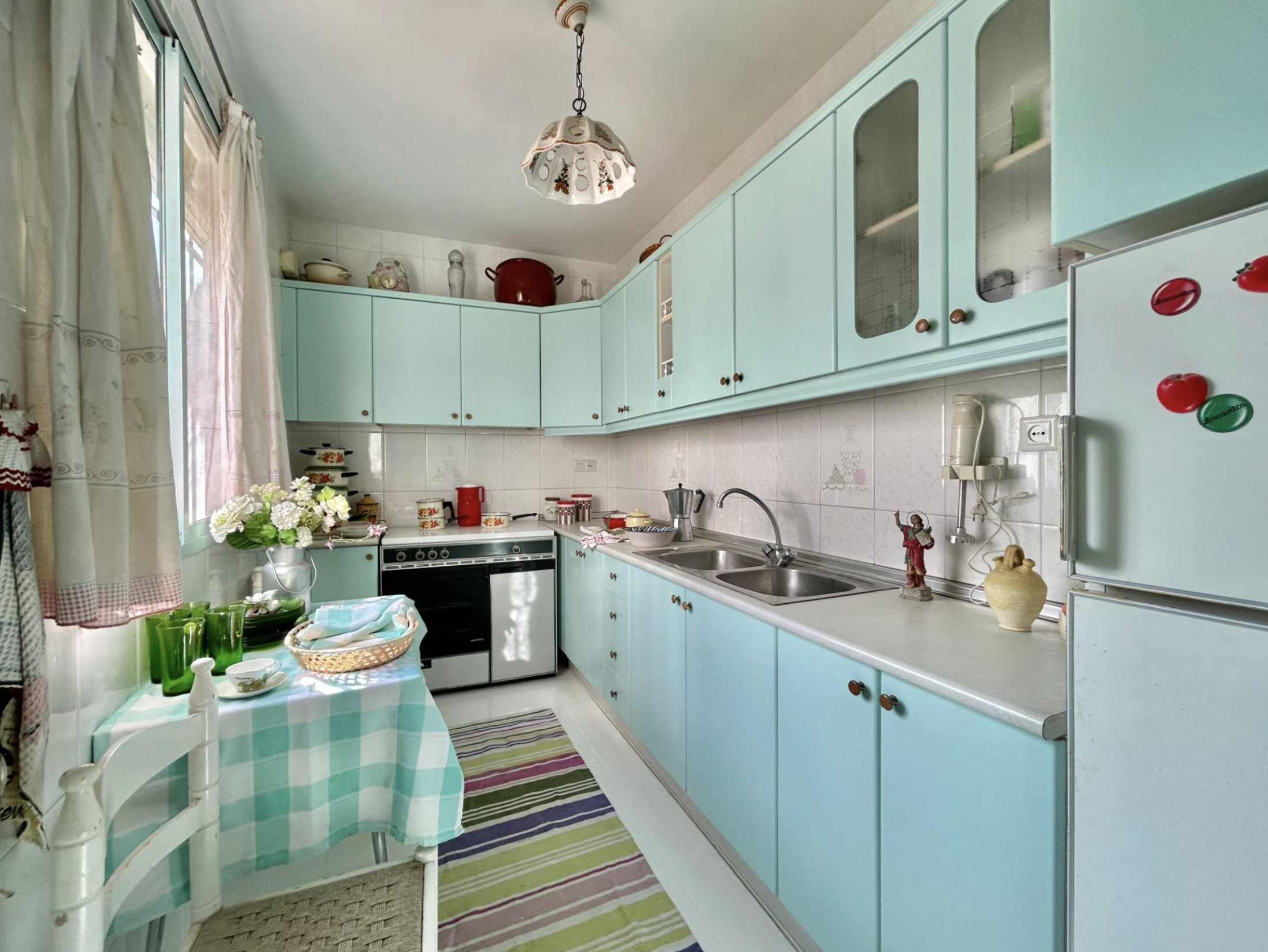
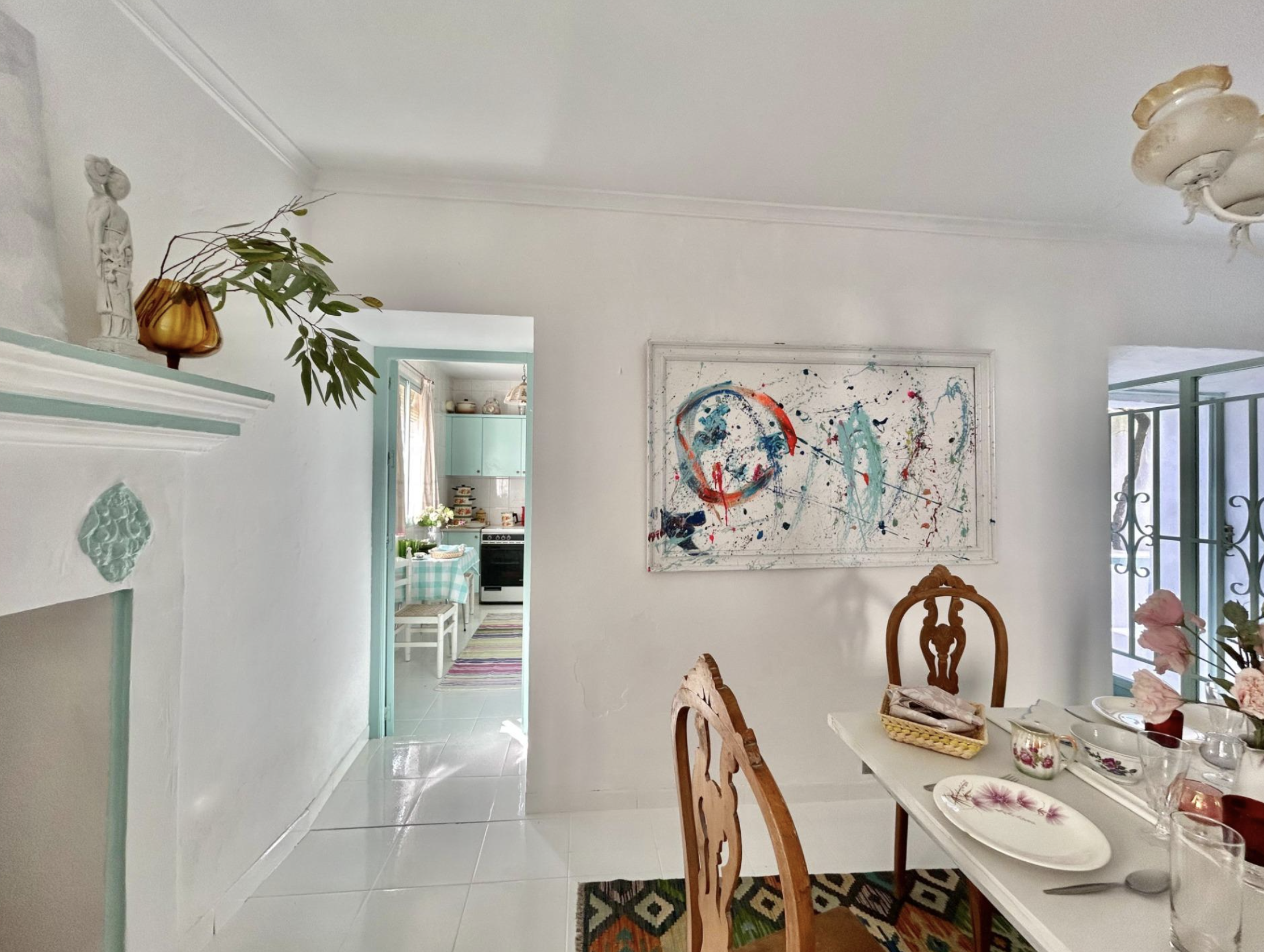
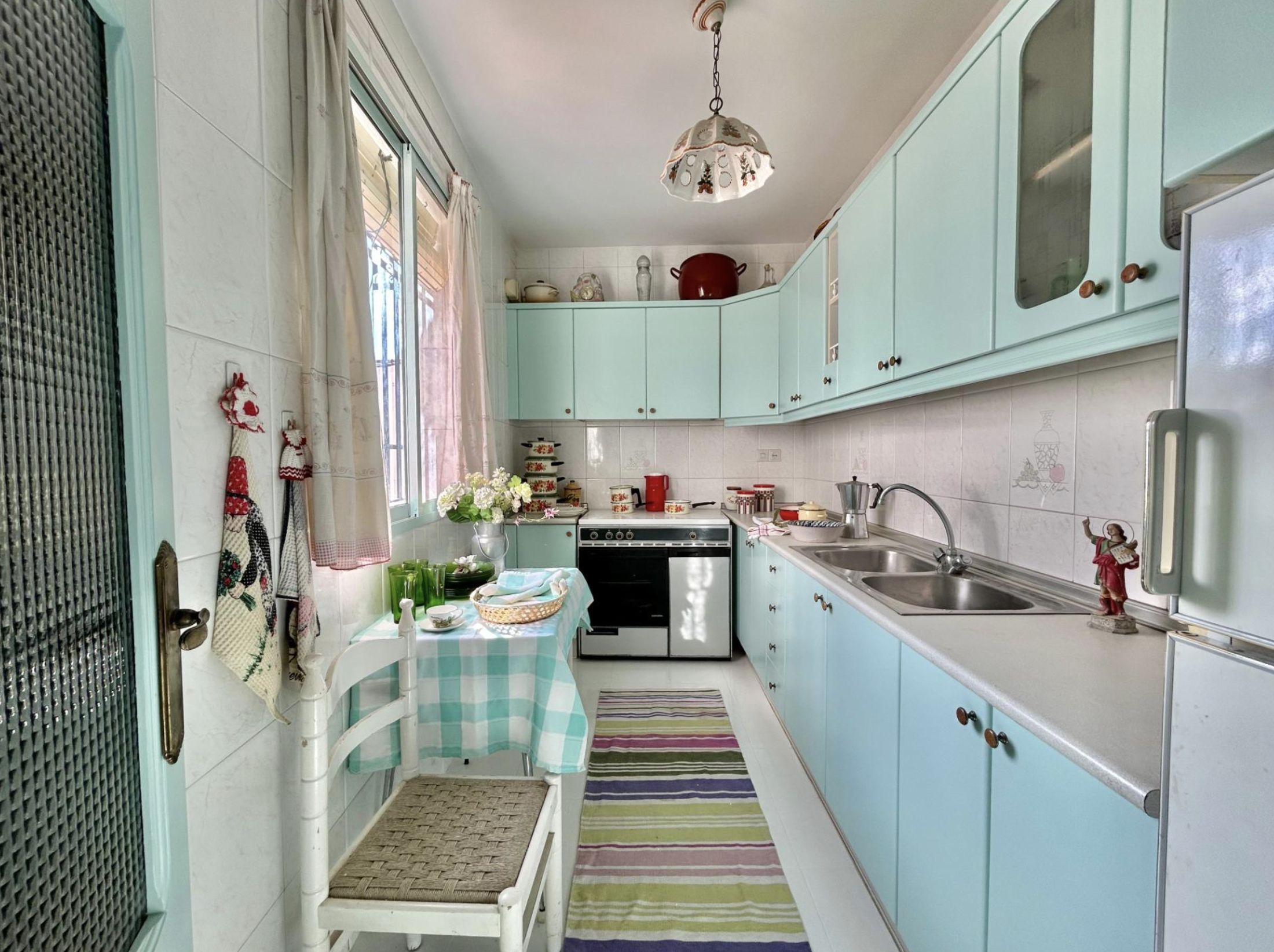
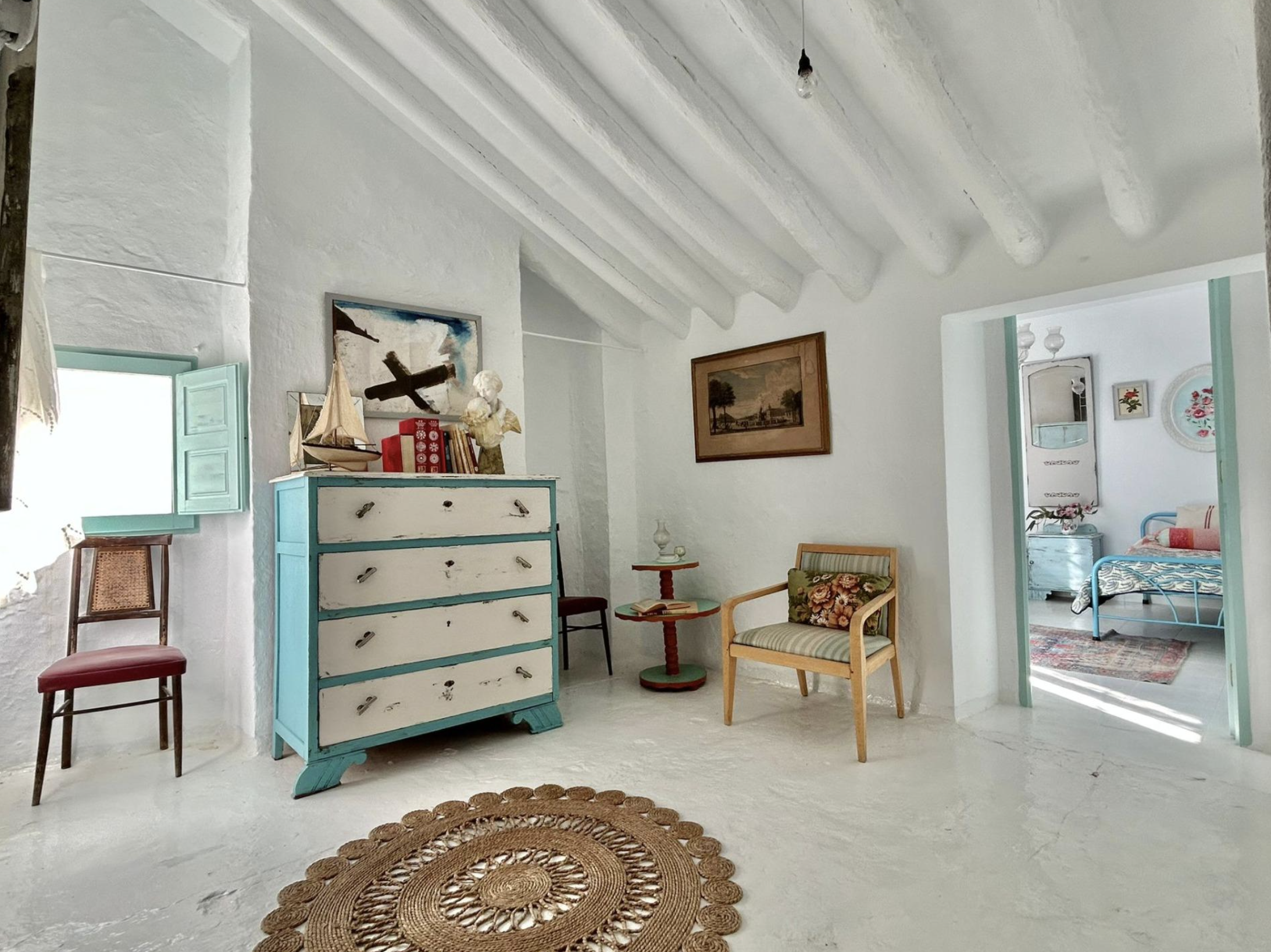
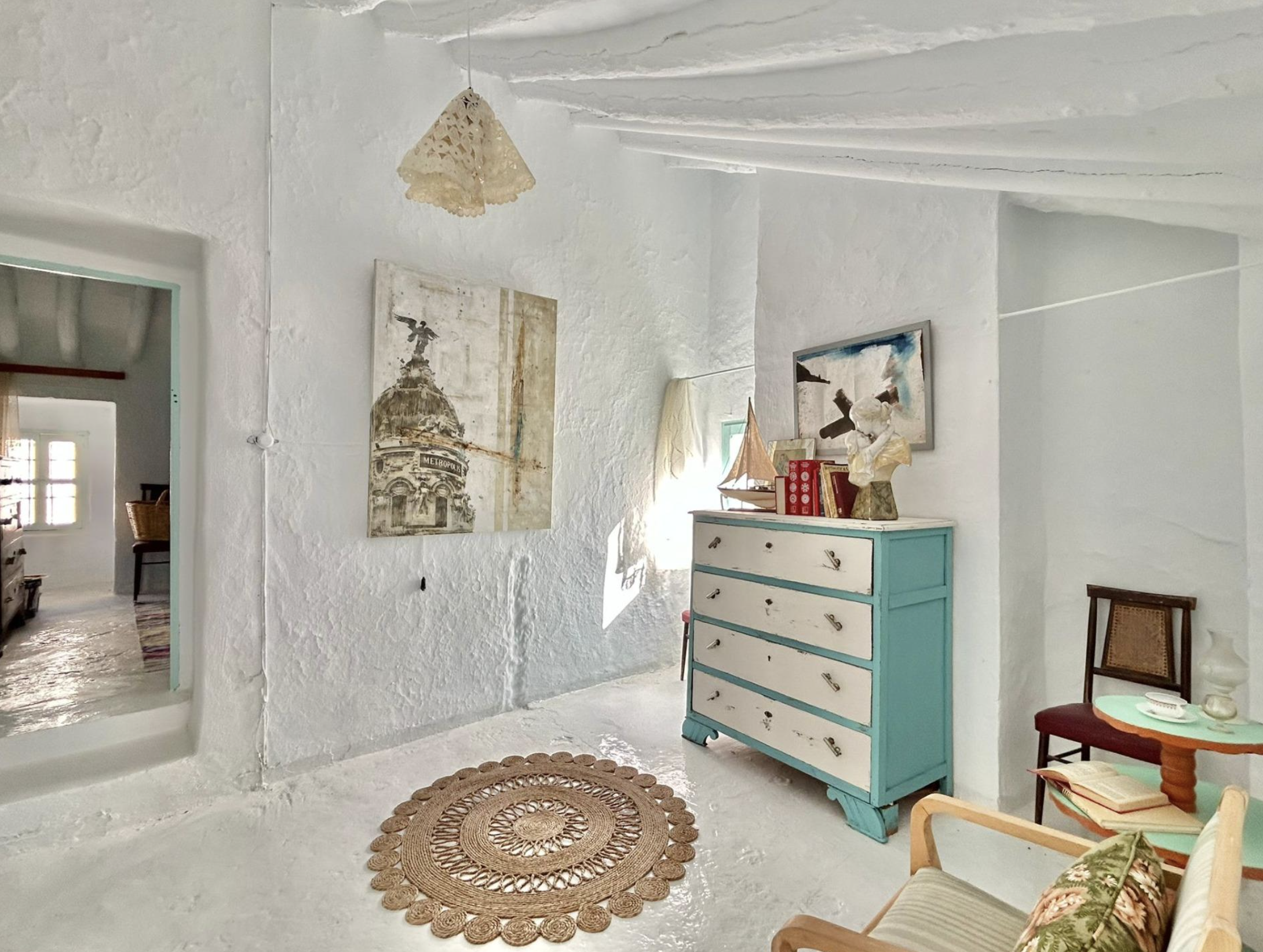
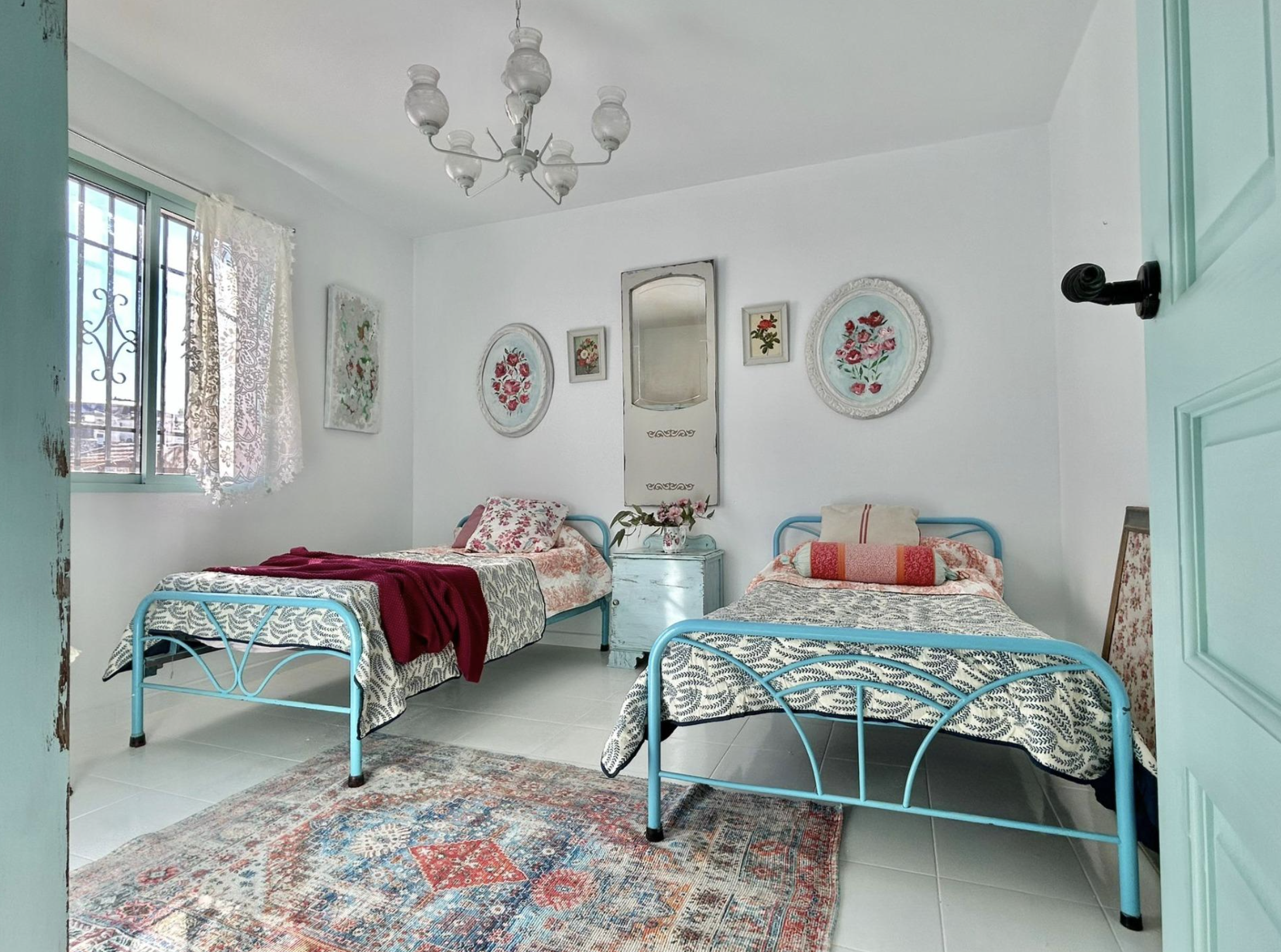
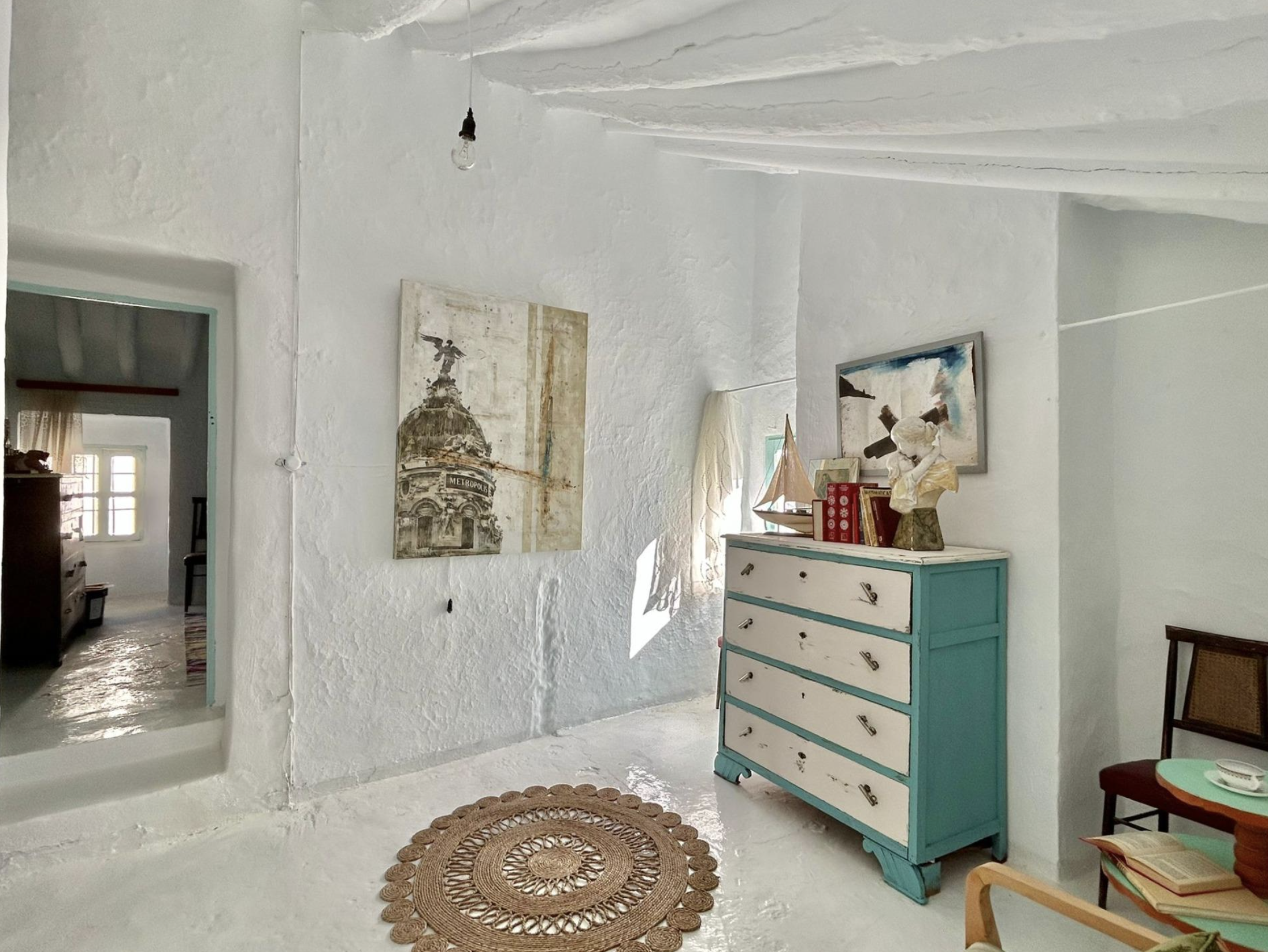
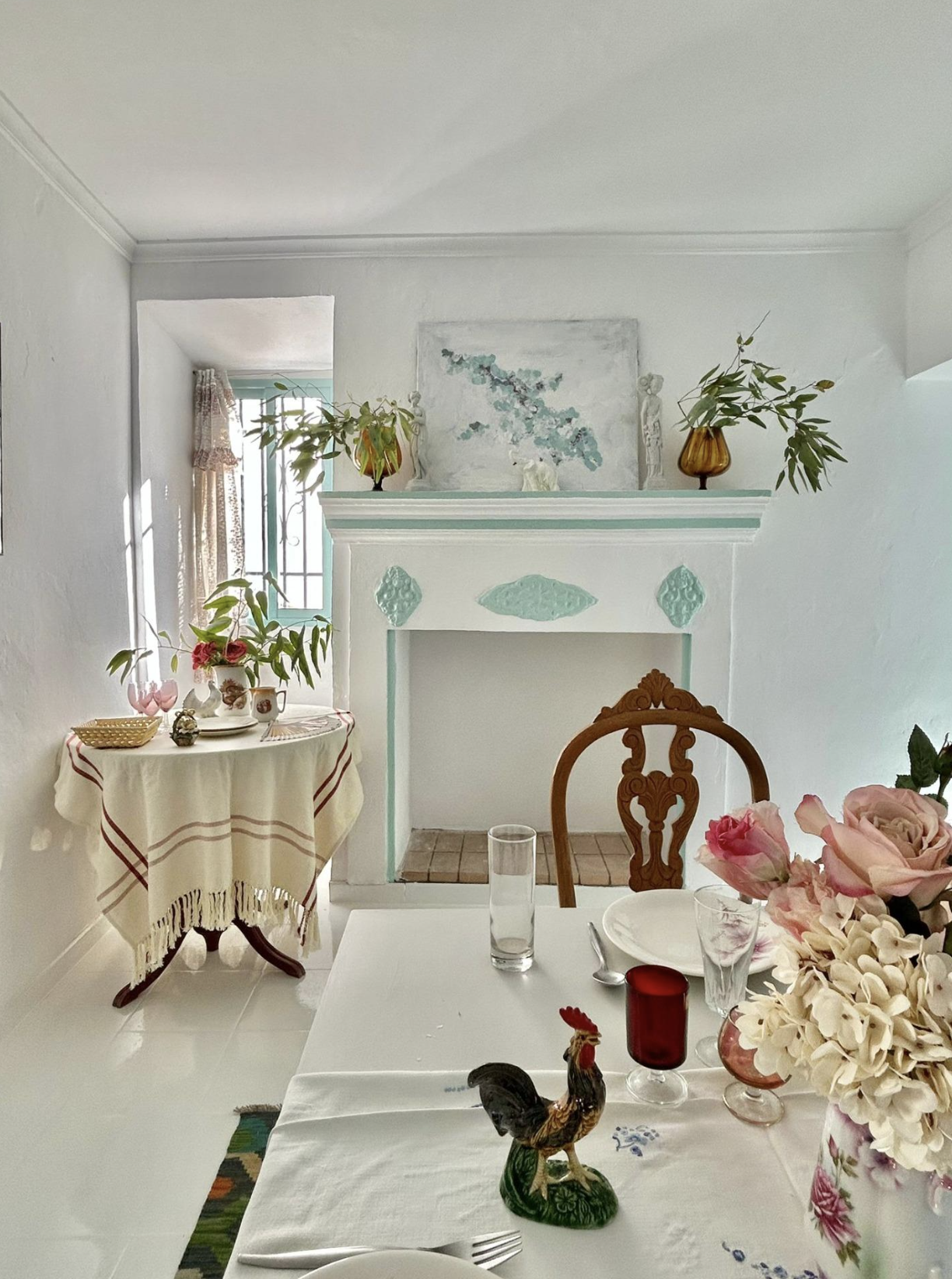
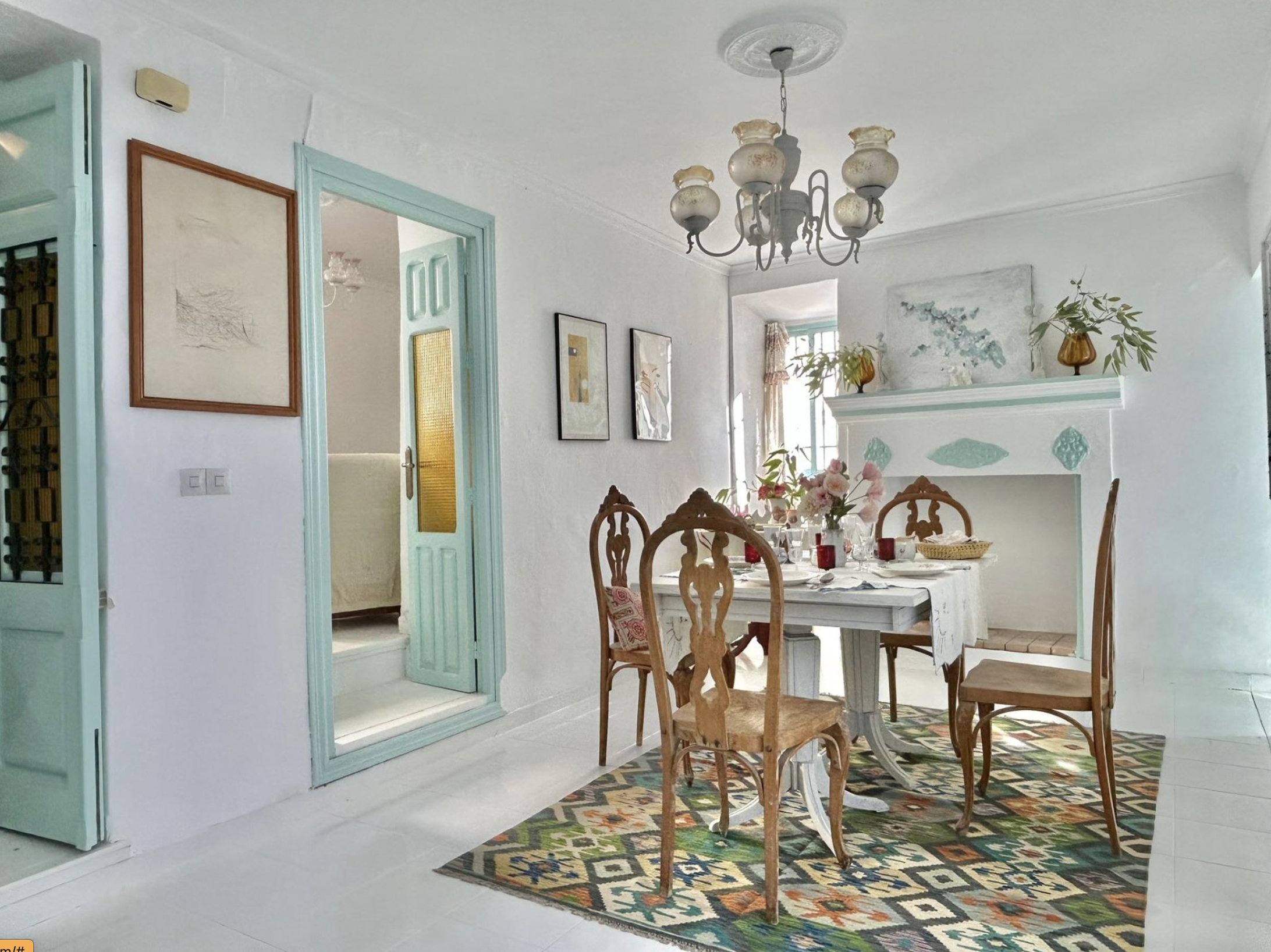
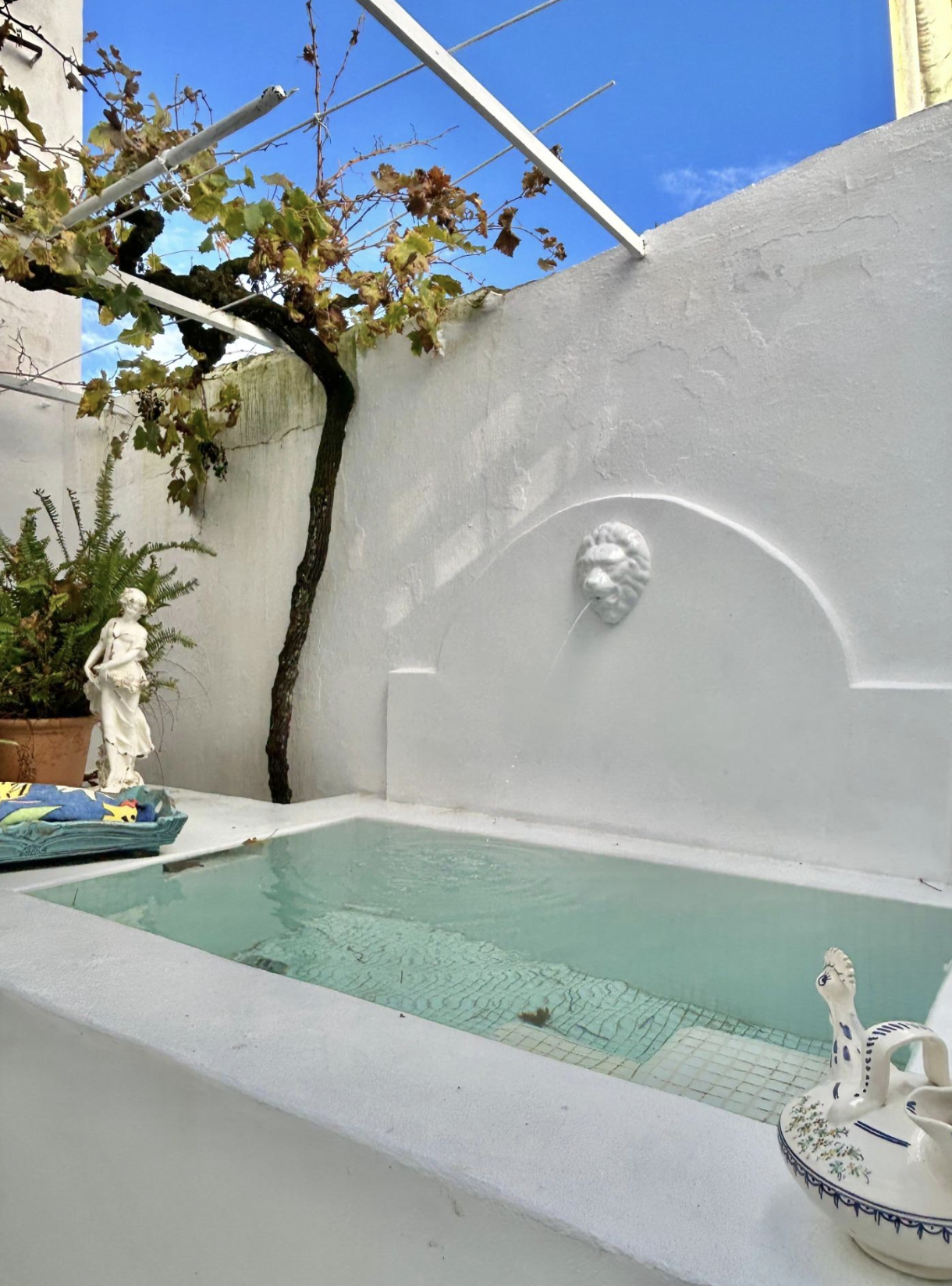
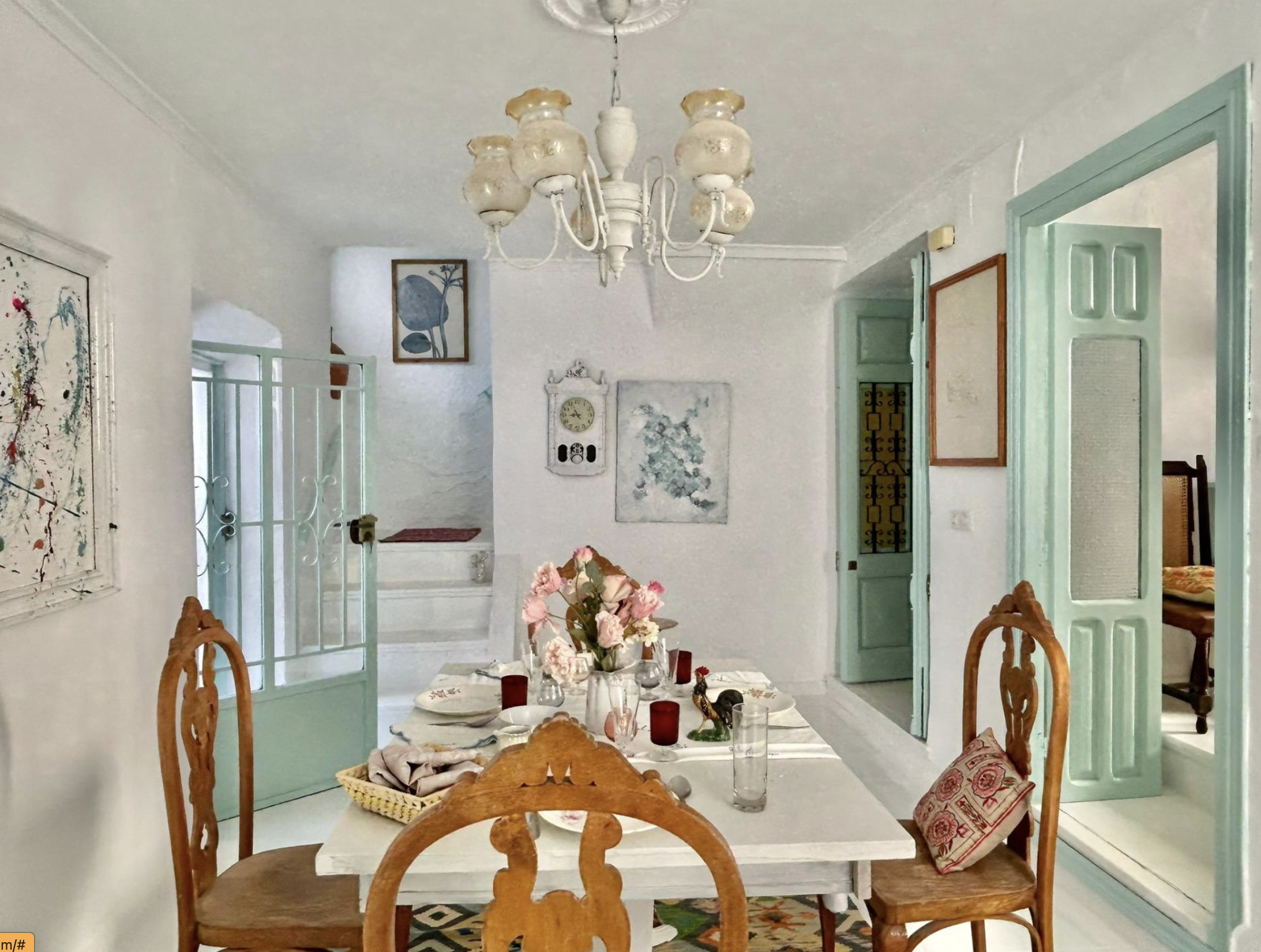
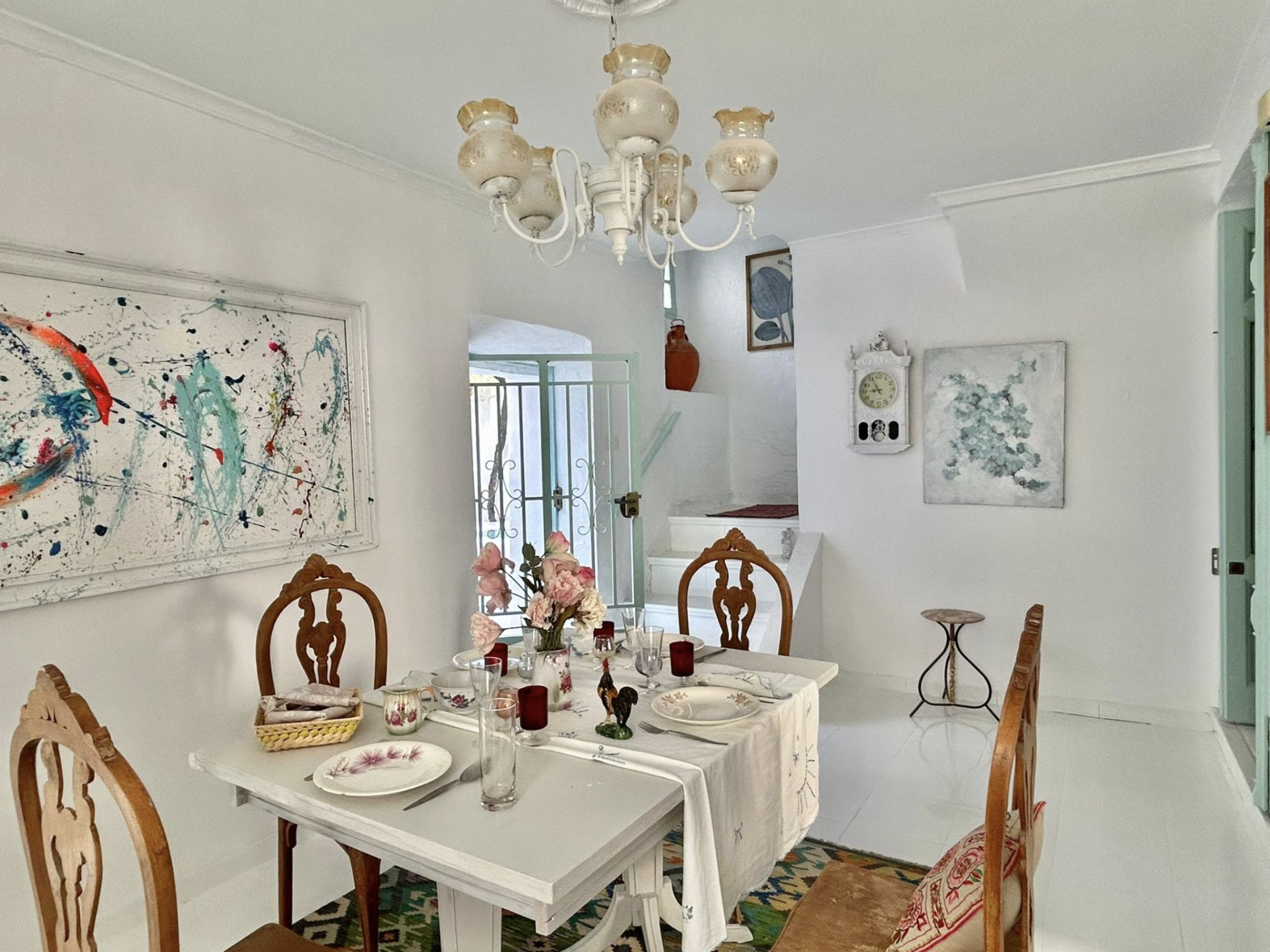
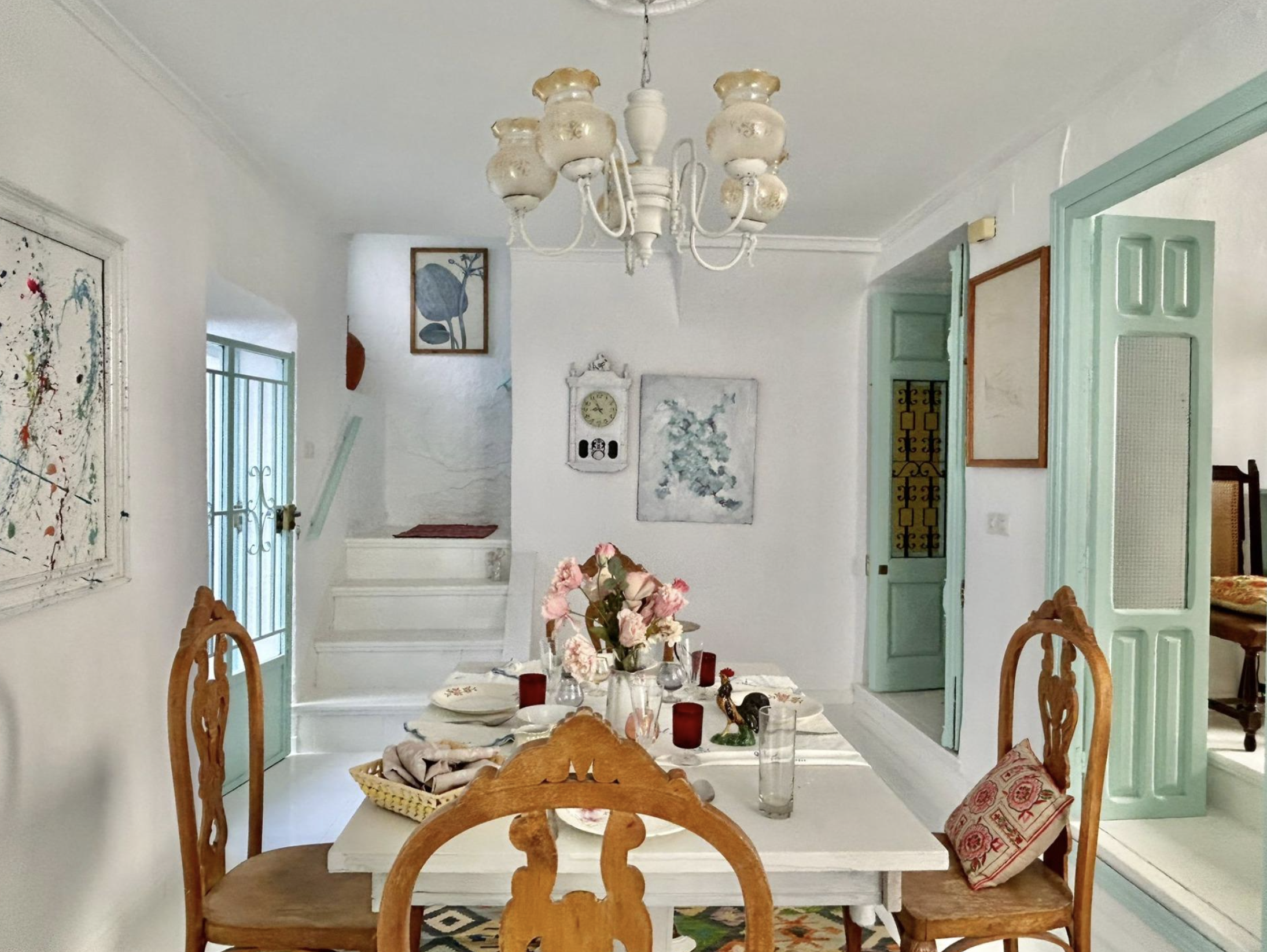
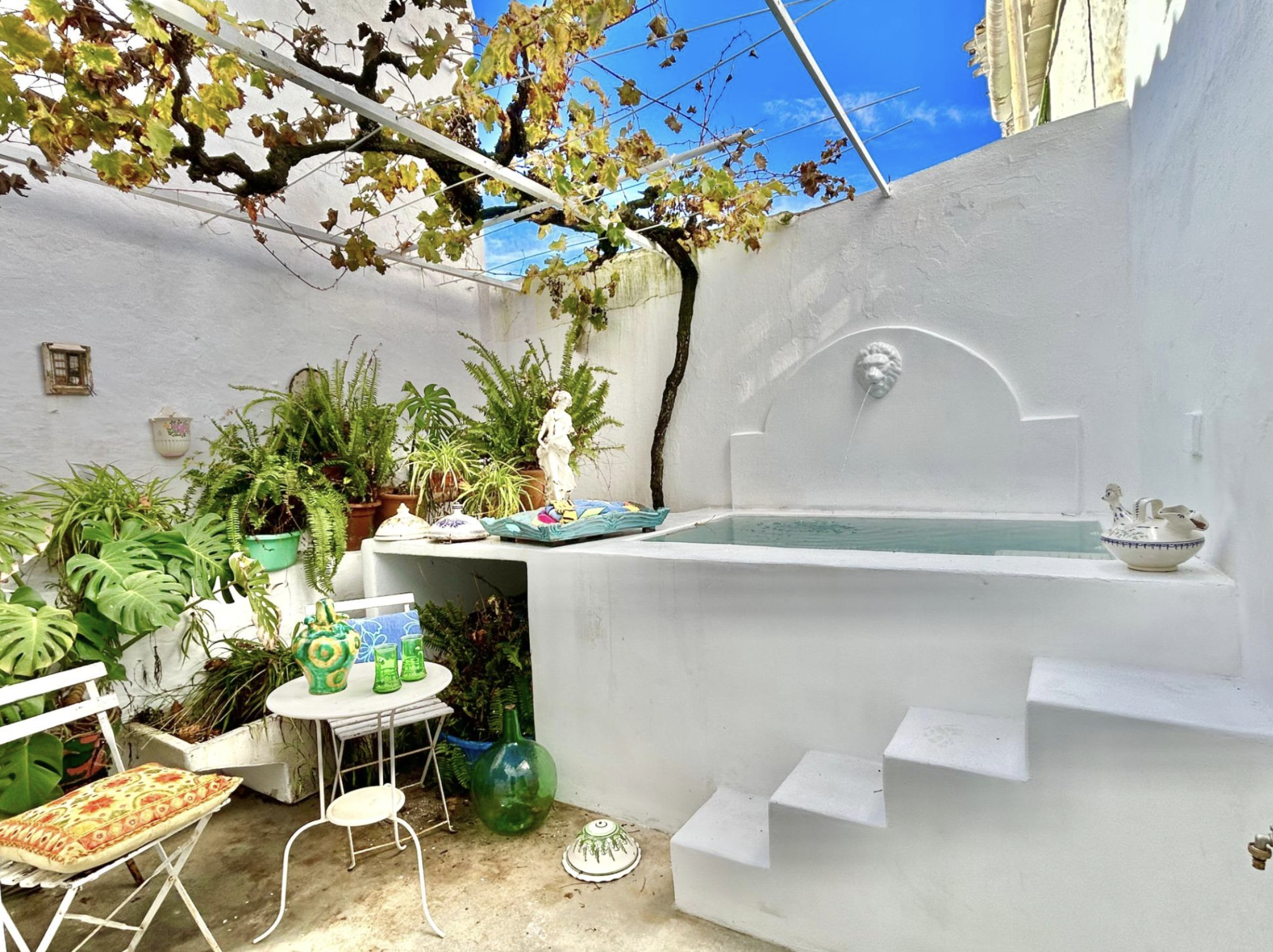
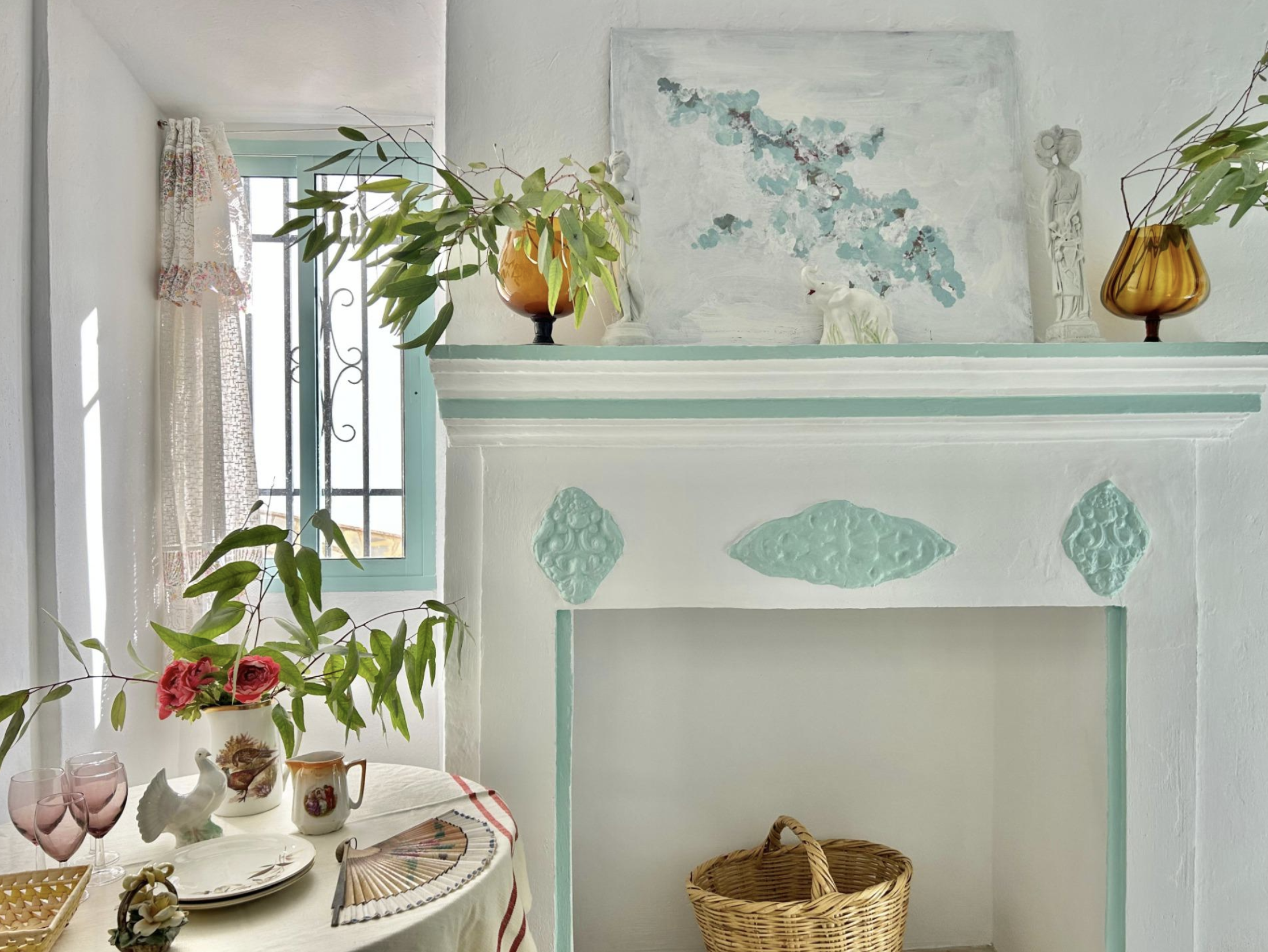
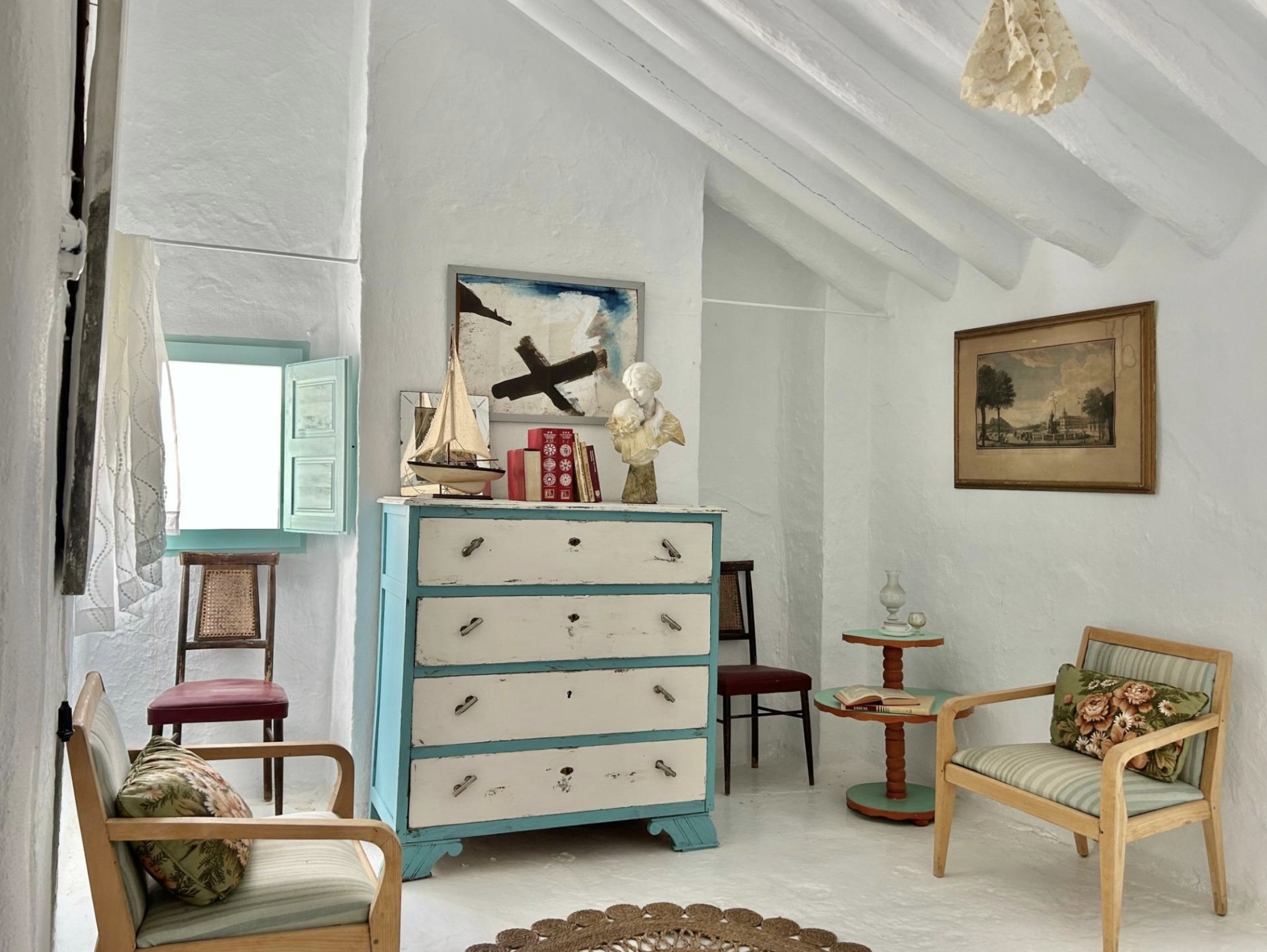
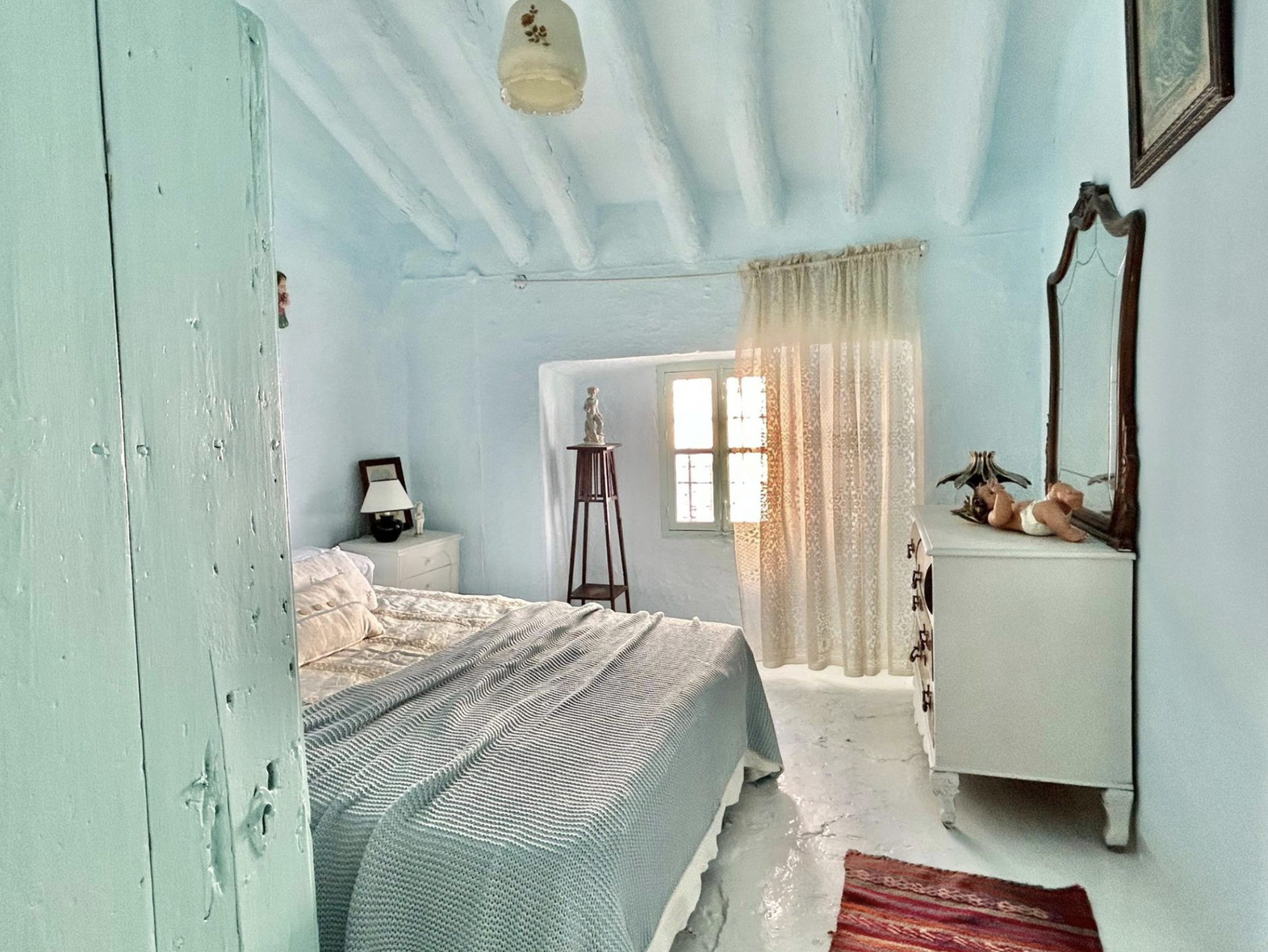
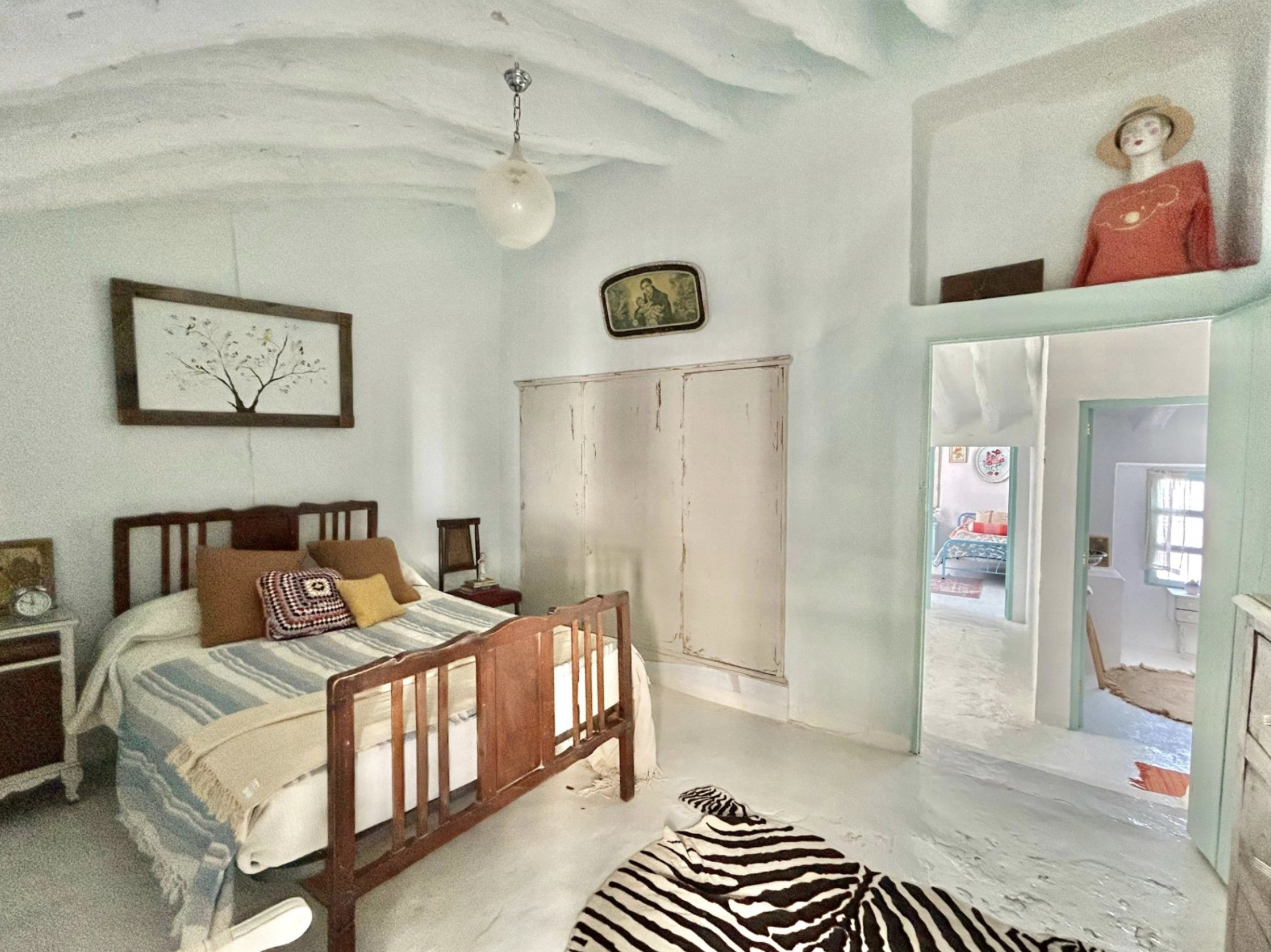
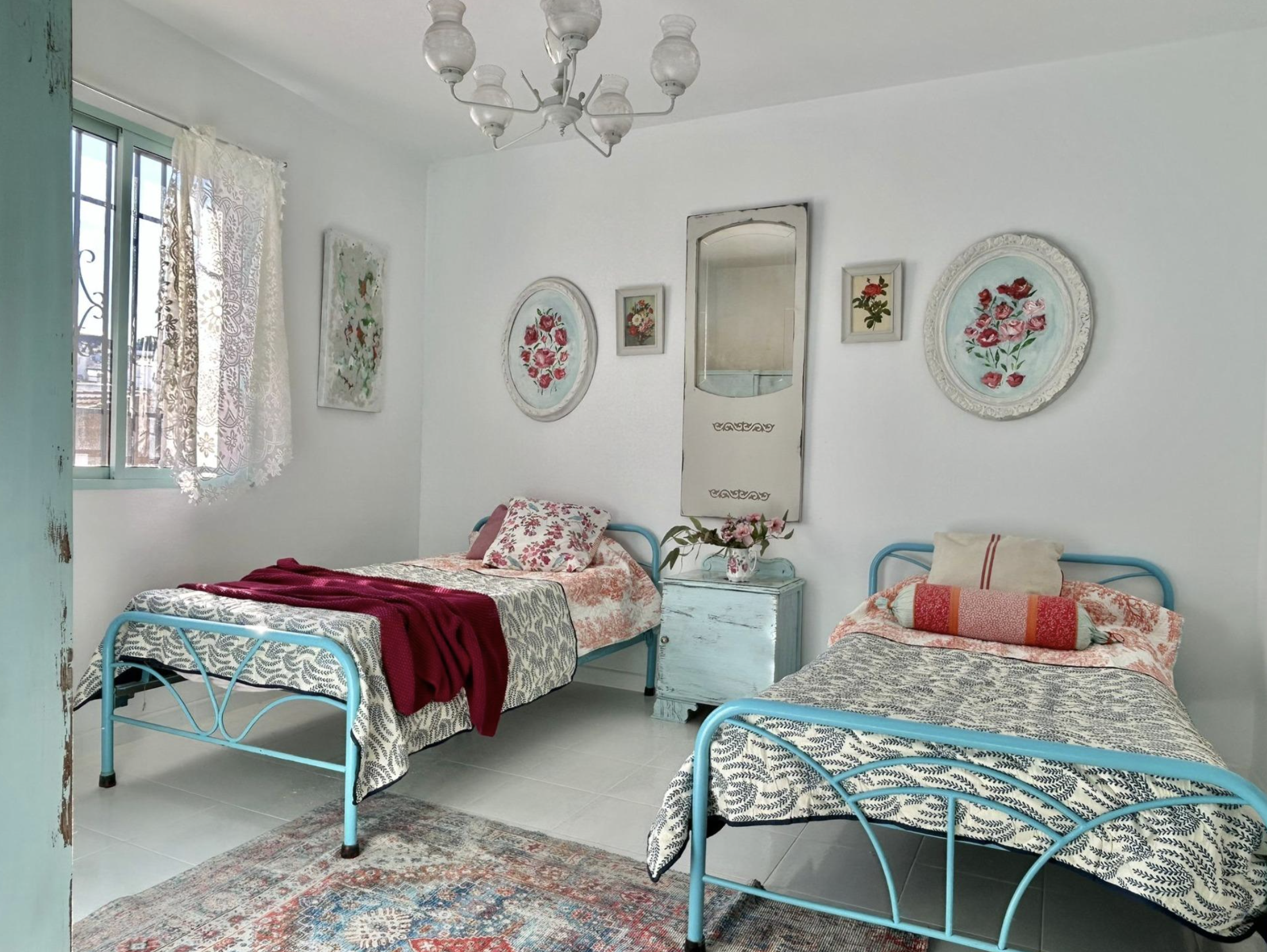
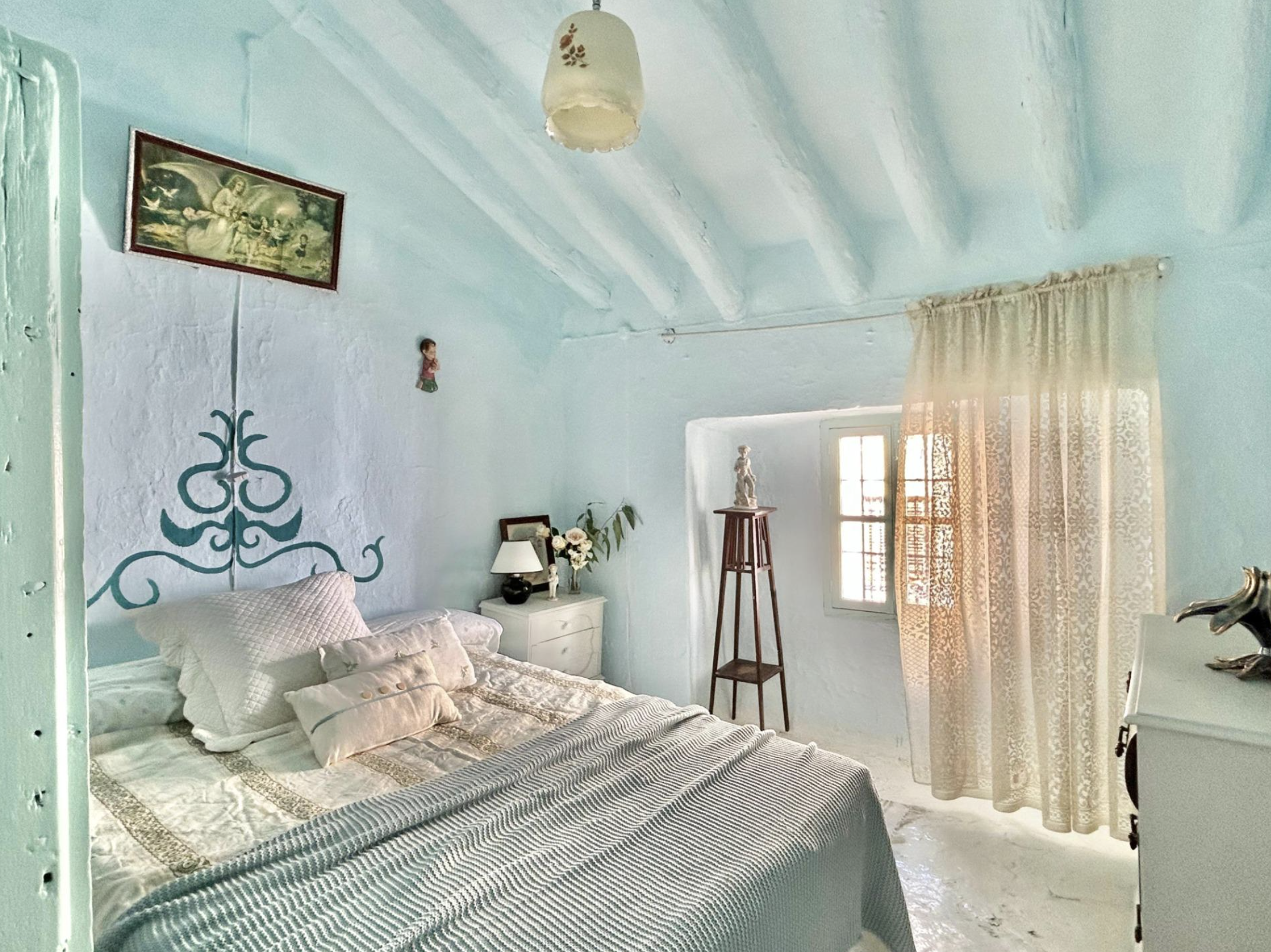
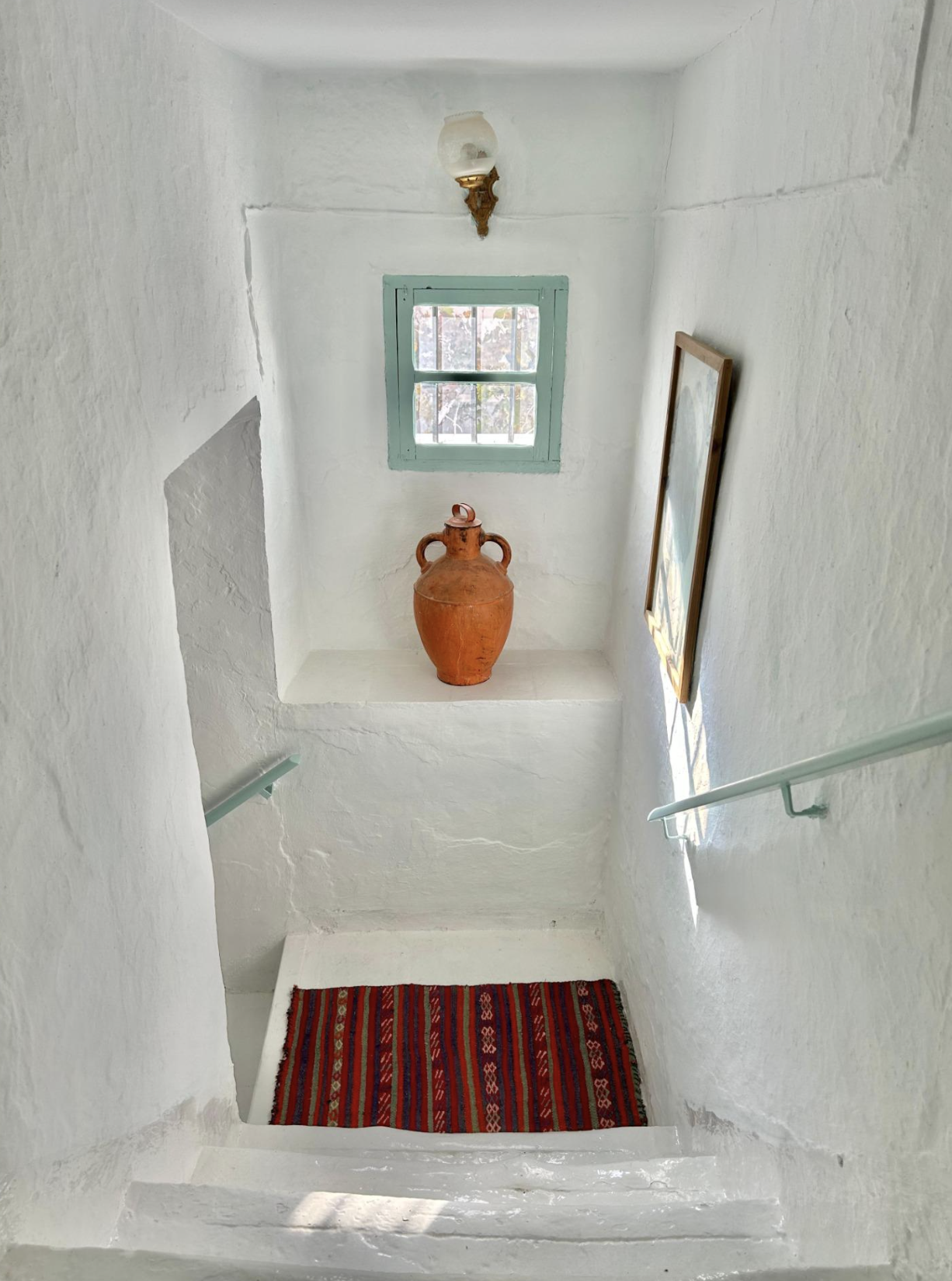
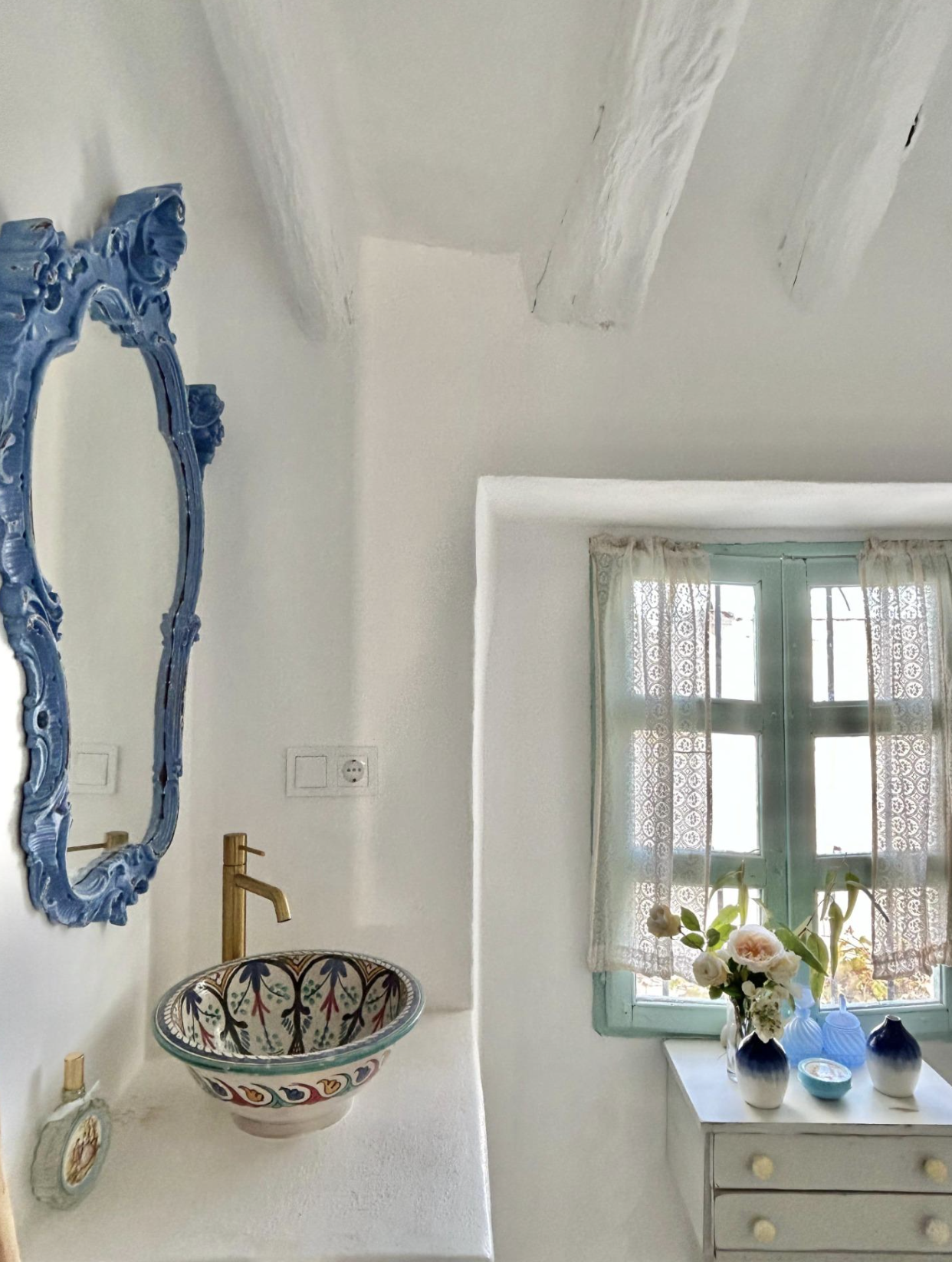
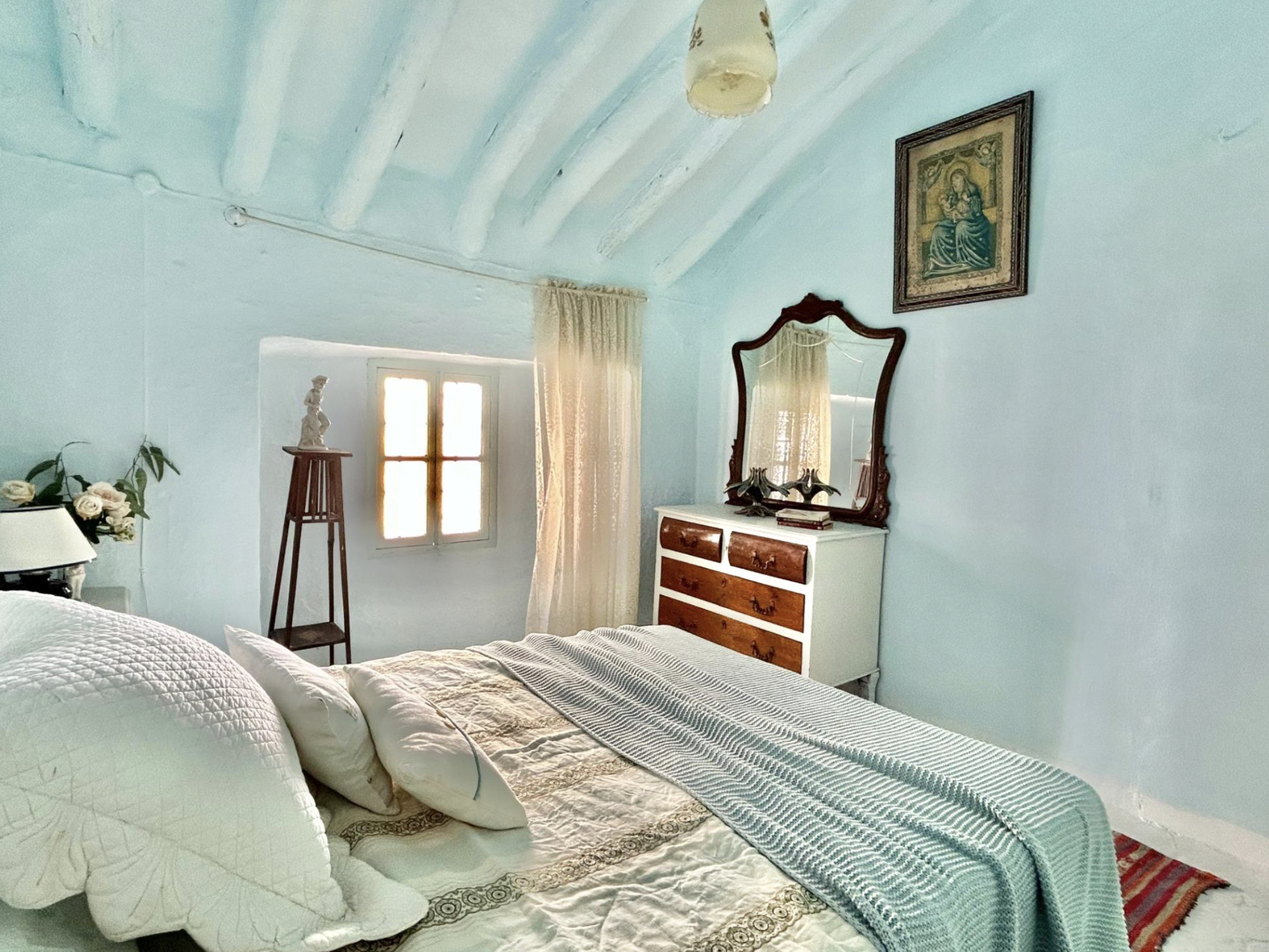
Living room, separate dining room, fully fitted kitchen, three bedrooms, two bathrooms, patio with plunge pool.
Finishes noted in listing
Ceramic floors throughout and wood exterior carpentry.
Positioning
Marketed as a properly renovated, central pueblo house suited to full-time living, holiday use or rental income potential.
Lifestyle angle
Walkable village-centre setting with shops and restaurants on foot, pedestrian-street outlook, and Málaga said to be under an hour by car.
Risk Radar
Overview
This is an appealing inland Andalusian house because the headline value is strong on paper. At €160,000, the buyer appears to be getting a sizeable three-bedroom, two-bathroom home in the centre of Archidona, with the unusually marketable bonus of a private patio plunge pool. The listing also presents the house as already renovated, which is positive, but it shifts the main due diligence question from "does it need work?" to "was the work done legally, competently and to a standard that will hold up once you own it?"
The biggest strategic issue is the Energy Class G rating. That matters not just because of running costs, but because the energy certificate should reveal where the house is underperforming, whether through single glazing, poor roof or wall insulation, older hot-water systems, inefficient heating or cooling, or a combination of these. A G-rated house can still be perfectly buyable at the right price, but only if the buyer quantifies what improvement path is realistic, what it costs locally, and whether the current asking price already reflects that burden. Under Spain's energy-certification framework, sellers must make the certificate available for sale or rental, and the certificate is intended to inform buyers objectively about energy performance and improvement potential.
The plunge pool is both a lifestyle asset and a technical liability point. In a compact pueblo setting, a pool can drive enjoyment and rental appeal, but it also raises questions about permits, drainage, filtration, waterproofing, neighbouring walls, access for repairs, and seasonal maintenance. Because the property is in a central, pedestrian-oriented location, practical village-life issues matter too: unloading, visitor parking, waste collection, internet quality, neighbour relationships, and whether the patio and any outdoor use are likely to generate friction.
Finally, rental potential needs separating into theory and reality. Andalusia continues to regulate viviendas de uso turístico, and municipalities can now impose local limitations on tourist-rental density or location. If the property is under a community regime, building-level rules can also matter, and since 3 April 2025 new tourist-use activity in buildings under horizontal-property rules may require express community approval depending on the setting. That means the buyer should not treat "rental potential" in the listing as bankable until the urbanistic, administrative and community position has been checked.
Targeted Questions
Planning, Title and Renovation Legality
A mismatch between registry, cadastre and actual layout can create problems later when financing, insuring, reselling or regularising alterations.
Buyers need to distinguish cosmetic improvements from major capital works such as rewiring, replumbing, roof works, structural opening-up or new drainage.
The legal status of works affects insurability, future resale, mortgageability and the risk of later enforcement or regularisation costs.
Pool legality and construction history can differ from the rest of the renovation and should be checked independently.
Completion paperwork helps confirm the scope of works that were signed off and whether the house has a clean post-renovation paper trail.
In Andalusia the relevant document may be a municipal licence of occupation or equivalent evidence, and the buyer should know exactly what exists rather than relying on generic terminology.
Altered layouts can affect structure, ventilation, drainage and legal conformity.
A room marketed as a bedroom may not always have the legal or practical characteristics expected for that use.
Pueblo houses can carry hidden neighbour-related complications that do not appear in marketing copy.
Documentary evidence helps a buyer assess quality, compare contractor scopes and pursue follow-up questions before exchange.
Energy Rating and Upgrade Path
The full report should identify where the house loses energy and which improvements would move the rating most efficiently. Spain requires the energy certificate to be available to buyers and users when a property is sold or let.
Different causes of a G rating produce very different upgrade budgets.
Window specification often has a direct effect on comfort, condensation and heating demand.
The most expensive energy problems often come from the thermal envelope rather than appliances.
Running costs and upgrade strategy depend heavily on whether the house uses electric resistance, split units, gas, pellets or another system.
Real operating costs are often more useful than assumptions, especially in a house with a poor energy rating.
A poor rating sometimes points to real habitability issues that styling and fresh finishes can hide.
It helps reveal whether the G rating is the residue of a phased project or evidence of shallow refurbishment.
The energy certificate becomes a negotiation tool only when the likely cost of improvement is quantified.
Available incentives can materially affect the true net cost of upgrading, though they must be confirmed independently.
Domestic hot water can be a major contributor to poor energy performance and user frustration.
In inland Andalusia, summer heat management affects comfort almost as much as winter efficiency.
Building Condition and Systems
Roof condition is one of the biggest future cost items in older-style Spanish houses.
Moisture problems can be expensive to diagnose and often reappear after cosmetic refurbishment.
Buyers need to know whether the house has modern electrical capacity or a partly modernised system behind new finishes.
Old mixed plumbing systems can create future leak and maintenance risk.
Bathrooms can look new while still hiding ventilation or sealing issues.
Localised movement around wet outdoor areas can indicate drainage or structural stress.
A recent professional opinion can reveal whether the renovation was mostly surface-level or structurally meaningful.
Transferable guarantees reduce early ownership risk and provide evidence of recent investment.
Fibre availability and indoor mobile performance can materially affect daily usability and rental appeal.
Pueblo-centre properties can suffer from infrastructure quirks that are not obvious on a short viewing.
Plunge Pool, Patio and Outdoor Use
Pool legality is essential because unauthorised exterior works can be far harder to regularise than interior cosmetic changes.
Size and build type affect maintenance, repair risk and usability.
A pool can become a hidden maintenance drain if core equipment is near the end of its life.
Water escape in compact village properties can damage both the house and neighbour relations.
Disposal arrangements can matter in tight urban settings and may indicate whether the installation was professionally designed.
Exclusive-use rights should never be assumed simply because an outdoor area appears enclosed.
The practical value of outdoor space depends on how freely it can actually be enjoyed.
Poorly ventilated patios can become a source of damp, algae and slippery surfaces.
Access constraints can turn a simple repair into a disproportionately expensive job.
Village Life, Access and Practicality
In a central pueblo house, daily convenience can rise or fall on parking practicality rather than charm.
Buyers need to know whether parking is merely possible or genuinely workable long term.
Access affects day-to-day life and the cost of any future works.
The social character of the street influences noise, security, seasonality and resale appeal.
Even where a house feels independent, shared roofs, walls, drains or passages can create recurring obligations.
Shared obligations can materially change the economics of ownership.
Village-centre convenience matters more in practice than it does in listing photography.
A charming central setting can also bring noise patterns that only become obvious on longer visits.
Rental Potential and Exit Strategy
Prior operating history may reveal what is realistically possible rather than theoretically possible.
Existing registration is materially different from having to apply afresh under the current rules. Andalusia's tourism authority confirms the applicable tourist-housing framework under the consolidated Decree 28/2016 as modified by Decree 31/2024.
Since Decree 31/2024, municipalities in Andalusia can impose proportionate limits by building, sector, zone or period.
Since 3 April 2025, Spain introduced new building-level consent rules for new tourist-use activity in certain community settings, which can directly affect rental strategy.
A conservative long-let scenario is often the safer baseline for buyer underwriting.
Inland demand patterns are often more modest and more seasonal than coastal marketing language suggests.
Understanding what is really underpinning value helps the buyer negotiate from a more rational base.
Negotiation Intelligence
Buyer Leverage
Medium-High
Key Drivers
Typical Negotiation Range
5-15% below asking
Neutral Phrasing Examples
Country Layer
Spain (Regulatory Context March 2026)
Key Spanish and Andalusian requirements for buyers:
For this specific property, the country-level takeaway is simple: verify the energy certificate, verify the occupancy-status evidence, verify pool and renovation permissions, and verify short-term-rental feasibility at three levels if relevant, namely municipal, tourism-registration and community/building level.
Viewing Strategy
When viewing, start outside and work in.
Next Step
Verify from the listing:
Renovation legality and scope
Request the permissions, invoices and completion records for the renovation so you can confirm whether the house was comprehensively upgraded or mainly cosmetically improved.
Energy Class G upgrade path
Obtain the full energy certificate and use it to identify the real causes of the low rating, the most efficient remedial works and the likely budget impact before agreeing a price.
Plunge pool permits and condition
Confirm that the pool was lawfully installed and check its waterproofing, filtration system, maintenance history and any evidence of leakage or neighbour-related risk.
Occupancy and tourist-rental position
Verify what occupancy-status document the property relies on and whether any future tourist use would be permitted at municipal, tourism-registration and, if relevant, community level.
Parking and pueblo-centre practicality
Test the real parking, unloading and day-to-day access arrangements rather than assuming the charming central location will work smoothly in practice.
A prepared buyer should approach the agent calmly and frame questions as due diligence. For example: “To help me assess the property properly and prepare a serious offer, could you share the full energy certificate, the renovation and pool paperwork, the occupancy documents, and any information you have on tourist-rental eligibility and practical parking arrangements?”
Because this is a central Archidona pueblo house where energy risk, renovation proof and pool legality all materially affect value, run it through the European Property Energy Risk Assessor to quantify the implications of the G rating, or use the Renovation Budget Planner to model the likely cost of the upgrades and contingencies before you negotiate.
Disclaimer: The Property Drop is buyer-focused intelligence, zero sales agenda. We curate exceptional properties, in southern Europe, from third-party agents and arm you with decision tools. No commission, no transactions, no agent partnerships, no skin in the game beyond helping you choose wisely. Information stays accurate until it doesn't (properties sell, prices shift, markets move). Everything here is shared for informational purposes only and should not be treated as legal, financial, or investment advice. Images belong to original agents. Read our Terms of Service to learn more.
IMPORTANT REMINDER: When contacting property agents featured on The Property Drop, you are entering into direct communication with third parties. It's recommended that you verify all property details independently, conduct thorough due diligence, engage qualified professionals (solicitors, surveyors, financial advisors), understand your rights and obligations under local property laws, and never send money or make commitments without proper legal protection.
