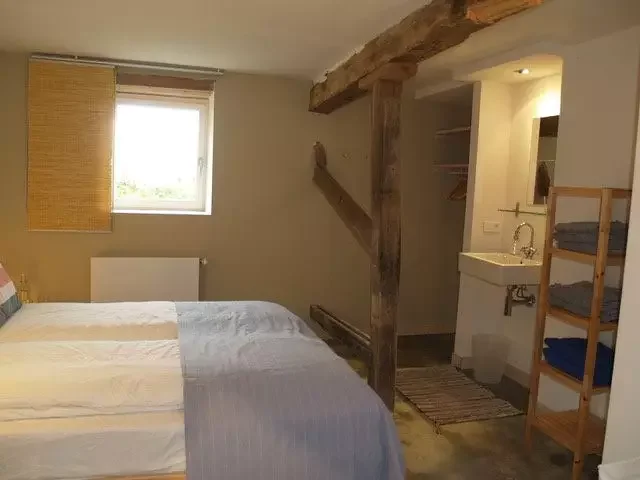
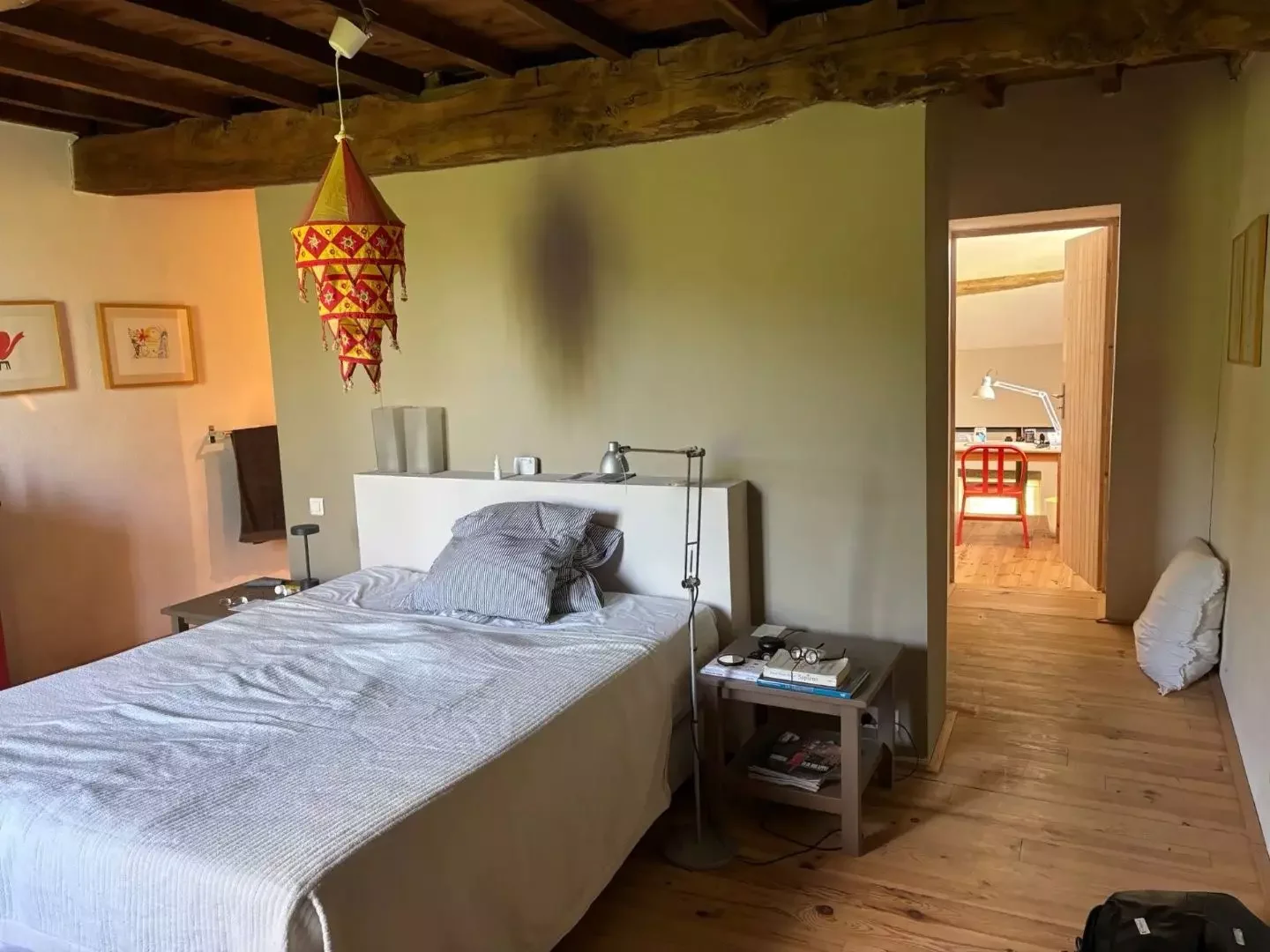
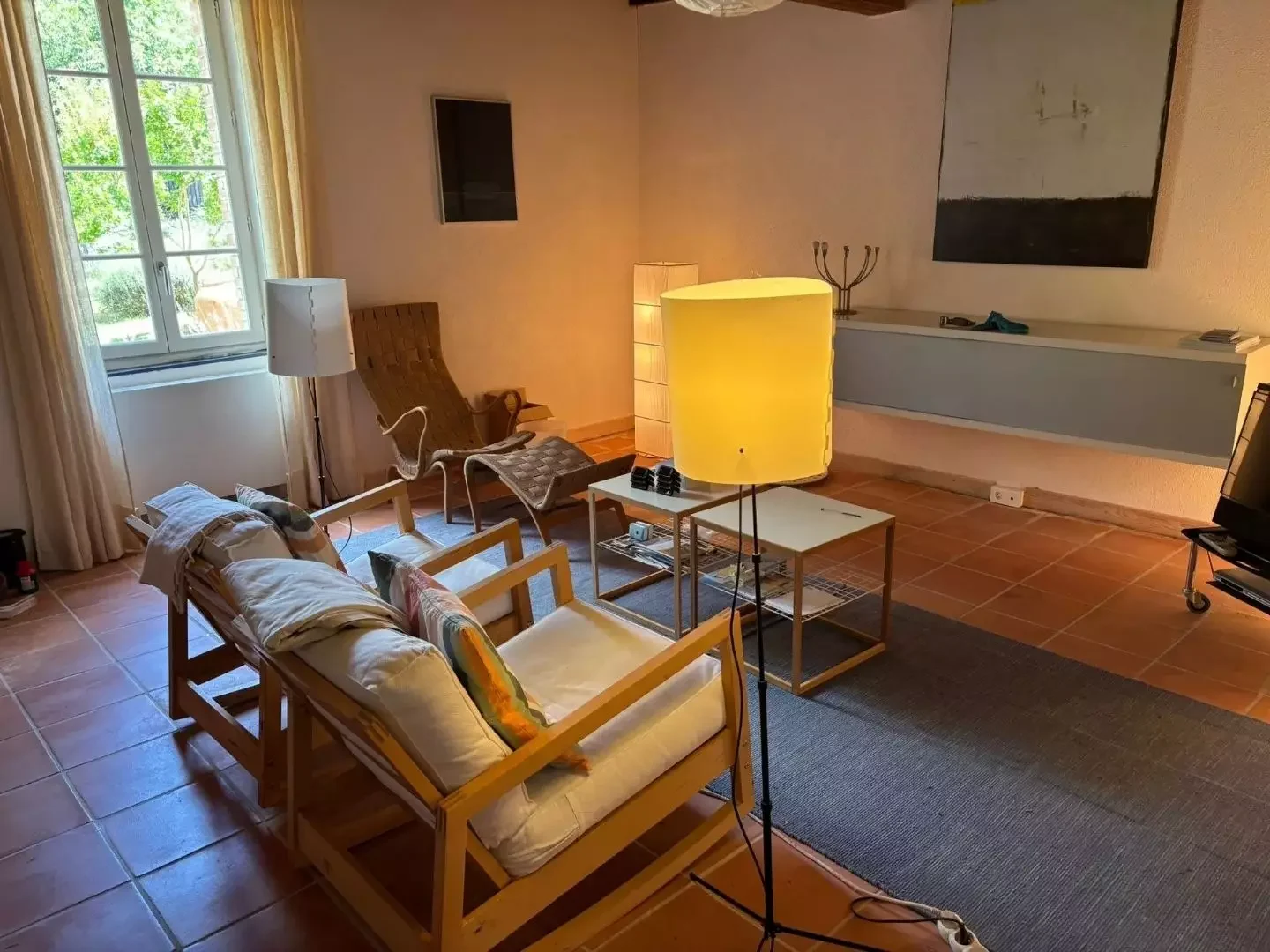
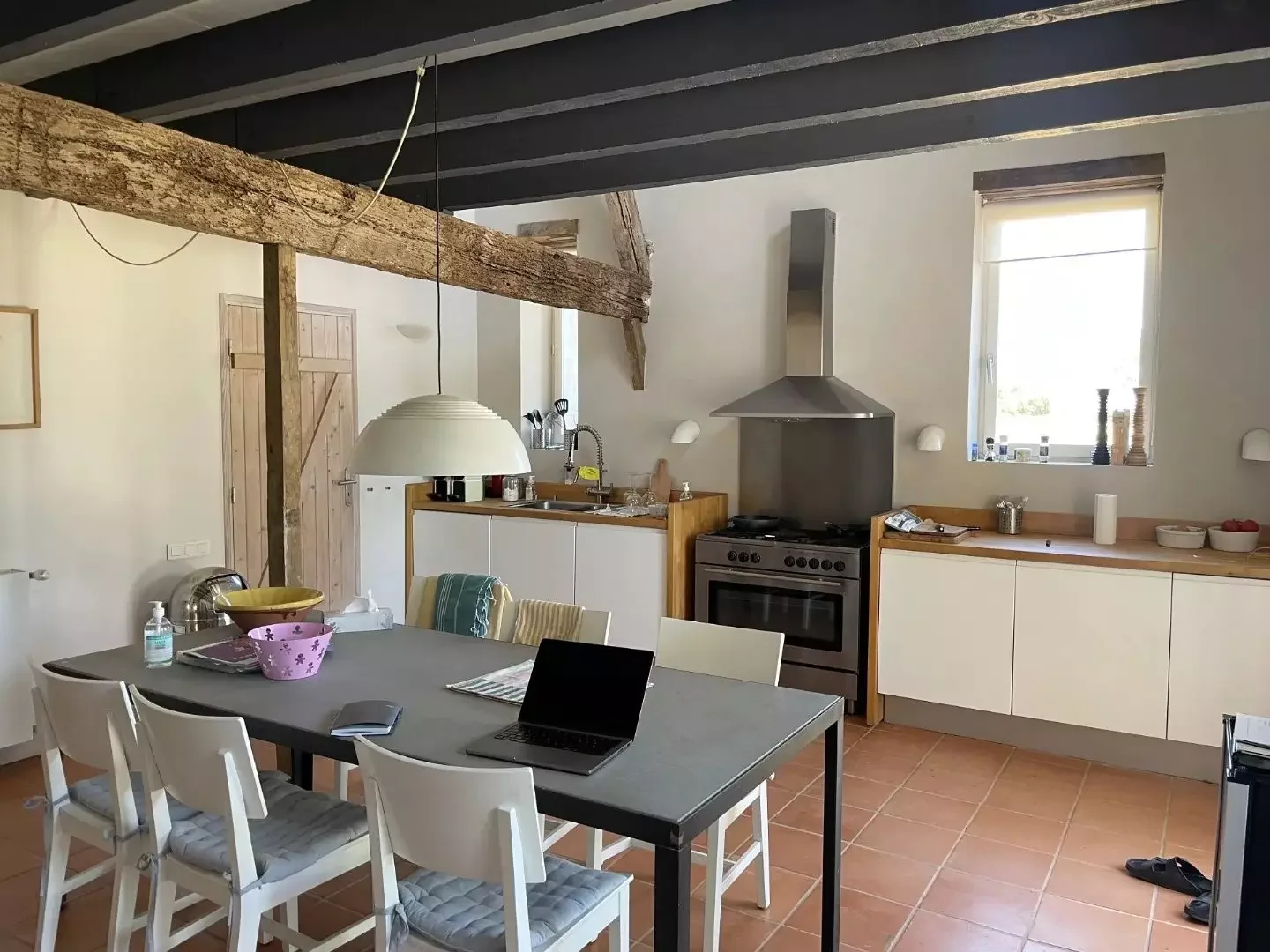
The Buyer Playbook: 6-Bed Stone Manor with Independent Guest Suites and Pool, Ambax Heights, France €430,000
France Pre-Viewing Intelligence

Buyer Playbook

Pre-Viewing Intelligence Report

This independent buyer guidance report relates to this specific property located in France. It is provided for informational purposes only and does not constitute legal, tax, structural or survey advice. Planning permissions, habitability, chambres d'hôtes compliance, drainage, water, pool safety, land boundaries, title position, access rights, and any business-use implications must always be verified with qualified French professionals such as a notaire, avocat, architecte, diagnostiqueur, surveyor, engineer or licensed property consultant, and with the relevant mairie and other local authorities. This report is designed to help buyers evaluate the property before arranging a viewing or making an offer. It highlights due diligence issues and targeted questions to ask the estate agent. The analysis is based on the listing details and publicly available regulatory context at the time of writing.

Property Snapshot

Location

Ambax, Haute-Garonne, Comminges countryside, France

Property type

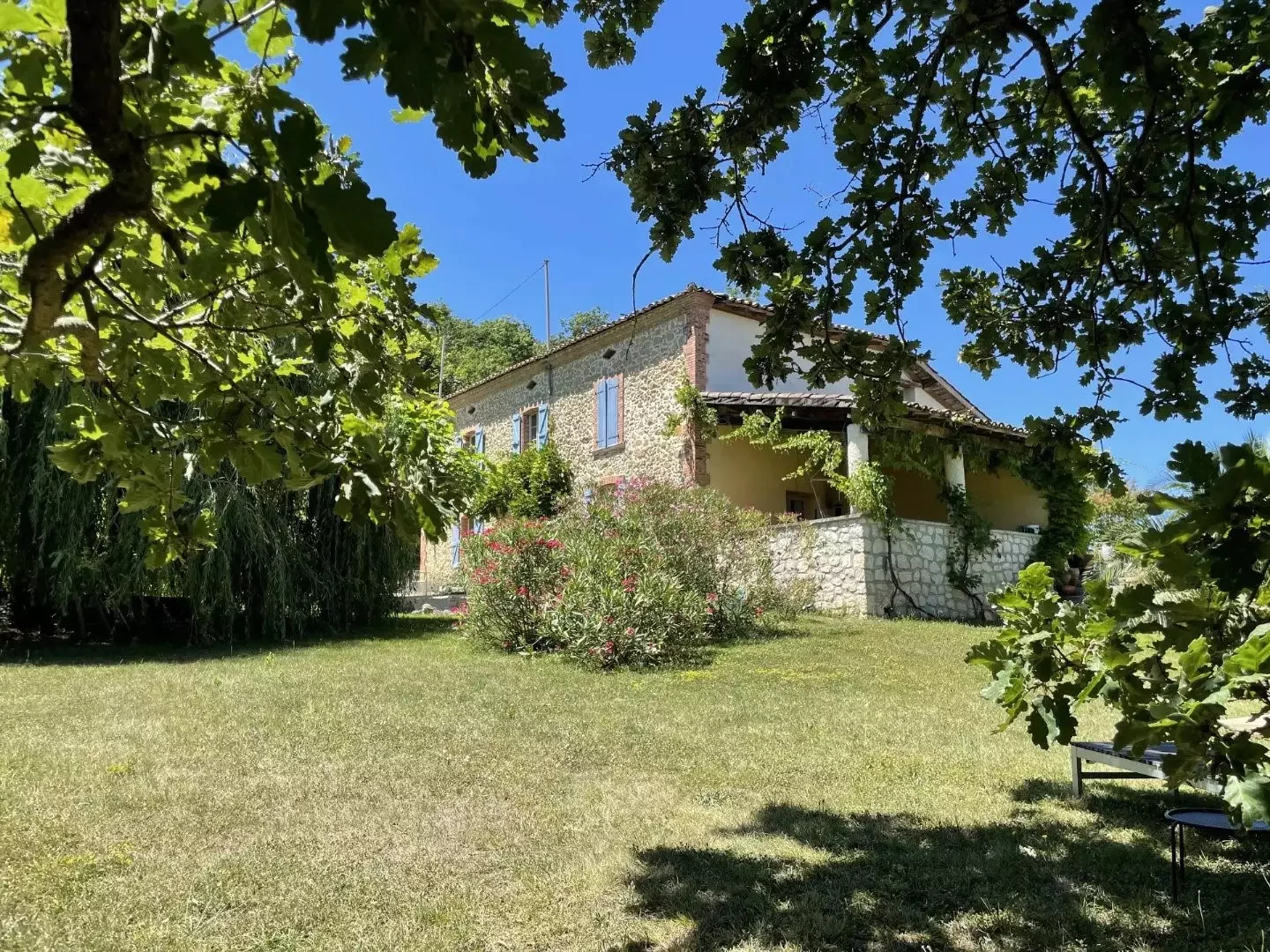
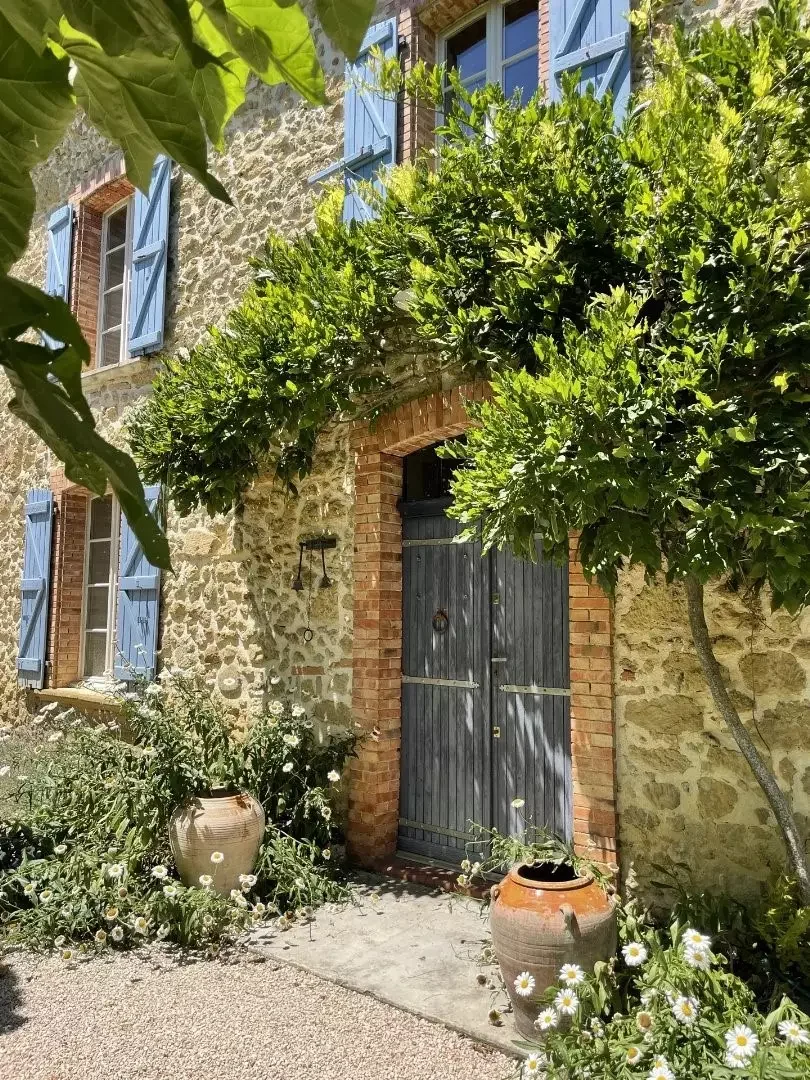
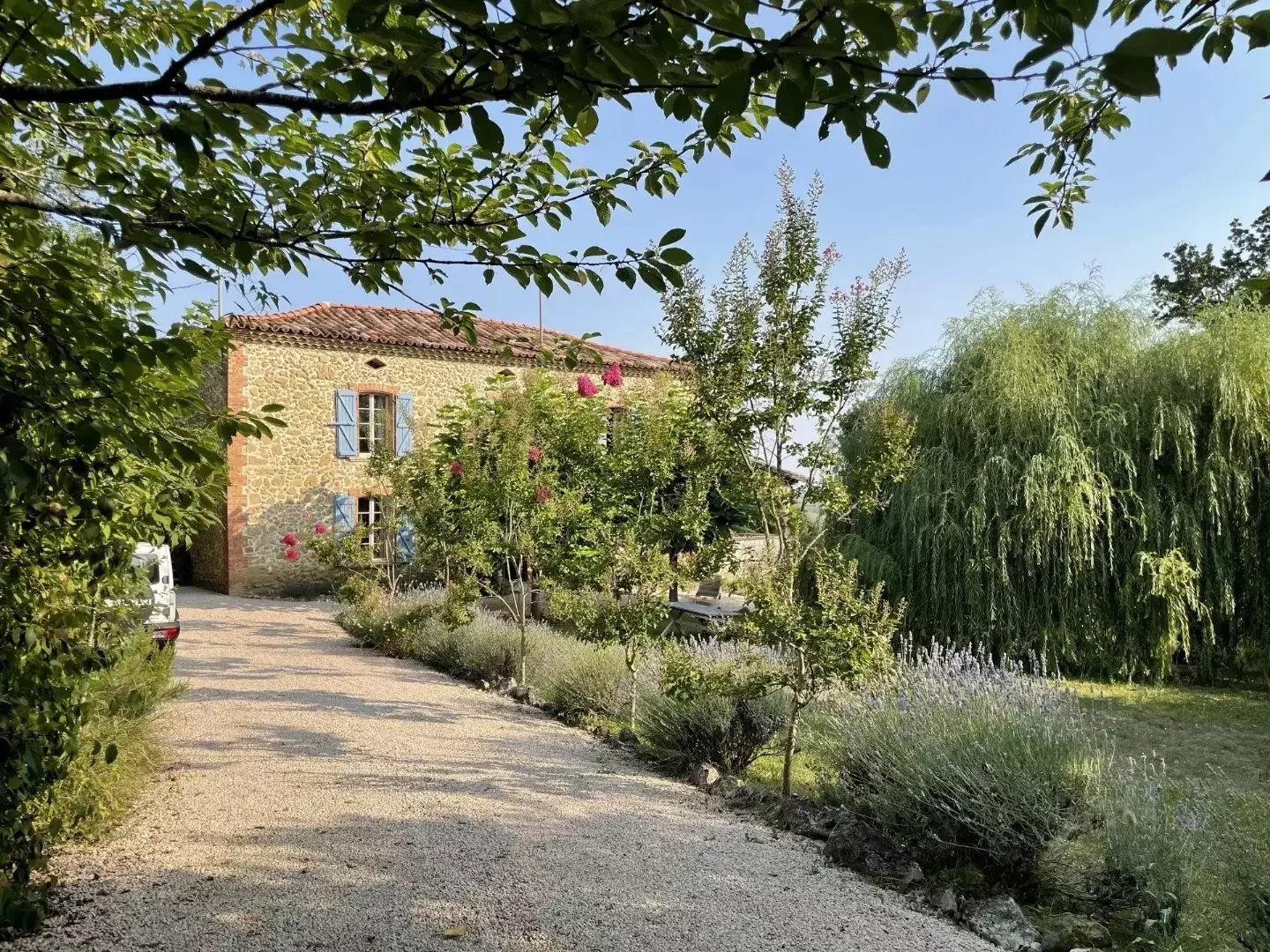
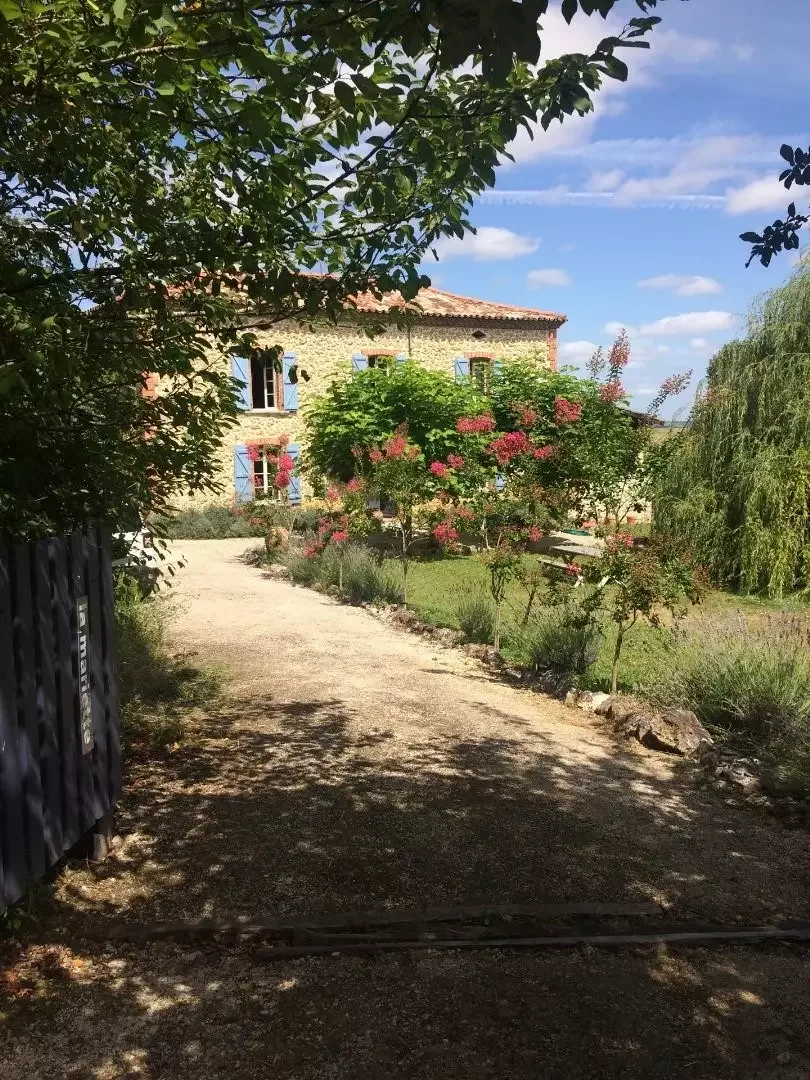
Renovated stone manor

Asking price

€430,000

Bedrooms

6

Bathrooms

4

Internal area

Approx. 253 m²

Garden

Approx. 1,875 m² landscaped garden

Energy rating

Class D

Layout highlights

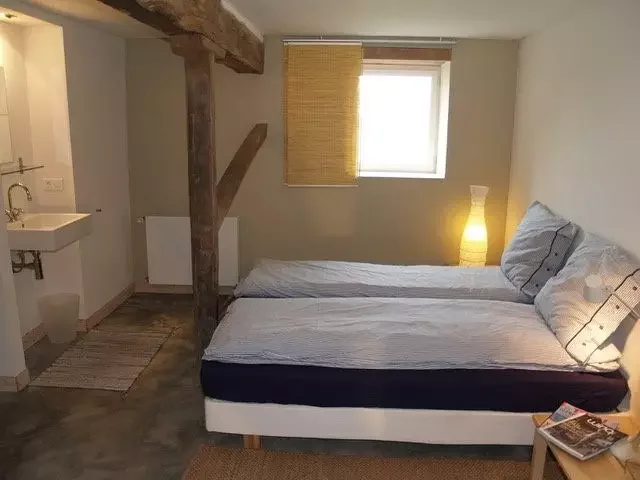
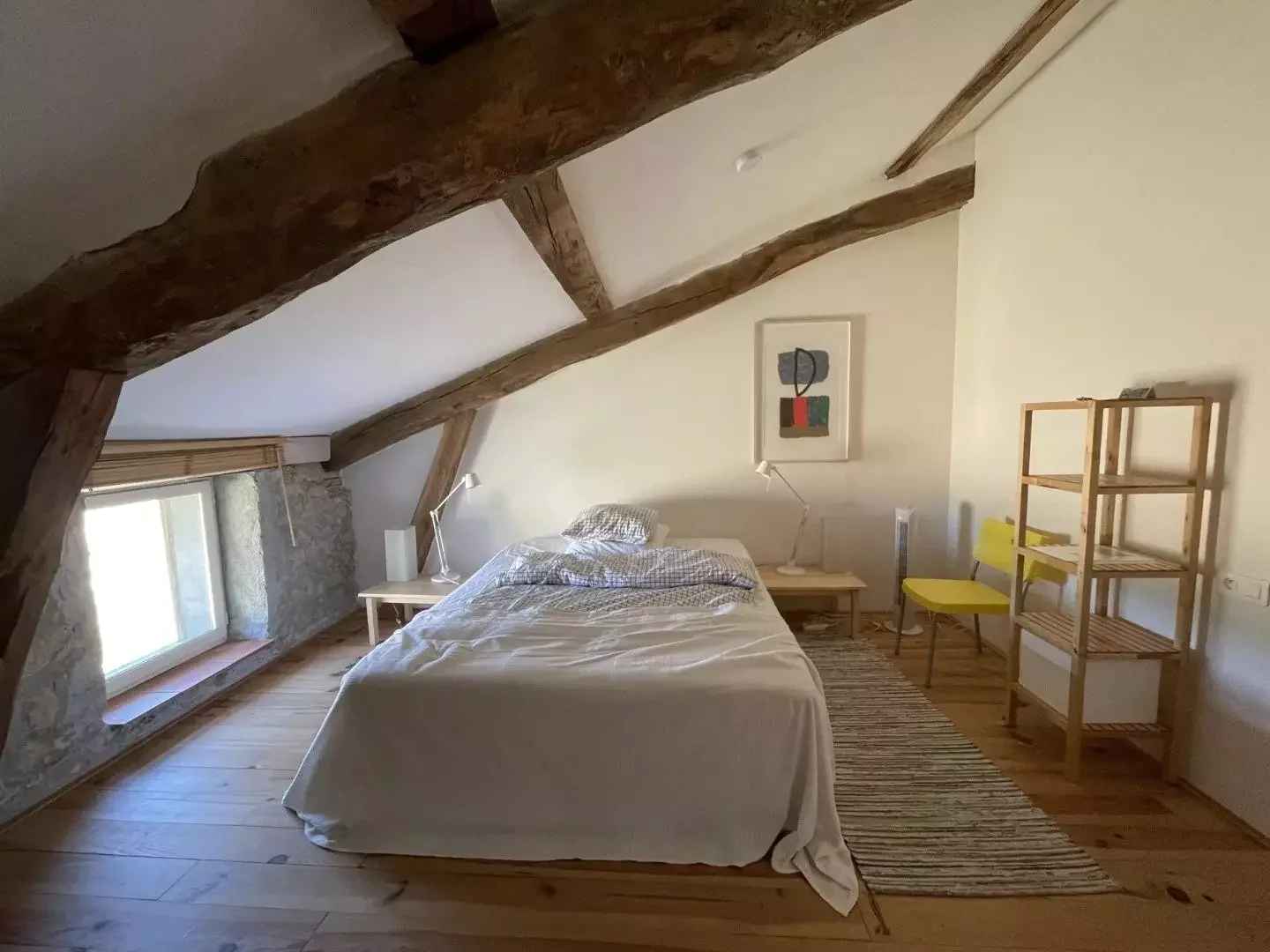
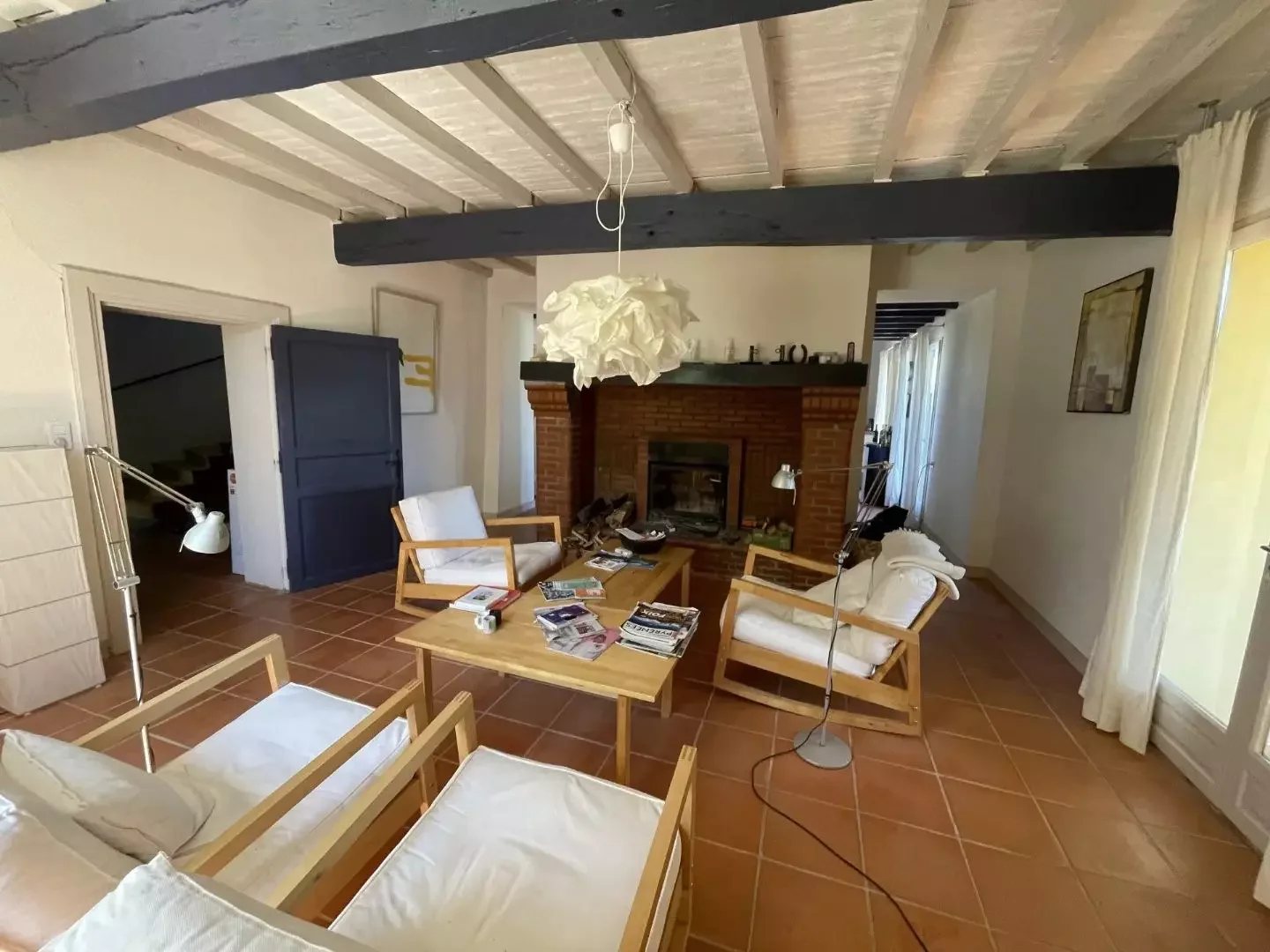
Four of six bedrooms marketed with independent access, two ground-floor suites, mezzanine overlooking kitchen, two independent living rooms

Outdoor features

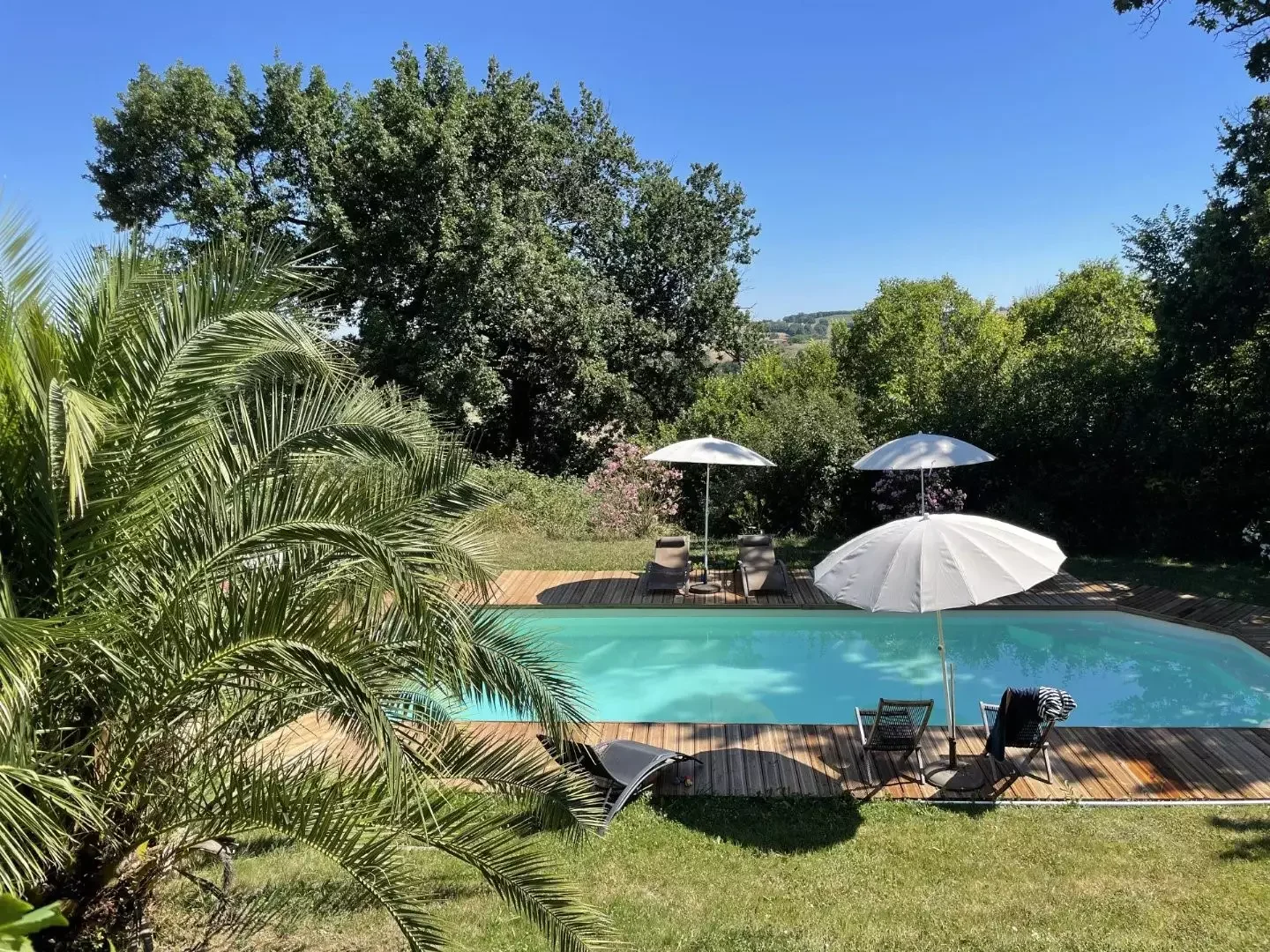
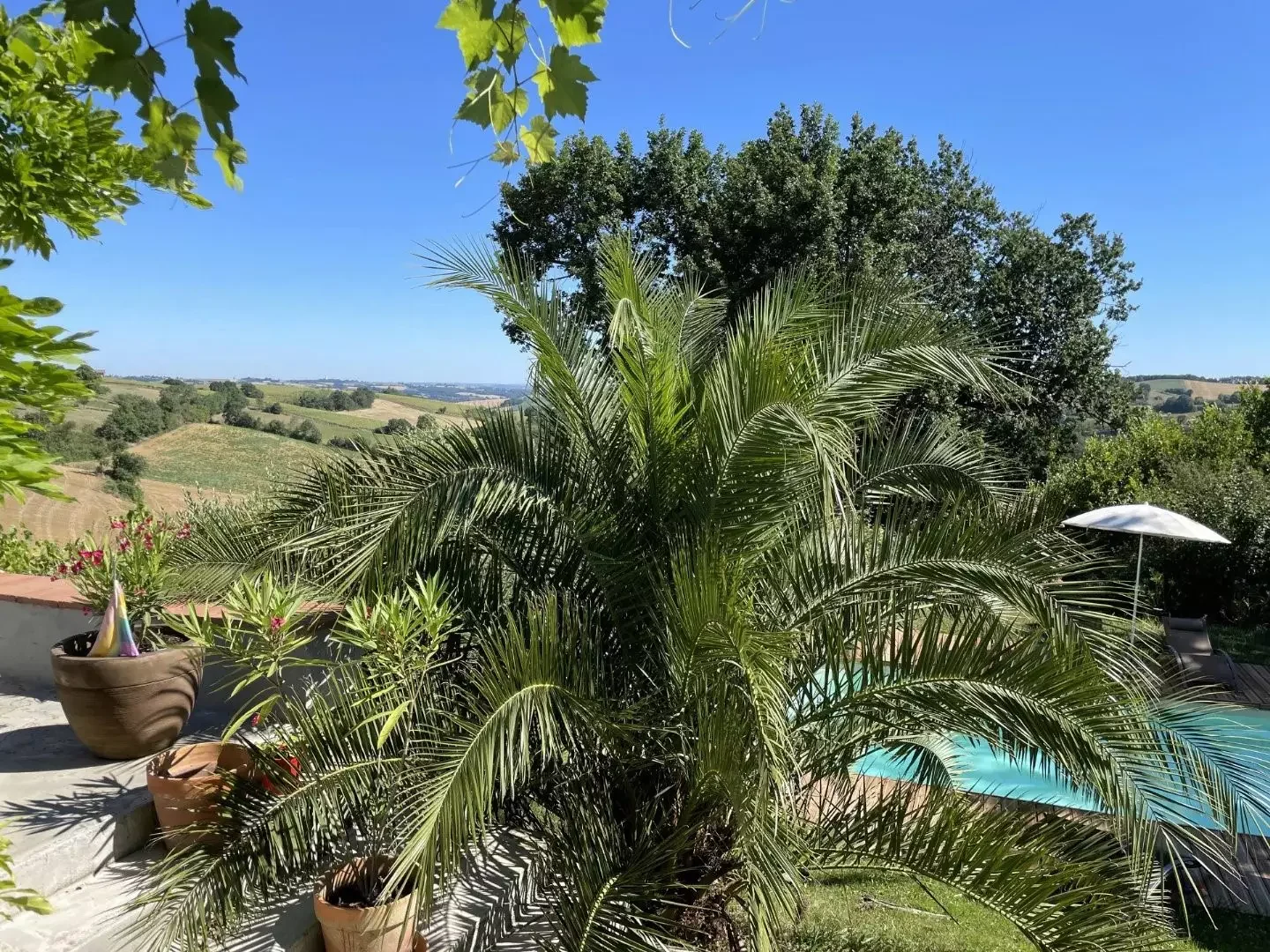
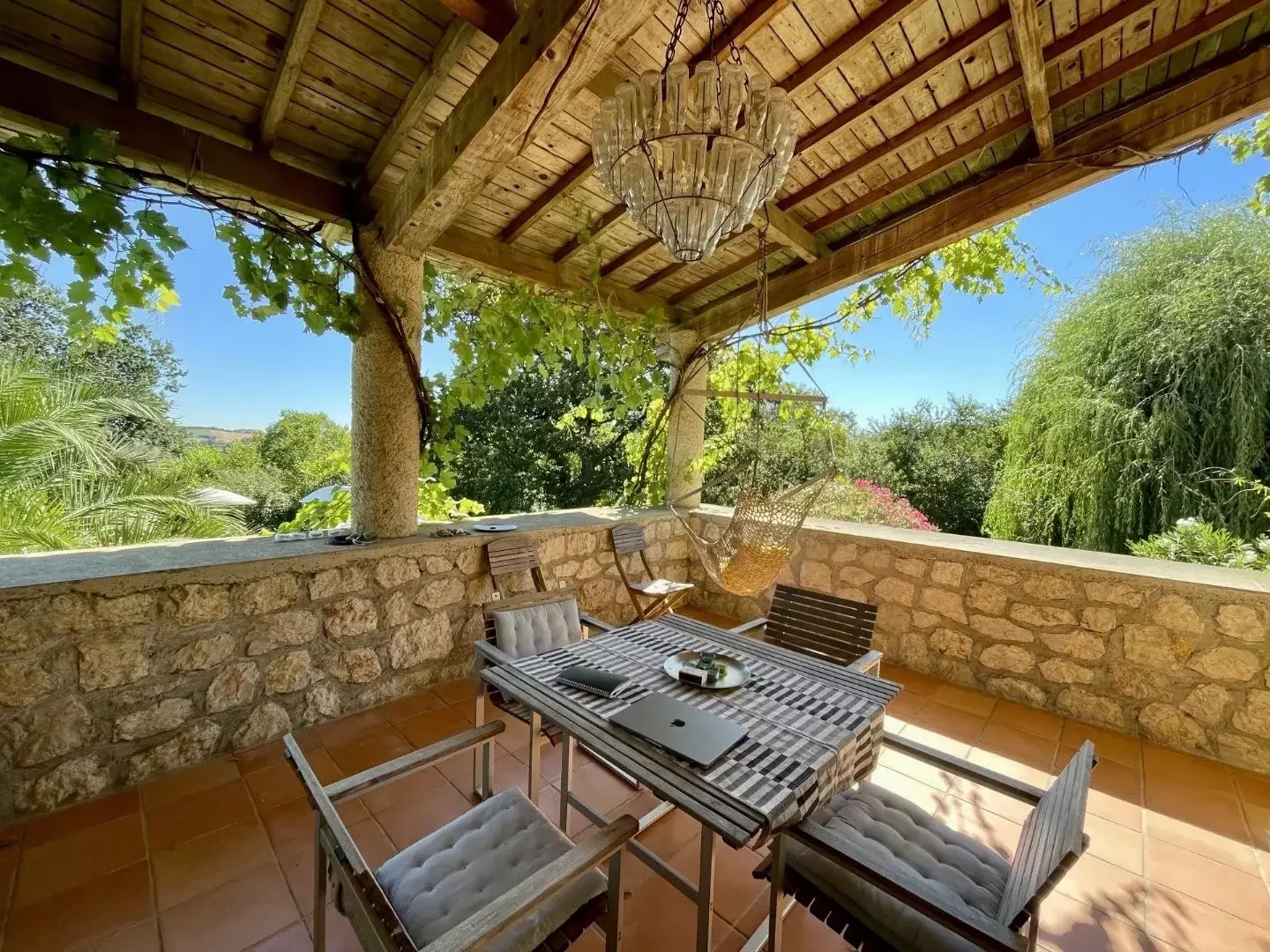
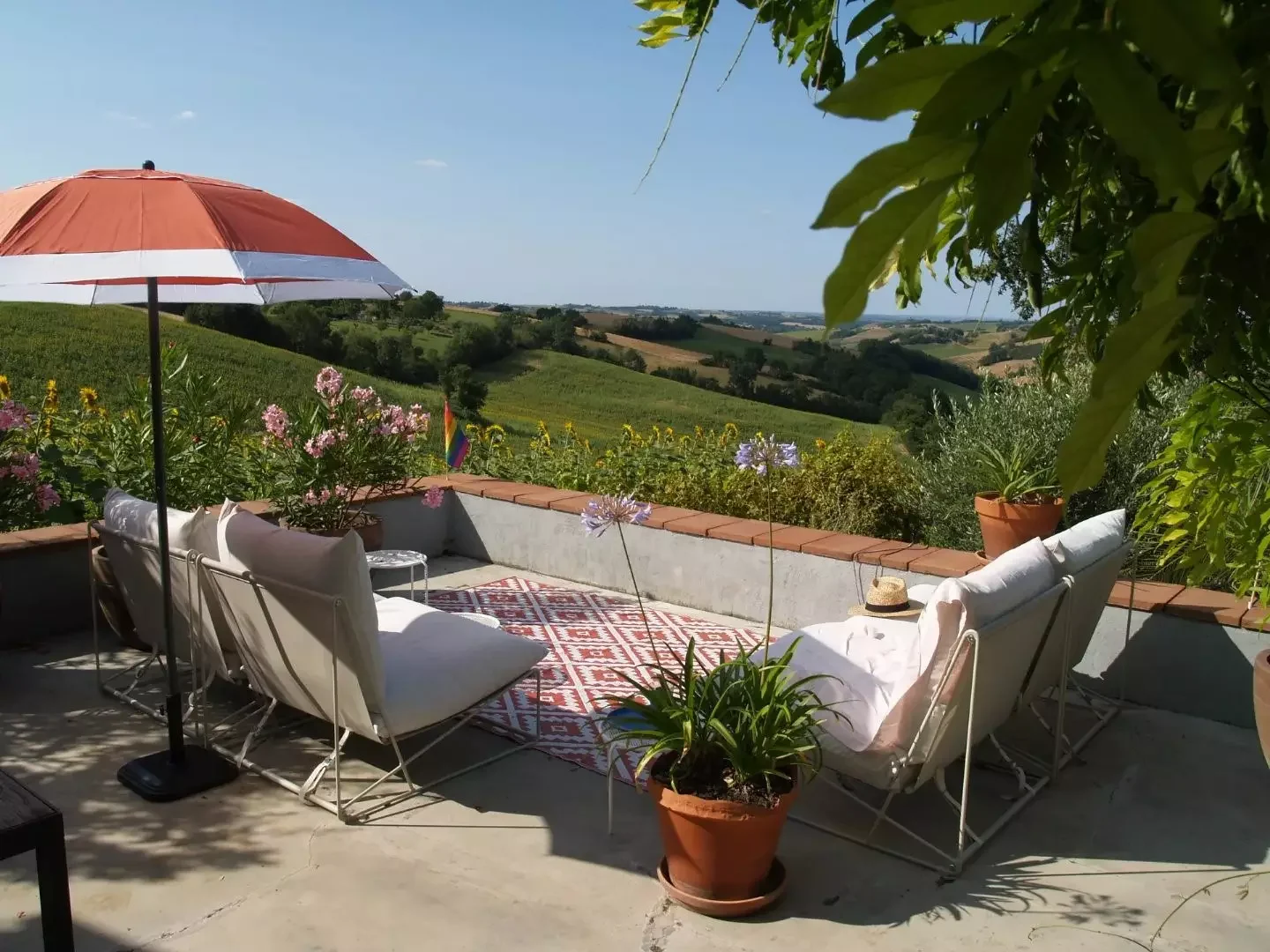
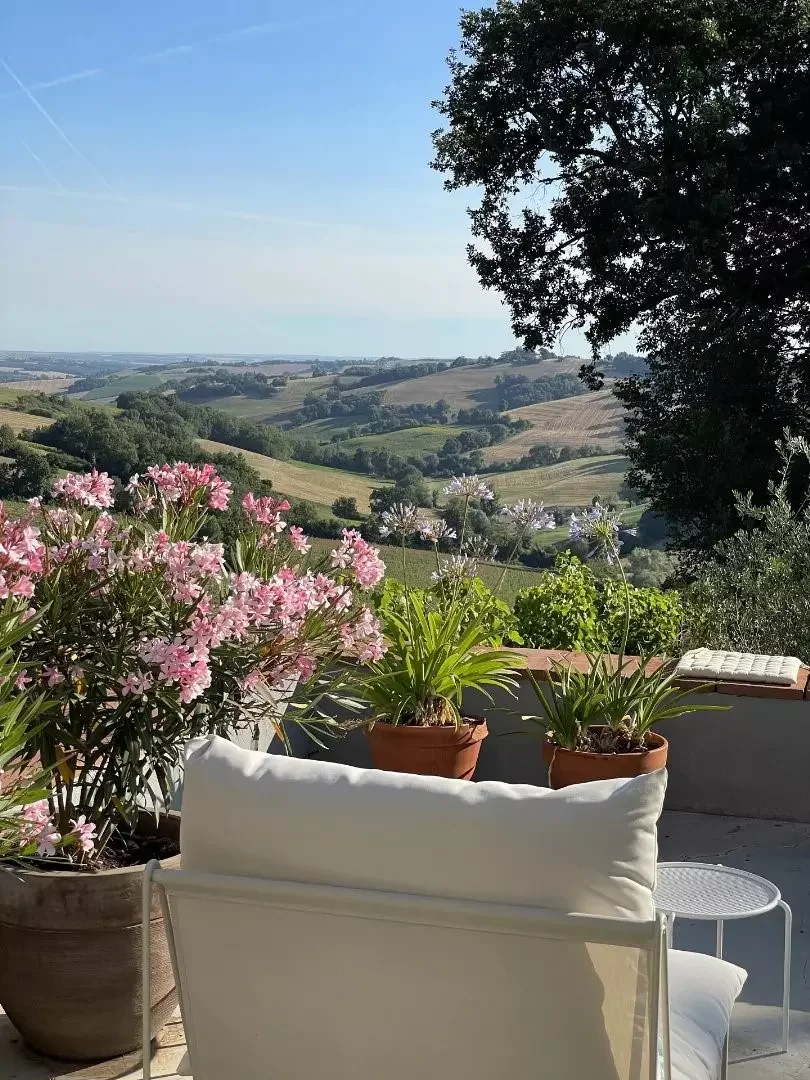
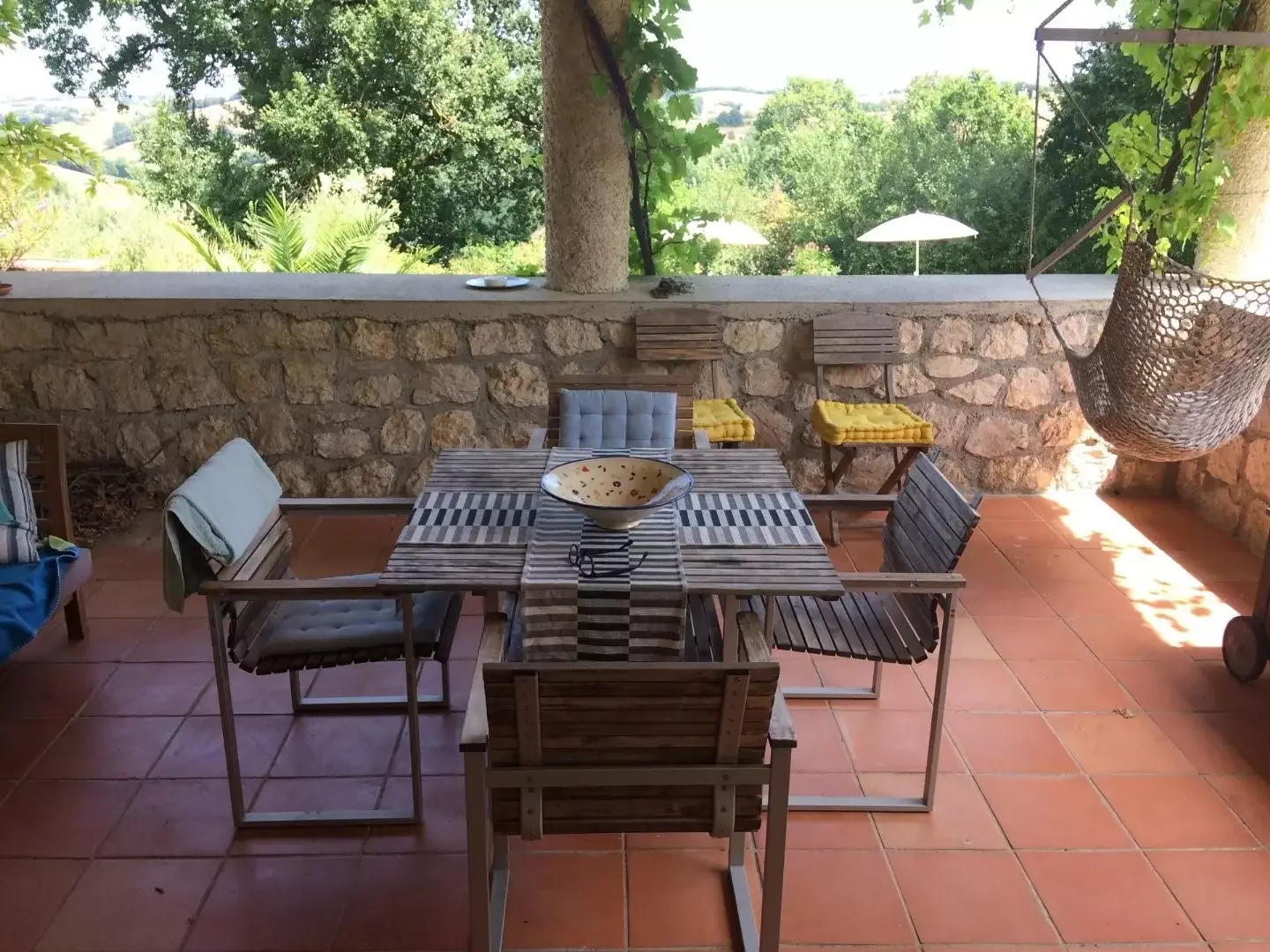
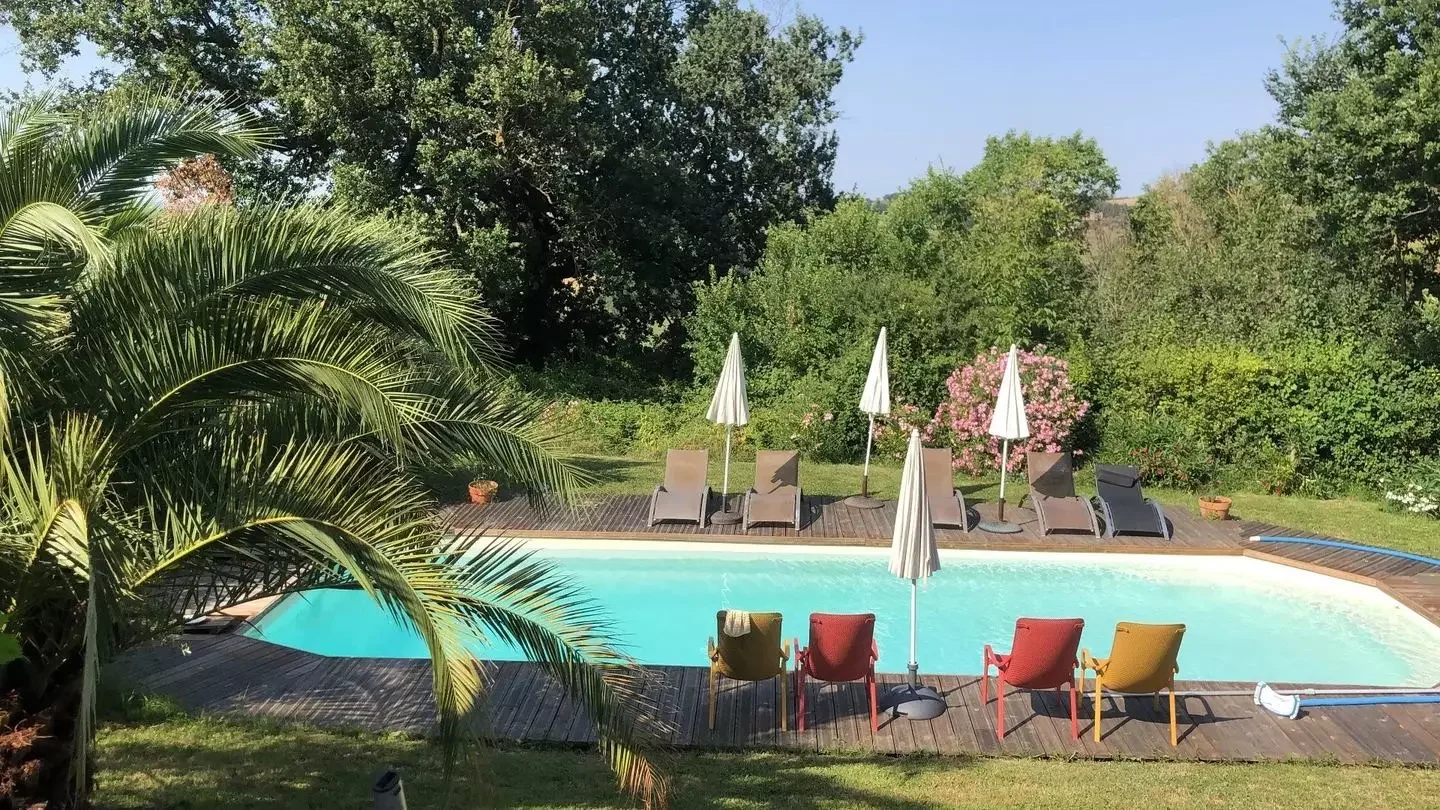
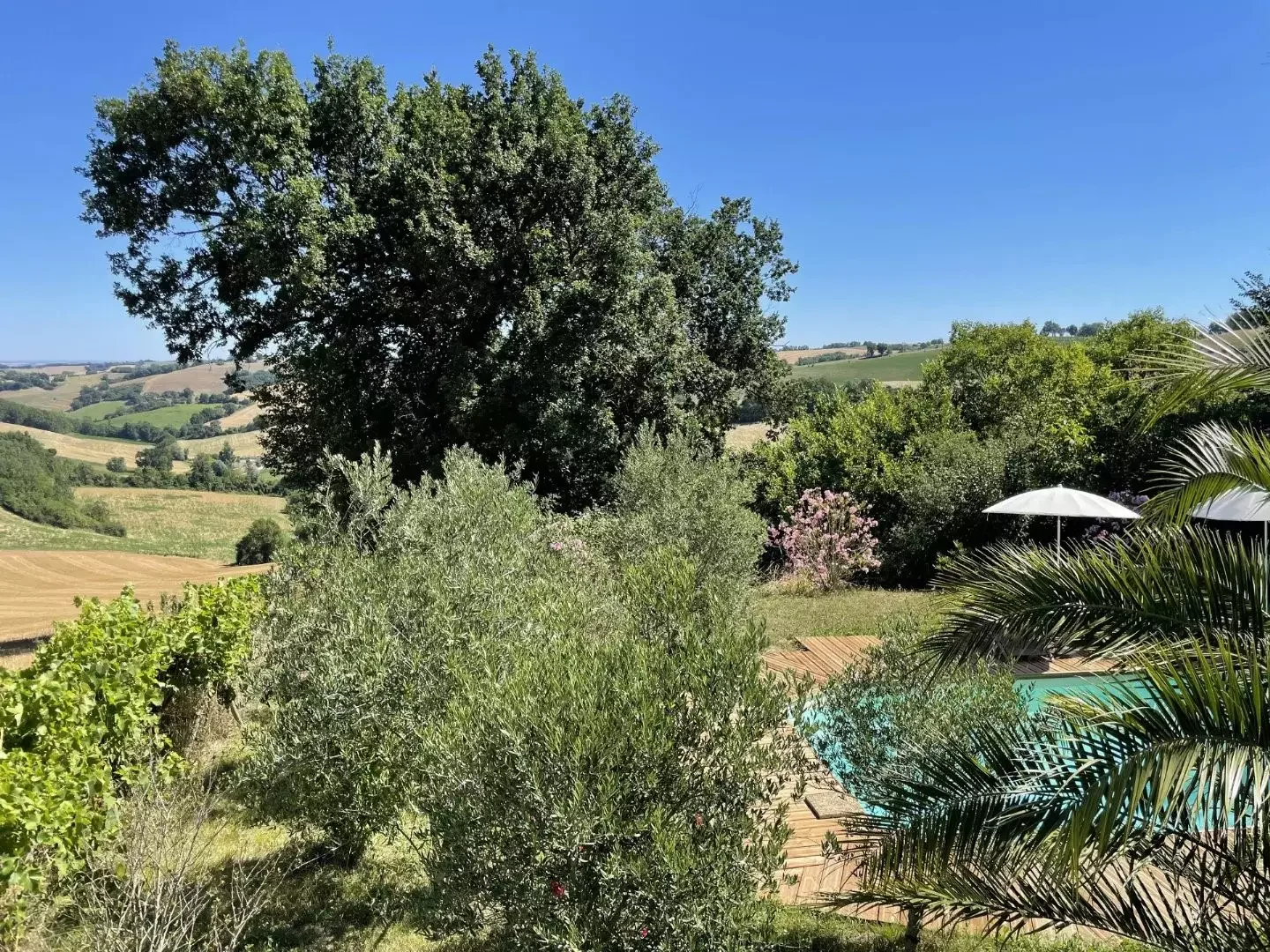
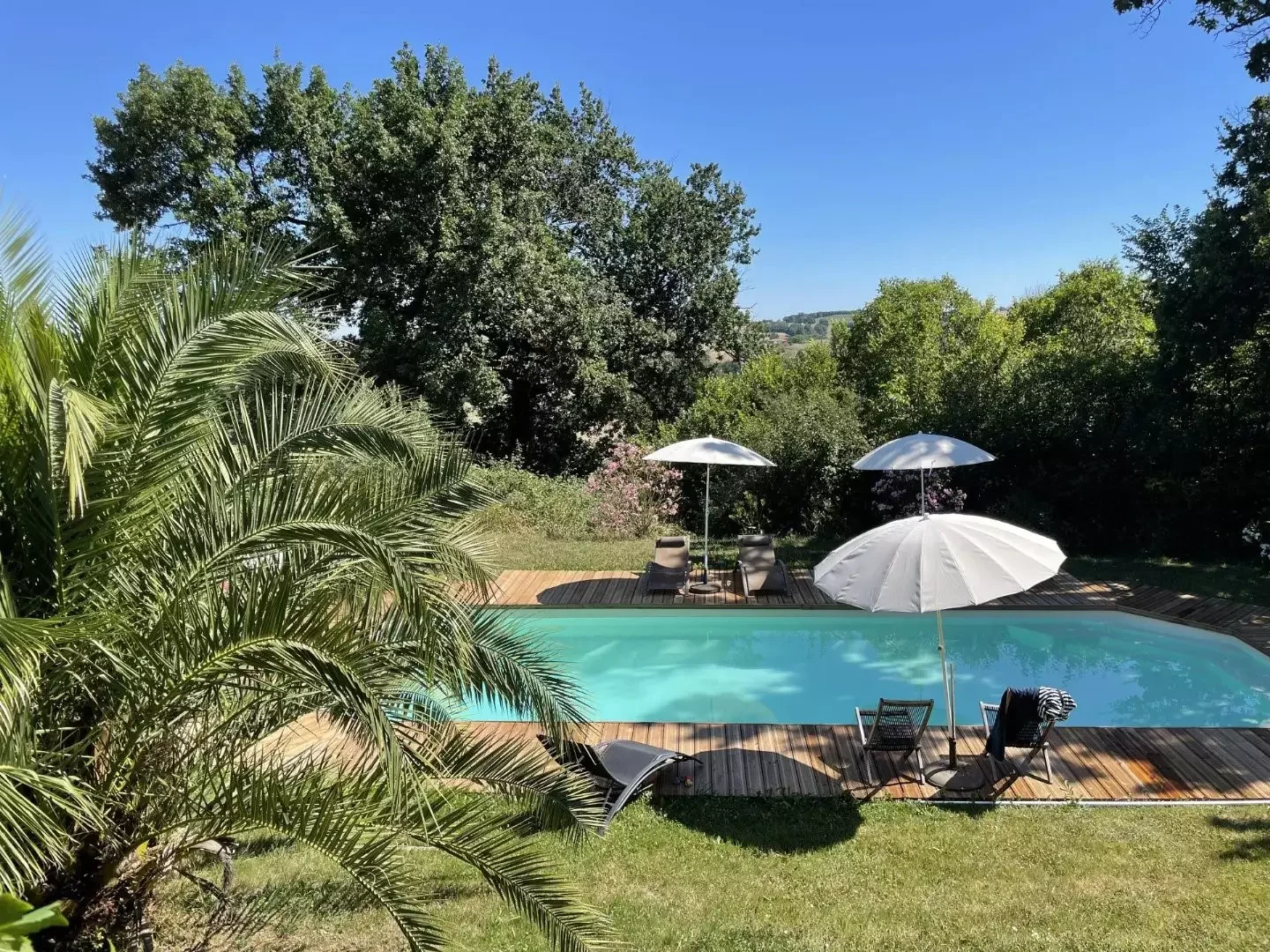
Swimming pool, two terraces including one covered terrace, panoramic countryside views

Character features

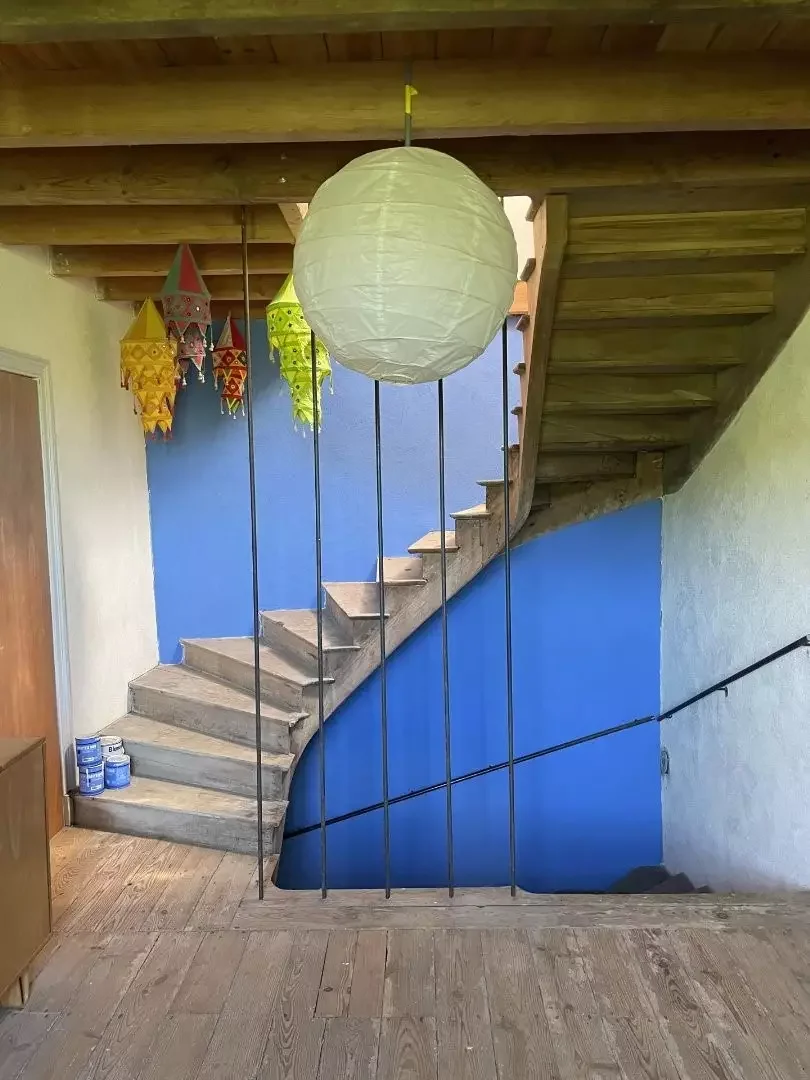
Stone structure, oak staircase, fireplace insert

Condition

Marketed as fully renovated with quality materials

Lifestyle angle

Flexible owner-occupier, multigenerational, guest accommodation or chambres d'hôtes proposition

Access angle

Rural hilltop setting, marketed as around one hour from Toulouse and 45 km from Saint-Gaudens

Risk Radar

Potential risk or due-diligence focus. More investigation needed. Unknown or information not yet confirmed.
Renovation legality, permits and completion paperwork
High
Guest-suite legal status and chambres d'hôtes compliance
High
Drainage or septic capacity for six-bedroom / guest use
High
Energy performance versus "fully renovated" marketing
Medium–High
Access, boundaries, privacy and hilltop development exposure
Medium–High

Overview

This is an unusually flexible rural French property because the headline appeal is not only the stone manor aesthetic, but the operational layout. Four bedrooms with independent access, two ground-floor suites, two living rooms, and a pool create a property that can plausibly serve as a primary residence, a multigenerational house, a hospitality-led lifestyle purchase, or a semi-commercial chambres d'hôtes setup. That flexibility is where the value sits, but it is also where the due diligence sits.

The main themes here are legality, classification, infrastructure and practicality. A listing can describe a home as "chambres d'hôtes ready", yet that does not automatically confirm the correct declarations, room-count limits, drainage capacity, fire and safety compliance, tax treatment, or whether the guest element has ever operated lawfully. Equally, "fully renovated" and a D energy rating can be perfectly consistent in an older stone property, but only if the buyer understands exactly what was improved and what still remains thermally weak. Because the property is rural, hilltop and potentially hospitality-facing, the buyer also needs a very clear picture of year-round access, mobile and broadband reliability, water and drainage arrangements, neighbour position, garden boundaries, pool compliance, and whether the privacy and open views sold in the listing are actually durable.

Targeted Questions

Planning, Legal Status and Renovation History

1.Can you provide the full timeline of the renovation, including the year each major phase was completed?

A staged renovation often means mixed ages and standards across roof, electrics, plumbing, windows, bathrooms and finishes.

2.Were any permis de construire or déclarations préalables obtained for the renovation works, particularly for structural changes, façade alterations, terraces, pool works, or creating independently accessed guest areas?

The legal basis of the works affects insurability, resale and the risk of retrospective compliance issues.

3.Can you provide copies of all planning approvals, mairie acknowledgements and any completion documents linked to those works?

Buyers need the paper trail, not just verbal confirmation that works were authorised.

4.Were any load-bearing walls removed, floors altered, staircases added, or room layouts materially reconfigured during renovation?

Structural changes should be documented and, ideally, supported by technical oversight.

5.Was the property renovated by insured trades or a registered building company, and can you provide itemised invoices?

Invoices help verify the scope, quality and recency of work, and may support later claims or negotiations.

6.Are any garanties décennales, dommages-ouvrage policies or other transferable building warranties still in force?

On recent works, remaining warranty cover can materially reduce post-purchase risk.

7.What exactly is meant by "quality materials throughout"? Please specify windows, insulation, roof covering, heating equipment, kitchen fittings, bathroom installations and flooring.

Marketing language is vague unless translated into exact components and specifications.

8.Has the roof been fully replaced, partially repaired, or only cosmetically refreshed, and when was that done?

Roof condition is one of the largest medium-term cost drivers in an older stone property.

9.Are there any unresolved insurance claims, storm damage history, subsidence issues, movement, cracking, or damp remediation works linked to the property?

A rural stone house can hide legacy defects behind fresh finishes.

Guest Suites, Layout and Commercial Use

10.Is the property legally recorded as one dwelling, or are any areas separately classified as independent accommodation units?

The legal classification affects taxation, permitted use, future resale narrative and compliance.

11.Which four bedrooms have independent access, and does that access lead directly outdoors or through shared internal circulation?

"Independent access" can mean very different things in practice and affects guest privacy and operational flow.

12.Do the two ground-floor suites include private bathrooms and any form of kitchenette, sitting area or self-contained amenity package?

The more self-contained the suites are, the more important it is to confirm planning and legal status.

13.Have the guest areas ever been used commercially as chambres d'hôtes, gîte-style accommodation, seasonal lets or long lets?

Previous use gives clues on compliance, occupancy history and likely market positioning.

14.If the property has operated as chambres d'hôtes, can you provide registration details, dates of operation, occupancy rates and gross income history?

Commercial potential is best judged from evidence, not aspiration.

15.Has any declaration been made to the mairie for chambres d'hôtes activity? In France, that declaration is mandatory before starting the activity.

A buyer should not assume "B&B ready" means the business side is already regularised.

16.Did the prior operator ever collect taxe de séjour, and if so under what local arrangement?

This helps confirm whether the activity was run formally and what local administrative obligations apply.

17.How many paying guests were accommodated at the same time during prior operation, if any?

In France, chambres d'hôtes status is limited to 5 rooms and 15 guests simultaneously.

18.If the business model exceeded that threshold at any point, were ERP-style safety or accessibility requirements ever triggered or reviewed?

Crossing the chambres d'hôtes threshold can bring a stricter compliance regime.

19.Are the two independent living rooms currently configured for owner use and guest use separately, or are they simply additional family reception rooms?

The claimed hospitality flexibility depends on how the rooms actually function.

20.Are there house rules, circulation constraints, lockable separations or acoustic issues that would make simultaneous owner and guest use awkward?

A layout can look commercially promising on paper but perform poorly in real life.

21.Are there any restrictions in title, local rules or insurance conditions that would prevent short-stay guest accommodation from being operated here?

Buyers need to separate physical suitability from legal and insurance suitability.

22.If a buyer wanted to run the property only as a private family home, would any guest-suite adaptations need reversing to simplify the layout?

Flexibility cuts both ways, and some buyers may value easier reversion to pure residential use.

Diagnostics, Compliance and Building Health

23.Can you provide the complete dossier de diagnostic technique for the sale?

The DDT is a core starting point for verifying risks, age-related issues and legal disclosure.

24.Can you provide the full DPE report, not just the headline D rating, including estimated annual energy costs and the breakdown of heat-loss points? The DPE must be included in the sale dossier.

The detailed report often reveals whether the real weakness is walls, roof, glazing, ventilation or heating system.

25.If the house predates 1949, can you provide the lead report (Crep)? If the permit predates July 1997, can you provide the asbestos report? Both can form part of the sale diagnostics depending on age.

Older French properties often require these checks, especially where renovations may disturb historic materials.

26.Can you provide the electricity diagnostic if the installation is more than 15 years old, and does it cover guest areas and outbuildings or annexed spaces as well?

Guest-facing accommodation raises the importance of electrical safety and capacity.

27.Is there a gas installation on site, and if so can you provide the current diagnostic and any maintenance certificates?

Gas compliance affects safety, insurance and replacement budgeting.

28.Can you provide the current État des risques, including information on natural risks, radon, seismic exposure and any other relevant risk zoning? It must be given to a buyer in a qualifying risk zone and is valid for less than 6 months.

A hilltop rural setting can carry specific exposure that materially affects both ownership and guest use.

29.Has the property ever had termite treatment, woodworm treatment or other pest-control interventions in roof timbers, floors or joinery?

The south of France can present timber-related risk, and old stone houses often have hidden wood elements.

30.Is the property in a préfectoral termite-risk zone, and can you provide the termites report if one has been commissioned? In risk zones, this report forms part of the sale diagnostics and is valid for 6 months.

A negative answer with documentary support is far more useful than a casual "we have never had a problem".

Energy, Insulation and Year-Round Performance

31.What type of heating system serves the house and the guest suites, and are all parts of the property heated from one central system or multiple zones?

Zoning matters for winter comfort, operating cost and guest-management practicality.

32.What insulation was added during renovation, specifically in the roof, walls and floors, and was any breathable approach used appropriate to an older stone building?

Poorly handled insulation in stone buildings can trap moisture and create future decay.

33.Are the windows double-glazed throughout, and if not, which rooms still have older glazing?

Mixed glazing standards can explain a D rating and affect guest comfort.

34.Is there any mechanical ventilation, humidity control or extract system in bathrooms, kitchens and guest areas?

Ventilation is especially important after renovating older masonry buildings.

35.How does the house perform in winter in practice? Please describe typical indoor comfort, condensation, and real heating costs over the coldest months.

Lived experience often tells more than a headline energy label.

36.Are the independent guest rooms comfortable and fully usable year-round, or are some really better suited to summer occupancy?

Commercial forecasts differ sharply between true year-round capacity and seasonal-only appeal.

Utilities, Drainage and Technical Infrastructure

37.Is the property connected to mains water, mains drainage, both, or neither?

The answer determines one of the most important infrastructure risks in rural France.

38.If the property uses assainissement non collectif, can you provide the most recent SPANC inspection report? For a sale, the SPANC report attached to the file must be less than 3 years old.

Non-compliant drainage can trigger immediate post-completion expenditure.

39.If there is a septic or individual drainage system, for how many equivalent inhabitants is it sized, and was it designed with guest accommodation in mind?

A system adequate for a family house may be inadequate for hospitality-style use.

40.Have there been any drainage, odour, overflow or soakaway issues during heavy rain or periods of high occupancy?

Real-world operational history matters more than theory.

41.What is the hot-water setup, and can it cope with multiple bathrooms being used simultaneously by guests?

Hospitality use fails quickly if hot water recovery is weak.

42.Is broadband fibre available at the property, or is it ADSL, 4G router or satellite based? What speeds are actually achieved?

Modern owner-occupiers and guests increasingly expect reliable connectivity.

43.What is the real mobile reception like for the major networks inside the house, around the terraces and near the pool?

Hilltop rural locations can be patchy, which affects daily use and guest satisfaction.

44.Are there any known issues with water pressure, hard water, well use, pump systems or summer water restrictions?

Rural comfort and operating cost can be affected by apparently small utility weaknesses.

Pool, Garden, Boundaries and External Setting

45.When was the pool installed, by whom, and what approvals or declarations were made for it?

Pool legality, age and installation quality influence insurance and future maintenance cost.

46.What are the pool dimensions, depth profile, filtration type, liner or shell type, and maintenance history?

These details determine replacement cycles and the likely near-term budget.

47.Which legally compliant safety device protects the pool: barrier, alarm, cover or shelter? Private pools in France must have one of the recognised safety systems.

This is a direct safety and compliance point, especially if paying guests or visiting family use the property.

48.Can you provide a cadastral plan showing the exact 1,875 m² boundaries, access points and any servitudes affecting the plot?

Rural French properties often include access rights or boundary assumptions that need documentary confirmation.

49.Is the garden fully enclosed, and if so by what form of walling, fencing or hedging, and who maintains each boundary line?

Privacy and security claims should be matched against the physical and legal reality.

50.Are any parts of the land steep, unstable, difficult to maintain or vulnerable to runoff because of the hilltop setting?

Topography affects maintenance cost, drainage risk and usability.

51.Are the panoramic views likely to remain open, or are there neighbouring plots, agricultural rights or planning possibilities that could alter the outlook?

View value is a major part of the appeal and should not be treated as guaranteed.

52.What are the immediate neighbouring properties, and are any occupied seasonally, permanently, agriculturally or as holiday lets?

Privacy, noise and future development patterns matter for both private and commercial use.

Access, Location and Practical Ownership

53.Is the access road public or private, and who is responsible for maintenance, snow clearance and repairs?

Rural access arrangements can create hidden ownership or cost-sharing issues.

54.How does the property perform in winter weather, especially with frost, ice or prolonged rain on the hilltop approach?

A dramatic setting can be less convenient in poor weather than a listing suggests.

55.What are the actual drive times, not ideal conditions, to the nearest bakery, grocery shop, medical services, Saint-Gaudens and Toulouse?

Daily practicality is central if the property is to work as a home or a guest business.

56.Are local amenities active year-round, or does the area become quiet outside peak tourism periods?

A chambres d'hôtes proposition depends partly on year-round destination pull and service availability.

57.Has the seller used the house mainly as a primary residence, second home, guest business or mixed-use property?

The way the current owner uses the house often reveals the most realistic future use case.

58.Why is the property being sold now, and has it been reduced in price or been on the market for an extended period?

Motivation and selling history can materially strengthen a buyer's negotiating position.

Negotiation Intelligence

Buyer Leverage

Medium-High

Key Drivers

Documentation gaps across renovation permits, invoices and completion paperwork
D energy rating cutting against the marketing claim of a fully and intelligently renovated property
Unverified chambres d'hôtes compliance and guest-suite regularisation
Pool age, drainage capacity and whether guest suites are commercially usable without additional compliance work
Optimistic travel-time marketing versus practical hilltop rural access and local service availability
B&B income potential treated as possibility rather than bankable value if no income history is evidenced

Typical Negotiation Range

5-15% below asking

Neutral Phrasing Examples

"To help me assess the property properly and prepare a serious offer, could you please send the renovation paperwork, DDT, SPANC report, pool compliance details, and any records showing how the independent guest areas have been authorised or used in practice?"

Country Layer

France (Regulatory Context March 2026)

Key French requirements for buyers:

In France, the seller of a house must provide a dossier de diagnostic technique, which can include the DPE, lead report for pre-1949 property, asbestos report for buildings permitted before 1 July 1997, and electricity diagnostics where the installation is more than 15 years old.
An energy audit becomes mandatory on sale only for houses rated E, F or G, so a D-rated house does not automatically trigger that extra audit requirement.
The État des risques is an important document for a rural hilltop property because it can disclose exposure to natural, mining, seismic, radon and other regulated risks. Where applicable, it must be provided to the buyer, and the version used in the transaction must be current, generally less than 6 months old.
If the property is on individual drainage rather than mains sewerage, the seller must provide the SPANC inspection report for the sale file, and that report must be less than 3 years old. This is especially important here because six bedrooms and guest-use potential can place heavier demand on the system than an ordinary family house.
For chambres d'hôtes in France, the activity must be declared to the mairie before operation. The formal chambres d'hôtes framework is limited to a maximum of 5 guest rooms and 15 guests at the same time. The operator must also provide the expected hospitality characteristics such as personal reception, breakfast, linen and regular cleaning. If the accommodation goes beyond those limits, stricter rules can apply, including ERP-style safety and accessibility requirements.
For private in-ground or partially in-ground swimming pools, French law requires one recognised safety device such as a barrier, alarm, safety cover or shelter. That matters even more here because the layout is being marketed with guest or family hosting potential.
Termite reporting is not universal across all French property sales, but it becomes mandatory in areas covered by the relevant préfectoral risk designation. If applicable, the termites report is part of the sale diagnostics and has a short validity period of 6 months, so buyers should ask for the current version rather than rely on an old file.

Viewing Strategy

During the viewing:

Start outside before you let the interiors charm you. Walk the access route, boundary lines and retaining edges of the site.
Stand at the pool, at both terraces and at the independently accessed rooms to understand privacy, visibility from neighbours, and how separate the guest circulation really feels.
Inside, test the logic of the plan as if you were living and hosting there at the same time. Check whether the ground-floor suites genuinely feel self-contained or whether they are only partially independent.
Look for how locks, sound separation, storage, housekeeping flow and breakfast logistics would actually work.
In the kitchen and utility areas, assess whether the infrastructure supports multiple bathrooms and multiple occupants.
Pay close attention to evidence of the renovation beneath the styling. Open windows, inspect reveals and wall thicknesses, look for fresh plaster over old movement, sniff for damp in corners and around bathrooms, and examine the roofline from as many angles as possible.
Ask to see the heating controls, hot-water plant, electrical board and any water or drainage access points.
If the property is on a septic system, locate it physically during the visit.
Finally, visit at least one nearby service point and, if possible, test the drive to and from the nearest larger town so you can judge whether the location is practically "rural without isolation" or simply rural.

Next Step

Verify from the listing:

Guest-suite legal status
Four bedrooms with independent access are a major value driver, but you need to confirm whether these areas are simply part of one dwelling or whether any business or separate-use formalities have been triggered.

Renovation paperwork and warranties
The house is marketed as fully and intelligently renovated, so request permits, invoices, completion documents and any still-valid guarantees to test how complete and compliant that renovation really was.

Drainage capacity for six-bedroom use
If the property is not on mains drainage, the SPANC report and system sizing become critical because guest use can expose an undersized or non-compliant installation very quickly.

Energy performance behind the D rating
A DPE D on a renovated stone manor is not automatically a problem, but the buyer should understand exactly which elements were improved and where the remaining heat loss sits before treating the renovation as fully complete.

Pool safety, boundaries and year-round practicality
Confirm pool compliance, exact cadastral boundaries, any servitudes, and how the hilltop access works in winter so the setting is judged on practical ownership terms, not just visual appeal.

A prepared buyer should approach the agent calmly and frame questions as due diligence.

Because this is a property where the legal, structural and regulatory context matters, run it through one of the property tools before contacting the agent. Start with the Property Risk Assessment to pressure-test compliance, drainage and guest-use exposure, or use the Rental Yield Calculator to model whether the chambres d'hôtes angle still works once the legal and operational position has been verified.

Disclaimer: The Property Drop is buyer-focused intelligence, zero sales agenda. We curate exceptional properties, in southern Europe, from third-party agents and arm you with decision tools. No commission, no transactions, no agent partnerships, no skin in the game beyond helping you choose wisely. Information stays accurate until it doesn't (properties sell, prices shift, markets move). Everything here is shared for informational purposes only and should not be treated as legal, financial, or investment advice. Images belong to original agents. Read our Terms of Service to learn more.

IMPORTANT REMINDER: When contacting property agents featured on The Property Drop, you are entering into direct communication with third parties. It's recommended that you verify all property details independently, conduct thorough due diligence, engage qualified professionals (solicitors, surveyors, financial advisors), understand your rights and obligations under local property laws, and never send money or make commitments without proper legal protection.

Previous
Previous

The Buyer Playbook: Renovated House with Pool and Mountain Views, Painho, Portugal €425,000

Next
Next

The Buyer Playbook: 4-Bed South-Facing Villa with Sea Views, Pool and 80 m² Garage, Ventiseri Plain, Corsica, France €599,000