
The Buyer Playbook: 5-Bed Historic Villa with Private Garden and Stream, Cassino, Italy, €629,000







Buyer Playbook
Pre-Viewing Intelligence Report
This independent buyer guidance report relates to a property located in Italy. It is provided for informational purposes only and does not constitute legal, tax, structural or survey advice. Heritage status, planning permissions, habitability, cadastral conformity, water rights, flood exposure, rental permissions and land-use matters must always be verified with qualified Italian professionals such as an avvocato, geometra, architect, engineer or surveyor, and with the relevant municipal and regional authorities. This report is designed to help buyers evaluate the property before arranging a viewing or making an offer. It highlights due diligence areas and targeted questions to ask the agent. The analysis is based on the listing details and publicly available regulatory context at the time of writing.
Playbook Contents
Property Snapshot
Location
Cassino, Lazio, Italy
Property type
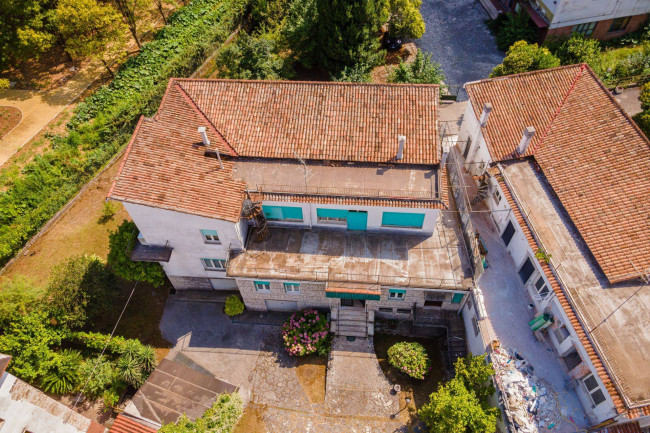
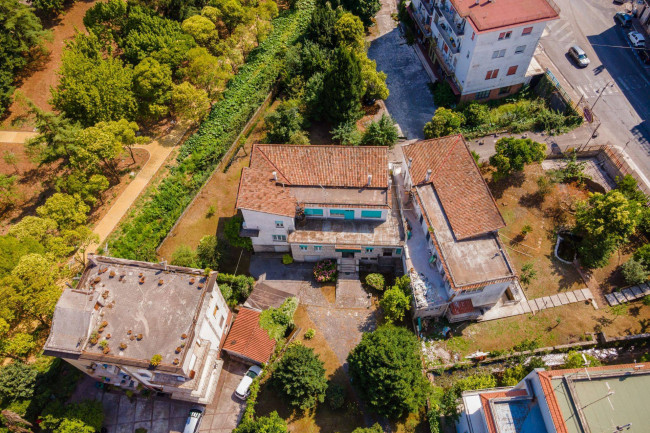
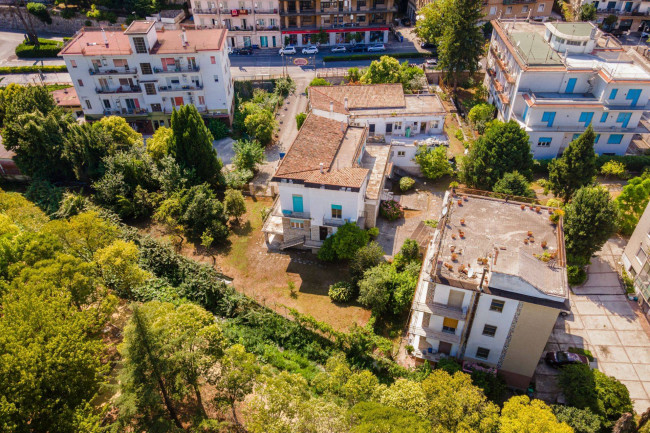
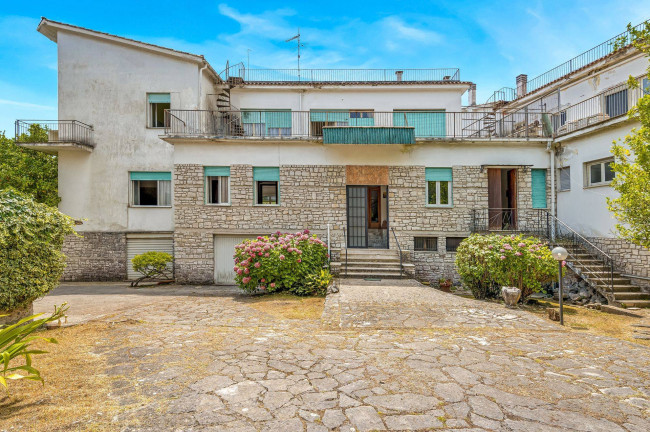
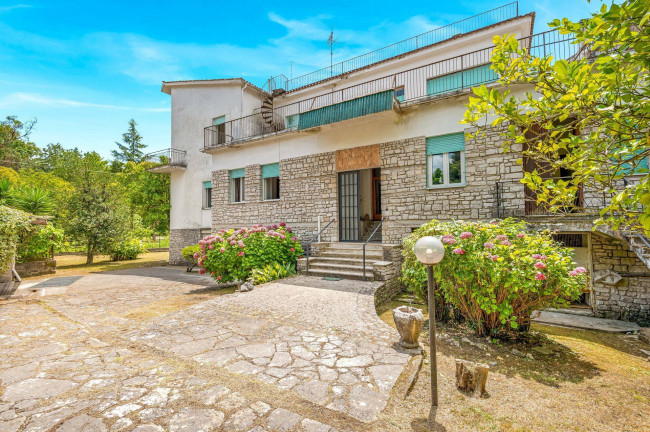
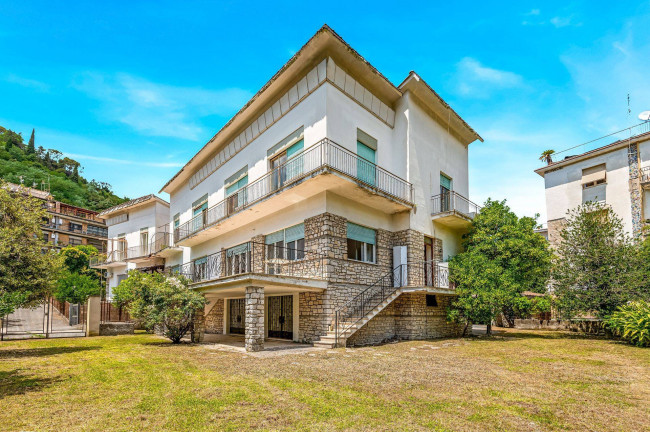
Historic town villa
Bedrooms
5
Internal size
Approx. 500 m²
Garden
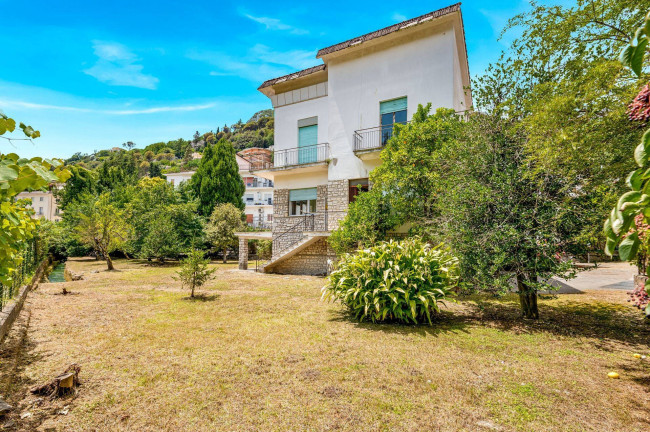
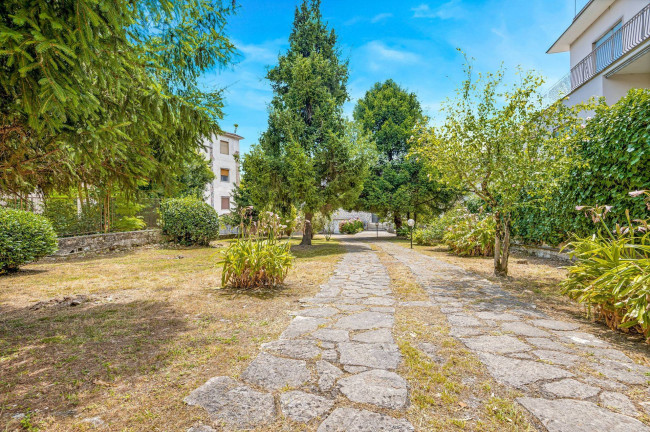
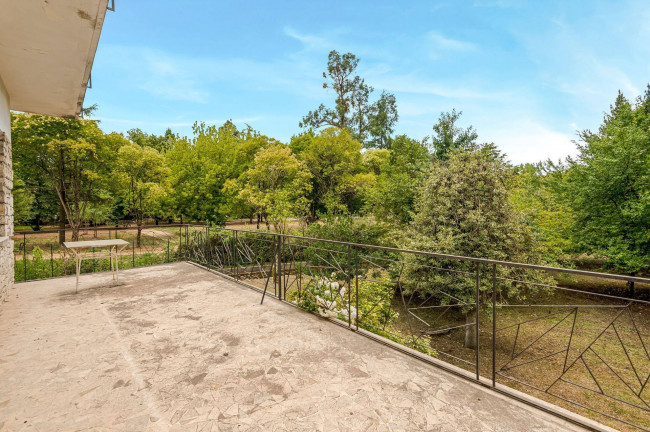
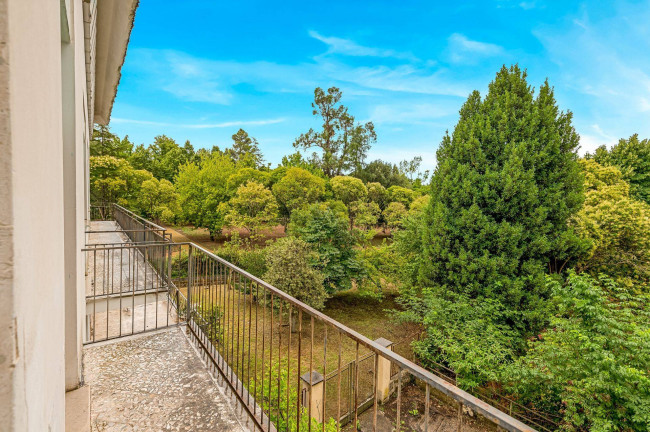
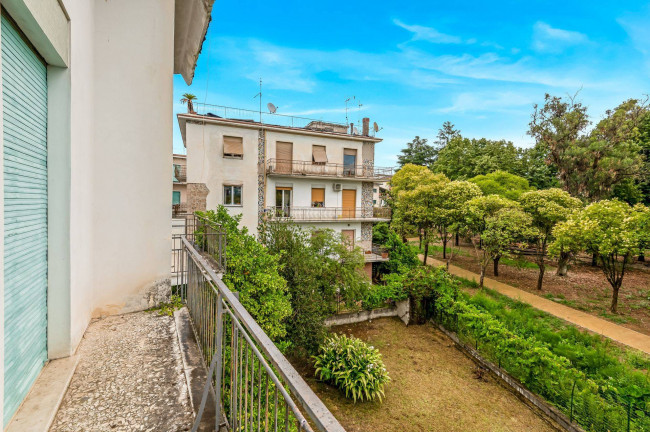
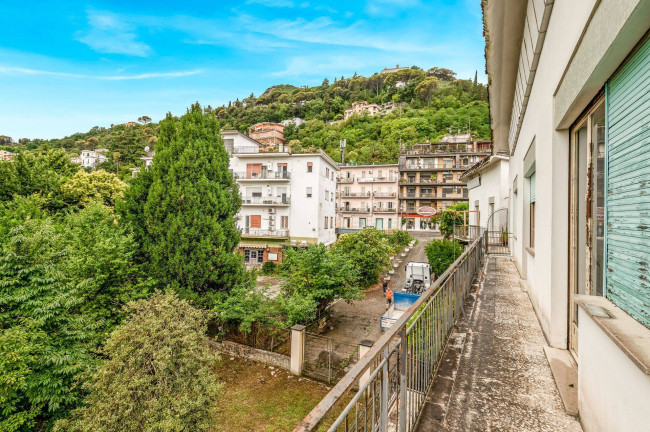
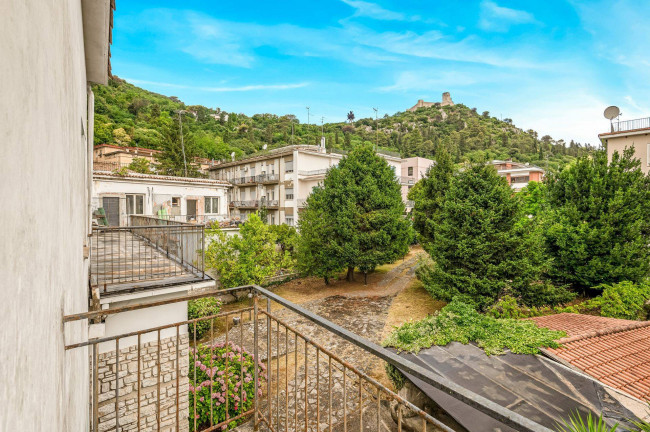
Approx. 1,200 m² private garden
Special feature
Natural spring stream running through or alongside the garden
Additional spaces
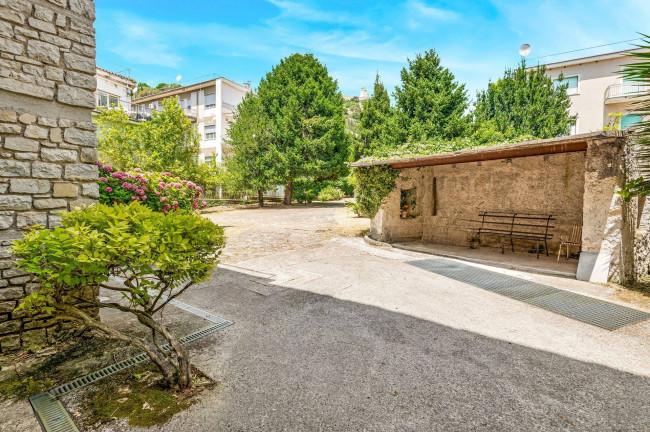
Garage and cellar mentioned in the listing
Energy rating
Class G
Era
Built in 1956
Condition
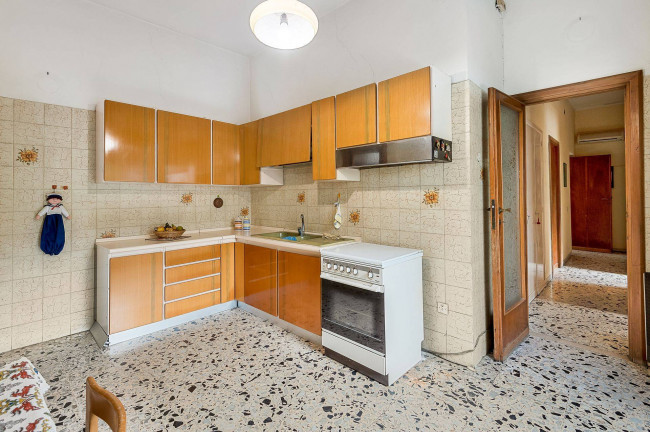
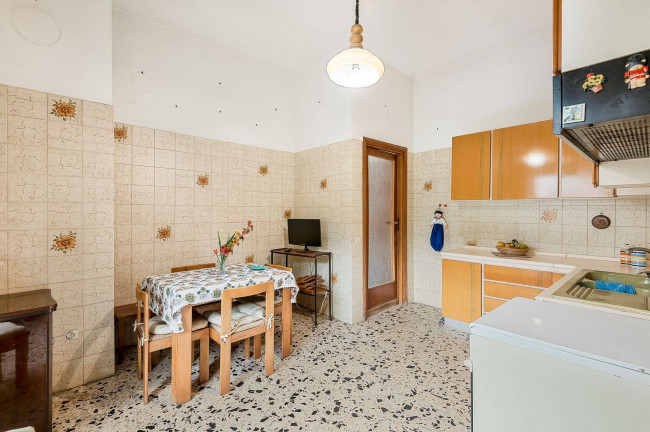
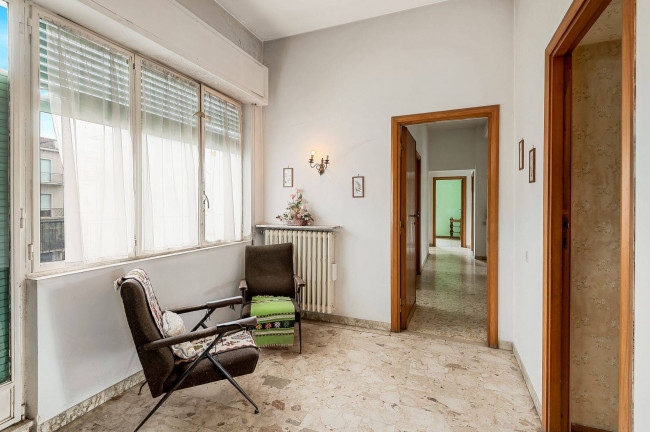
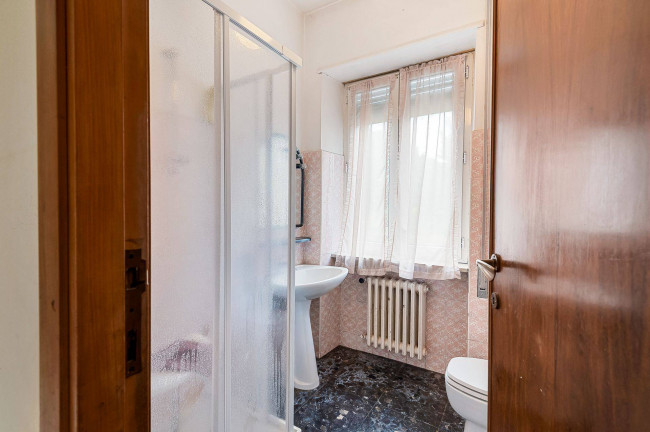
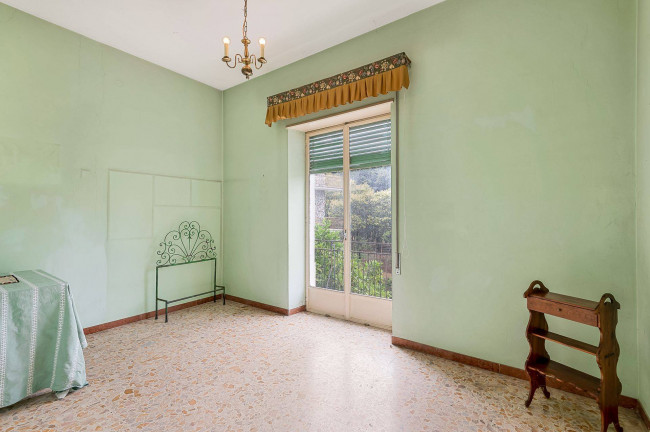
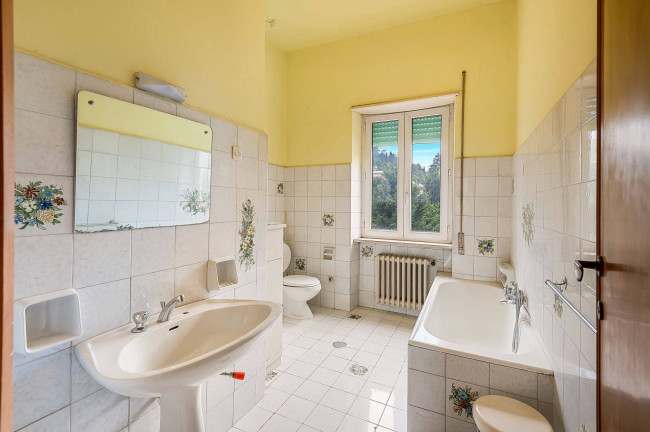
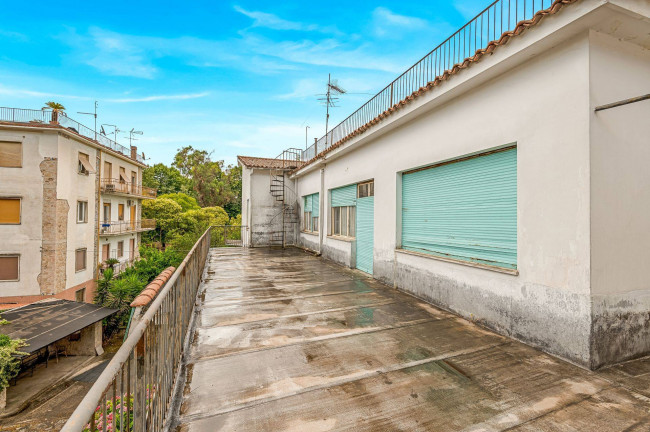
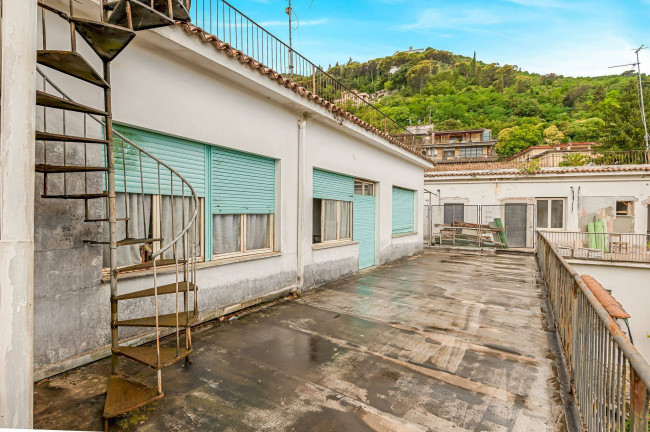
Presented as structurally sound with functioning electrics, plumbing and methane gas heating, with "a little cosmetic work" suggested
Interior character
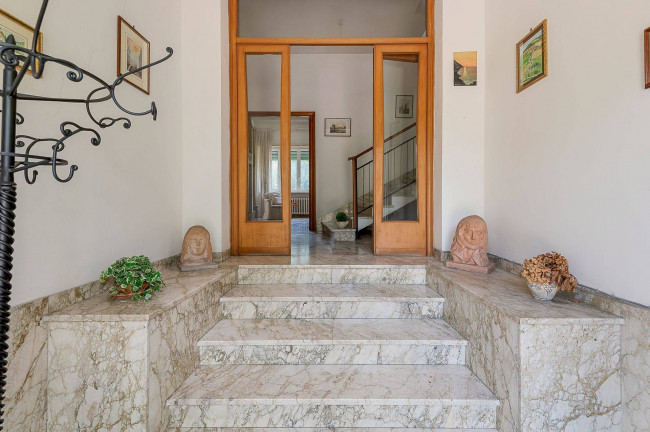
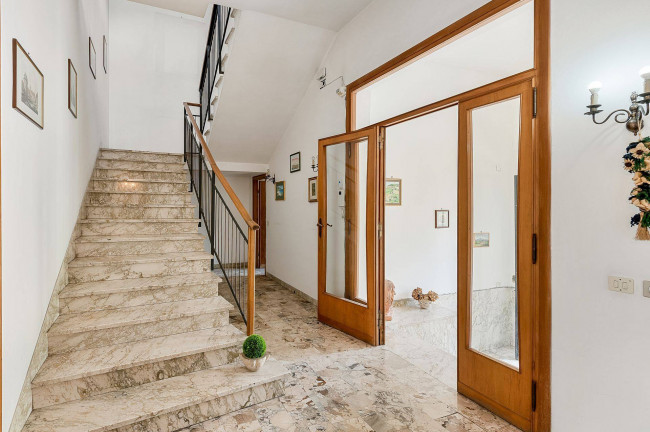
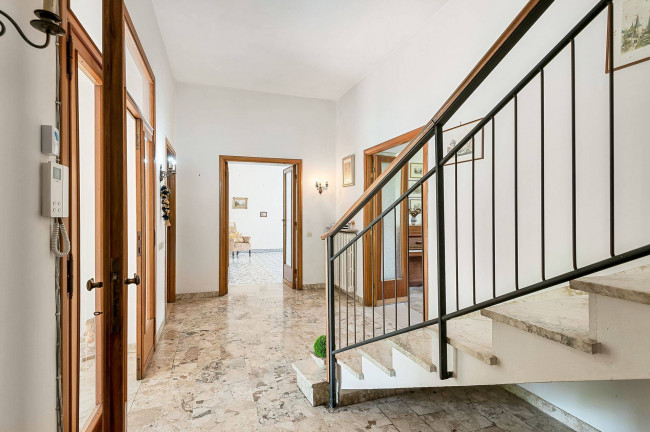
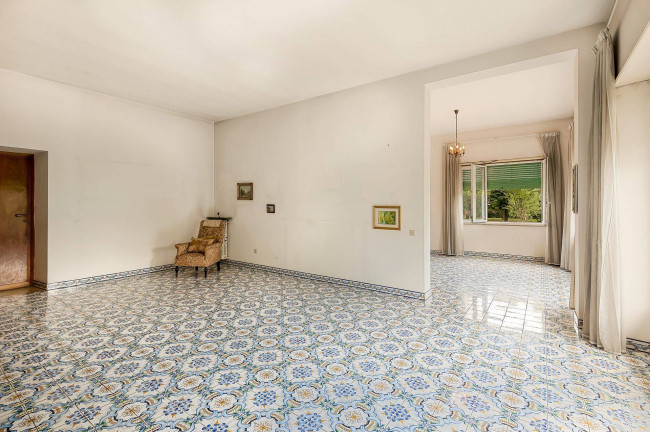
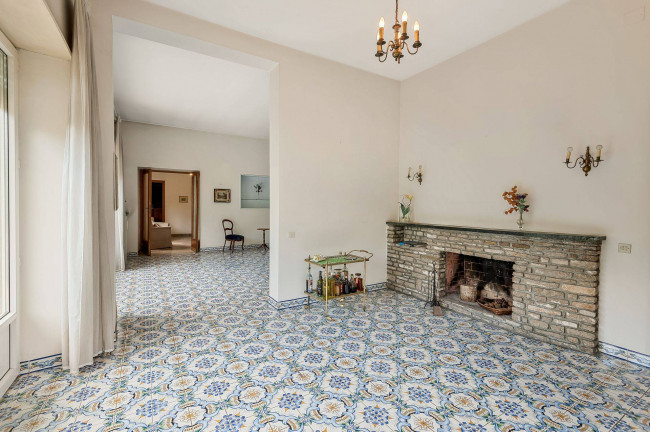
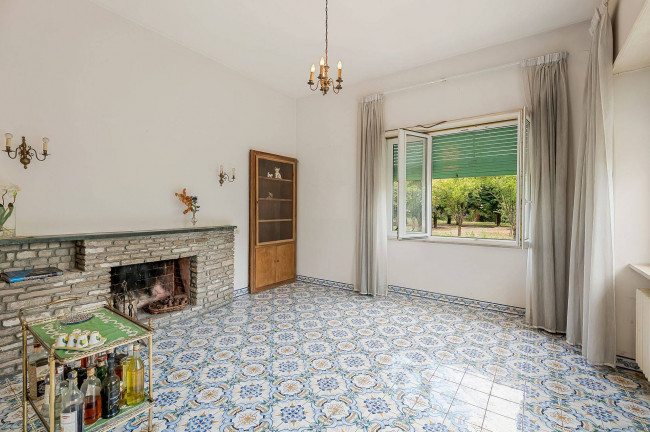
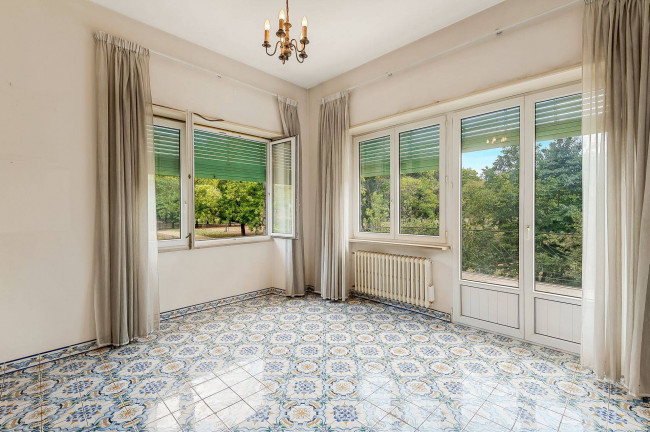
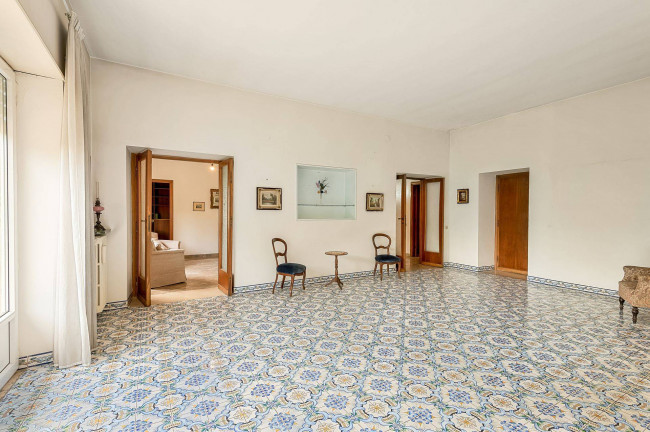
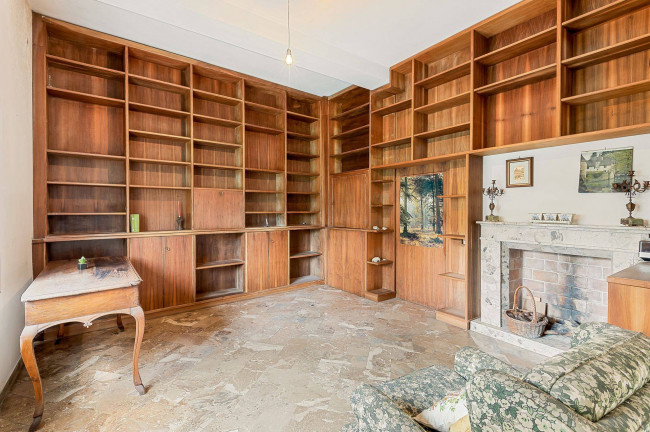
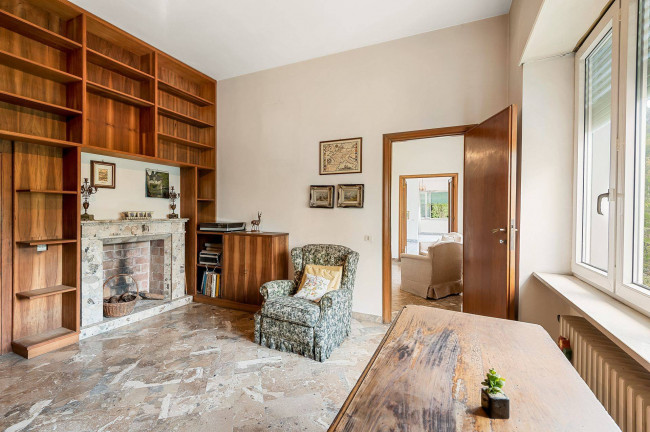
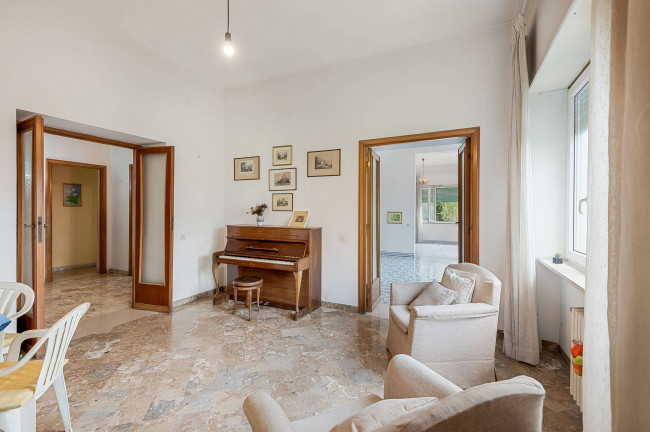
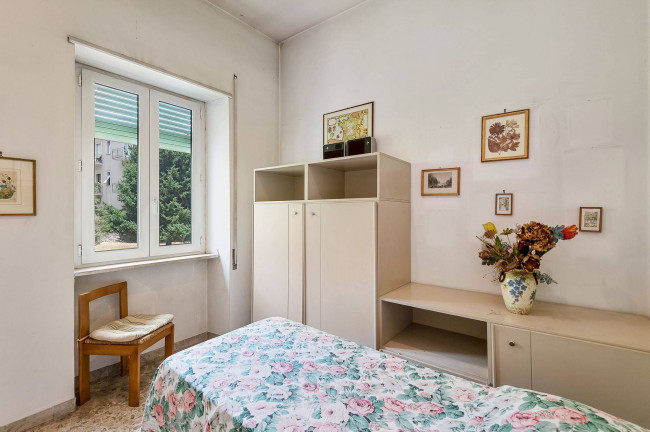
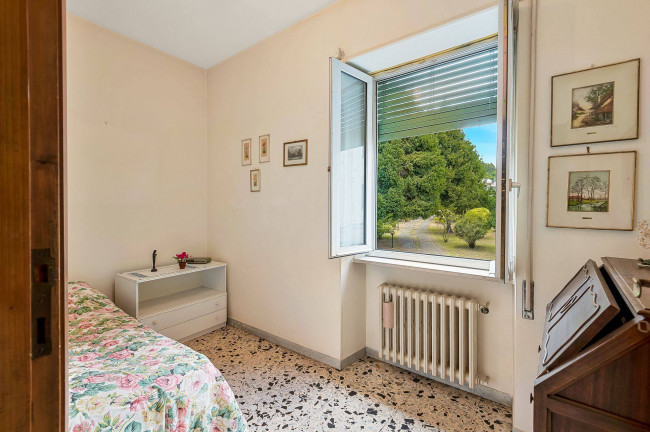
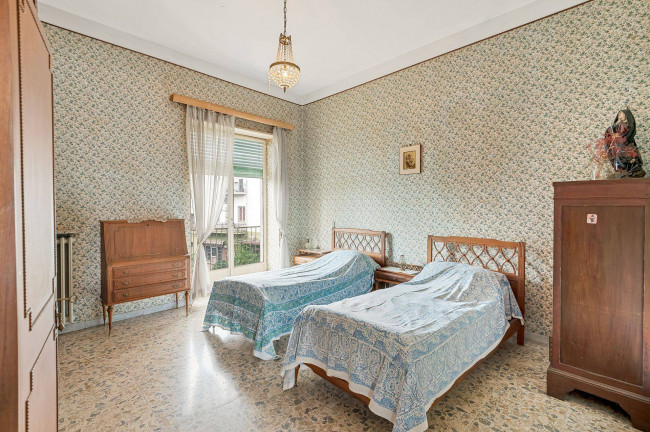
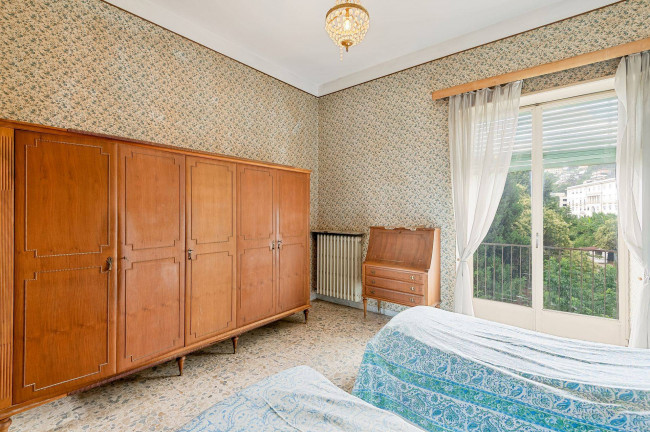
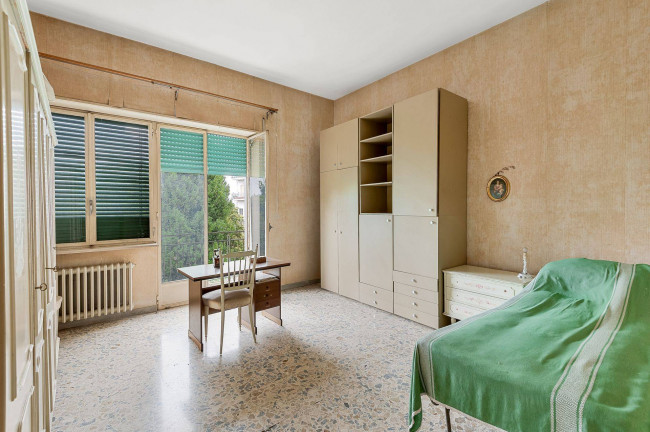
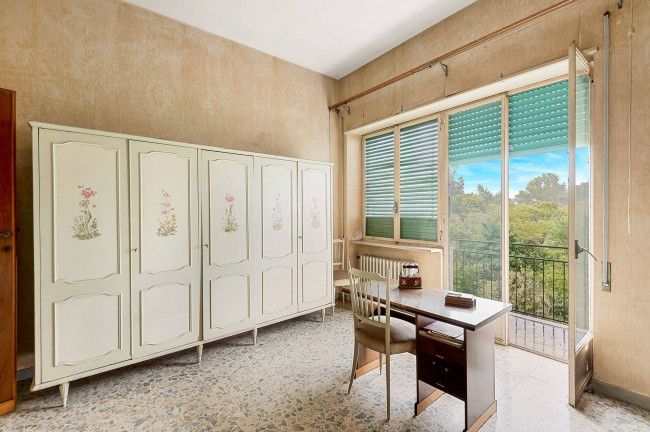
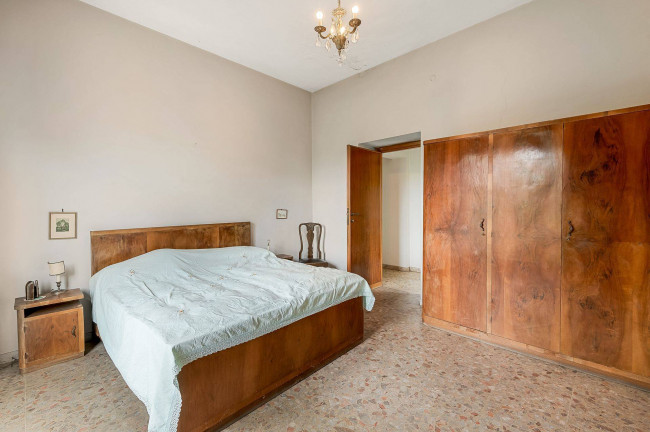
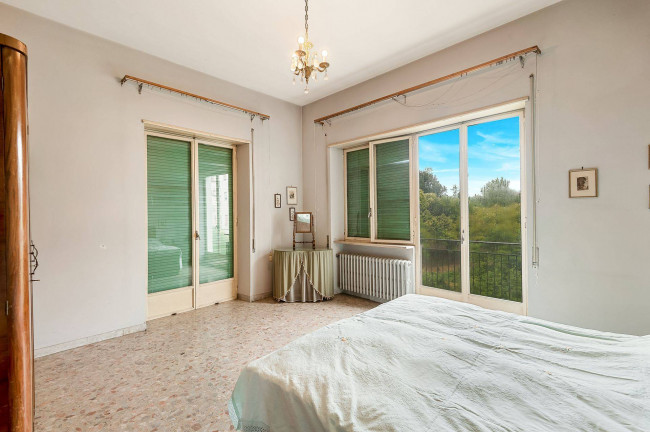
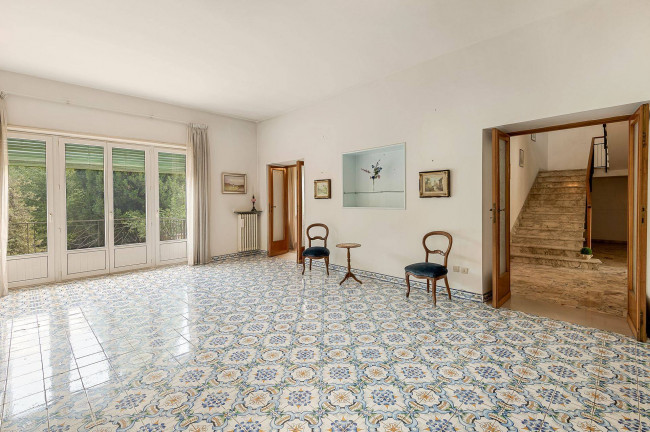
Original Vietri ceramic floors and period detailing
Potential alternative uses suggested in the listing
Family home, boutique hotel, professional premises
Sale format
Partially furnished
Risk Radar
Overview
This is the kind of property that can look straightforward in a listing and become far more complex once real due diligence begins. A large 1956 villa with historic character, commercial-use potential and a natural spring stream is not just a home purchase. It is a planning, compliance and maintenance project wrapped inside an attractive asset.
The first due diligence theme is legal and regulatory status. Because the villa is described as historic and prominent, buyers should confirm whether it is subject to a cultural or landscape protection vincolo and whether any part of the building, garden or stream corridor is regulated. If so, future works may require approvals from the Soprintendenza or other authorities. Interventions on protected properties generally require specific authorisation.
The second theme is structural and technical reality. A 500 m² villa of this age can carry substantial hidden costs, even where the roof and systems are described positively. The third theme is use strategy. The listing suggests boutique hotel or professional use, but buyers should not assume those uses are automatically permitted. Cassino has updated its planning framework to regulate change of use under the PRG and Lazio regional law, so any hospitality or office strategy needs to be checked against the current urban planning rules.
Targeted Questions
Heritage Status and Planning Controls
A protected status can materially restrict alterations, restoration methods and future use options.
Buyers should rely on formal documentation, not assumptions based on age or appearance.
Protection can apply to selected features rather than the entire property.
Prior approvals can reveal what is and is not likely to be permitted in future.
Even practical upgrades can become slower and more expensive on protected properties.
Separate municipal or landscape rules may apply even if the villa itself is not individually protected.
A prominent villa of this age may have had multiple phases of alteration that need to be checked for compliance.
Unresolved planning breaches can delay or prevent a sale and create expensive regularisation work.
Earlier regularisation can affect risk, documentation quality and future works.
The listing's suggested uses may not align with the legal planning position.
The process may involve more than a simple administrative filing.
Compliance upgrades can materially change project costs.
Structural Condition and Building Fabric
A building of this scale and age should be assessed beyond visual inspection.
Structural defects are among the most expensive issues to remedy.
These issues can indicate deeper building problems.
"Excellent roof" claims should be supported by dates, invoices and professional reports.
Functioning systems are not the same as recently upgraded or compliant systems.
Large older villas often need electrical upgrading before residential or commercial use.
Partial upgrades can leave older sections vulnerable to failure.
Poor rainwater management can cause damp and masonry deterioration.
A stream and older masonry increase the importance of moisture management.
Window condition affects comfort, energy costs and noise control.
Natural light and ventilation can influence how the building is used and subdivided.
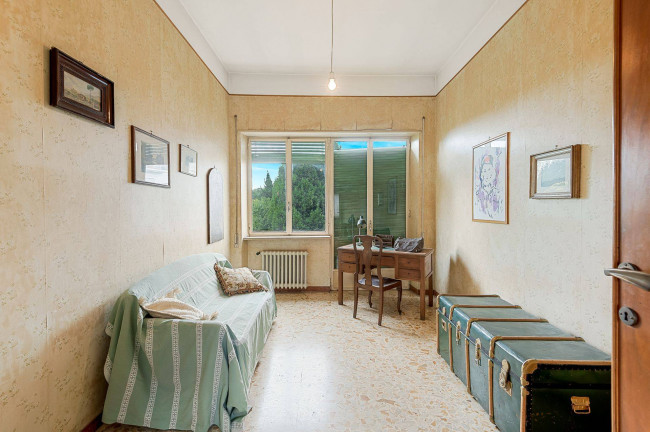
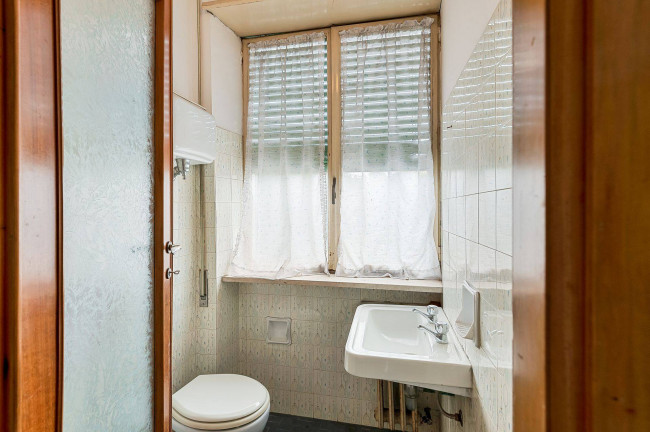
That phrase can cover a small refresh or a far more extensive decorative programme.
Buyers need realistic budgeting rather than vague assumptions.
Original Features, Interiors and Furnishings
Original materials may add value but can also require specialist conservation.
Specialist restoration is often slower and more expensive than standard refurbishment.
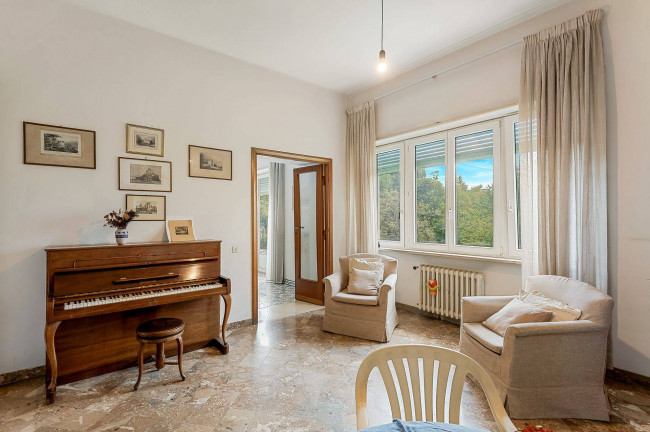
Included furnishings may represent genuine value or create disposal and clearance costs.
Certain items may be important to valuation, insurance or heritage considerations.
Garden, Stream, Water Rights and Environmental Position
Buyers need to know whether the stream lies fully within the property or forms part of a boundary.
Water classification affects rights, obligations and possible restrictions on use.
Easements can affect privacy, maintenance responsibilities and development options.
Maintenance obligations can be technical, ongoing and costly.
Buyers should not assume they can freely redesign a garden with a watercourse.
Historic water issues are highly relevant to risk and insurability.
Flood-risk classification can affect insurance, value and future works. River basin and hazard plans are key planning tools in Italy.
Documentary history is more reliable than verbal reassurance.
Water source affects running costs and regulatory obligations.
Water proximity can affect operational compliance.
Cadastral Conformity, Layout and Legal Registration
Buyers must confirm that the official records match the property being sold.
Unregistered or differently configured spaces can cause notarial and financing issues.
Cadastral discrepancies often need correction before completion.
Shared obligations affect autonomy and future works.
Access rights can reduce privacy and development flexibility.
Energy Performance and Running Costs
The full certificate helps buyers understand where the building performs poorly and what upgrades may help. The APE is a key document in Italian property transactions.
A large Class G villa may have substantial running costs.
Buyers may need a staged energy-improvement plan after purchase.
Protected status can limit the easiest upgrade routes.
Commercial Use, Hospitality and Rental Potential
Previous use can indicate whether the building has already navigated some compliance hurdles.
Existing compliance history may save time and cost.
In Italy, tourist accommodation listings are now tied to identification requirements, including the national CIN system for tourist properties and short lets.
Existing registration can make the launch of a hospitality use easier.
Not every elegant villa is commercially workable without major capital spend.
Municipal rules and practical enforcement can vary by location and use class.
Parking is crucial for hospitality and professional use.
Ancillary space can be valuable, but only if legally usable for the intended purpose.
Negotiation Intelligence
Buyer Leverage
Medium-High
Key Drivers
Typical Negotiation Range
5-15% below asking
Neutral Phrasing Example
Country Layer
Italy (Regulatory Context March 2026)
Key Italian requirements and context for buyers of this property:
Viewing Strategy
When viewing this villa, start outside rather than inside.
Next Step
Verify from the listing:
Heritage and planning status
Confirm whether the villa, garden or original architectural features are subject to vincolo or other planning restrictions before assuming future works will be straightforward.
Stream, flood and land constraints
Clarify the legal status of the spring stream, any easements, and whether the property sits in a mapped flood or hydrogeological risk area.
Cadastral and legal conformity
Request the visura catastale and planimetria for the full villa, garage and cellar to confirm that the registered layout matches the property on the ground.
Commercial-use feasibility
Check whether boutique hospitality or professional use is actually permitted under the current Cassino planning rules and what upgrades would be required.
Structural and energy reality
Verify the condition of the roof, load-bearing structure, systems and the full Class G APE so you can assess running costs and renovation needs properly.
A prepared buyer should approach the agent calmly and frame questions as due diligence. For example: “To help me assess the property properly and prepare a serious offer, could you share the APE, cadastral plans, heritage position, and any documents relating to the stream, structural condition and permitted uses?”
Because this is a large historic villa with likely refurbishment and compliance implications, run it through the Renovation Budget Planner to assess upgrade scope, or use the Property Risk Assessment to test legal, structural and land-related risks before contacting the agent.
Disclaimer: The Property Drop is buyer-focused intelligence, zero sales agenda. We curate exceptional properties, in southern Europe, from third-party agents and arm you with decision tools. No commission, no transactions, no agent partnerships, no skin in the game beyond helping you choose wisely. Information stays accurate until it doesn't (properties sell, prices shift, markets move). Everything here is shared for informational purposes only and should not be treated as legal, financial, or investment advice. Images belong to original agents. Read our Terms of Service to learn more.
IMPORTANT REMINDER: When contacting property agents featured on The Property Drop, you are entering into direct communication with third parties. It's recommended that you verify all property details independently, conduct thorough due diligence, engage qualified professionals (solicitors, surveyors, financial advisors), understand your rights and obligations under local property laws, and never send money or make commitments without proper legal protection.
