
The Buyer Playbook: 10-Bed 1920s Mansion Renovation Project with Outbuildings on 2.4 Hectares, Northern Alentejo, Portugal €595,000
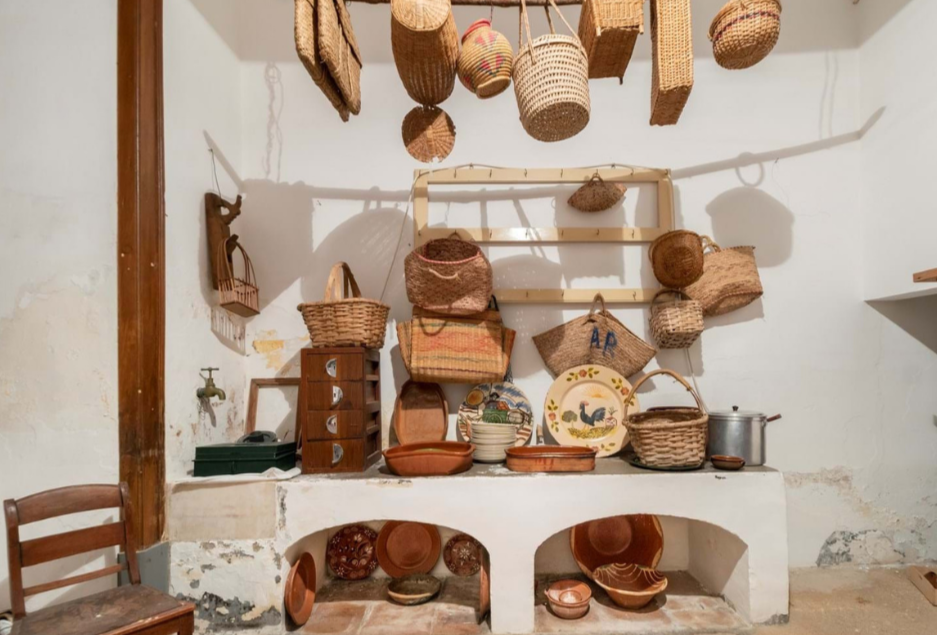
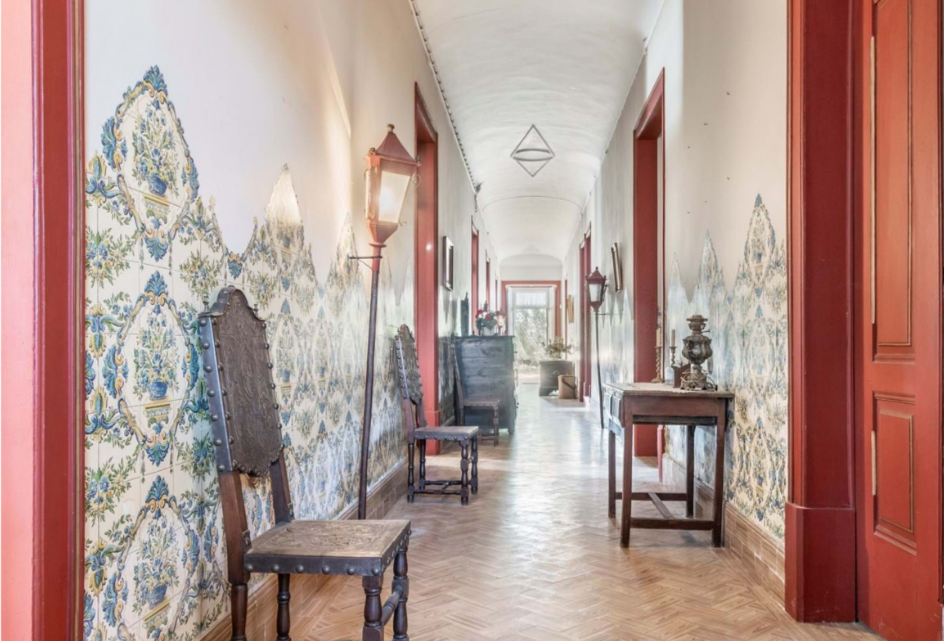
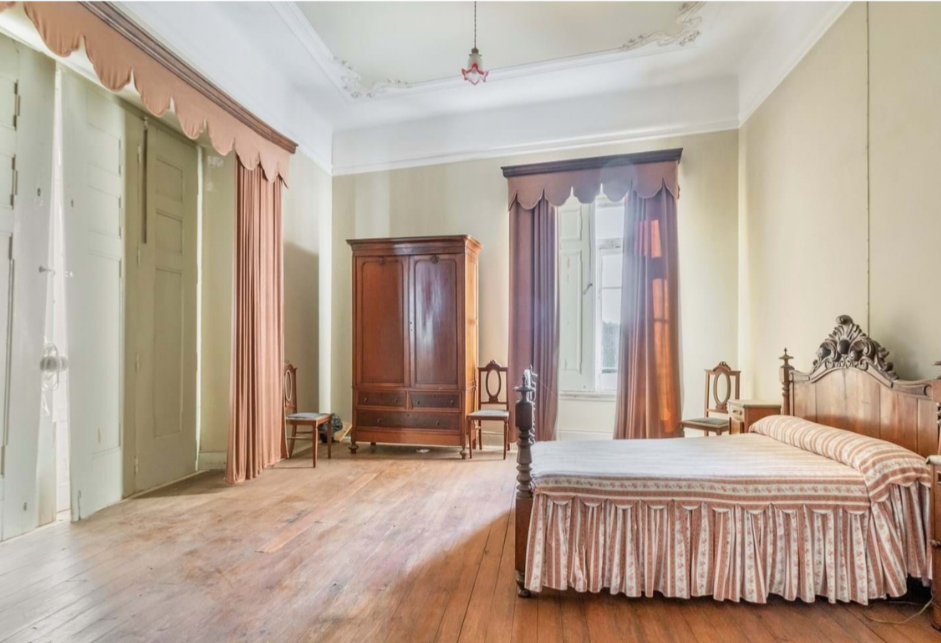
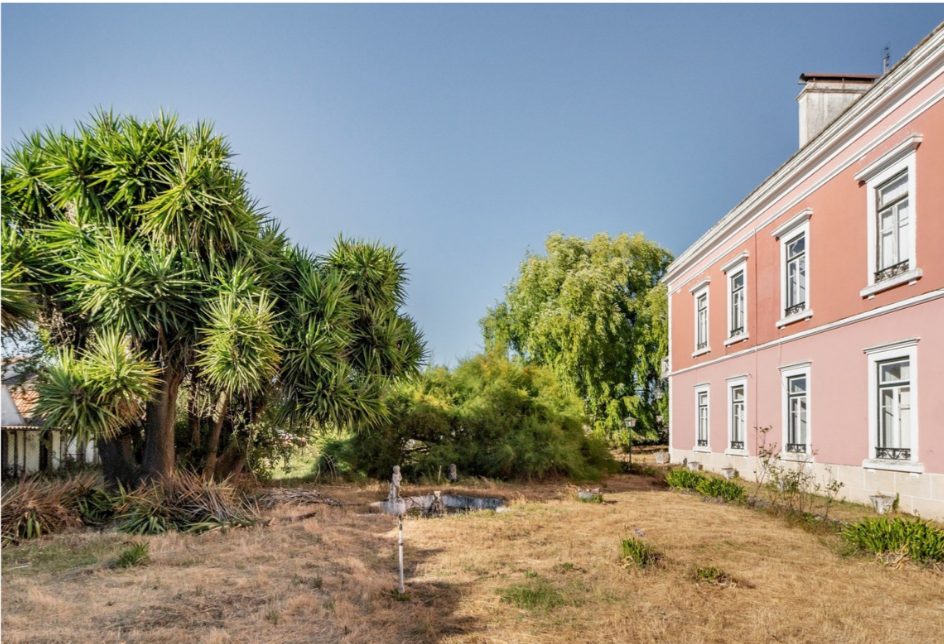
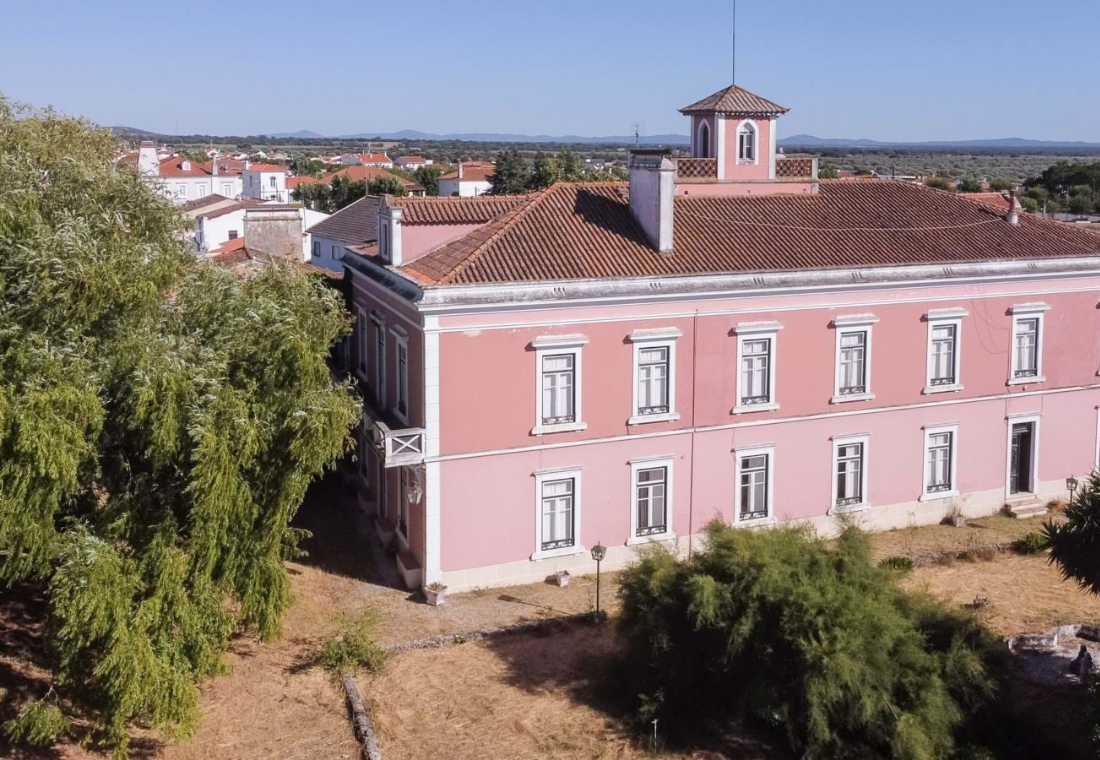
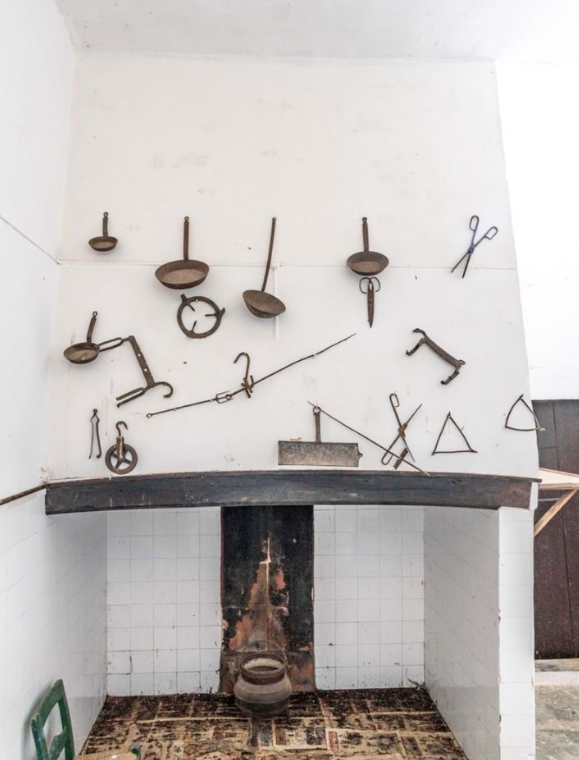
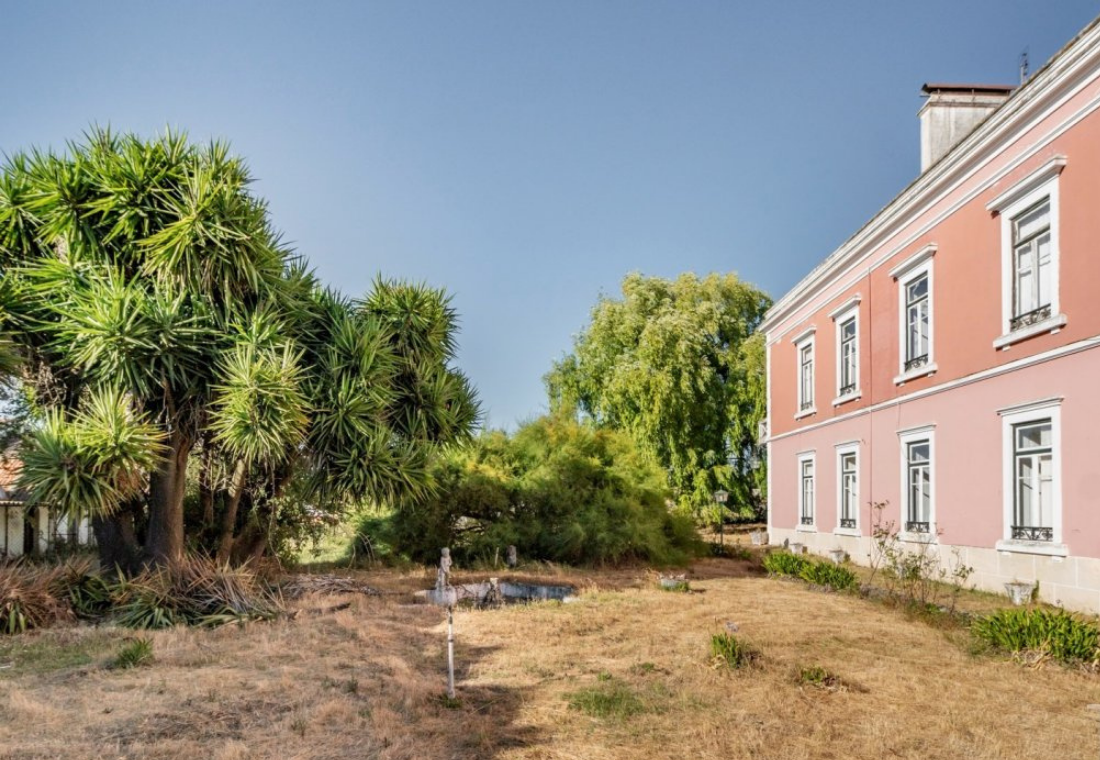
Buyer Playbook
Pre-Viewing Intelligence Report
This Buyer Playbook provides independent buyer guidance based on publicly available information and common due diligence practices for property purchases in Portugal. This is not a substitute for professional surveys or legal advice. Always verify legal, planning, tax and infrastructure matters with a qualified Portuguese solicitor, architect, engineer or notary before proceeding.
Playbook Contents
Property Snapshot
Location
Cano, Sousel, Portalegre, Northern Alentejo
Property type
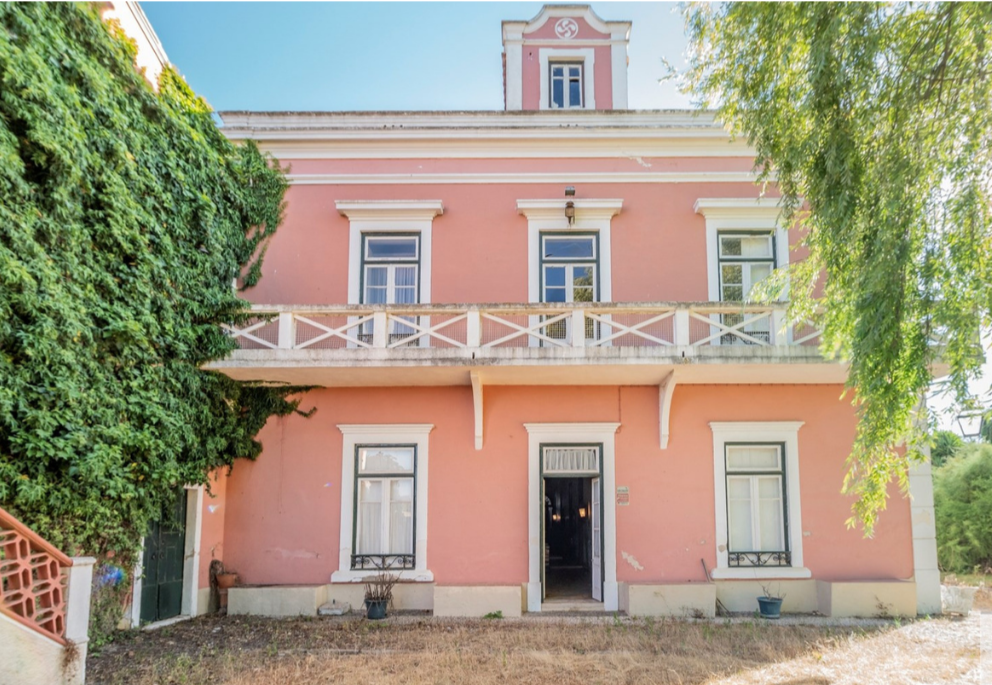
House / country mansion renovation project
Construction year
1920
Current usage shown on listing
Residential
Bedrooms / bathrooms
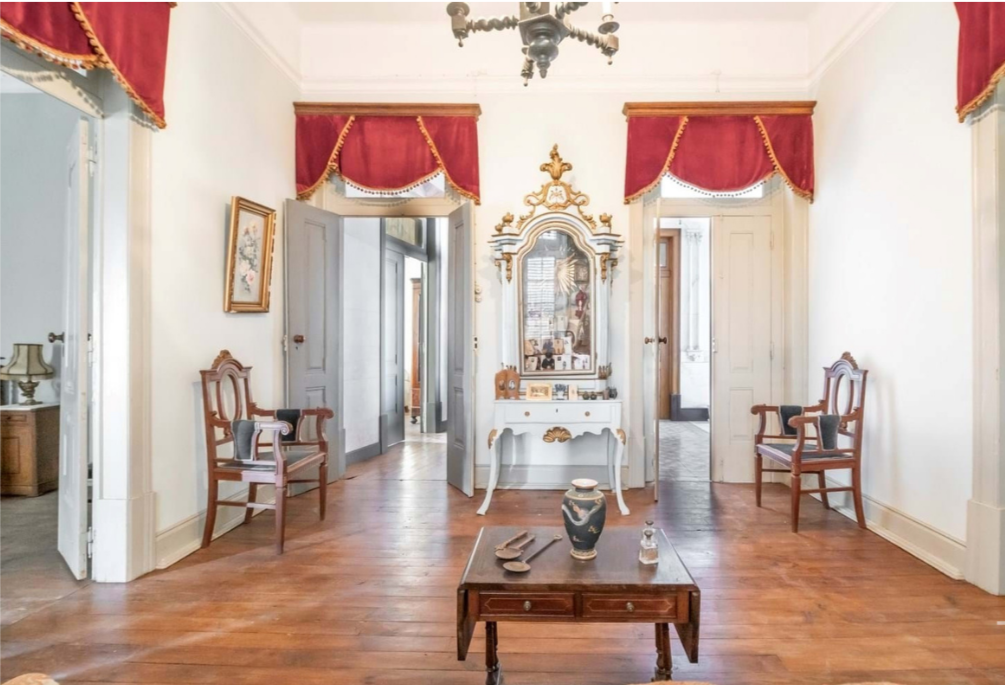
10 bedrooms / 2 bathrooms
Floors
2
Living area
1,800 m²
Usable area
1,963 m²
Plot area
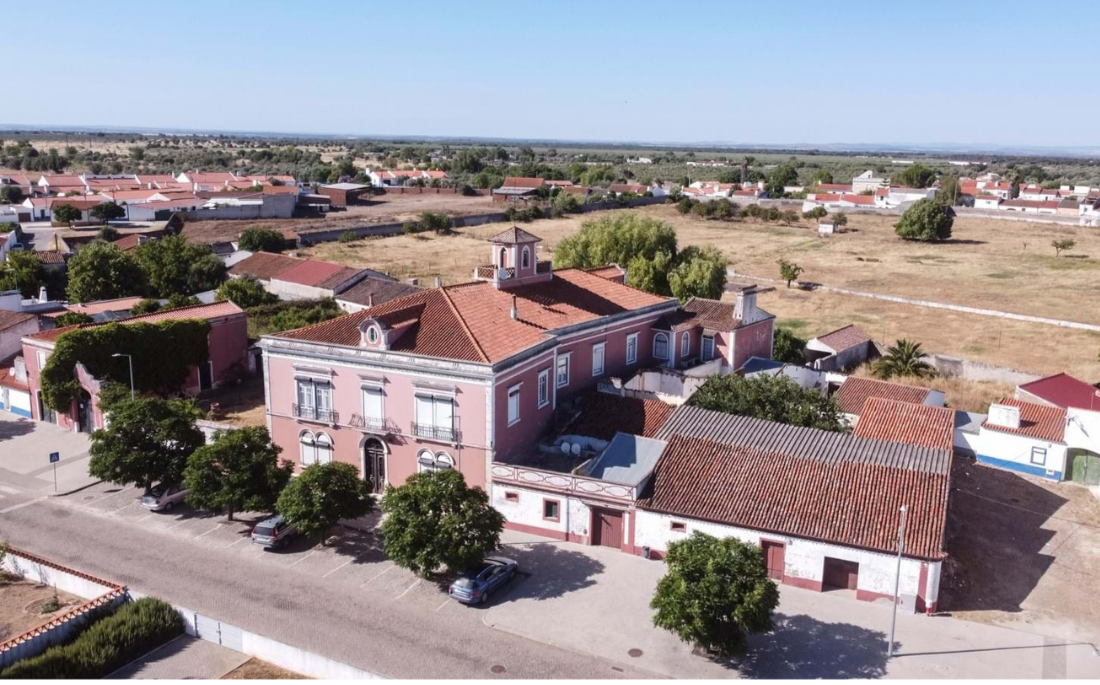
24,500 m²
Water shown on listing
Cistern and well
Other features shown on listing
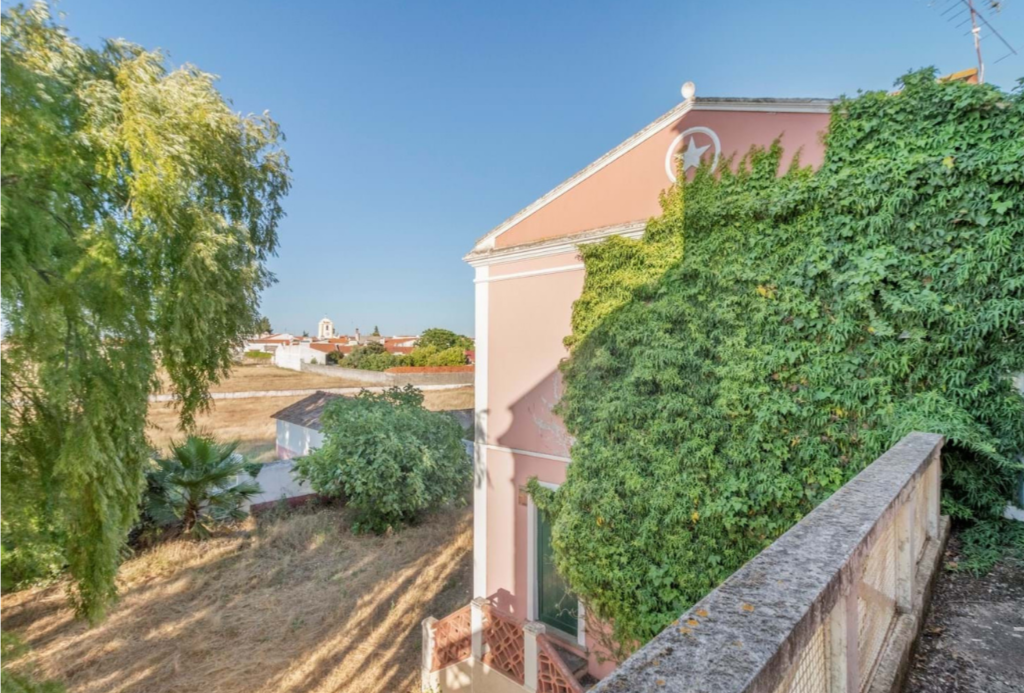
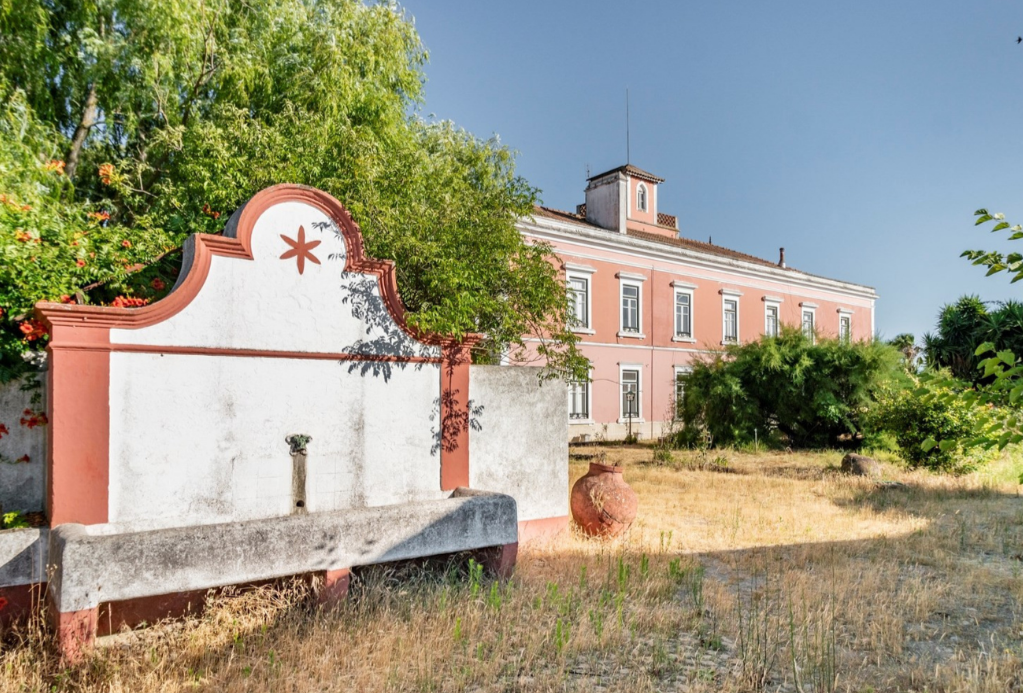
Garage, fireplace, outbuilding, fenced/walled garden
Energy rating
E
Price
Reduced from €730,000 to €595,000
Occupancy history shown on listing
Occupied by the same family until 2018
Stated opportunity
Suitable for a large family or investor to convert into a guest house
Risk Radar
Overview
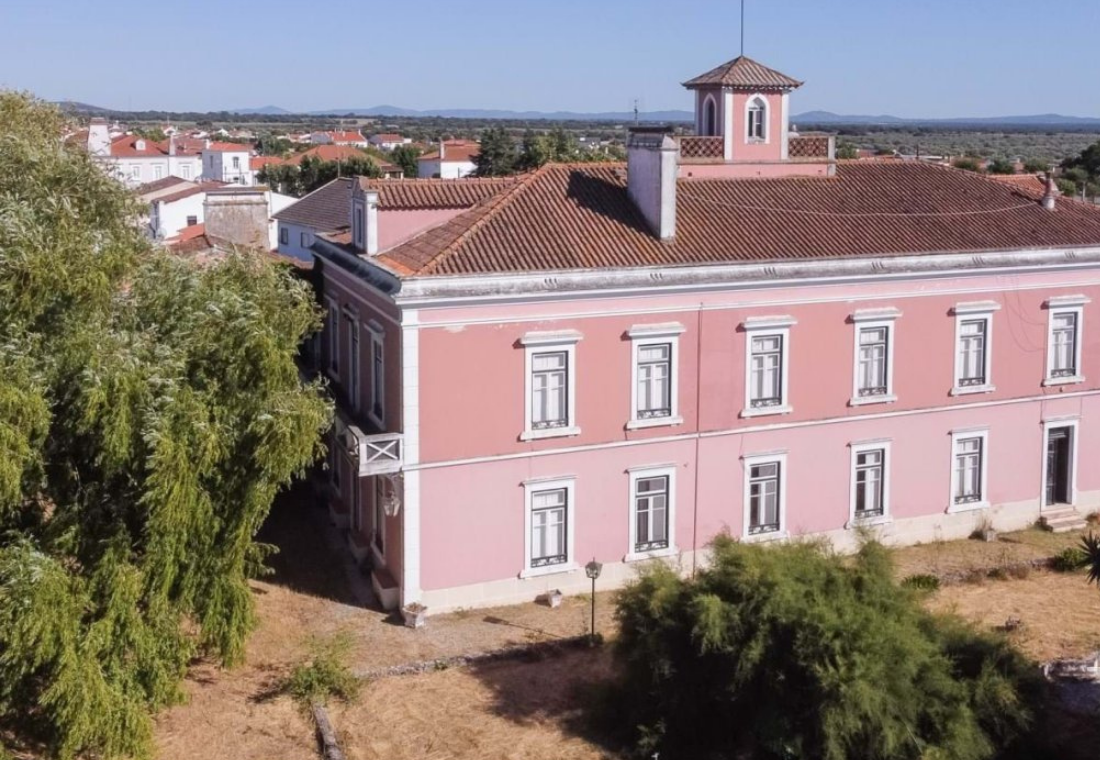
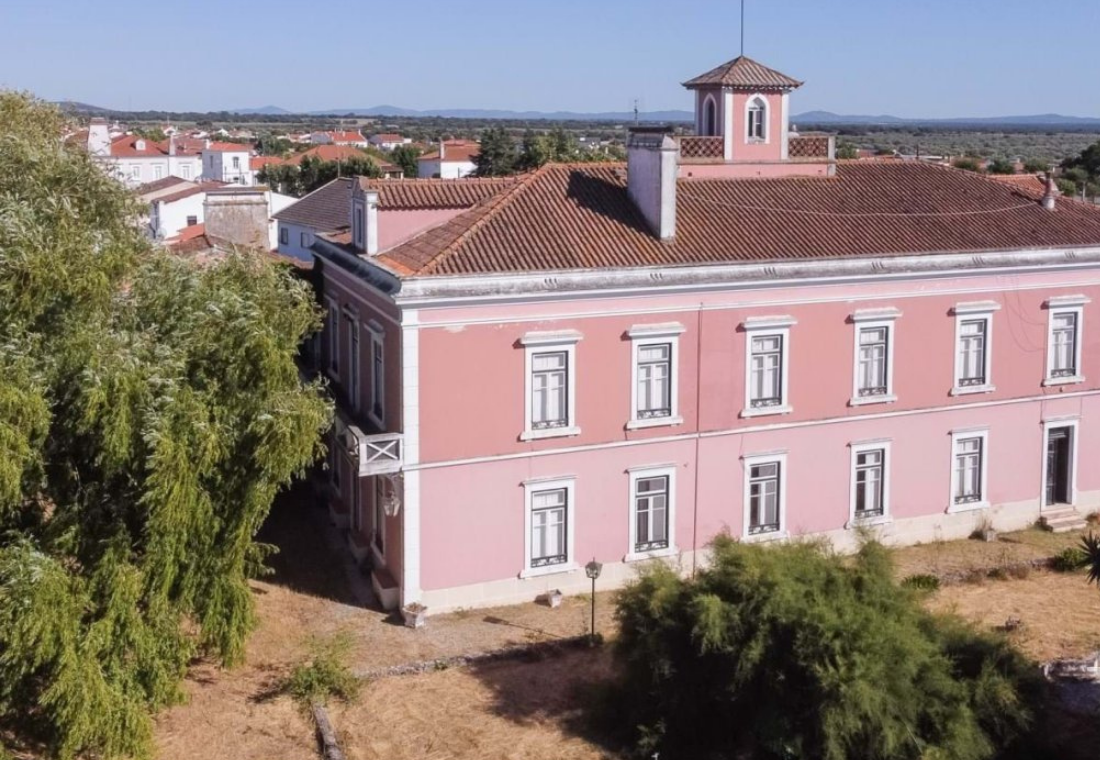
The listing presents a rare 1920 Portuguese mansion with charm, scale and strong repositioning potential in northern Alentejo. It also states clearly that the property needs a lot of renovation, which is useful because it frames this as a serious project rather than a misleadingly "light refresh" opportunity.
The current data points are striking: 1,800 m² of living area, 24,500 m² of land, 20 rooms, 10 bedrooms, only 2 bathrooms, a well and cistern, plus multiple outbuildings including a connected annex, an 85 m² shed and a 113.8 m² barn. The price reduction from €730,000 to €595,000 is significant and suggests seller motivation, but it may also reflect the scale, complexity and cost of the works required.
For this type of property, the E energy rating is useful context, but it is not the main financial story. On a building of this size, the broader renovation budget, compliance costs and infrastructure upgrades will almost certainly outweigh the cost of energy improvements alone.
Targeted Questions
Legal Classification, Title and Permitted Use
This classification is foundational. It affects what can be renovated, expanded, financed or converted, especially if the end goal is hospitality rather than simple residential use.
If the property is registered only for residential use, converting it to tourism, services or a guesthouse may require a formal alteration of use.
If not, the project timeline and viability will depend on whether Sousel council is likely to approve a change of use.
General optimism is not enough. You want a concrete procedural answer, not a verbal "it should be possible".
Portugal's official purchase process relies on correct property tax and registry documents, and mismatches can delay or derail a sale.
A user licence is one of the key legal documents checked in a Portuguese purchase and is important for compliance, financing and future operation.
The official title search should disclose these, and you need clarity before spending money on design work or surveys.
Portuguese transactions can require declarations relating to the exercise of right of preference, and this can affect deal certainty and timing.
Heritage, Planning and Outbuildings
Heritage restrictions can affect materials, external alterations, demolition rights, window replacements and internal layout changes.
Older outbuildings are sometimes omitted or loosely described in tax records, which can create trouble for mortgages, planning consent and future conversion. The listing itself identifies multiple outbuildings, so they must be verified properly.
A structure that exists physically is not automatically approved for habitable, hospitality or event use.
A large part of the commercial upside may sit in the outbuildings, so their legal utility matters as much as the main house.
Agricultural and ecological restrictions can limit what you can build, extend, reclassify or intensify.
Historic properties sometimes carry undocumented alterations that become a problem only when you try to licence new works.
Structural Condition and Building Fabric
"Needs renovation" is too broad for a project of this size. You need a professional assessment of whether the works are heavy refurbishment, partial rebuilding or something in between.
Roof failure is one of the biggest cost drivers on heritage-scale projects, especially where water ingress has been ongoing.
Masonry movement can turn an attractive renovation into a deep structural intervention.
Old buildings can tolerate some movement, but major settlement risk changes both budget and insurability.
Vacancy accelerates deterioration, particularly in large buildings where minor failures spread quietly over time. The listing notes occupancy until 2018, which is useful, but the period since then still matters.
These are common hidden cost centres in older buildings and can materially alter the project budget and phasing.
Restoration can preserve character, but replacement or repair costs on a building of this scale can be substantial.
The E rating is a clue, but not a detailed roadmap. Thermal upgrades on a property this size can be expensive and may be constrained by heritage rules.
Internal Layout and Conversion Feasibility
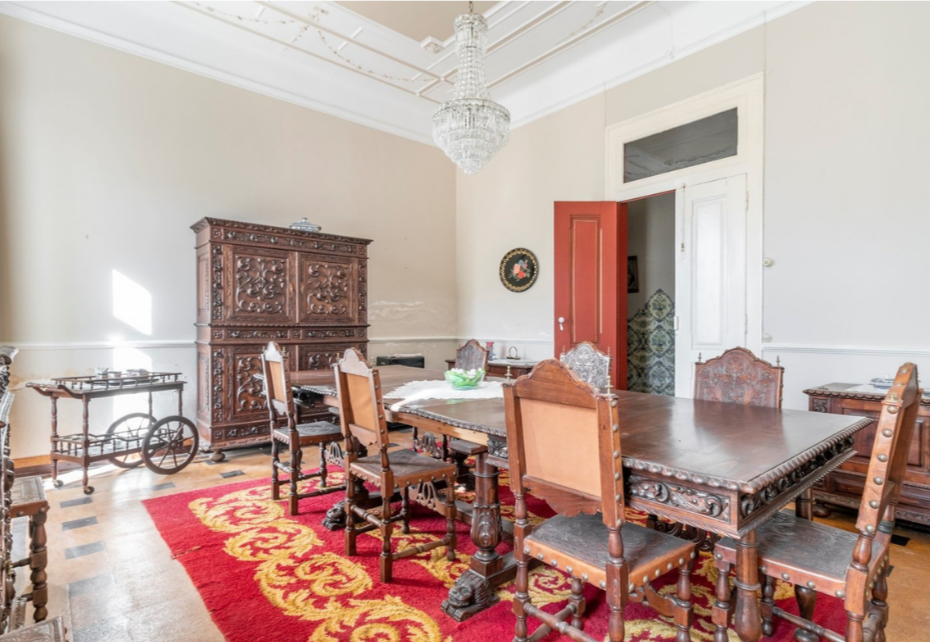
On a 20-room property, layout intelligence is essential before even rough budgeting can begin. The listing gives scale, but not the operational logic of the plan.
With only 2 bathrooms for 20 rooms, plumbing strategy is one of the biggest determinants of conversion cost.
Guesthouse viability often depends on how efficiently bedrooms can be converted to acceptable modern standards.
Hospitality use introduces operational and safety requirements that exceed normal residential use.
Large guest operations fail on paper when the unseen back-of-house requirements are ignored.
Utilities, Water and Sewage
A project of this size may need a major power upgrade, particularly if future use includes commercial kitchens, HVAC, laundry and hot water demand.
The listing only states cistern and well, which is not the same thing as secure, year-round mains service.
A private water source may be workable for residential use but insufficient for hospitality or events without expensive upgrades.
Storage volume is critical if water supply is intermittent or seasonal.
You need legal certainty, not just practical habit, especially if irrigation, gardens or hospitality use are planned.
A large tourism conversion may require a modern compliant sewage solution, and that can be expensive.
A non-compliant system could require full replacement before a licence is granted.
Understanding where services run helps you phase works sensibly and avoid costly surprises.
Financial Reality, Taxes and Seller Motivation
Portuguese purchases require attention to tax documentation, and you do not want unpaid obligations surfacing late in the process.
The house was occupied until 2018, so legacy bills and disconnections need to be checked rather than assumed away.
A significant reduction can indicate urgency, failed sales, newly understood defects or a change in seller strategy.
Failed transactions often reveal practical problems that are not obvious from the listing.
On complex projects, negotiation is not only about price. Time, conditionality, survey access and document production can matter just as much.
Operational Potential and Local Context
Portugal's local accommodation framework operates through registration, and local compliance matters for execution, not just concept.
A 20-room hospitality concept may sit beyond the simplest short-stay model, so the regulatory route must match the ambition.
For a project of this scale, local execution expertise is not optional. It is one of the main determinants of timing, compliance and cost control.
Agriculture, forestry, industrial activity or large-scale livestock operations can affect guest appeal, odour, noise and long-term positioning.
A countryside setting is part of the value proposition, so you need to know whether it is likely to remain that way.
This can surface practical truths about maintenance burden, water, access, family succession or other issues not visible in marketing photos.
Negotiation Intelligence
Buyer Leverage
High
Key Drivers
Typical Negotiation Range
5-15% below asking
Neutral Phrasing Examples
Country Layer
Portugal (Regulatory Context March 2026)
Portugal's official property purchase guidance highlights several core documents that should be checked before purchase, including the property tax document, registry extract, user licence, energy certificate, building data sheet where relevant, and proof of non-debt to the condominium where applicable. It also notes that deeds can require declarations regarding the exercise of right of preference, where applicable.
Viewing Strategy
Visit this property with your architect and engineer, not as a casual first viewing.
Next Step
Verify from the listing:
Price reduction and seller urgency
The reduction from €730,000 to €595,000 is substantial. Clarify whether this reflects urgency, failed deals, newly discovered defects, or a strategic repricing.
Residential use versus hospitality ambition
The listing shows the current usage as residential while also presenting guesthouse potential. Confirm whether tourism or services use is already possible, or whether a formal change of use would be required.
Scale of works versus only 2 bathrooms
With 20 rooms and only 2 bathrooms, this is not a light conversion. Verify where new bathrooms could realistically be added and whether the existing drainage and structure can support that plan.
Well, cistern and off-grid water reality
The listing names a well and cistern, not mains water. Confirm year-round reliability, water quality, storage capacity and any restrictions before assuming the site can support guest use.
Outbuildings and conversion potential
The annex, shed and barn are part of the value story. Confirm that all are legally registered and clarify what each can actually be used for under current planning rules.
A prepared buyer should approach the agent in a calm, serious way and frame questions as due diligence. For example: “To help us evaluate the project properly and prepare a serious offer, could you clarify the following legal, structural and infrastructure points?”
Because this is a major renovation and repositioning project, run it through the Renovation Budget Planner to map the likely works, or use the Total Property Cost Calculator to understand the broader acquisition and ownership picture before contacting the agent.
Disclaimer: The Property Drop is buyer-focused intelligence, zero sales agenda. We curate exceptional properties, in southern Europe, from third-party agents and arm you with decision tools. No commission, no transactions, no agent partnerships, no skin in the game beyond helping you choose wisely. Information stays accurate until it doesn't (properties sell, prices shift, markets move). Everything here is shared for informational purposes only and should not be treated as legal, financial, or investment advice. Images belong to original agents. Read our Terms of Service to learn more.
IMPORTANT REMINDER: When contacting property agents featured on The Property Drop, you are entering into direct communication with third parties. It's recommended that you verify all property details independently, conduct thorough due diligence, engage qualified professionals (solicitors, surveyors, financial advisors), understand your rights and obligations under local property laws, and never send money or make commitments without proper legal protection.
