
Why Are Some French Properties Exempt from DPE (Energy) Requirements? And How to Negotiate a Better Price.
Not all French properties require a DPE (Diagnostic de Performance Énergétique).
Some are legally exempt but this isn’t the loophole it appears to be.
Understanding these exemptions is crucial for protecting yourself and potentially securing a better price.
Section 1: Why Are Some Properties in France Exempt from the DPE?
The exemptions are narrowly defined under Article L. 126-26 of the French Construction and Housing Code. A property being 'old' is not, in itself, a reason for exemption.
Legal exemptions include:
1. Buildings for Temporary or Seasonal Use
Properties legally occupied for less than 4 months per year, such as mountain chalets or beach huts used only during a short season.
2. Stand-alone Buildings Under 50m²
Very small, independent structures.
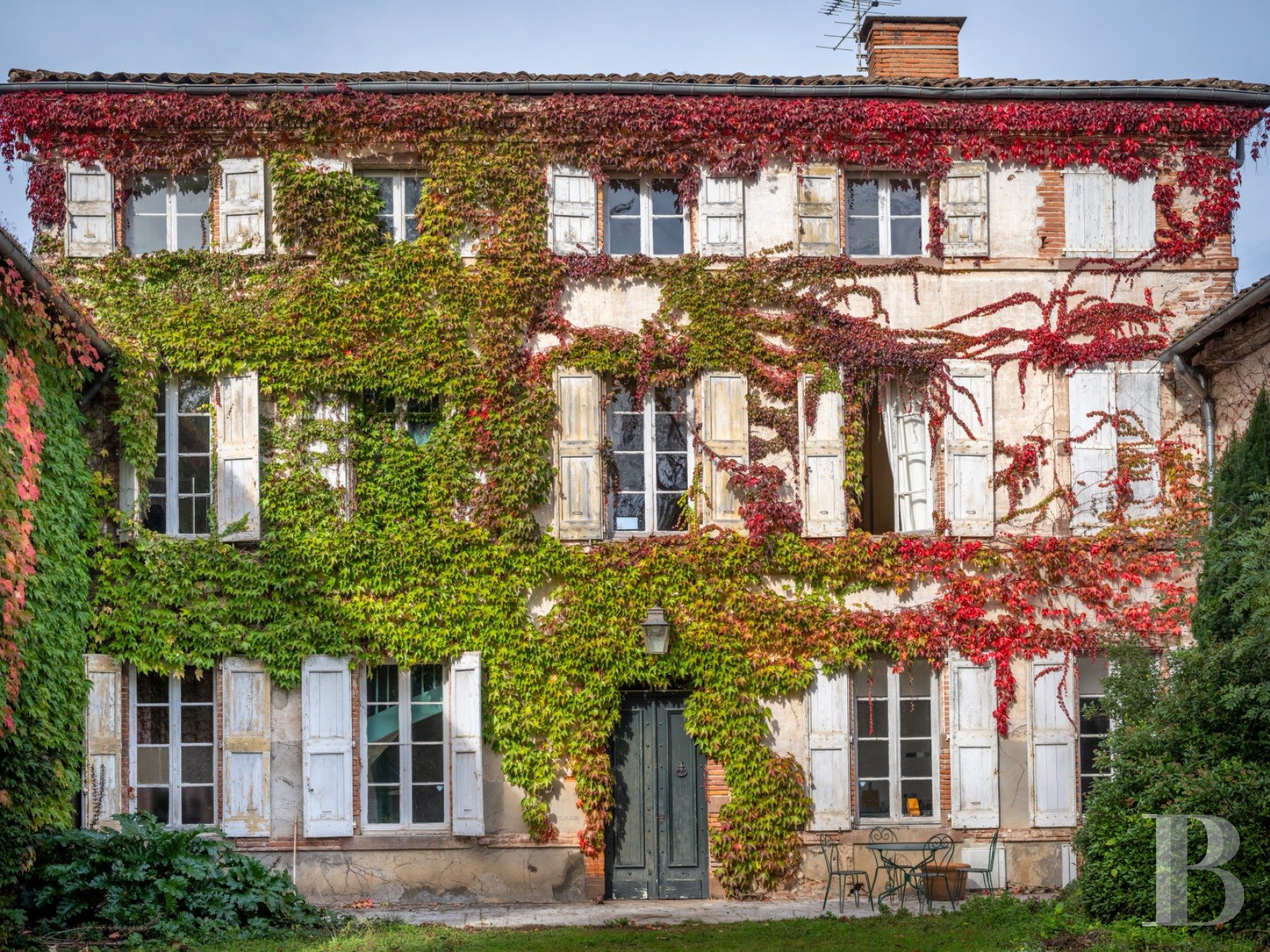
3. Listed Historical Monuments (Monuments Historiques)
Properties classified or officially registered as historical monuments are fully exempt, as renovations could compromise their heritage value.
This is the most relevant exemption for older properties and a double-edged sword.
Whilst it exempts you from DPE requirements and renovation bans, it subjects you to the strictest renovation controls in France.
4. Places of Worship
5. Provisional Buildings
Structures with a planned life of less than 2 years.
Section 2: How to Protect Yourself When Buying an Exempt Property
If you're considering an exempt property, due diligence is paramount. An exemption is a red flag requiring extra investigation.
1. Verify the Exemption Legitimately & Officially
For a Monument Historique:
Request the official classification/registration decree
Verify independently with the Architecte des Bâtiments de France (ABF) at the local Préfecture or regional cultural affairs department (DRAC)
Do not rely on the seller's word or a vague 'it's in a protected zone' claim
Partial listing (only the façade, for example) complicates matters
For a Seasonal Use claim:
Request proof: tax returns, utility bills showing very low annual consumption
Check local tax (taxe d'habitation) records indicating seasonal occupancy
2. Conduct an ‘Energy Audit Lite’
Even if you can't obtain an official DPE, hire a surveyor (diagnostiqueur) or architect to provide a professional assessment of the building's energy performance.
Whilst they can't issue the formal document, they can provide a detailed report on:
Insulation quality
Heating systems
Windows and glazing
Estimated running costs
This is your single most important protective step.
3. Get a Specialised Architect/Builder Inspection
For a Monument Historique, you must engage an architect experienced with Bâtiments de France regulations. They will assess:
The true scope of protected elements
What renovations are even permissible (you may be forbidden from installing double-glazing or external insulation)
The likely cost and complexity of obtaining ABF approval for any works
4. Secure Financing & Insurance Pre-Approval
Financing: Some banks are hesitant to lend on exempt properties, especially Monuments Historiques. Obtain a mortgage agreement in principle (accord de principe) before making an offer.
Insurance: Insuring a listed building can be more expensive and complex. Get quotes early.
5. Adjust Your Contract
Work with a notaire who has experience with historic properties. Include conditional clauses (clauses suspensives) such as:
Contingent on verification of the exemption status
Contingent on obtaining satisfactory financing
Contingent on a satisfactory technical inspection by a specialised professional
Section 3: How to Negotiate a Better Price Using the Exemption
Knowledge translates into leverage. Frame the exemption not as a quirky feature, but as a source of future cost, risk, and restriction.
For a Monument Historique
The ‘Renovation Premium’ Argument:
'Whilst the DPE is not required, any work to improve energy efficiency will require ABF approval, specialised materials, and craftsmen, which can cost 30-50% more than standard renovations. This significantly impacts the property's modern usability and running costs. The price should reflect this permanent financial burden.'
The ‘Market Limitation’ Argument:
'This status severely limits the pool of future buyers - requiring specific interest, patience, and deep pockets for renovations, which depresses its market value compared to a freehold property.'
The ‘Heritage Obligation’ Argument:
'As the future owner, I am taking on the legal and financial responsibility of maintaining a national heritage asset, with very little flexibility. This stewardship role carries a cost that should be recognised in the purchase price.'
For ‘Seasonal Use’ or ‘Under 50m²’ Exemptions
The ‘Utility Cost’ Argument:
Obtain estimates for bringing the property to a reasonable energy standard. Present this to the seller:
'To use this as a year-round home, I will need to invest approximately €XX,XXX in insulation and heating. The current price plus these essential works exceeds the market value of a comparable, efficient property.'
The ‘Lifestyle Constraint’ Argument:
'The exemption confirms this is not designed as a primary residence. Its functionality is limited, which inherently reduces its value.'
Key Negotiation Strategy
1. Get the numbers: Use your professional energy assessment and builder/architect quotes to quantify the ‘exemption penalty’
2. Anchor high: Start negotiations by deducting the full estimated renovation cost plus a risk premium (e.g. +20%) from the price of a similar, non-exempt but inefficient property
3. Focus on future-proofing: Argue that even if today's laws don't force renovation, future regulations, energy prices, and buyer expectations will. The property is a stranded asset without investment, and you, as the buyer, are bearing that future cost.
Quick Reference Table
| Exemption Type | Key Protection Steps | Price Negotiation Leverage |
|---|---|---|
| Monument Historique |
• Verify ABF classification • Hire specialist architect • Get insurance quotes • Secure financing pre-approval |
Renovation costs 30-50% higher; Limited buyer pool; Heritage maintenance obligations |
| Seasonal Use (< 4 months/year) |
• Verify tax records • Check utility bills • Commission energy audit • Assess year-round usability |
Cost to convert to primary residence; Limited functionality; Reduced market value |
| Under 50m² |
• Measure actual floor space • Commission energy assessment • Evaluate heating/insulation costs |
High per-m² renovation costs; Space limitations; Future energy compliance risks |
Bottom Line:
An exempt property in France is a specialised purchase. It can be a wonderful investment into history or a unique lifestyle, but it is not a way to avoid energy regulations without consequence.
The savvy buyer uses the exemption not as a convenience, but as the central point for due diligence and price negotiation.
Always involve a specialised notaire and architect experienced with Bâtiments de France regulations.
Related Resources:
Buying property in France?
Check out the Energy Risk Assessor to understand legal & financial implications of your dream home before you buy.
Understand the risks →
Whether your dream property needs a full gut, rewiring or just a paint job you'll get the:
· Renovation costs
· Completion timeline
· Recommended contingency
· Total project budget
Calculate your renovation costs →
The information in this Energy FAQs article is for educational purposes only and should not replace professional advice. Always consult with qualified property experts to determine what services, if any, are right for you.
