
The Buyer Playbook: Renovated Ancient Watchtower Within Castle Walls, Spoleto, Italy, €135,000
Buyer Playbook
Pre-Viewing Intelligence Report
This independent buyer guidance report relates to this specific property located in Italy. It is provided for informational purposes only and does not constitute legal, tax, heritage, planning, tourism-licensing or survey advice. The legal status of the tower, the renovation file, the agibilità position, any heritage protection, the exact title basis of the 615 m² outdoor area, and any short-let compliance must always be verified with qualified Italian professionals such as a notaio, geometra, architetto, engineer and tax adviser, and with the Comune, Catasto and any competent Soprintendenza. In Italy, works on protected cultural property require Soprintendenza authorisation, the APE is part of normal sale documentation, and short-let identification now runs through the national CIN process via the BDSR platform.
Playbook Contents
Property Snapshot
Location
Sant'Angelo in Mercole, near Spoleto, Umbria, Italy
Property type
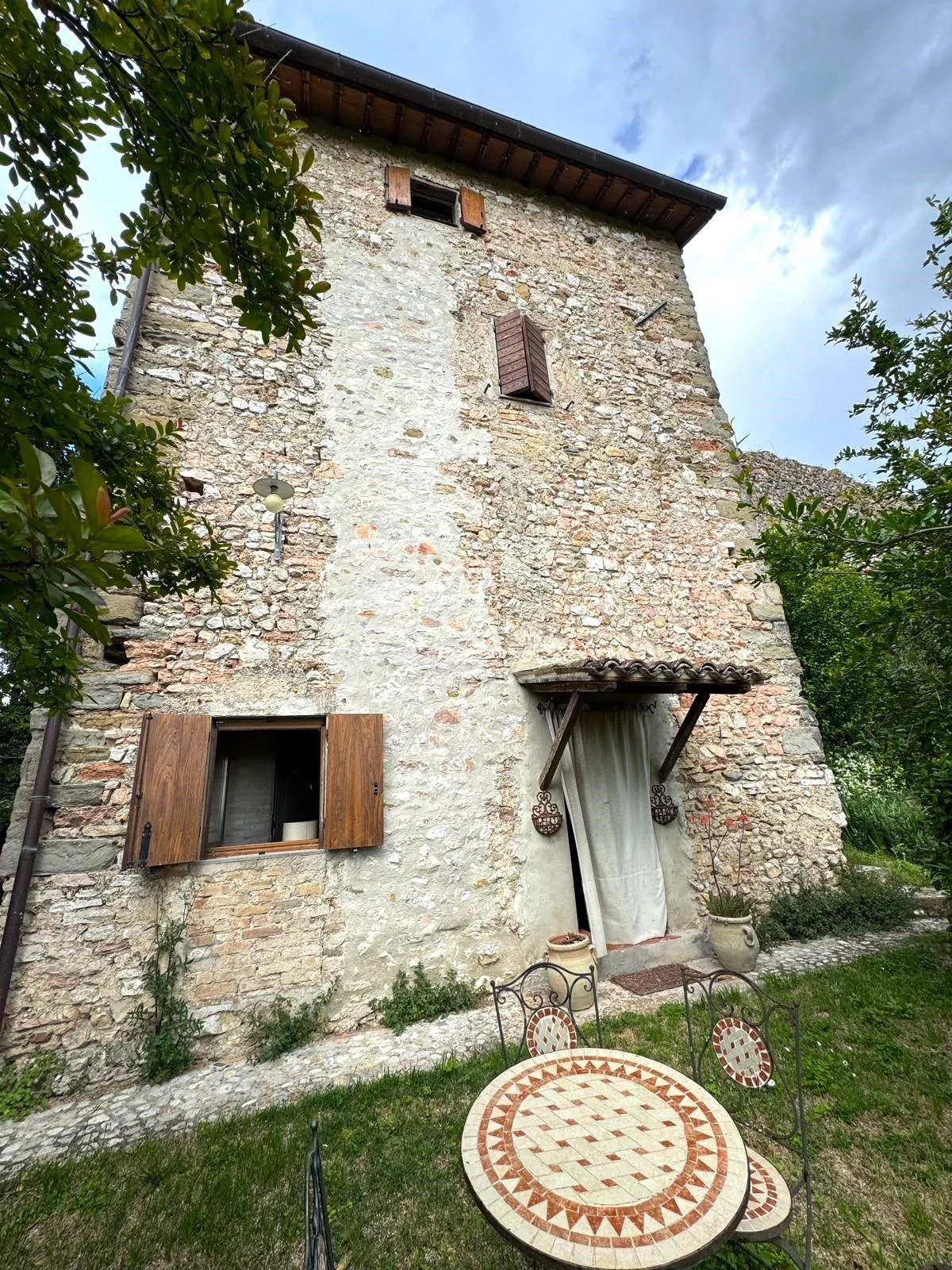
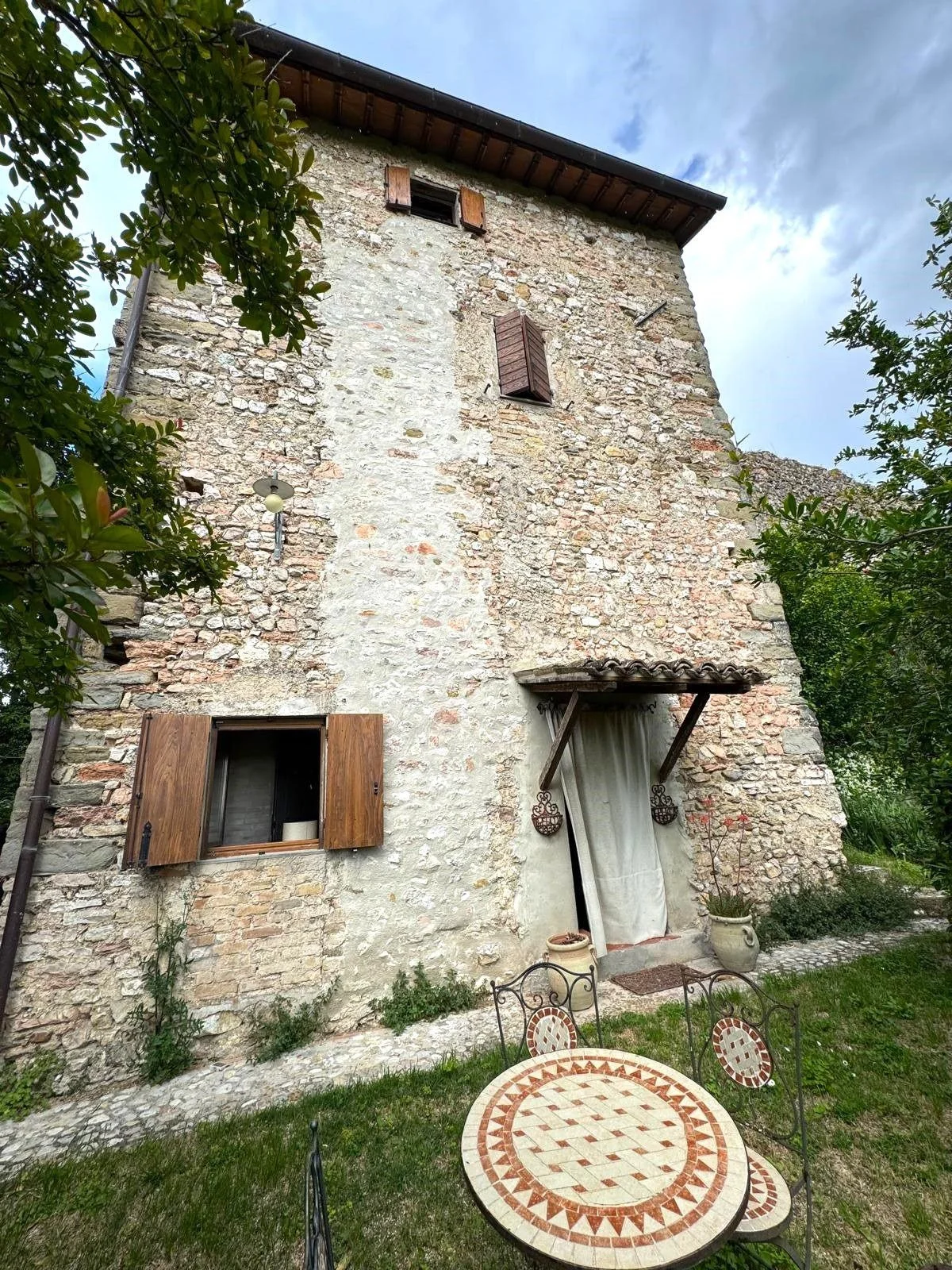
Renovated ancient watchtower within castle walls
Price
€135,000
Key features
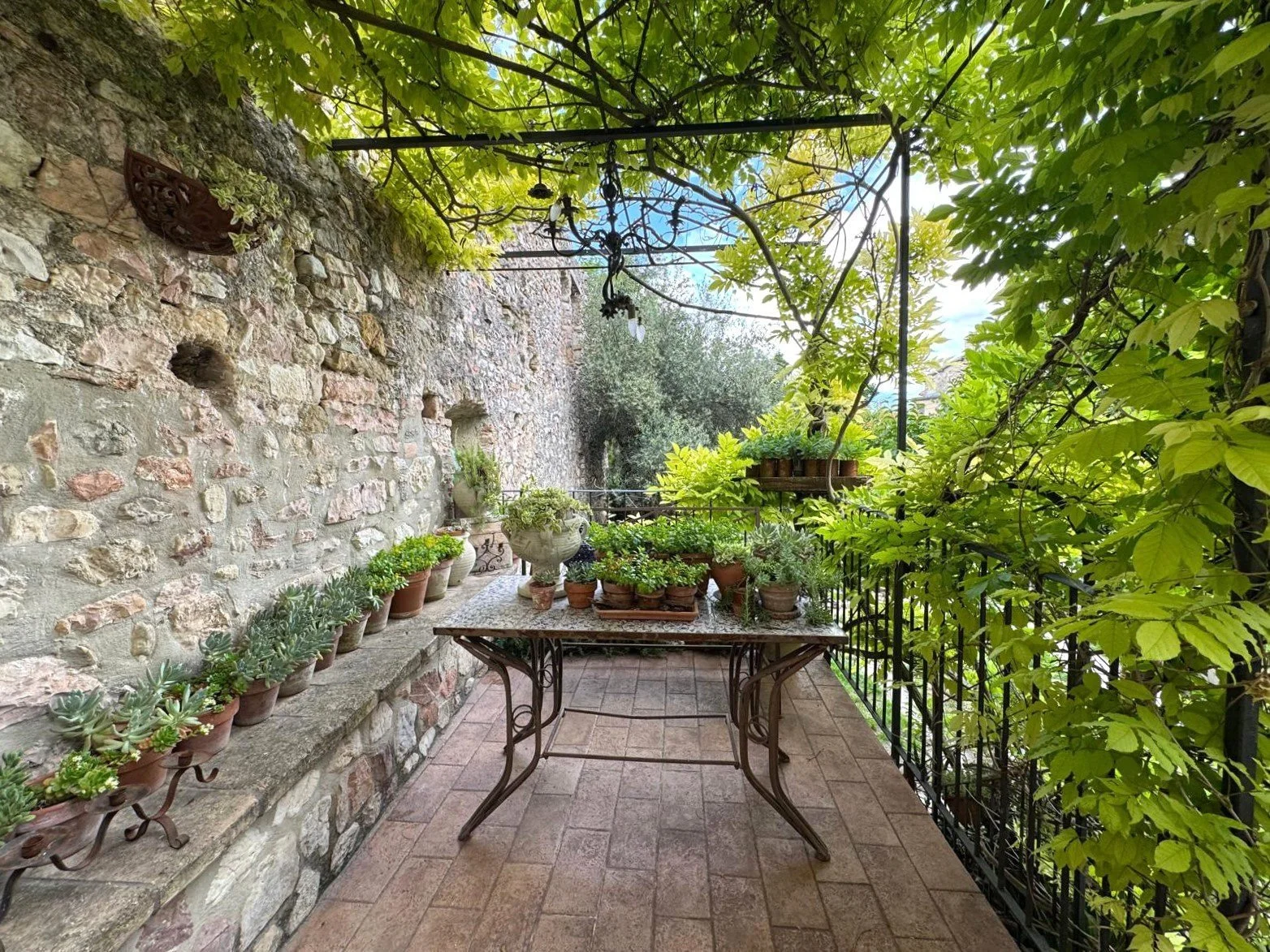
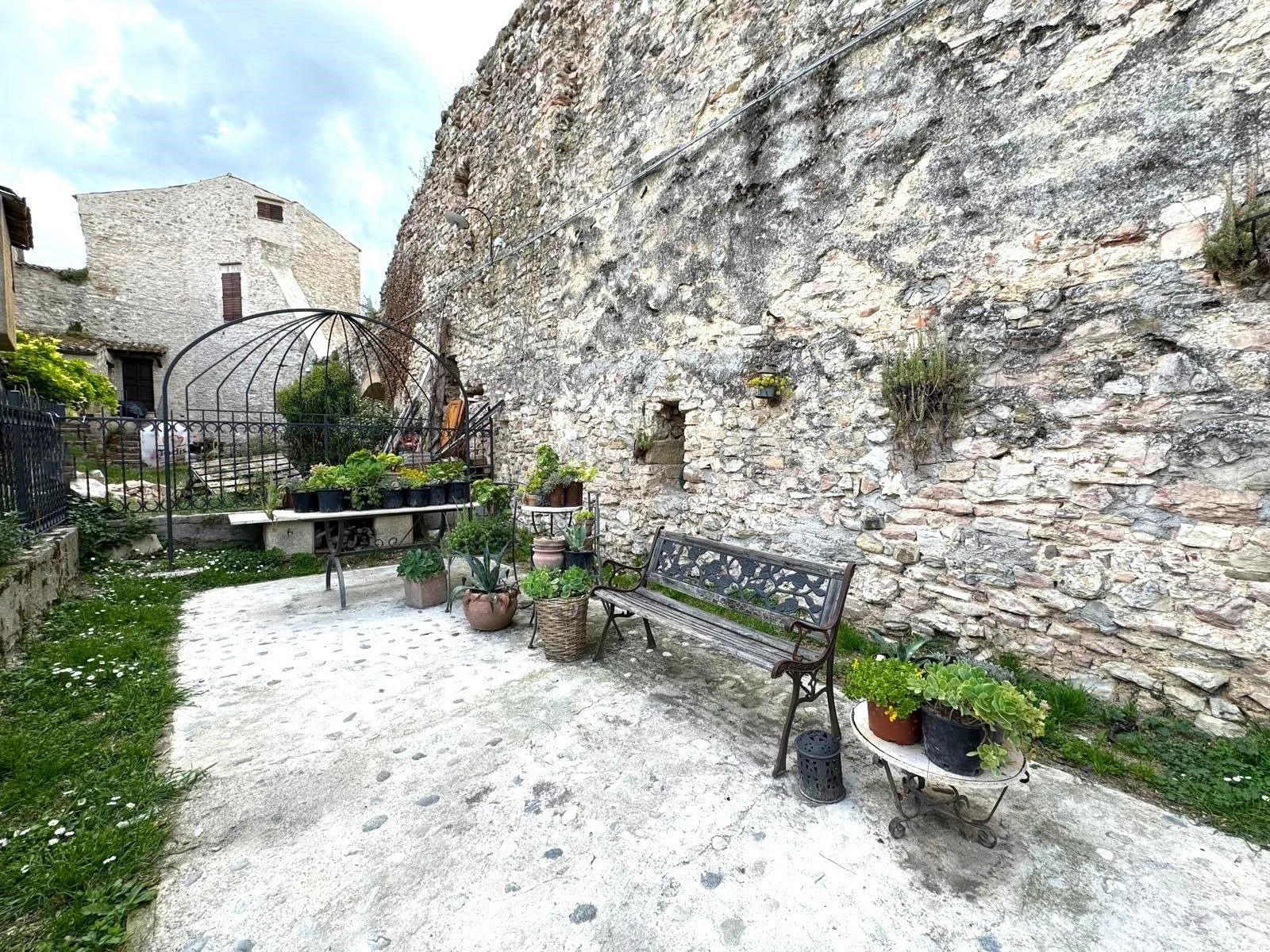
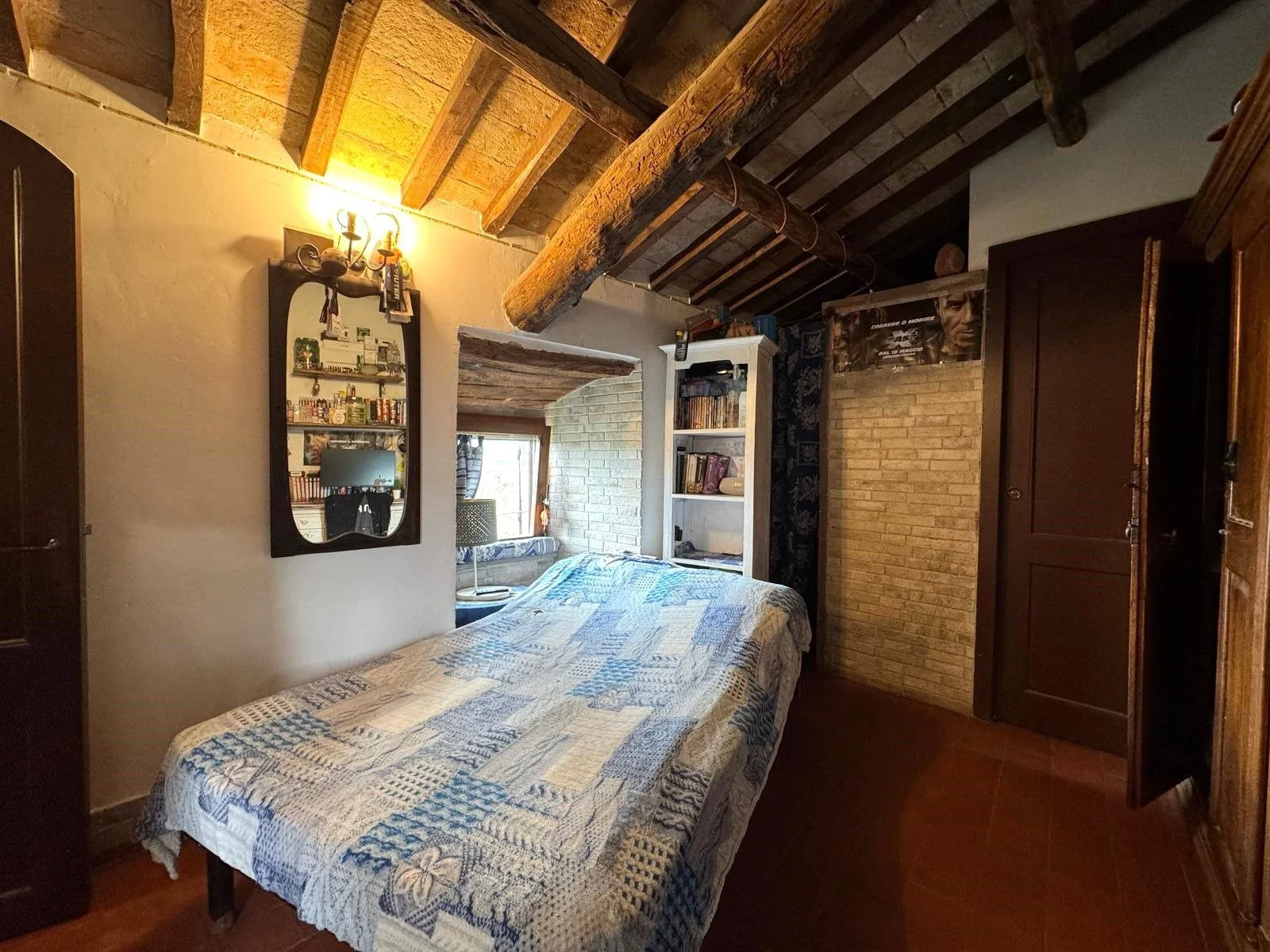
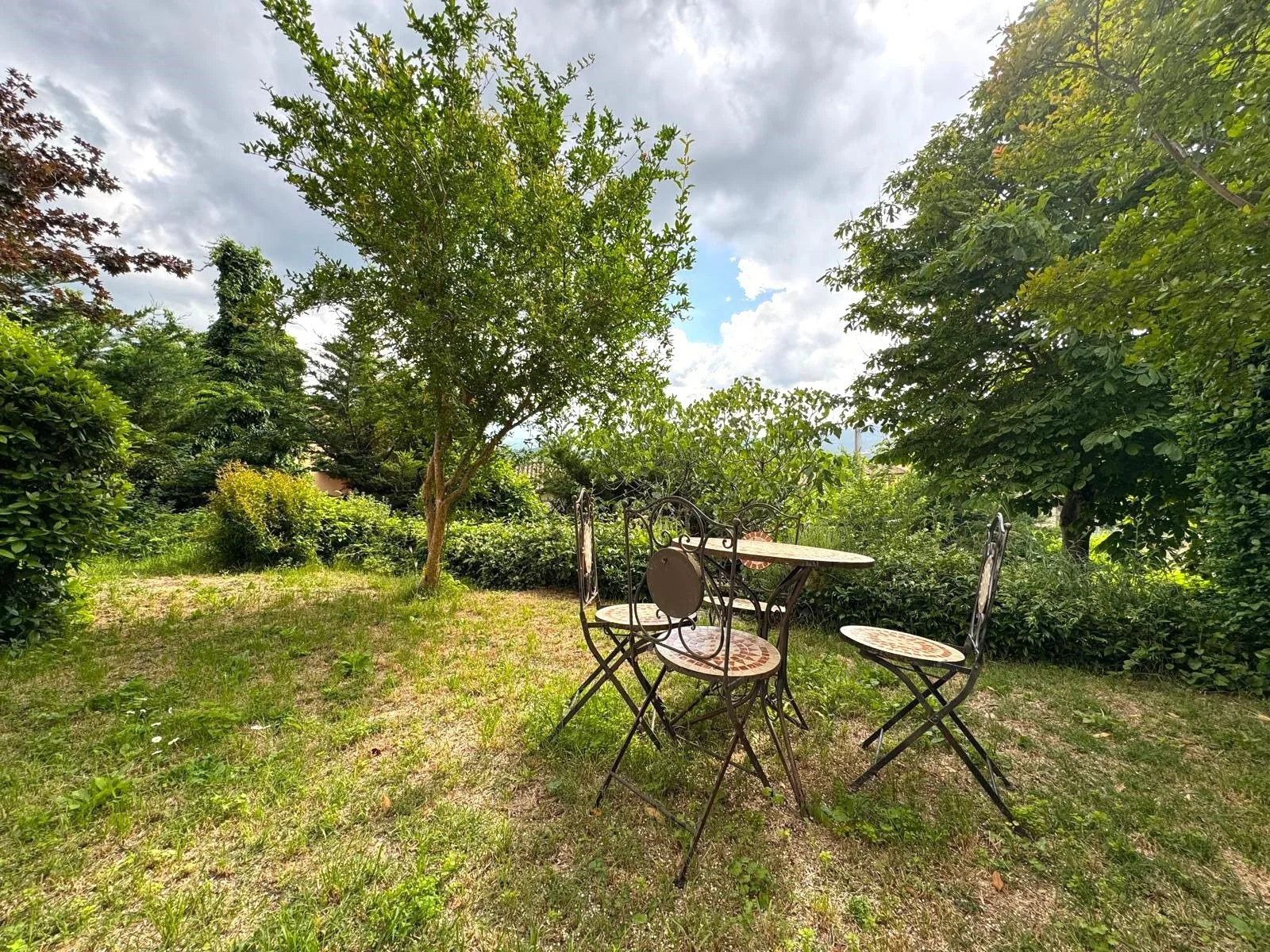
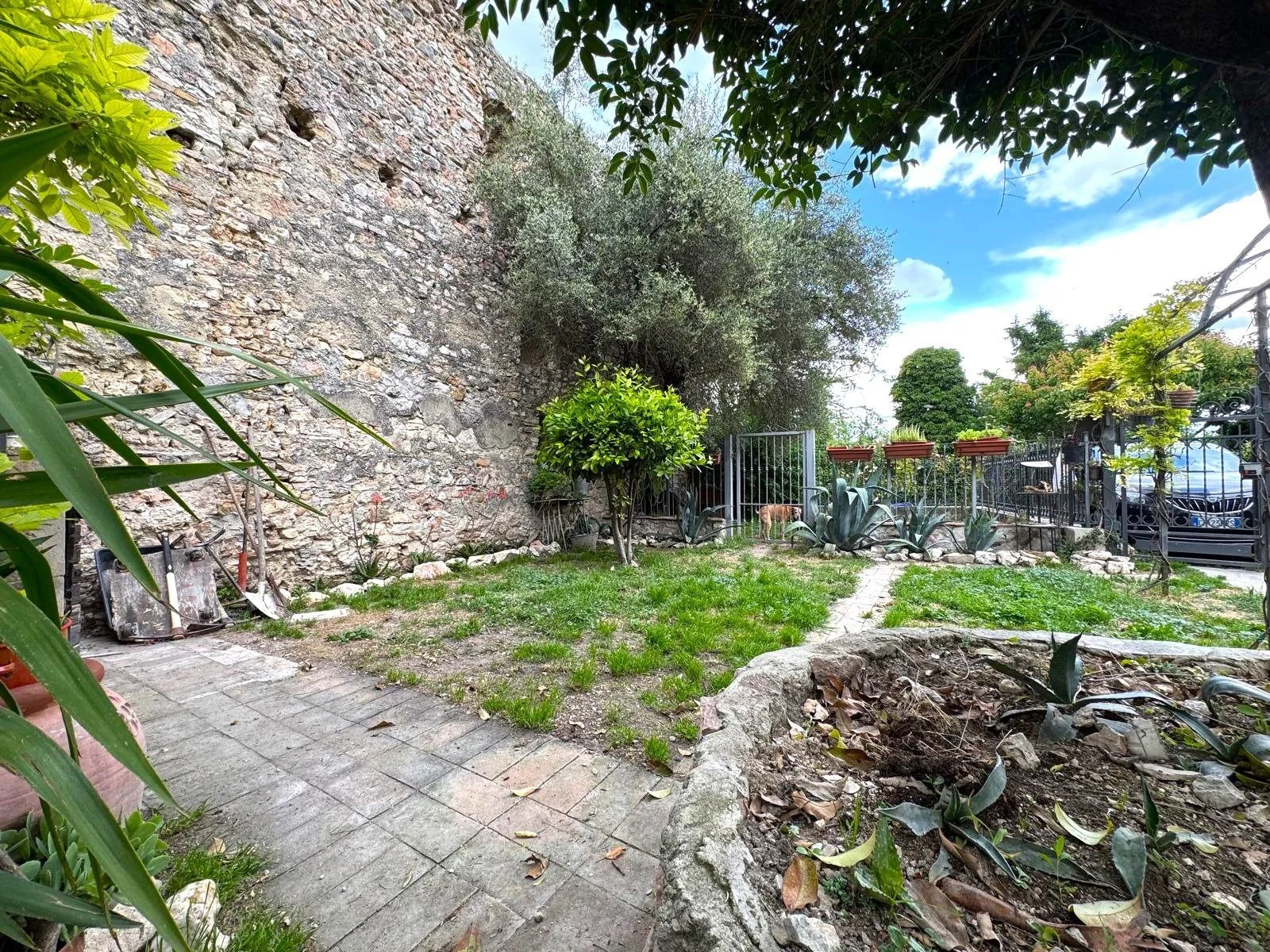
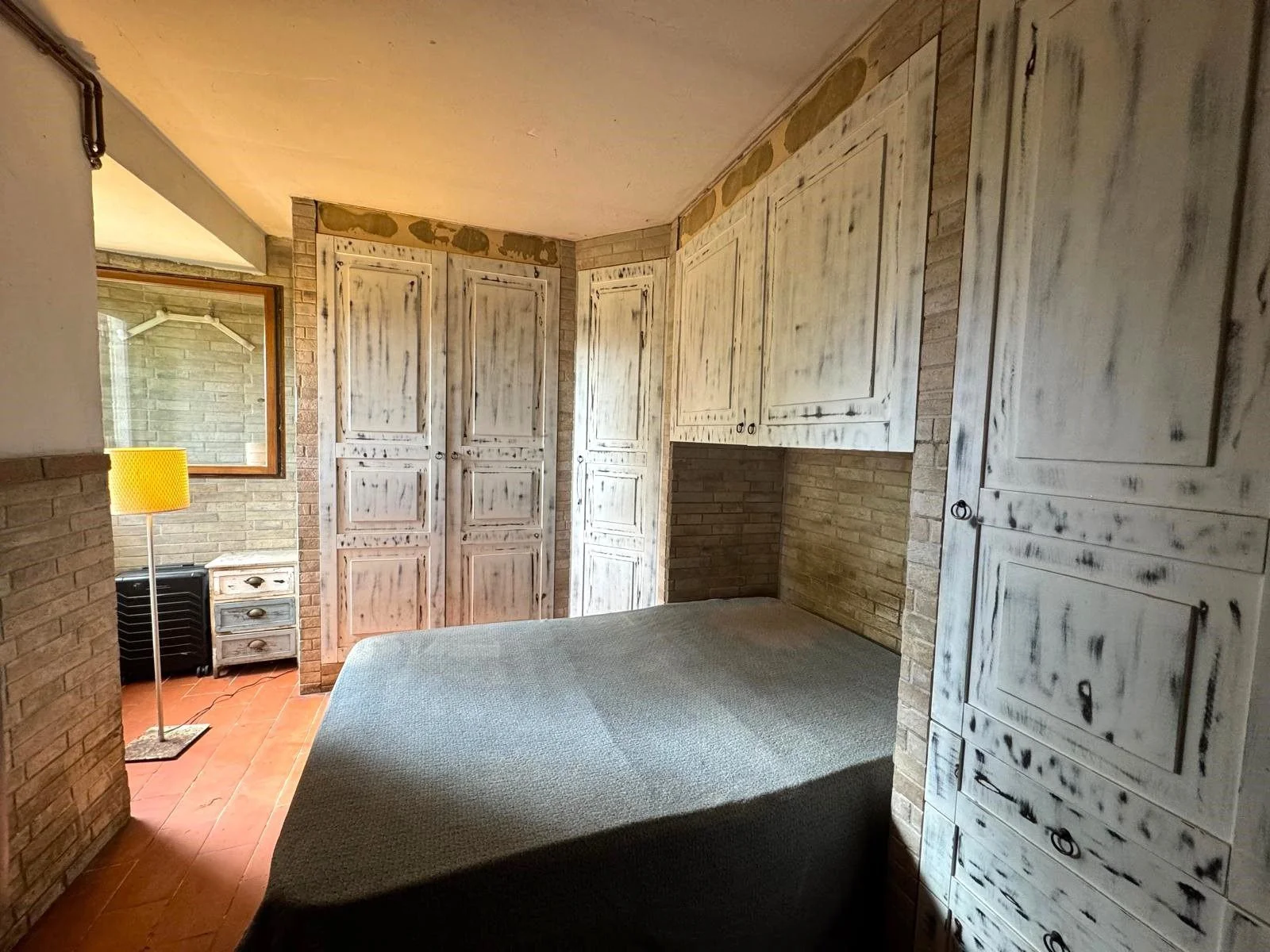
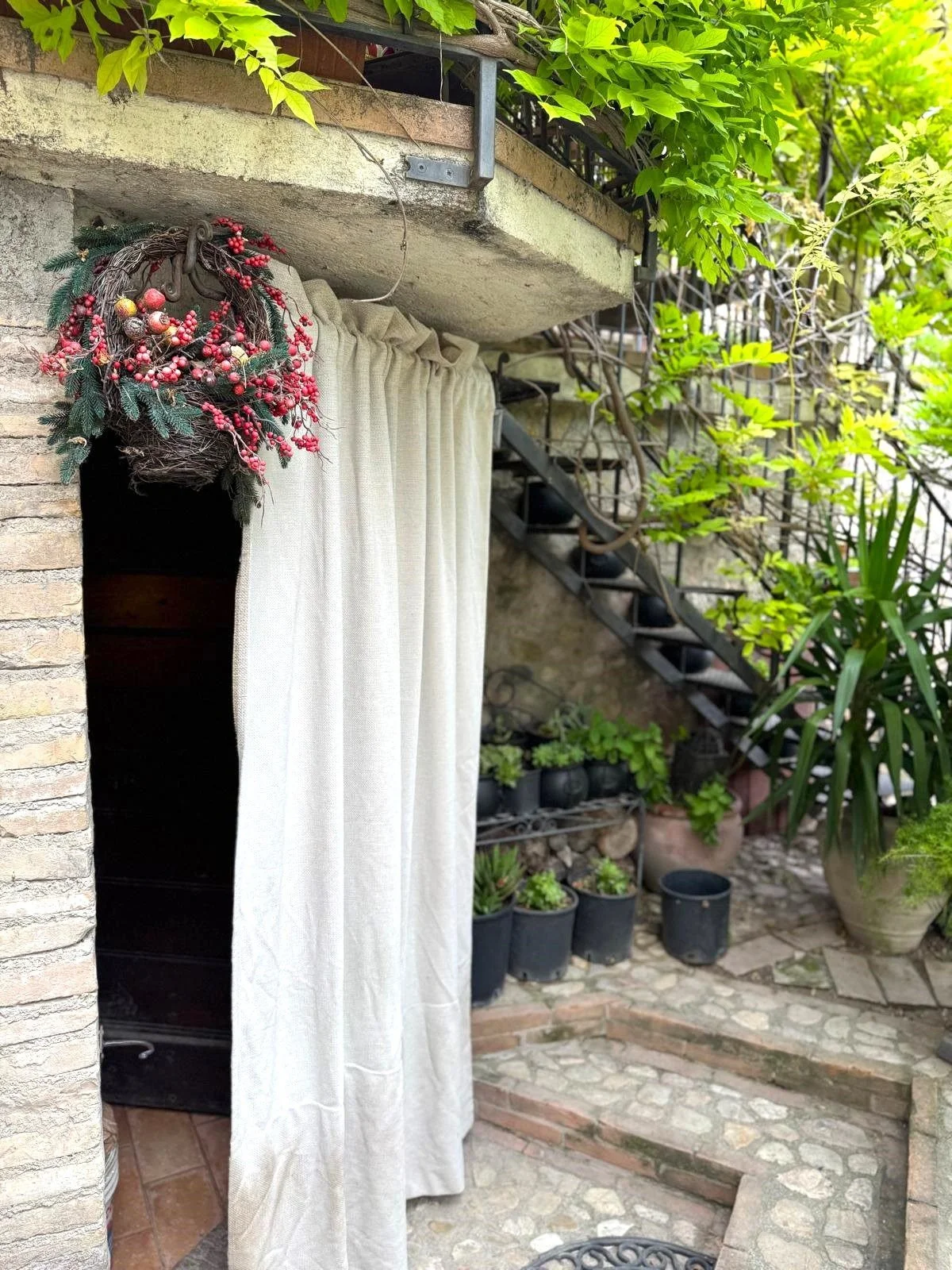
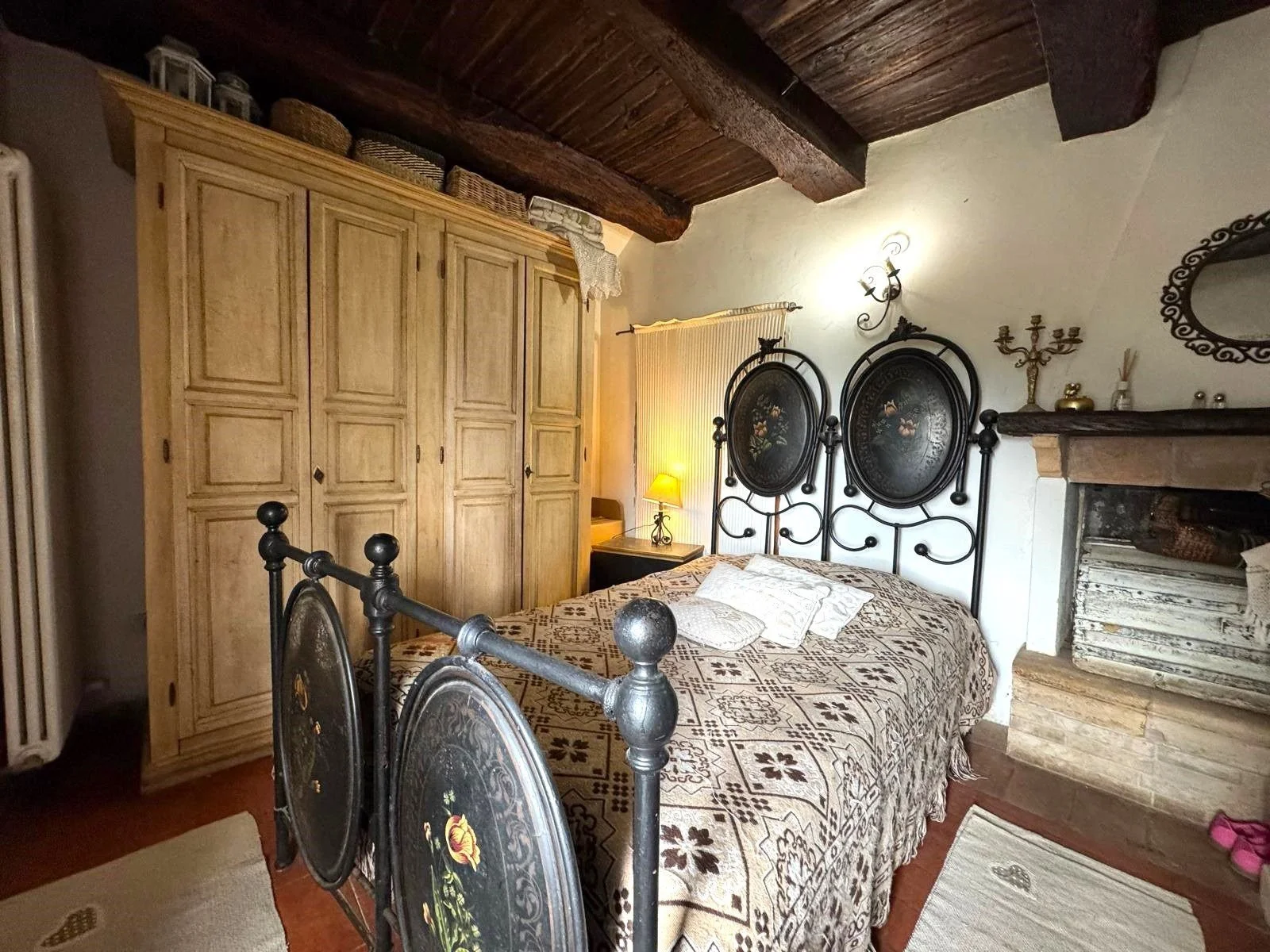
615 m² exclusive outdoor space, 13 m² terrace, wisteria-covered outdoor area, dedicated parking space, renovated interior
Energy rating stated
G
Lifestyle angle
Unique primary home, second home, or highly distinctive short-let / character stay
Headline appeal
A rare chance to buy a renovated historic tower with substantial private outdoor space, which is unusual for this type of asset
Core tension
The value depends on whether the renovation and outdoor-space title are fully documented, whether any vincolo applies, and whether the tower's charm is matched by practical comfort, access and compliance
Risk Radar
Overview
This is the sort of property that sells on atmosphere immediately. A restored watchtower within castle walls, plus a large private outdoor area, is not normal inventory. That is exactly why the paperwork matters so much. With unusual historic assets, the buyer's real risk is rarely "do I like it?" and much more often "what exactly am I legally buying, and how much freedom will I have later?". Italian cultural-property rules mean that if the tower or relevant surrounding structures are protected, future works may need specific Soprintendenza authorisation.
The second key issue is whether the renovation file is clean. For a property marketed as "fully renovated", the buyer should expect the current visura catastale and planimetria to match the tower as it exists today, and the agibilità position to be clear. Notariato guidance also notes that a sale can occur even where agibilità is problematic, which is exactly why buyers should ask the question directly rather than assume everything is regular because the property is habitable in practice.
The third issue is the outdoor space. Six hundred and fifteen square metres of exclusive exterior area wrapped around a historic tower is a major part of the value story. That means the buyer should not treat it as a casual garden feature. It needs a title basis, cadastral clarity and confirmation that no servitù or shared rights undermine the sense of privacy the listing implies. The same logic applies to the dedicated parking space.
The fourth issue is rental use. A property like this could be extremely attractive as a one-off short-let, but Italy's system is now more formalised. The Ministry of Tourism states that the BDSR is the platform through which the Codice Identificativo Nazionale is assigned for tourist lettings and accommodation activities. That does not tell you whether this exact tower is ready for that use, but it does mean the compliance route should be checked early.
Targeted Questions
Heritage Status, Vincolo and Future Works
If protected, works may require Soprintendenza approval rather than ordinary local handling.
A buyer needs the formal position, not just the agent's interpretation.
Restrictions may be narrower or broader than the listing implies.
Heritage control affects future cost and flexibility.
Renovation File, Catasto and Agibilità
It should reflect the renovated property now being sold.
The planimetria is the registered drawing of the property and should match the actual layout.
A mismatch between physical reality and the registered plan can create problems later.
The legal route of the renovation matters as much as the finish quality.
A "fully renovated" claim should come with a complete documentary trail.
Buyers should ask clearly whether there is a valid agibilità file after the renovation.
The reason matters more than the absence alone.
This helps separate a proper restoration from a lighter cosmetic job.
The extent of works affects both confidence and future maintenance expectations.
Energy Rating, Comfort and Systems
The APE is the actual energy document used in sales.
A stone tower can perform very differently in practice from what buyers imagine.
Winter comfort is a key practical question in a vertical historic building.
Stone buildings can be thermally resilient, but comfort should be verified, not assumed.
Window quality strongly affects comfort and energy performance.
In a tower, the envelope strategy matters more than décor.
Roof integrity is critical in any historic vertical structure.
In stone properties, that is one of the most important real-world checks.
Outdoor Space, Terrace and Parking
The outdoor land is a major part of the asset and needs mapped clarity.
"Exclusive" should be proven on paper.
Historic compounds can carry access rights that reduce privacy.
The terrace is central to value and should not be left legally vague.
A beautiful terrace can become a repair issue if neglected.
Outdoor maintenance burden matters with a property like this.
The listing's romance may come with real maintenance work.
A "parking space" is much more valuable if it is legally attached and practical.
Access, Utilities and Practical Living
Maintenance and access rights depend on that answer.
A beautiful hill or castle setting can become inconvenient if access is weak.
Access practicality matters more in historic compounds than buyers often expect.
A vertical stone tower with garden access can be less effortless than it first appears.
Utility simplicity affects both ownership ease and rental viability.
Rural or semi-rural historic properties often rely on private infrastructure.
Remote-work viability matters even in highly characterful properties.
Thick masonry can affect signal.
This affects privacy, noise and overall atmosphere.
Rental Potential
Real operating history is more useful than theory.
Unique properties often generate strong emotional assumptions but mixed actual performance.
"Unique" does not automatically mean "easy to let well".
Italy's national CIN process through BDSR now matters for short-let compliance.
That can save time and signal seriousness about rental use.
Heritage controls may not block letting, but they can affect signage, works and operational flexibility.
Demand may be strong but uneven.
Negotiation Intelligence
Buyer Leverage
Documentation and title clarity
Key Drivers
Typical Negotiation Range
5-15% below asking
Neutral Phrasing Examples
Country Layer
Italy (Regulatory Context March 2026)
Key Italian requirements for buyers:
Viewing Strategy
During the viewing:
Next Step
Verify from the listing:
The renovation file needs to be as compelling as the tower itself
Ask for the visura catastale, planimetria, renovation permits, and agibilità documentation so you can confirm the tower is being sold exactly as renovated and properly regularised.
The heritage setting is part of the magic, but also part of the risk
Because the property sits within castle walls, ask whether any vincolo or Soprintendenza restrictions apply to the tower, the terrace, the garden setting, or any future maintenance and alteration works.
The 615 m² outdoor space must be proved on paper
This is one of the property’s most unusual and valuable features, so request a cadastral plan and title confirmation showing that the garden, terrace and parking are fully and exclusively attached to the tower, with no hidden servitù or shared rights.
The Energy Class G rating should be translated into real comfort and cost
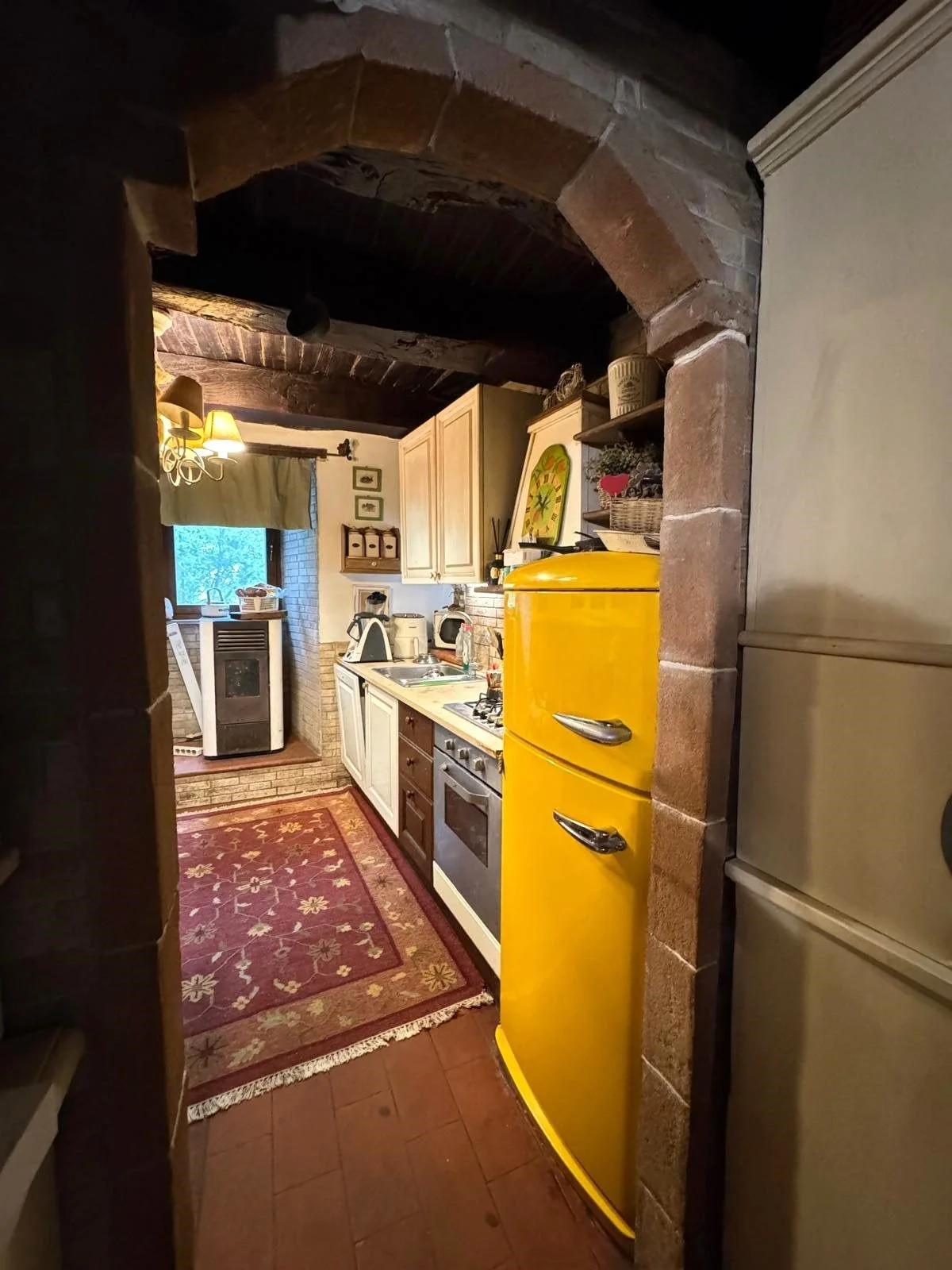
Ask for the full APE, recent utility bills, and details of the pellet stove, windows, insulation and roof condition so you can judge whether the tower is charming year-round or simply picturesque in good weather.
Rental potential only matters once the legal and heritage position is clear
If you are considering short-term lets, confirm the registration path through the national CIN/BDSR framework and ask whether the protected setting or the castle context creates any practical restrictions on tourist use.
A prepared buyer should approach the agent calmly and frame questions as due diligence. For example: “To assess the property properly, could you send the current visura catastale and planimetria, the renovation permits and agibilità documentation, the full APE, and any documents confirming the heritage status and the exact legal boundaries of the outdoor space and parking?”
Because this is a property where the renovation file, heritage restrictions, outdoor-space title and comfort levels all materially affect value, run it through the Property Risk Assessment before contacting the agent, and use the Rental Yield Calculator once the legal and registration position is fully verified.
Disclaimer: The Property Drop is buyer-focused intelligence, zero sales agenda. We curate exceptional properties, in southern Europe, from third-party agents and arm you with decision tools. No commission, no transactions, no agent partnerships, no skin in the game beyond helping you choose wisely. Information stays accurate until it doesn't (properties sell, prices shift, markets move). Everything here is shared for informational purposes only and should not be treated as legal, financial, or investment advice. Images belong to original agents. Read our Terms of Service to learn more.
IMPORTANT REMINDER: When contacting property agents featured on The Property Drop, you are entering into direct communication with third parties. It's recommended that you verify all property details independently, conduct thorough due diligence, engage qualified professionals (solicitors, surveyors, financial advisors), understand your rights and obligations under local property laws, and never send money or make commitments without proper legal protection.
