
The Buyer Playbook: Designer Townhouse in Porto Cristo's Old Town, Mallorca, Spain, €540,000

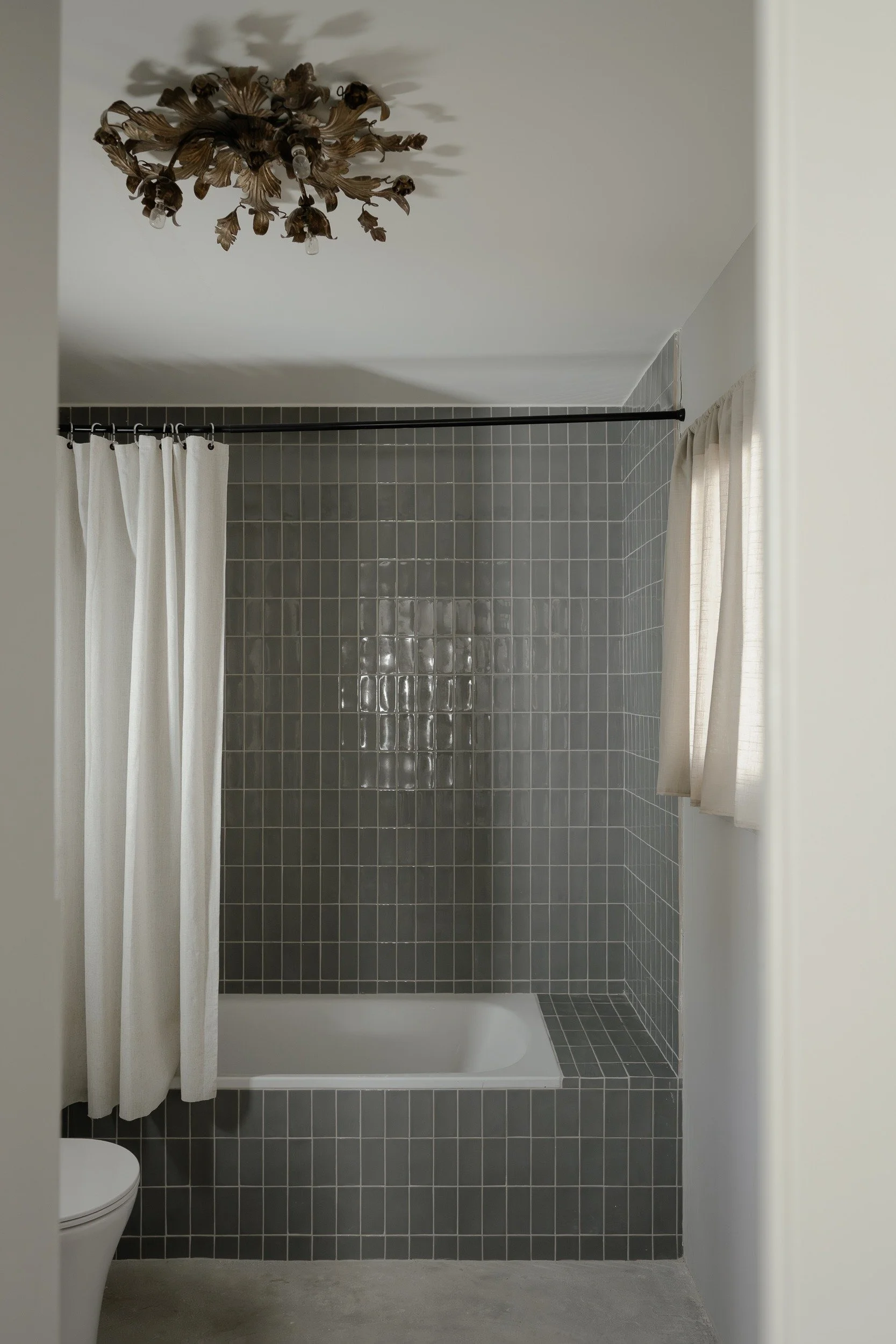

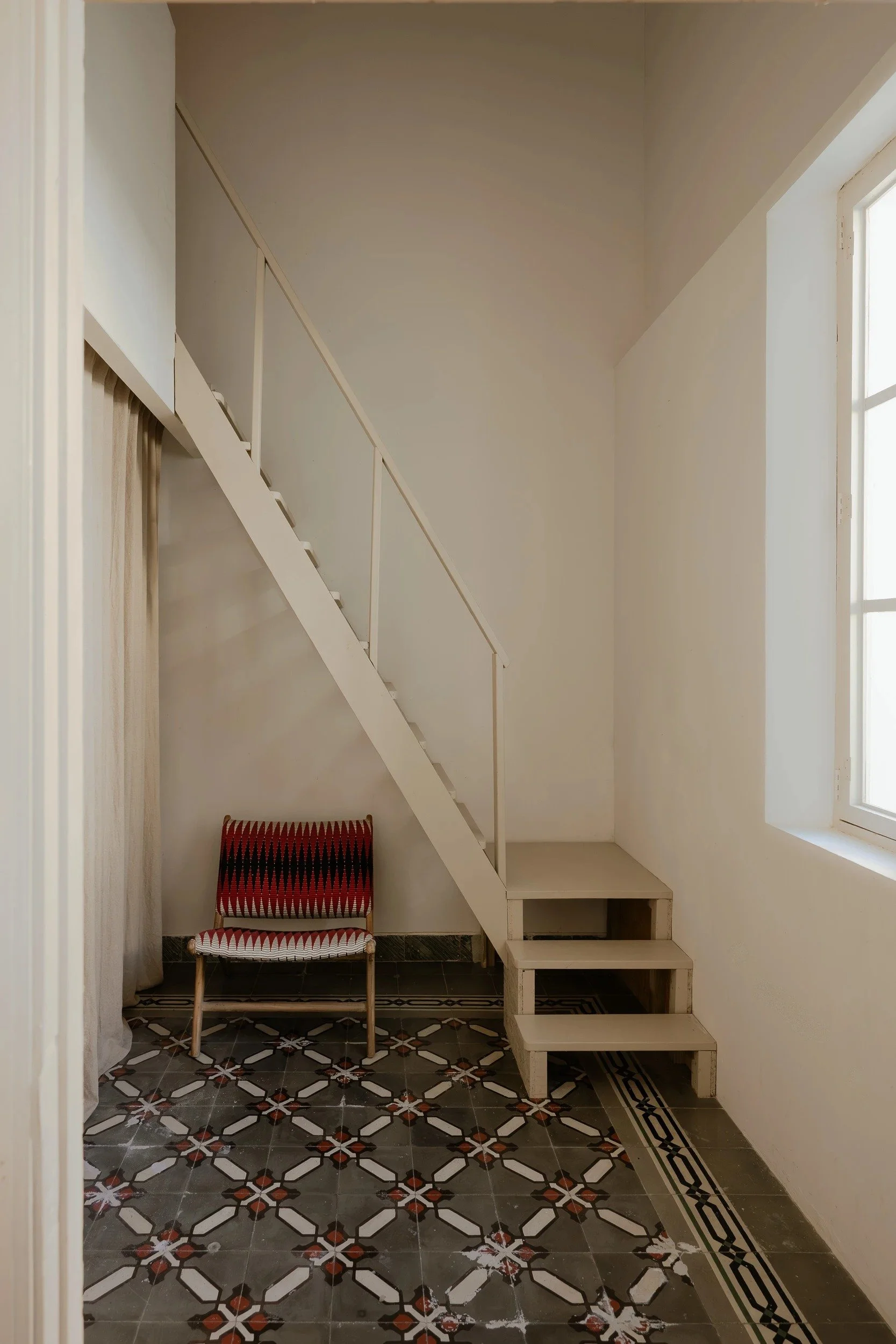
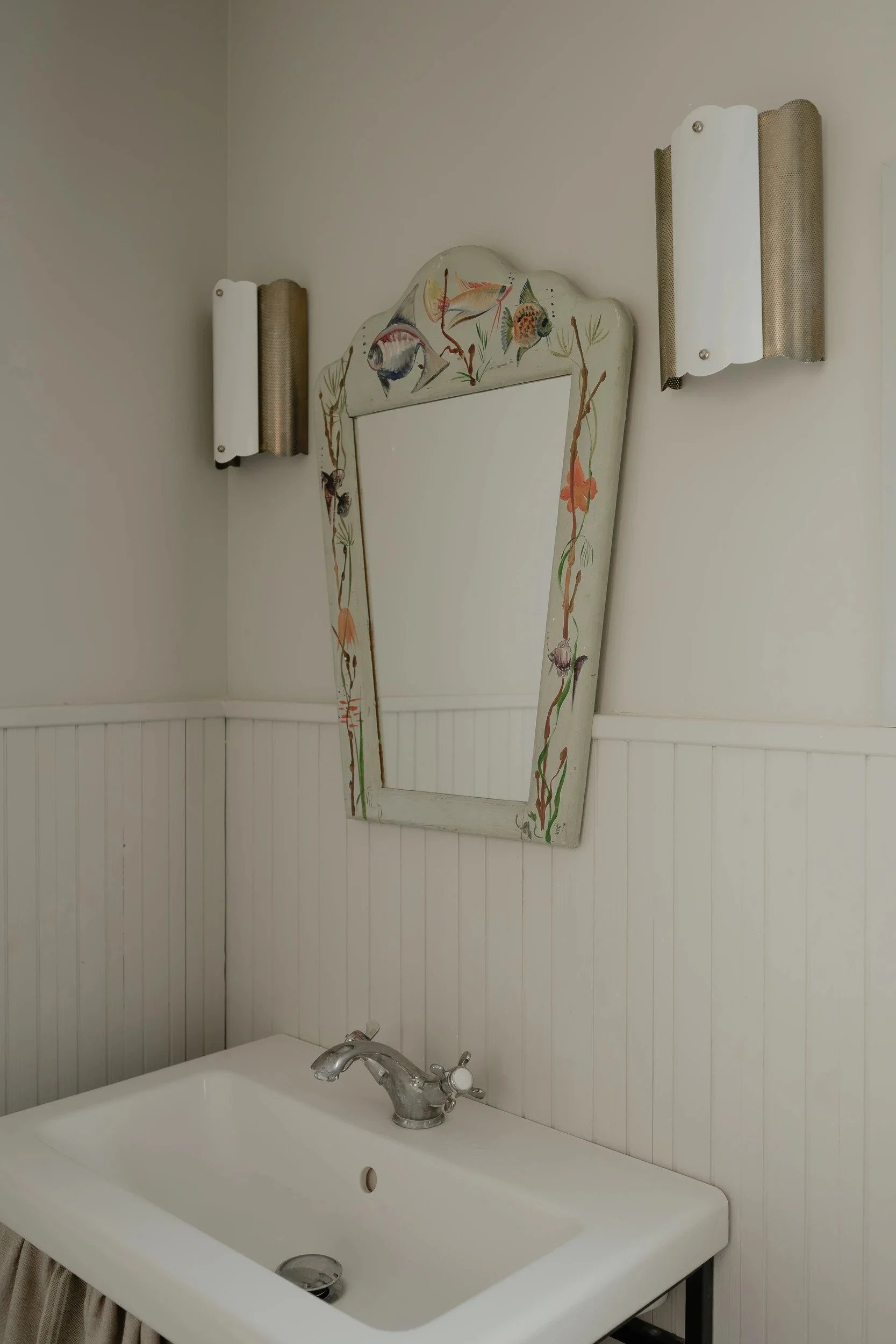

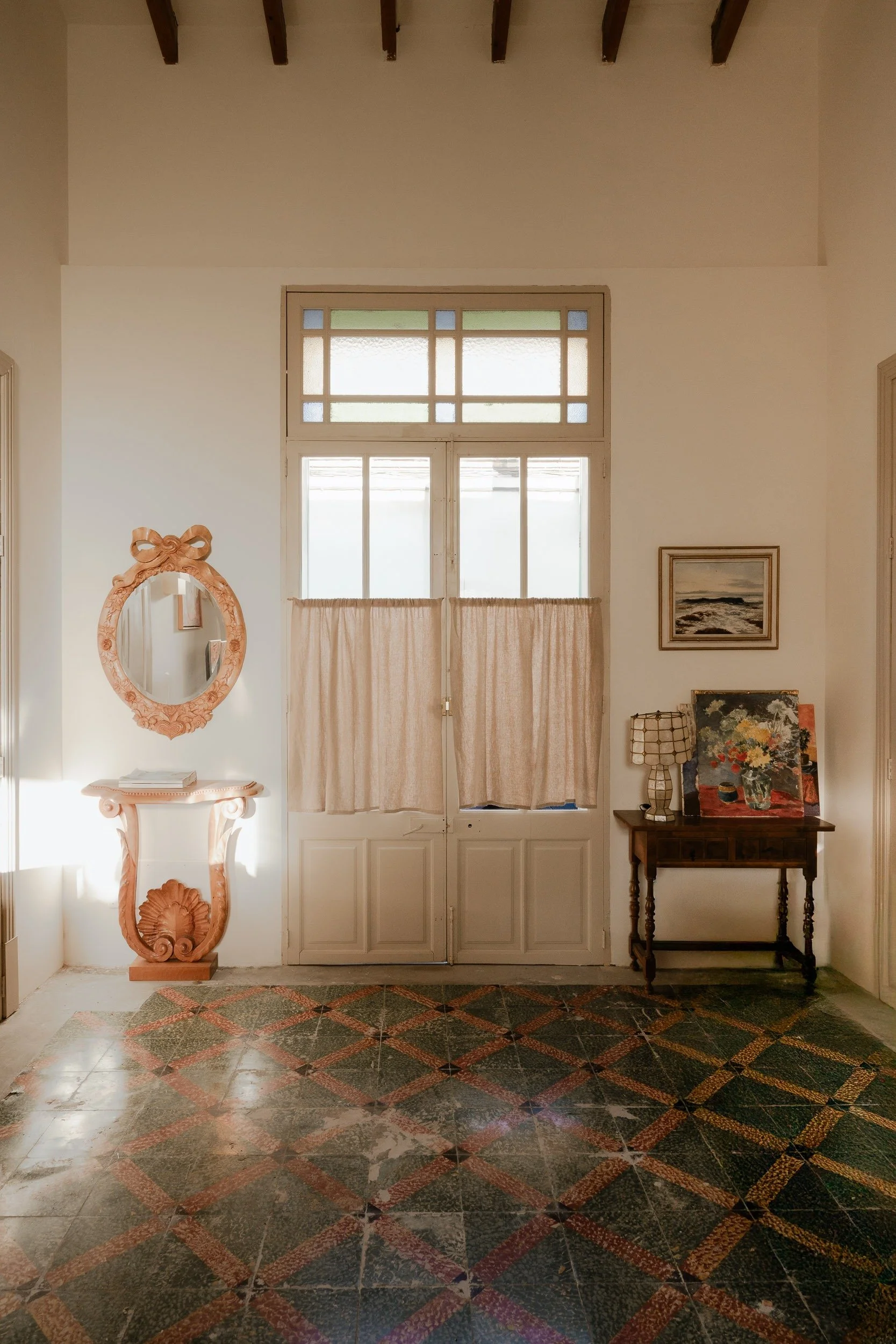

Buyer Playbook
Pre-Viewing Intelligence Report
This independent buyer guidance report relates to this specific property located in Spain. It is provided for informational purposes only and does not constitute legal, tax, structural, planning or survey advice. Heritage status, restoration permits, cédula de habitabilidad, energy-certification status, tourist-rental eligibility, garage title, and the legal treatment of the sleeping loft must always be verified with qualified Spanish professionals such as a lawyer, architect, engineer, surveyor or licensed property consultant, and with the relevant Ayuntamiento de Manacor, Land Registry and Balearic authorities. Under Spanish rules, sale advertising should show the registered energy rating taken from a valid certificate, and certain buildings can be exempt only in specific cases.
Playbook Contents
Property Snapshot
Location
Porto Cristo old town, Mallorca, Spain.
Property type
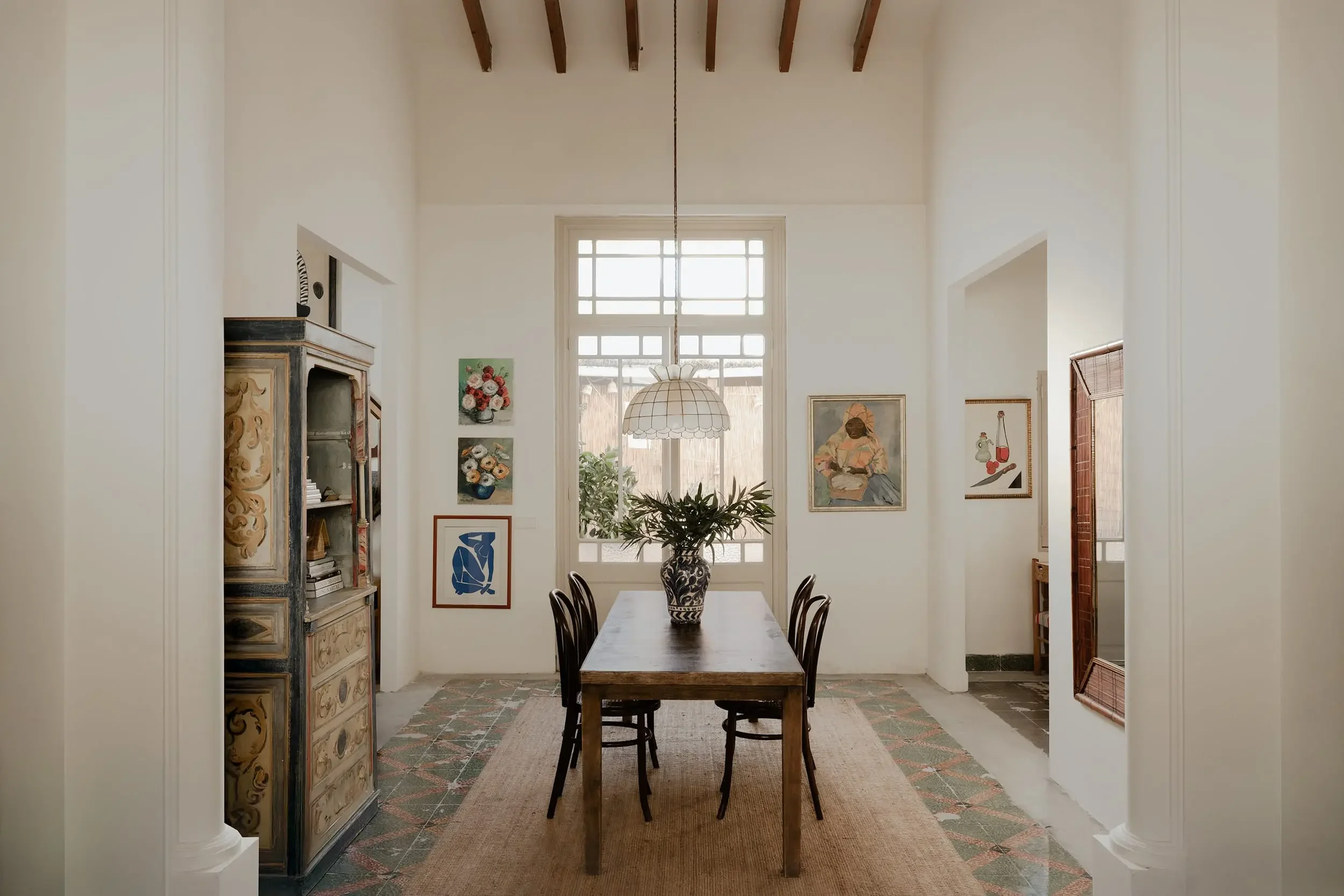
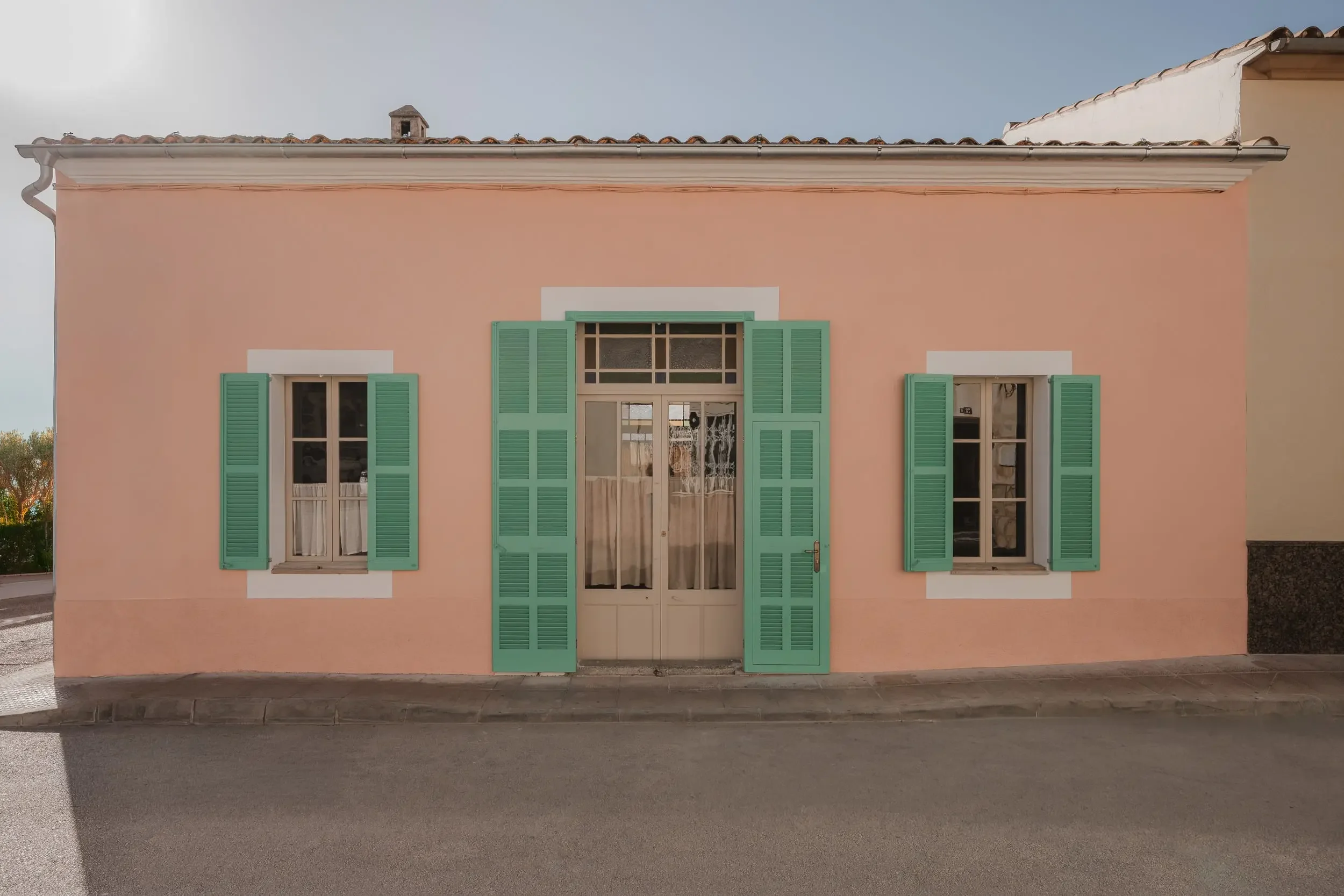
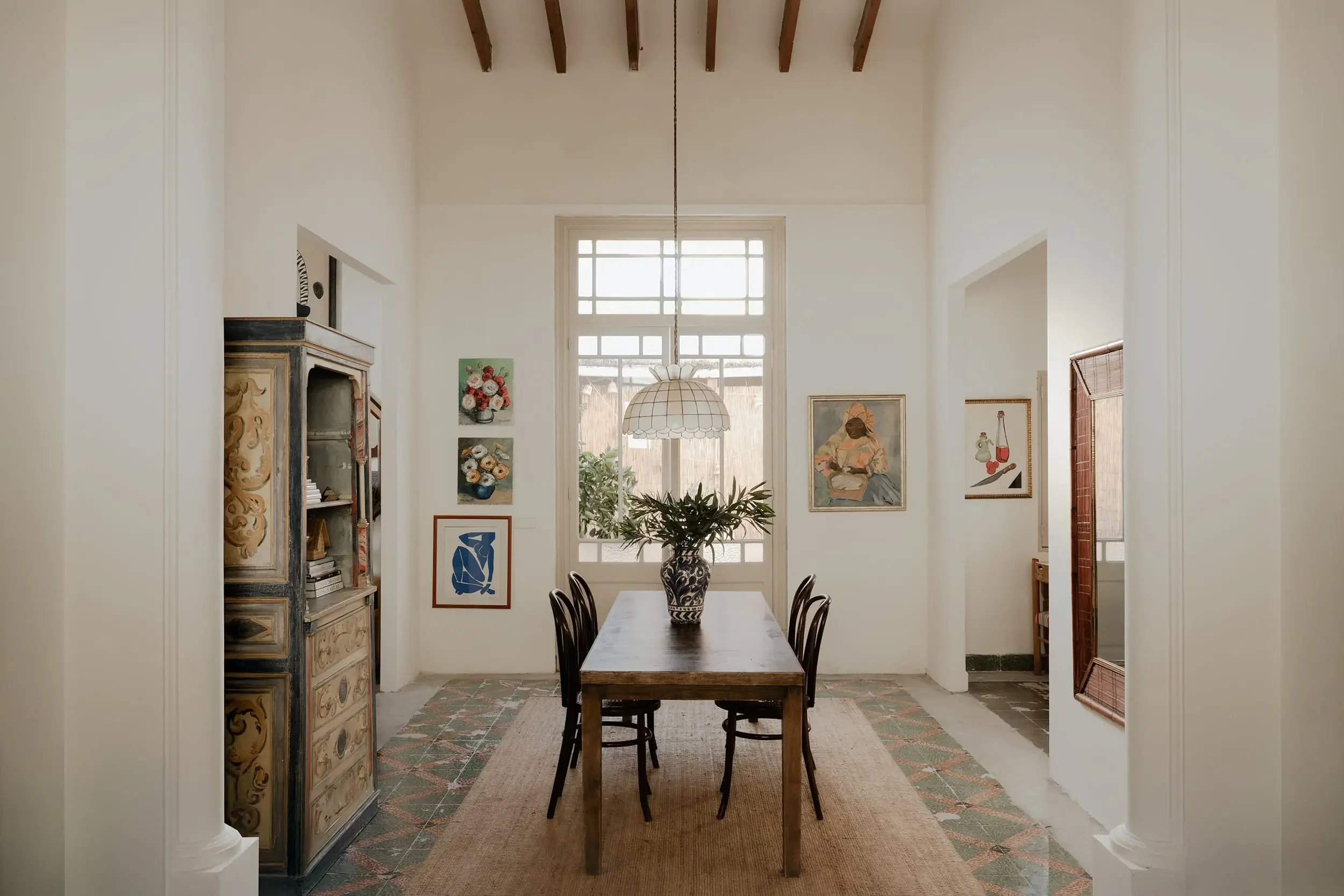
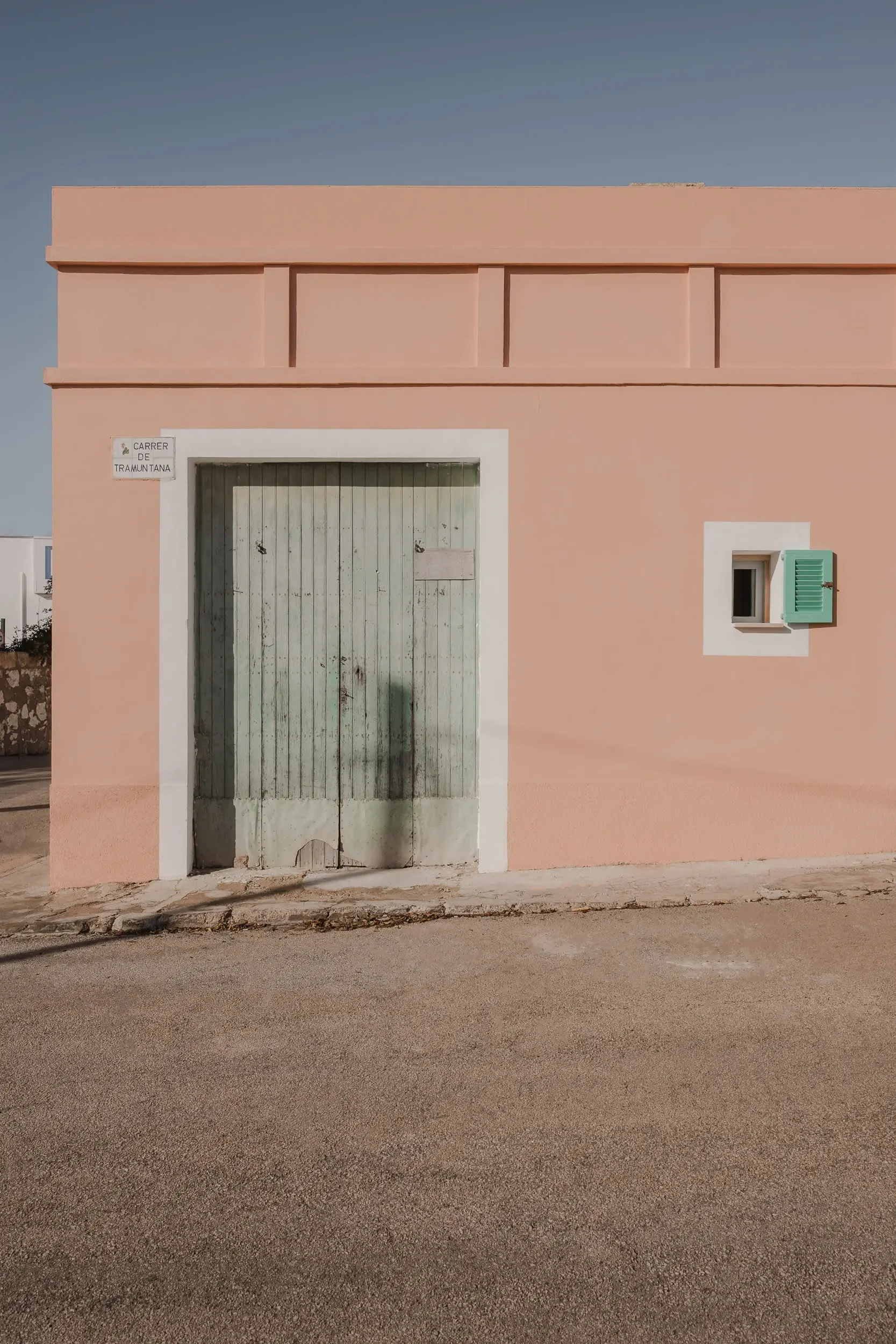
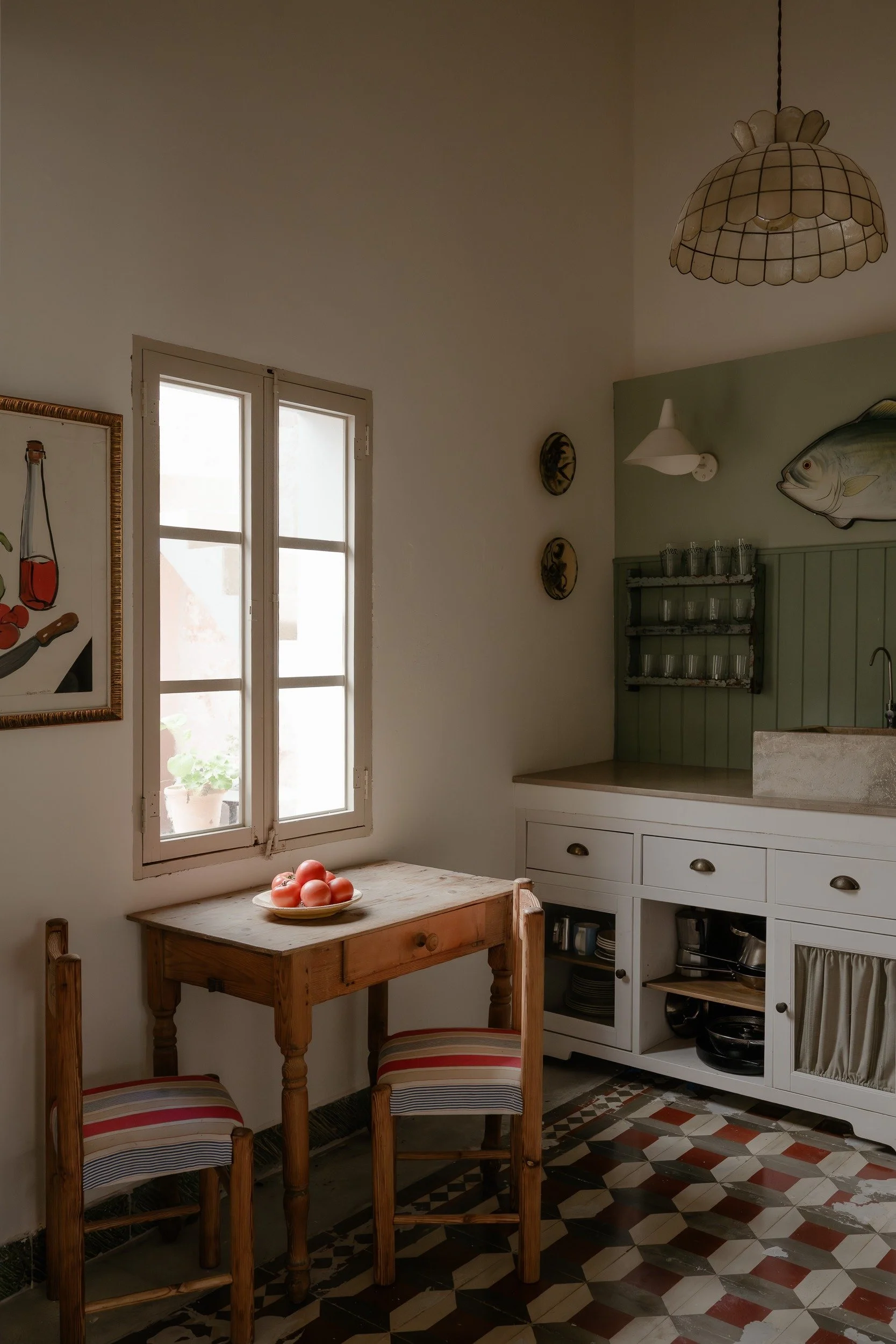
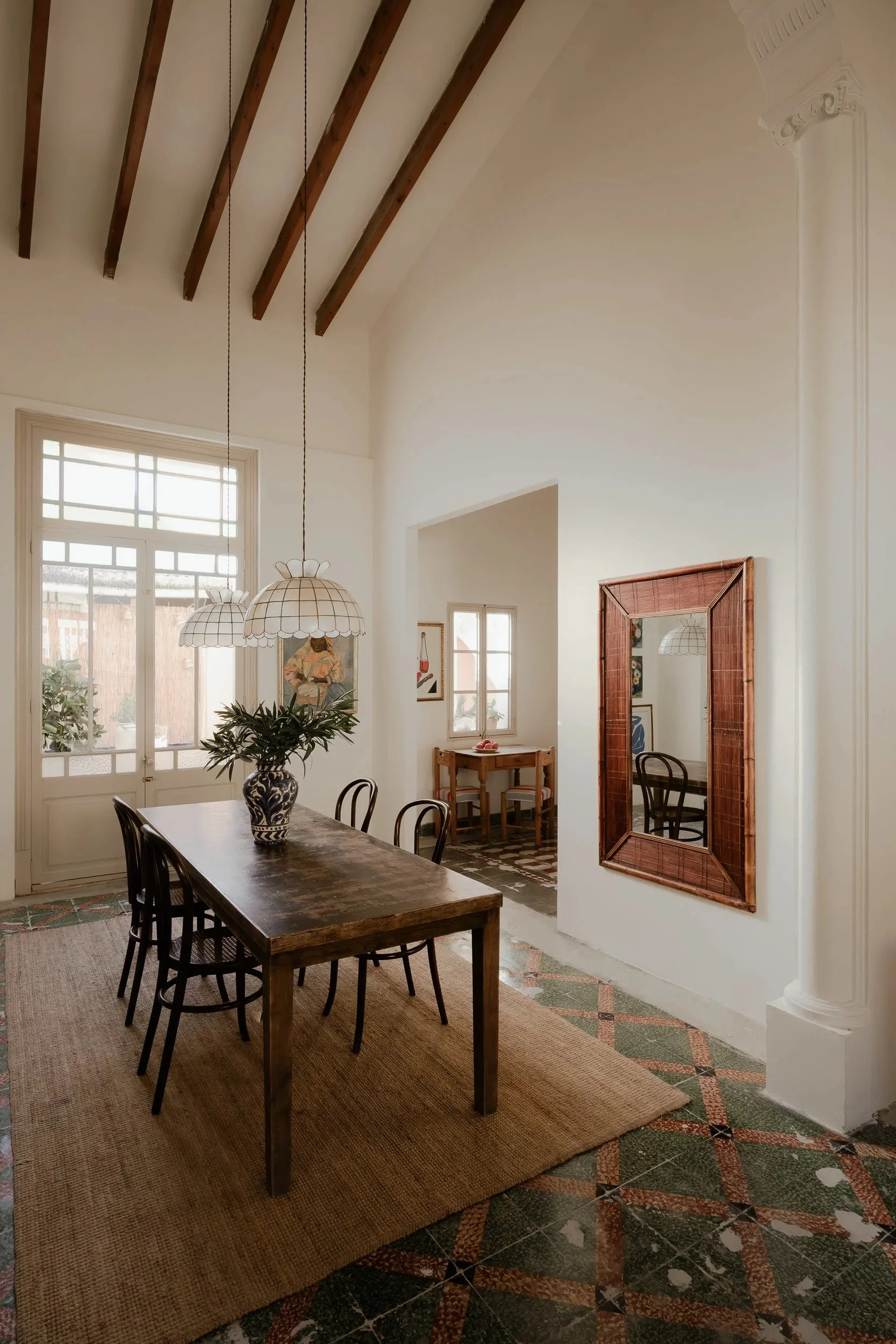
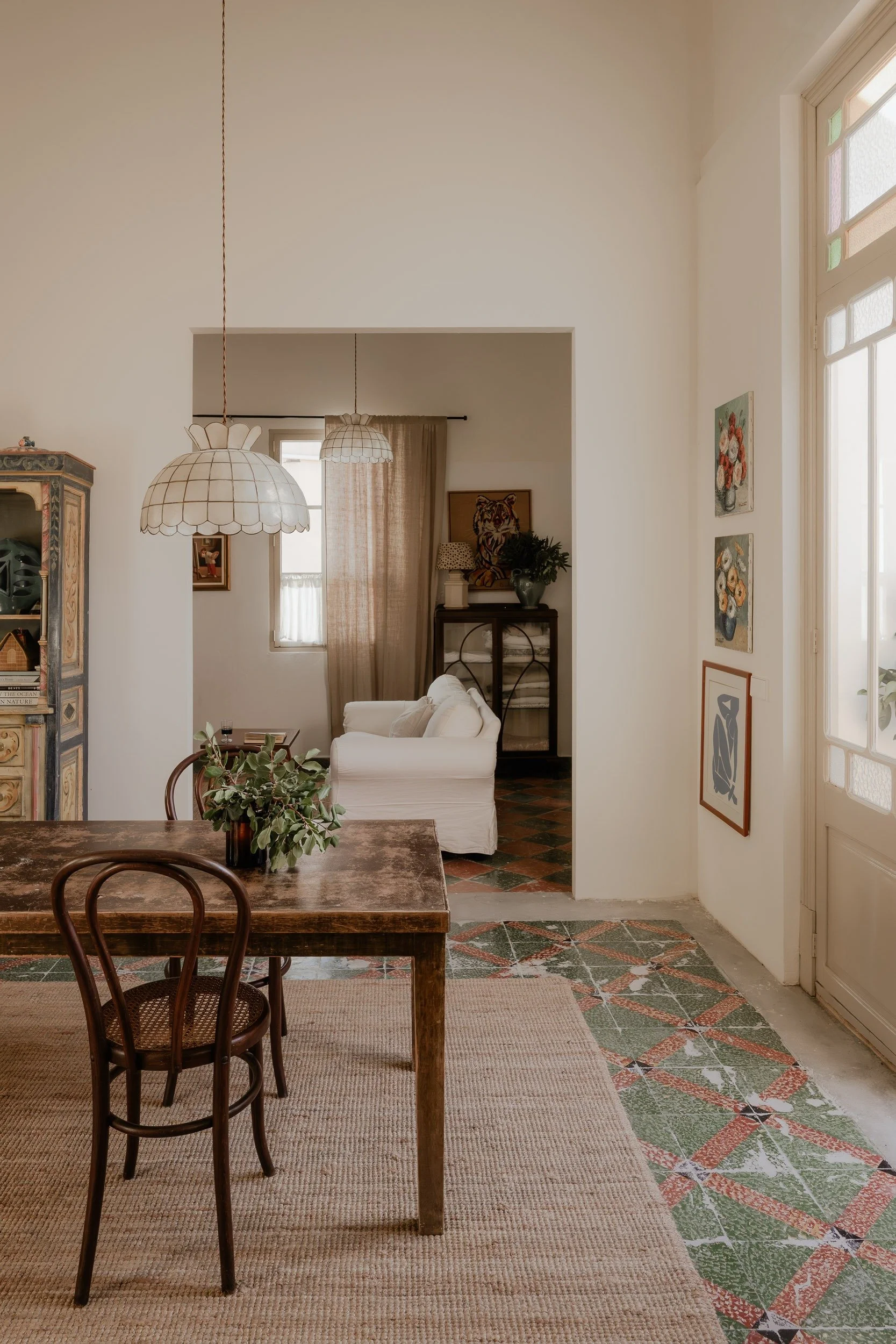
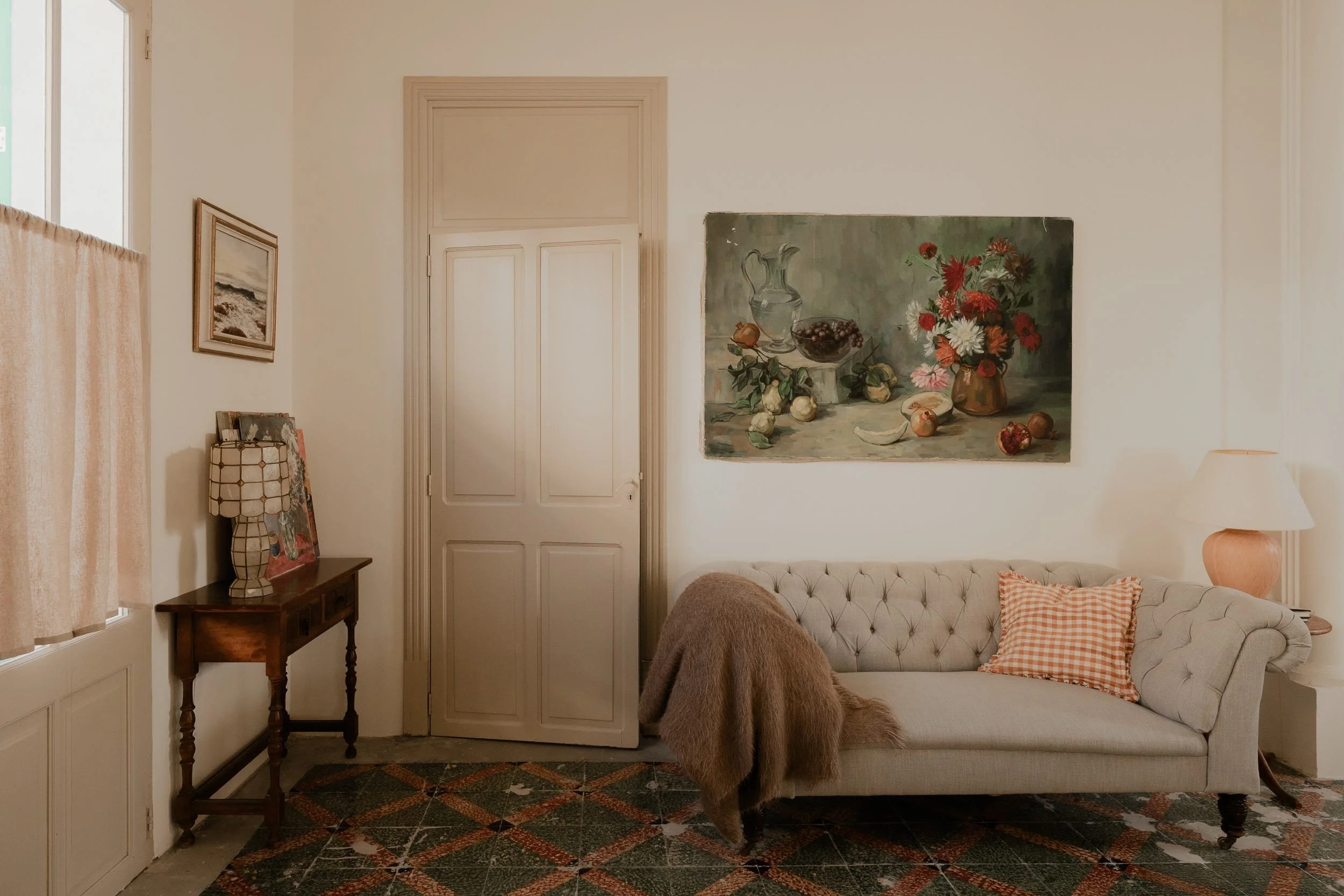
Restored designer townhouse in the historic centre.
Asking price
€540,000.
Internal area
Approx. 122 m² constructed area.
Layout highlights
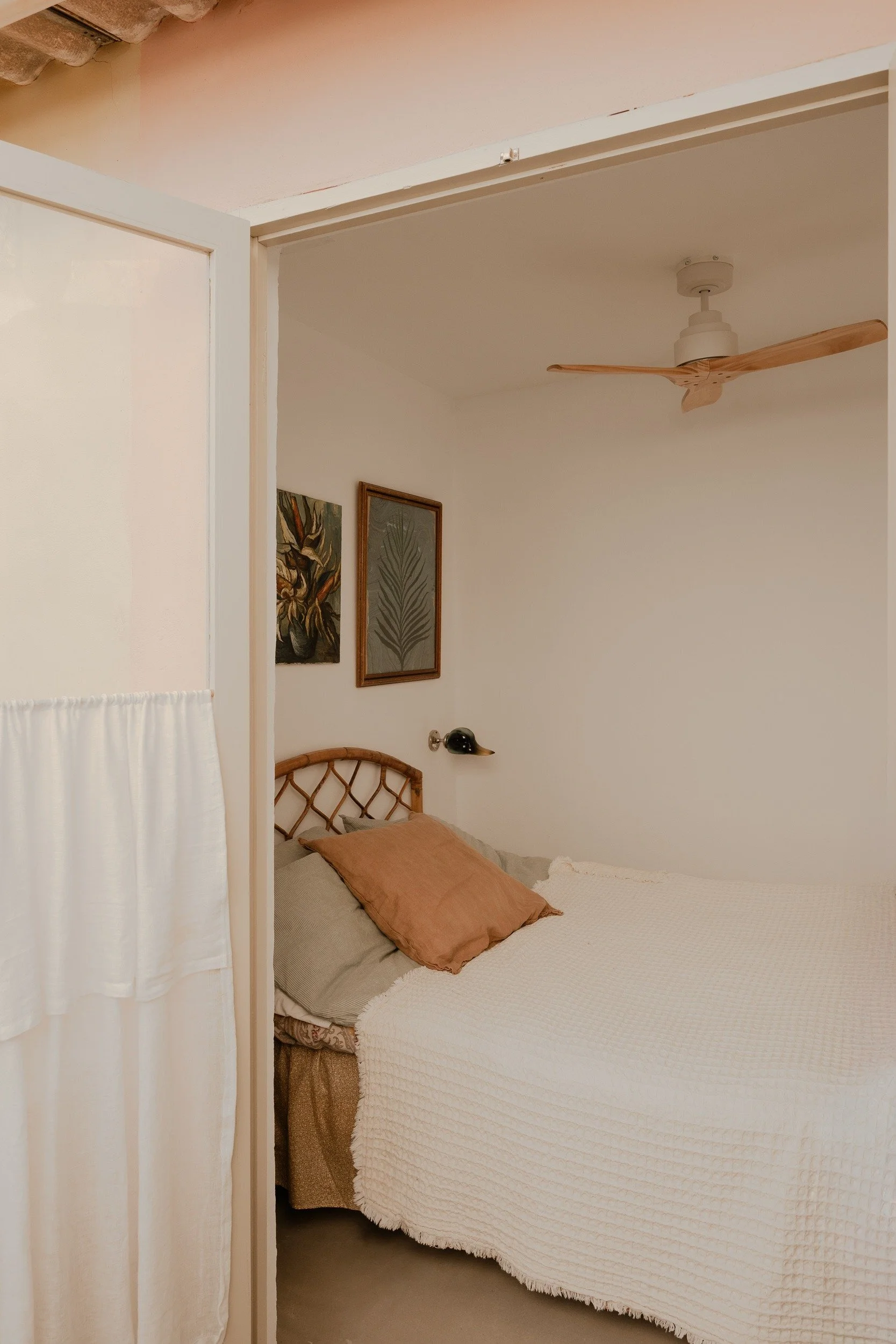
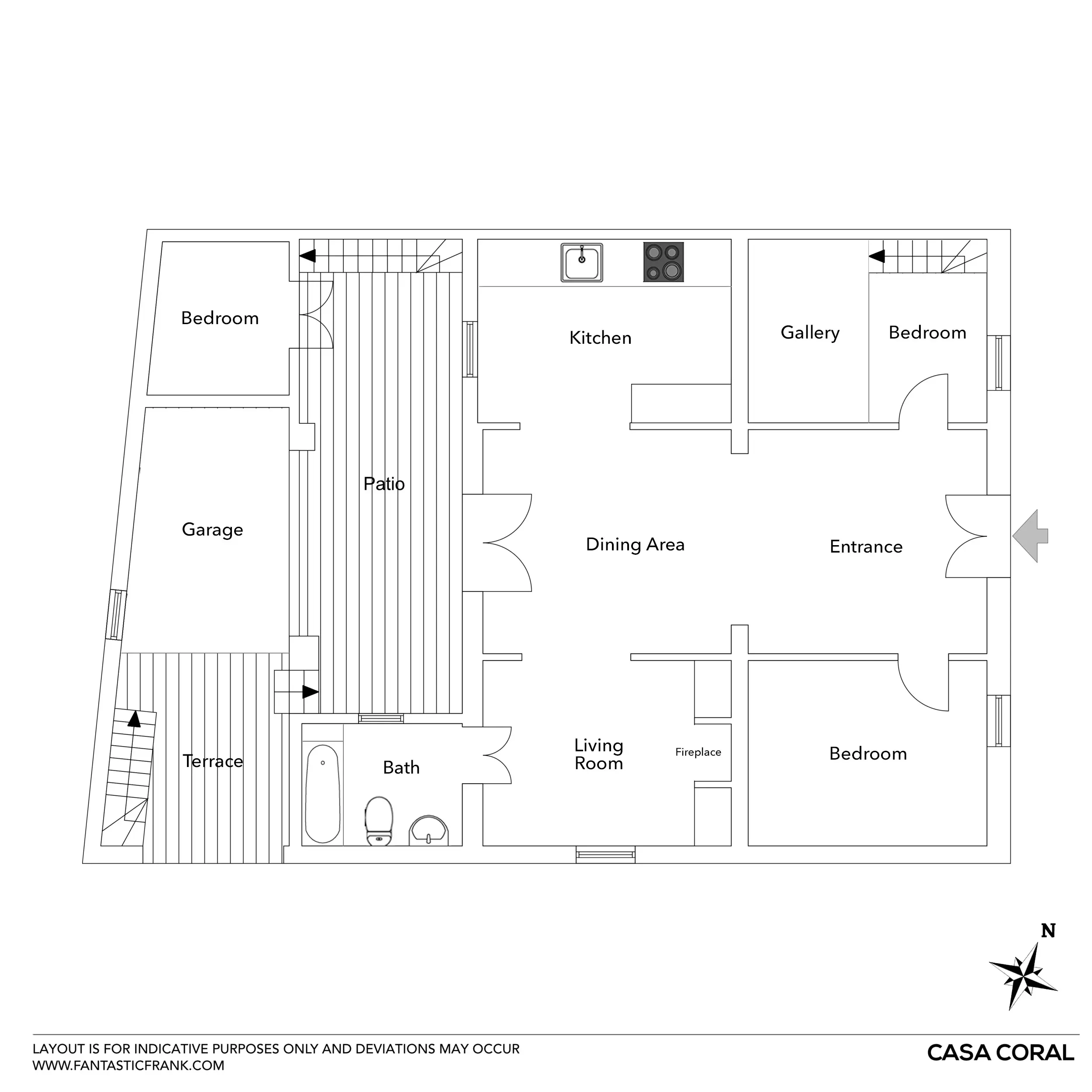
Three bedrooms, one bathroom, and a sleeping loft, as described in the wider marketing material.
Outdoor features
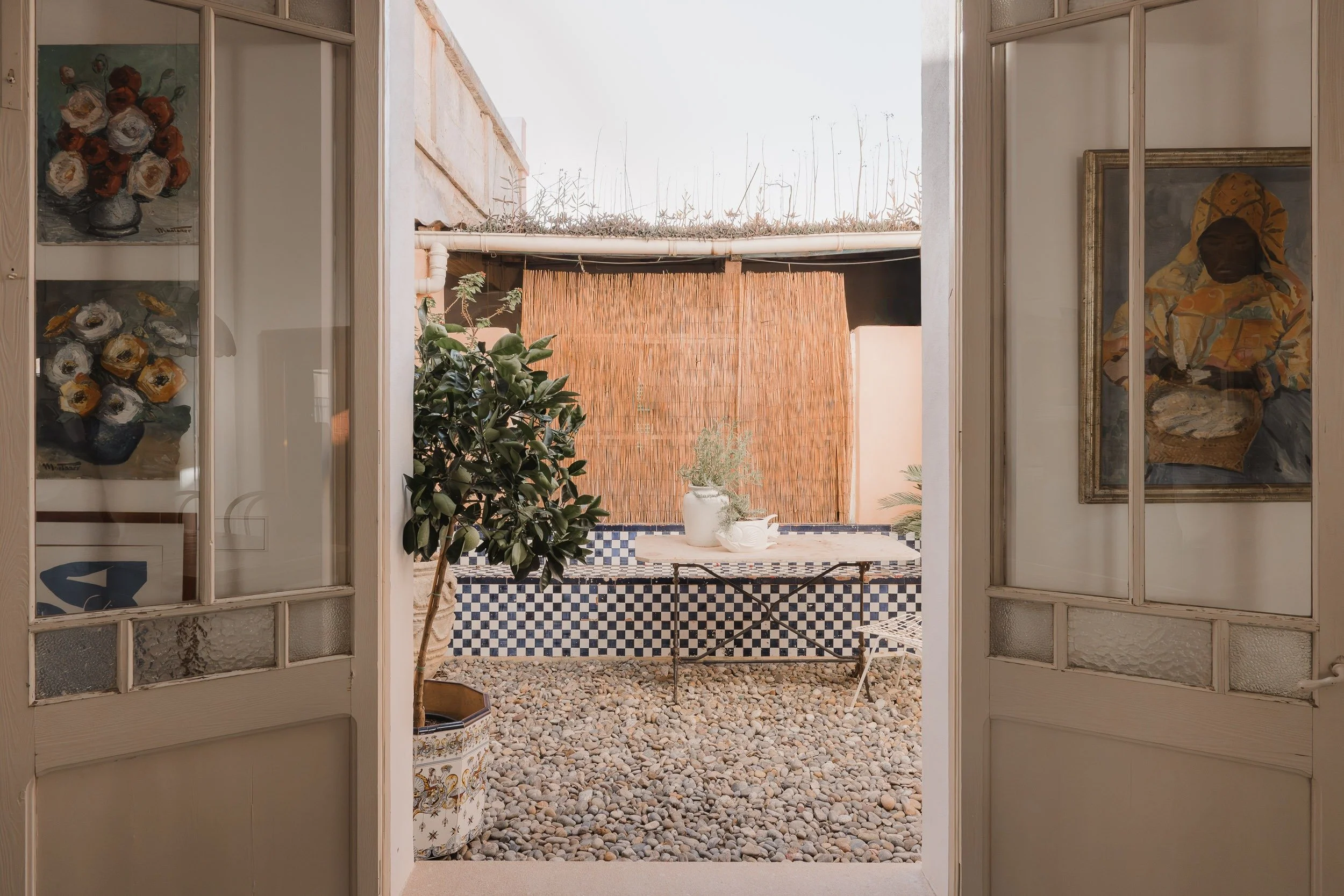
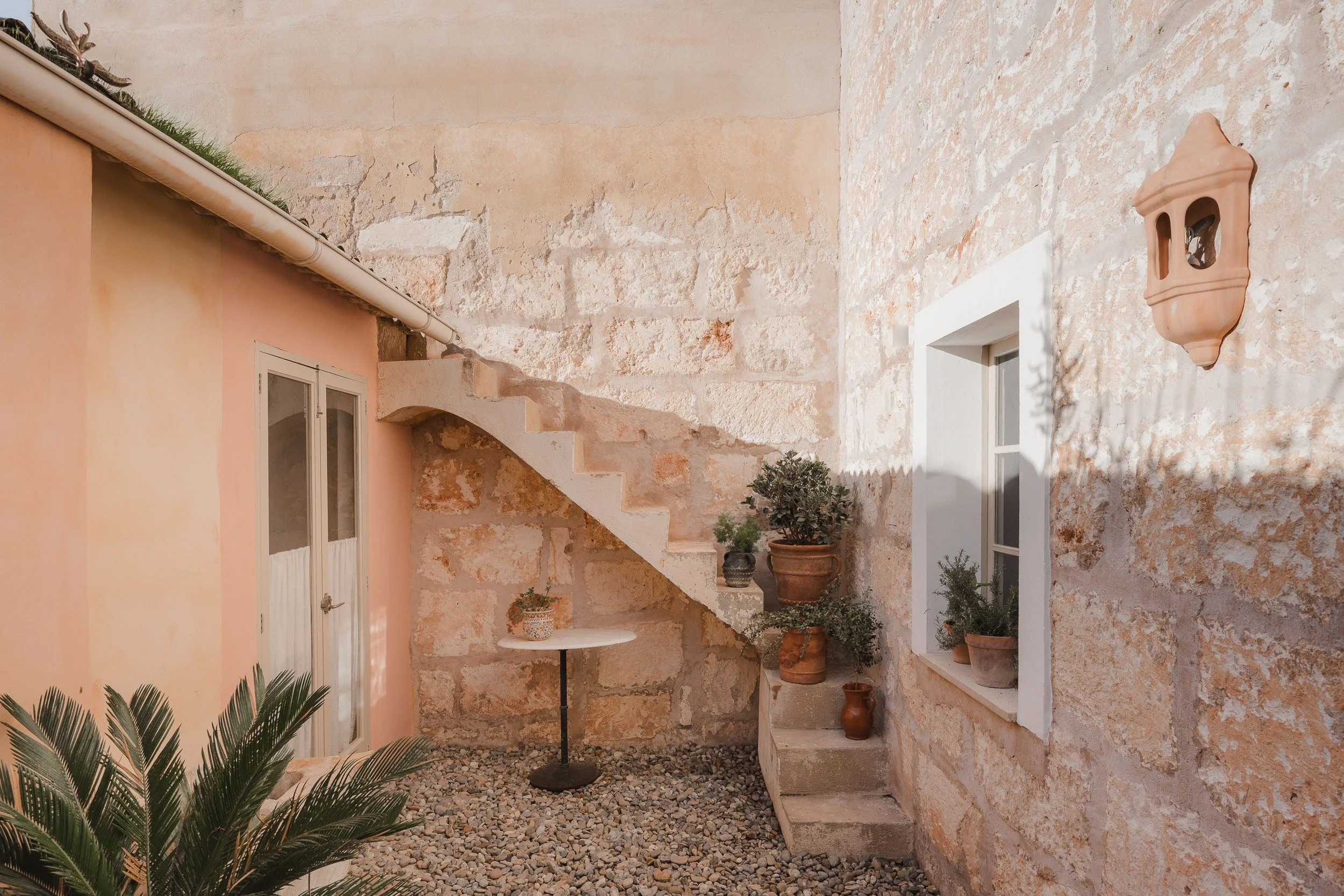
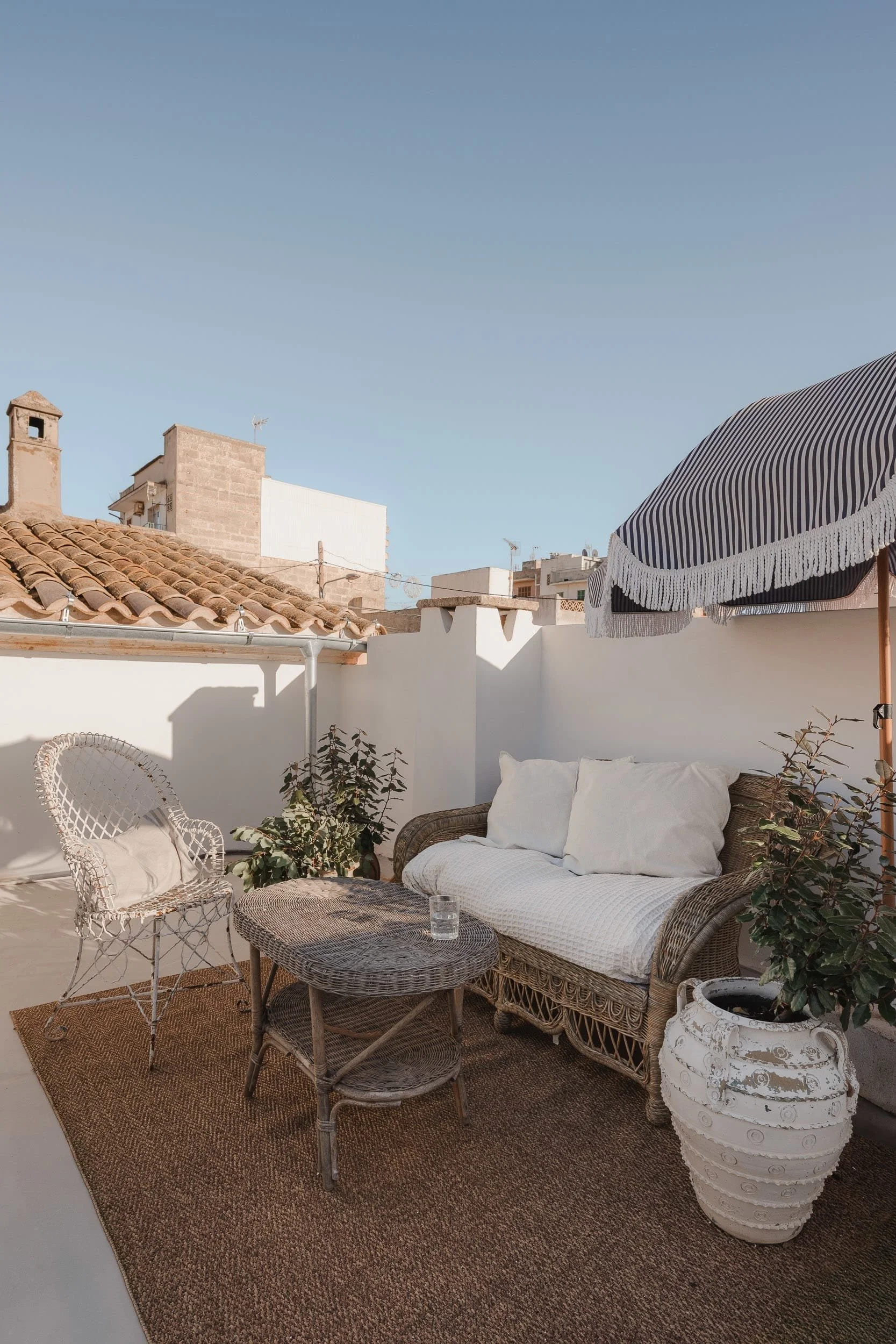
Approx. 20 m² patio with dining and barbecue area, plus approx. 10 m² private roof terrace.
Climate and comfort features
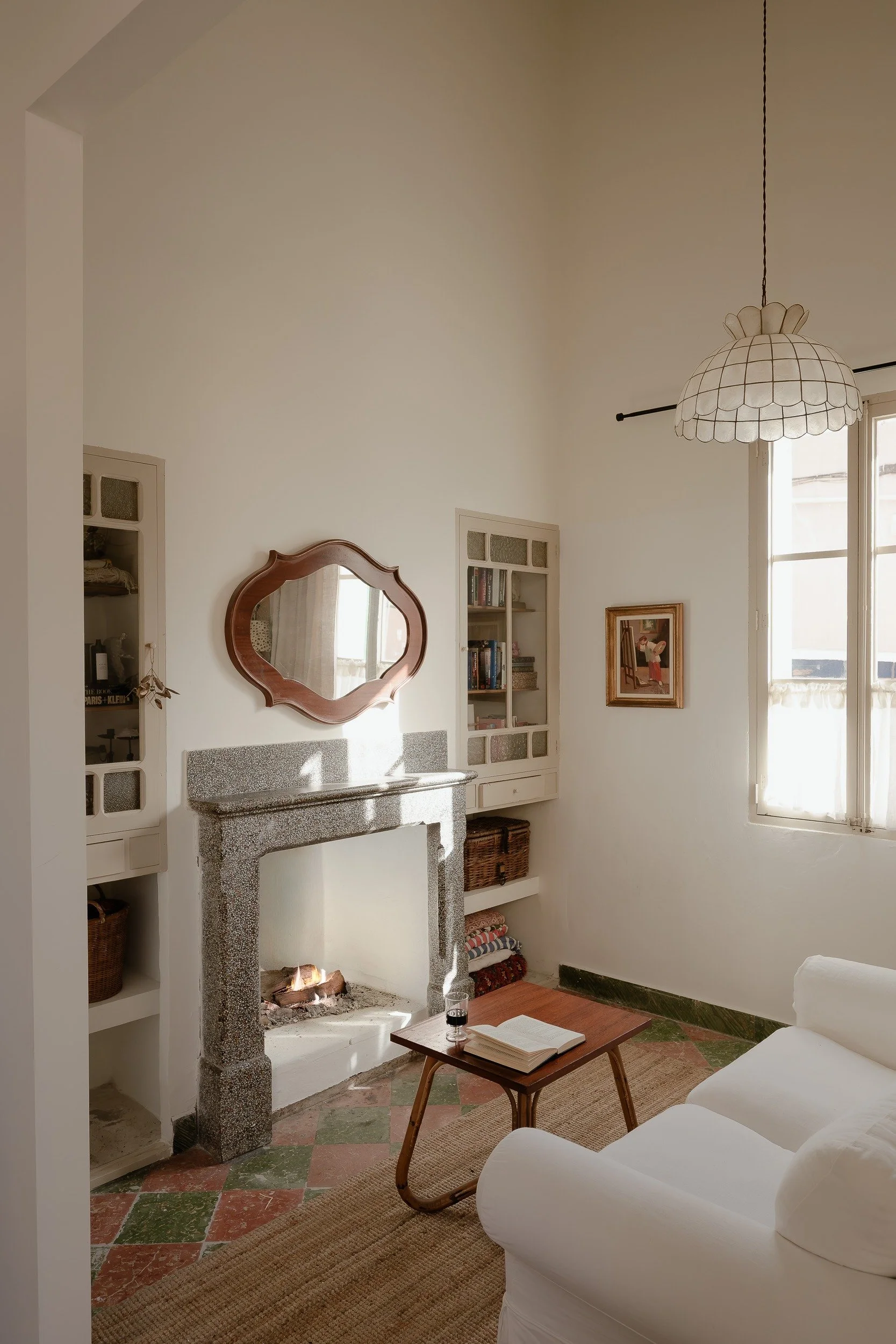
Air conditioning, gas cooking and fireplace.
Practical rarity
Small garage, currently used for storage.
Lifestyle angle
Historic-centre house a short walk from the sea, harbour, cafés and local shops.
Investment angle
Strong visual appeal for resale or rental, but any short-term rental plan must be checked very carefully under Balearic rules.
Risk Radar
Overview
This is the sort of old-town Mallorca property that attracts buyers fast because the brief is strong: designer restoration, original details, private outdoor space, and a garage in a historic centre. That combination is genuinely rare and commercially attractive. The risk is that this kind of house can sell on atmosphere before the paperwork catches up. The most important due-diligence work is therefore not aesthetic. It is legal and practical.
The first theme is the restoration itself. A design-led renovation can be a major plus, but only if it was properly permitted, signed off, and reflected in the current habitation paperwork. In the Balearics, the cédula de habitabilidad remains a core document for residential use, and the relevant Balearic housing rules still sit under Decree 145/1997 and its amendments. If the loft, terrace works, service upgrades or garage arrangement were altered during the project, the buyer needs to know whether the present physical layout matches the legally recognised one.
The second theme is the sleeping loft. One of the marketing summaries says one bedroom incorporates a loft, giving the house four double beds and eight sleeping places. That may be excellent lifestyle value, but it does not automatically mean the loft is recognised as habitable bedroom space. The critical question is whether it appears in the cédula, plans and title documentation, and whether its height, access and safety are compliant enough to be sold and valued as sleeping accommodation rather than simply occasional-use ancillary space.
The third theme is the energy label and rental upside. "Energy Class N" is not a standard Spanish energy grade in the normal A to G system set out in the current certification rules, which means the label needs clarifying immediately. Spanish law also says advertising for sale or rental must include the property's energy information from the recognised energy label, and misleading energy symbols are not permitted. On rentals, Mallorca remains highly regulated. The Balearic administration continues to process responsible declarations and fee structures for tourist-use housing, but the practical ability to obtain or rely on a licence is highly location- and property-specific, so a buyer should not pay for tourist-rental upside until the exact address position is verified.
Targeted Questions
Heritage Status, Restoration Permits and Legal Paper Trail
A historic-centre location can impose restrictions even if the property is not individually listed.
Buyers need the official planning position, not just agent reassurance.
The legality of the restoration is one of the main value drivers here.
A completed restoration should leave a documentary trail.
In the Balearics, the cédula remains central to lawful residential use. The applicable regional habitability regime is still based on Decree 145/1997 and later amendments.
Buyers need to separate full renovation from high-end cosmetic improvement.
Invoices help verify both quality and scope.
Remaining cover can materially reduce immediate risk.
These are exactly the elements most likely to create later paperwork issues.
Energy Class "N", Systems and Year-Round Performance
Spain's official energy-certification framework uses the recognised energy label linked to a registered certificate, and the usual rating scale is A to G. Advertising must show that information correctly.
This is the cleanest way to stop guessing about the energy position.
Exemption should be proved, not assumed from portal shorthand.
The listing markets year-round usability, so climate control needs to be understood properly.
Running costs and comfort depend on more than just AC units.
In an old-town house, glazing quality can have an outsized effect on comfort and bills.
Design-led restorations sometimes underdeliver on thermal performance.
Real bills are more useful than assumptions, especially where the energy label is unclear.
Old-town houses can behave very differently by level.
Layout, Sleeping Loft and Habitable Space
The marketed layout is attractive, but a plan is essential to judge it properly.
Marketing capacity and legal bedroom count are not always the same.
Access design can determine whether the space is practical and safe.
Buyers should not assume a loft can be valued as a bedroom.
This is one of the most important documentation checks for this property.
A loft can be charming but still too restricted to count as proper accommodation.
Practical safety affects both family use and any rental strategy.
Authenticity and maintenance differ depending on what is original and what is reproduction.
Protected features can slow future works.
Roof Terrace, Patio and External Areas
Old-town outdoor spaces should never be assumed without title proof.
Roof-terrace leaks are a common and costly old-town issue.
A beautiful terrace can still hide deferred waterproofing cost.
Shared maintenance obligations can create both cost and coordination issues.
Exclusive-use rights matter for value and privacy.
Outdoor areas in dense urban fabric need good drainage and servicing.
Garage, Storage and Access
A rare old-town garage only deserves full value if it is cleanly included in title.
This is the best first-step documentary check.
Physical arrangement affects convenience and value.
Many old-town garages are too small for a standard modern car.
Practical access is as important as legal inclusion.
That answer tells you whether the "garage" is functionally a store room.
Storage space should not be confused with habitable or convertible space without evidence.
Historic-centre parking friction can materially affect daily life.
Location, Access and Everyday Practicality
Porto Cristo old town can feel very different street by street.
This affects noise, community feel and future use dynamics.
The listing sells peace as well as charm, so this should be tested.
Remote work and digital rental management depend on dependable connectivity.
Thick old walls can weaken signal.
Buyers should check the lived route, not just the brochure claim. The marketing material says the property is only a short walk from the sea and close to the harbour and local shops.
Old-town logistics can affect both ownership and future maintenance costs.
Rental Potential and Mallorca Regulatory Reality
Real operating history is more useful than projected yields.
Mallorca tourist-rental value depends on actual licence position, not just physical attractiveness.
The Balearic framework remains restrictive and address-specific. Official Balearic procedures continue to require a responsible declaration and fee/plaza framework for tourist-use housing.
The loft's legal status may affect occupancy assumptions.
Local restrictions can override generic rental expectations.
Long-term rental may be the more realistic fallback strategy.
This helps distinguish real income potential from lifestyle-led optimism.
Seller motivation may create useful negotiating room.
Negotiation Intelligence
Buyer Leverage
Medium-High
Key Drivers
Typical Negotiation Range
5-15% below asking
Neutral Phrasing Examples
Country Layer
Spain (Regulatory Context March 2026)
Spain's current building-energy rules are set out in Royal Decree 390/2021. That decree explains the recognised energy-certification framework, requires the registered energy label to be used in sale and rental advertising, and says misleading labels or symbols are not allowed. It also states that buildings sold after major reform or extension should have the appropriate project and finished-work certification, and that buildings sold or rented generally need the registered certificate attached to the contract unless an exemption applies.
Viewing Strategy
Start with the practical-value elements before the styling distracts you.
Next Step
Verify from the listing:
The restoration must be proven, not admired
A designer-led restoration can justify a premium, but only if the permits, completion paperwork and current habitability documents all match the house as it stands today.
The sleeping loft is a legal question before it is a lifestyle feature
It may add real charm and extra sleeping capacity, but you need to know whether it is officially recognised as habitable space or simply marketed that way.
The garage may be more valuable on paper than in practice
A garage in Porto Cristo old town is rare, but because it is currently used for storage, you should verify title, access width and whether it genuinely works for a normal car.
“Energy Class N” needs immediate clarification
Spain’s official framework relies on a registered energy certificate and recognised label, so ask for the actual certificate or the exact exemption document rather than relying on portal shorthand.
Do not pay for short-stay upside until it is verified
Mallorca tourist rentals sit inside a regulated Balearic framework, so treat VFT-style potential as unproven until the exact address and property type have been checked properly.
A prepared buyer should approach the agent calmly and frame questions as due diligence.
Because this is a property where the legal, structural and regulatory context matters, run it through the Property Risk Assessment to pressure-test the restoration, loft and title exposure, or use the Rental Yield Calculator to see whether the Porto Cristo numbers still work once licensing and real-world occupancy limits are factored in.
Disclaimer: The Property Drop is buyer-focused intelligence, zero sales agenda. We curate exceptional properties, in southern Europe, from third-party agents and arm you with decision tools. No commission, no transactions, no agent partnerships, no skin in the game beyond helping you choose wisely. Information stays accurate until it doesn't (properties sell, prices shift, markets move). Everything here is shared for informational purposes only and should not be treated as legal, financial, or investment advice. Images belong to original agents. Read our Terms of Service to learn more.
IMPORTANT REMINDER: When contacting property agents featured on The Property Drop, you are entering into direct communication with third parties. It's recommended that you verify all property details independently, conduct thorough due diligence, engage qualified professionals (solicitors, surveyors, financial advisors), understand your rights and obligations under local property laws, and never send money or make commitments without proper legal protection.
