
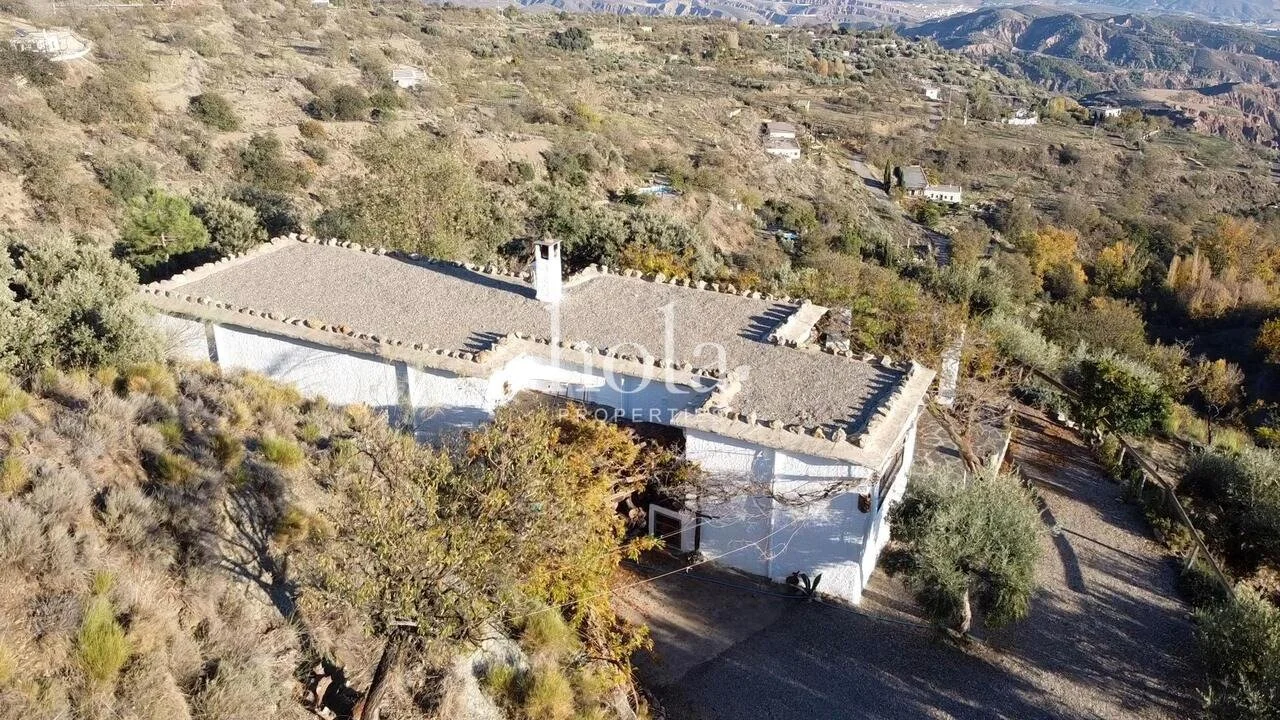
The Buyer Playbook: Cortijo Gádor – Country Home with Panoramic Mountain & Sea Views in Valor, Spain, €190,000
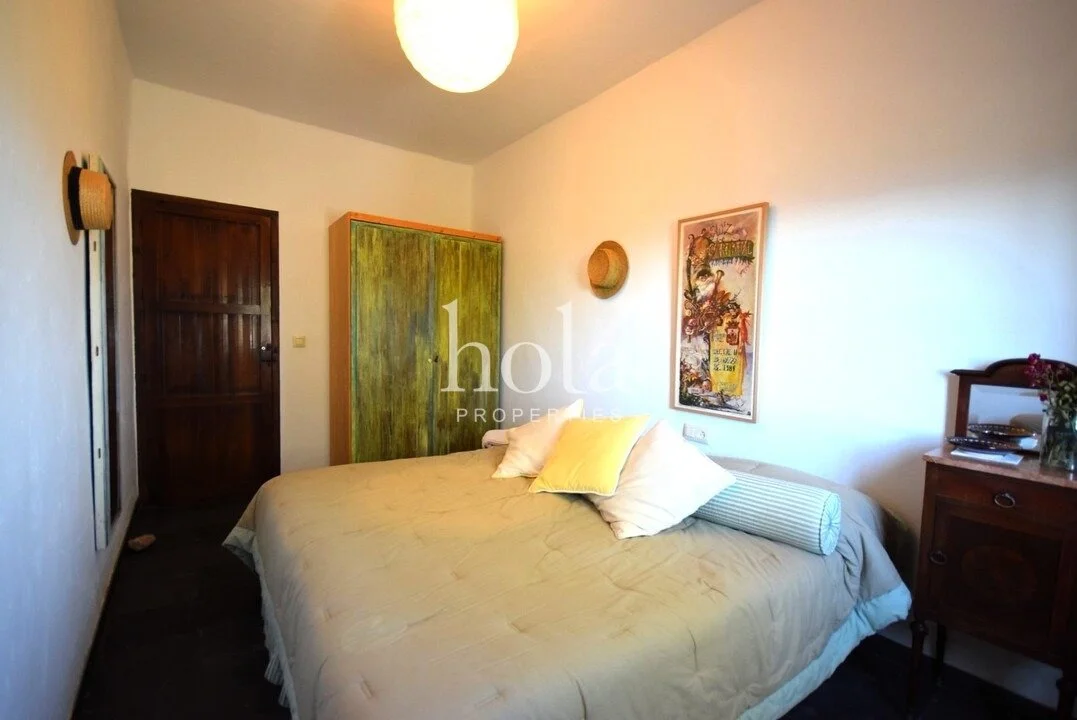
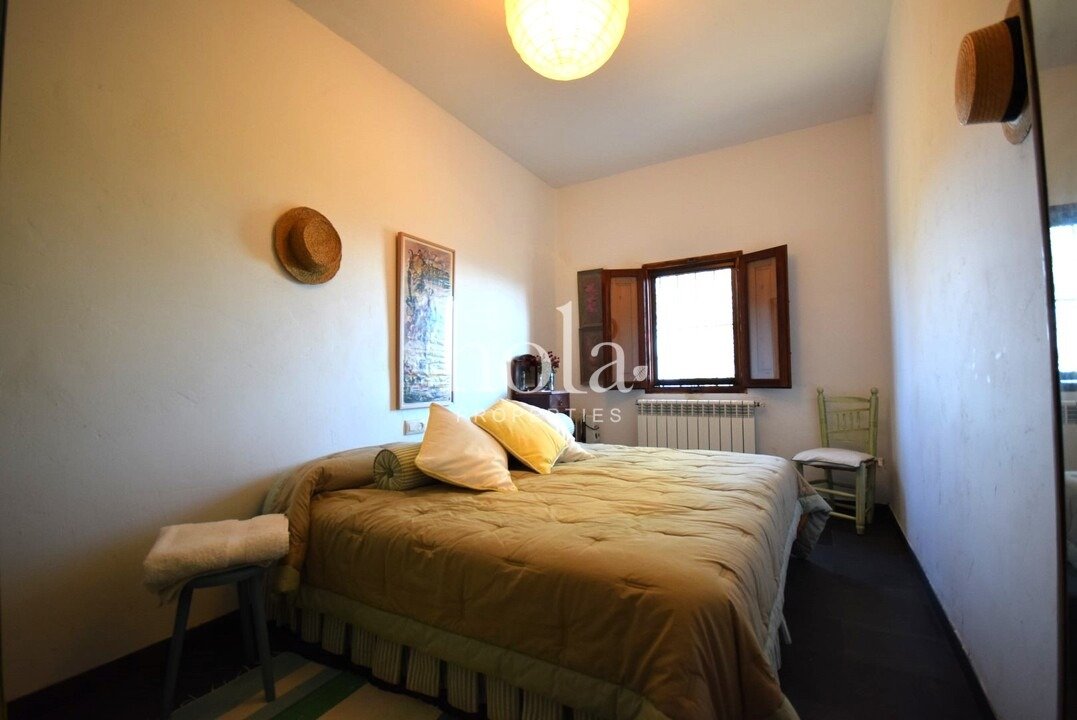
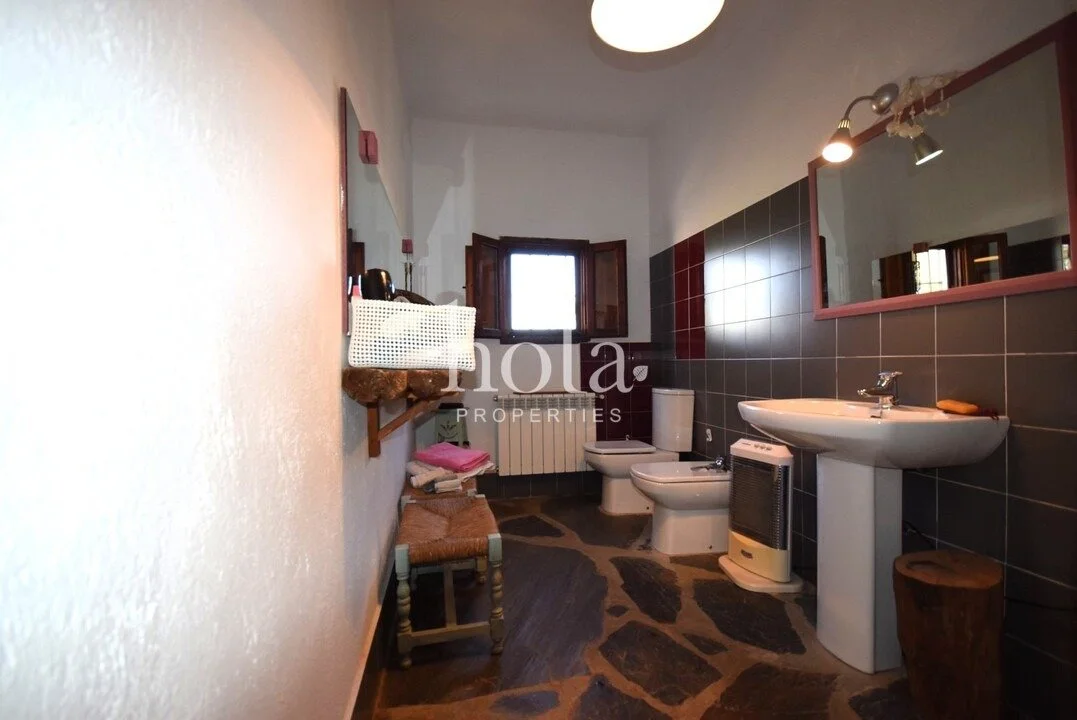
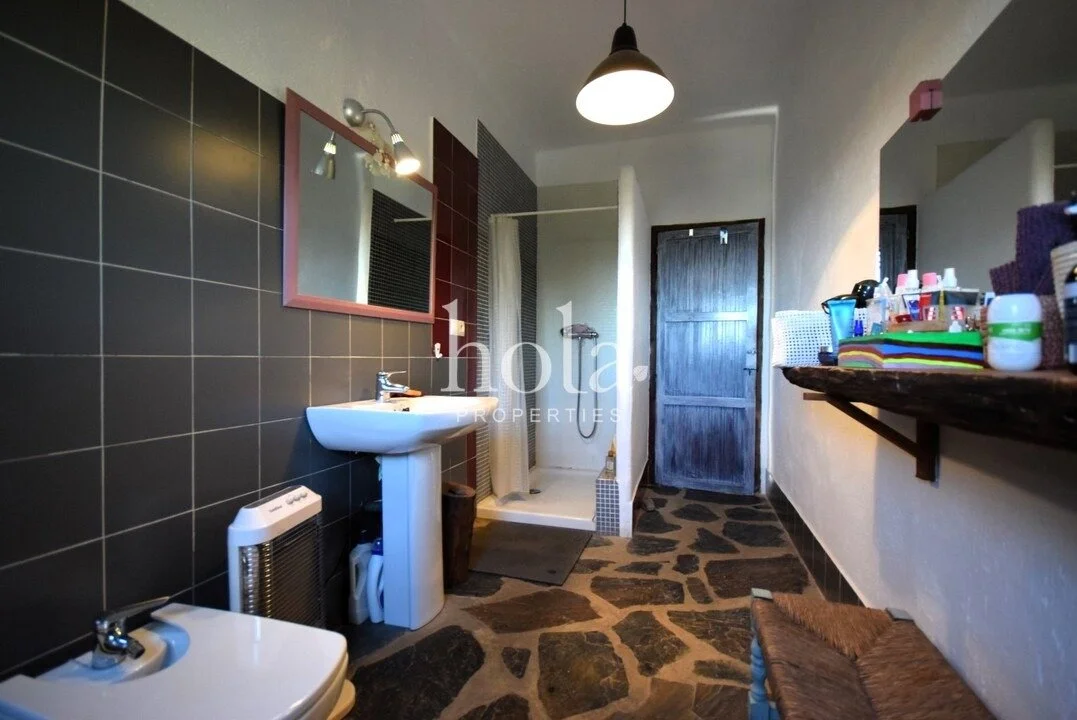
Buyer Playbook
Pre-Viewing Intelligence Report
This independent buyer guidance report relates to this specific property located in Spain. It is provided for informational purposes only and does not constitute legal, tax, structural or survey advice. Water rights, spring-water legality, Registro de la Propiedad status, cadastral conformity, habitation legality, rural-land use, tourist-rental compliance, irrigation rights, and any building or land-use restrictions must always be verified with qualified Spanish professionals such as an abogado, arquitecto técnico, arquitecto, aparejador or surveyor, and with the relevant Ayuntamiento, Registro de la Propiedad, Catastro and river-basin authority. This report is designed to help buyers evaluate the property before arranging a viewing or making an offer. It highlights due-diligence areas and targeted questions to ask the estate agent. The analysis is based on the listing details and publicly available regulatory context at the time of writing, including current Andalusian tourist-rental rules and Spanish water-registration principles.
Playbook Contents
Property Snapshot
Location
Válor, Alpujarras, Granada province, Andalusia, Spain.
Property type
Traditional Andalusian cortijo / country home.
Asking Price
€190,000.
Bedrooms
3.
Bathrooms
2.
Internal area
180 m².
Land
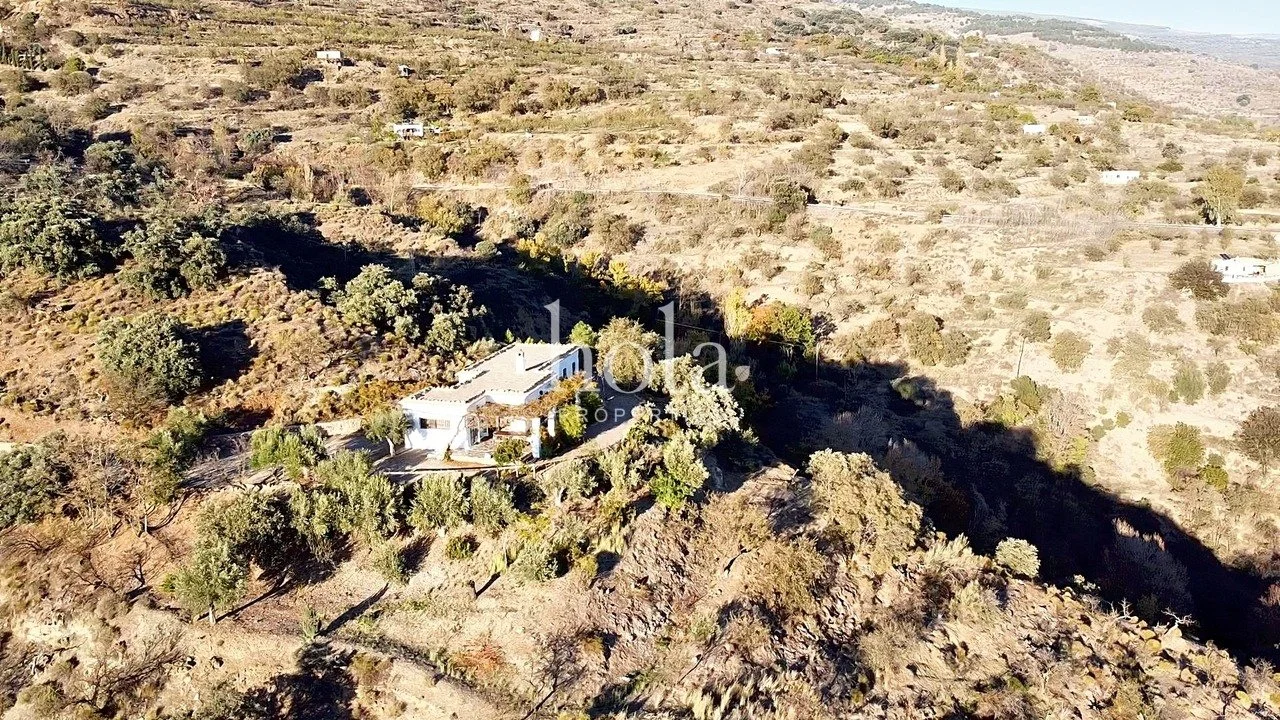
20,000 m².
Key infrastructure
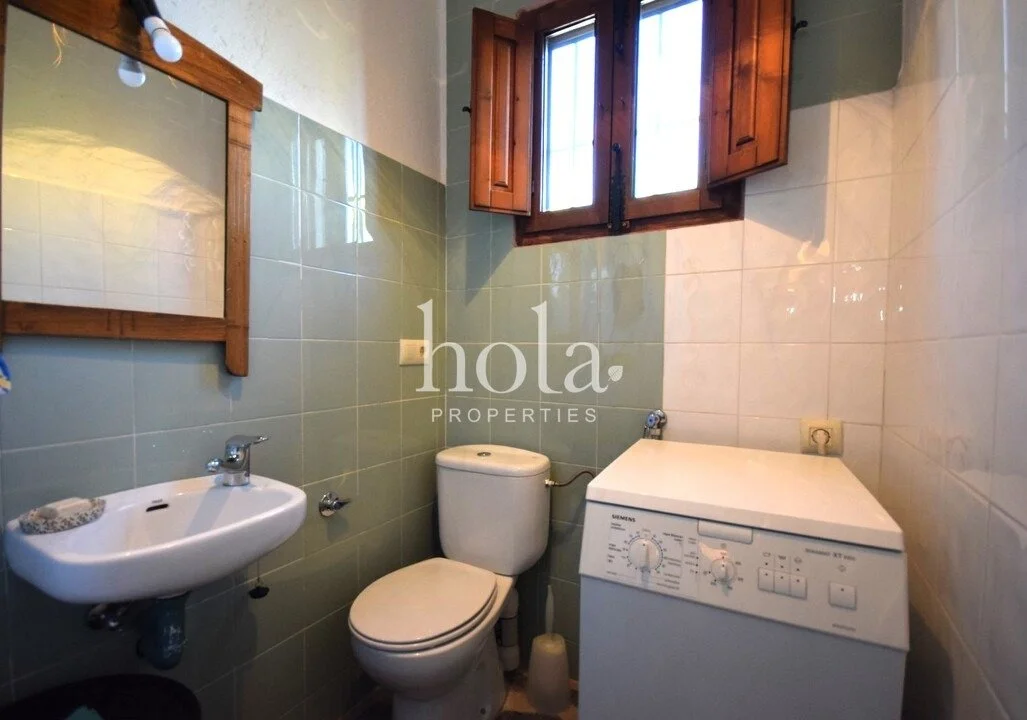
Mains electricity, spring water, automated irrigation, two parking spaces, storage room.
Land use
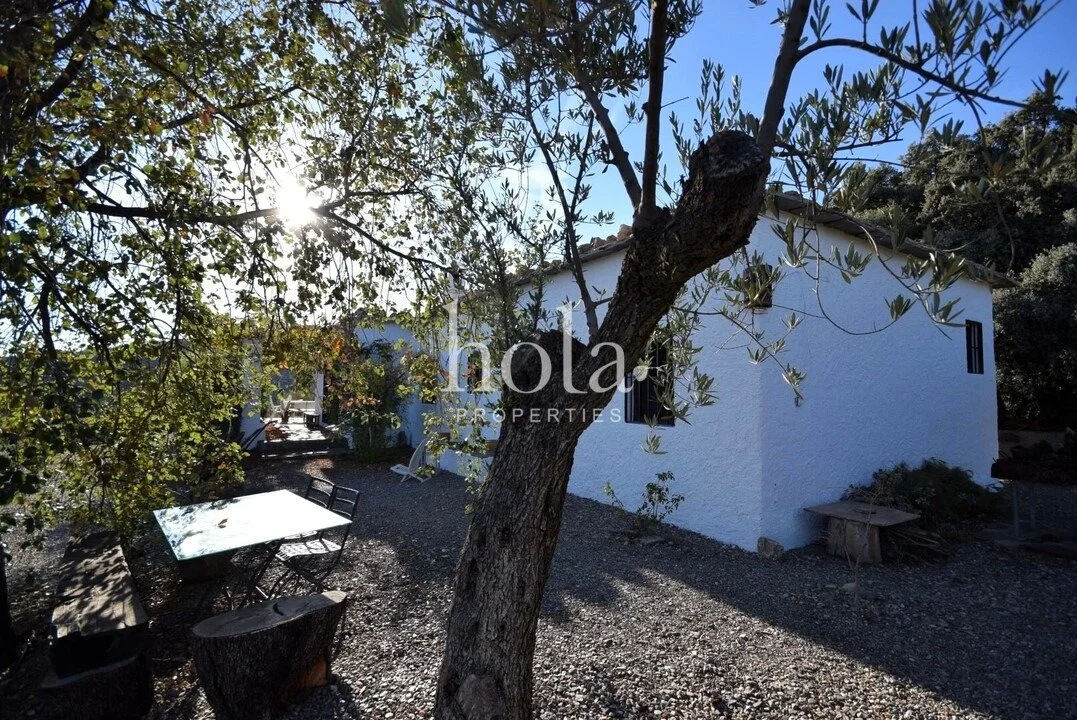
Olive, almond and fruit trees.
Comfort features
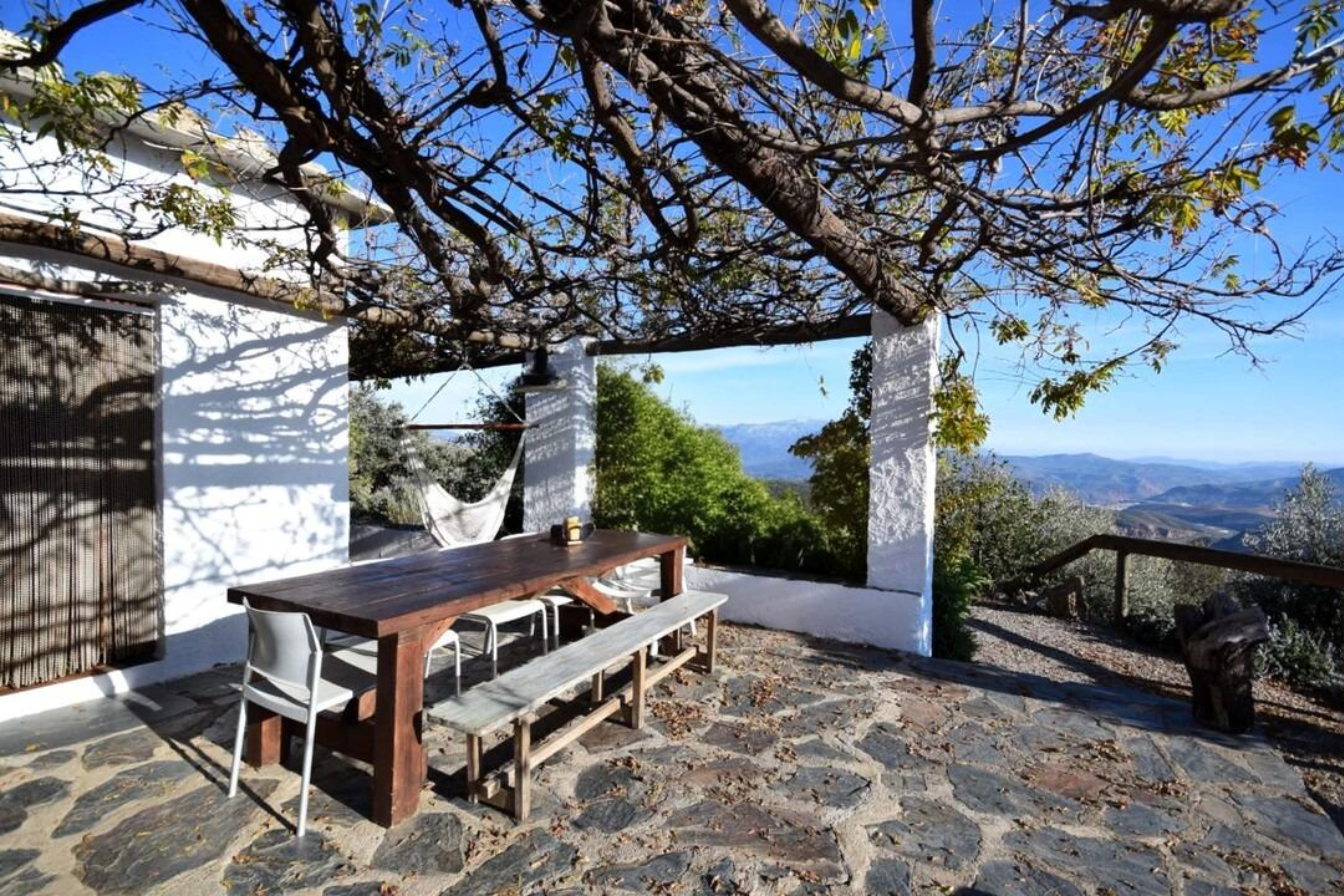
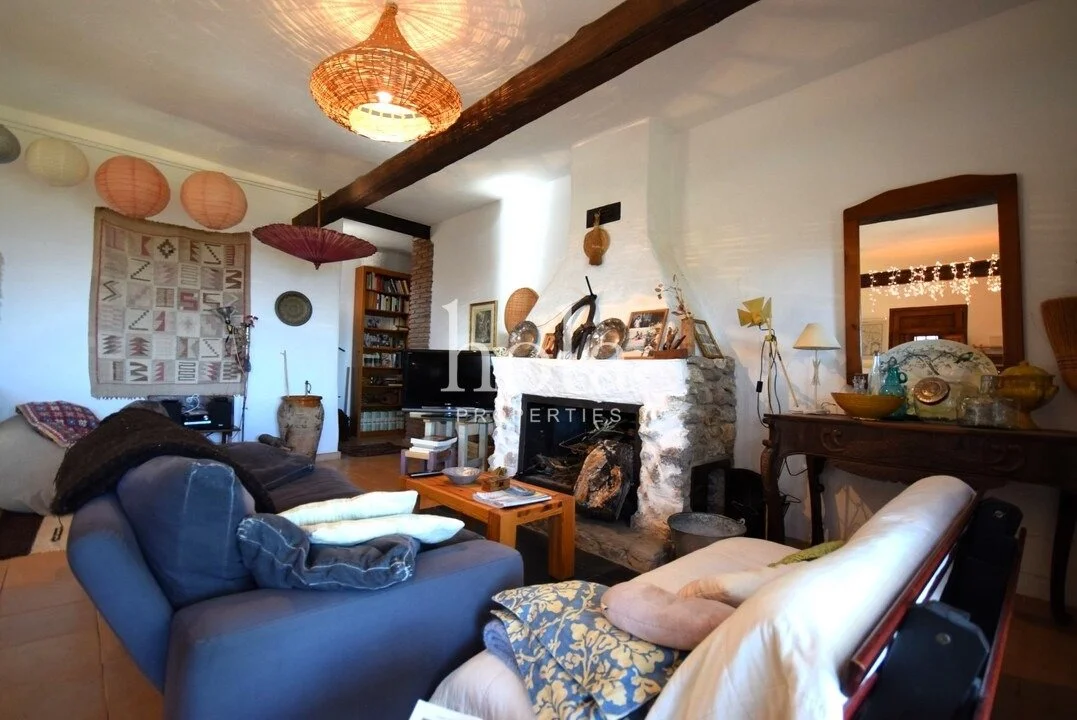
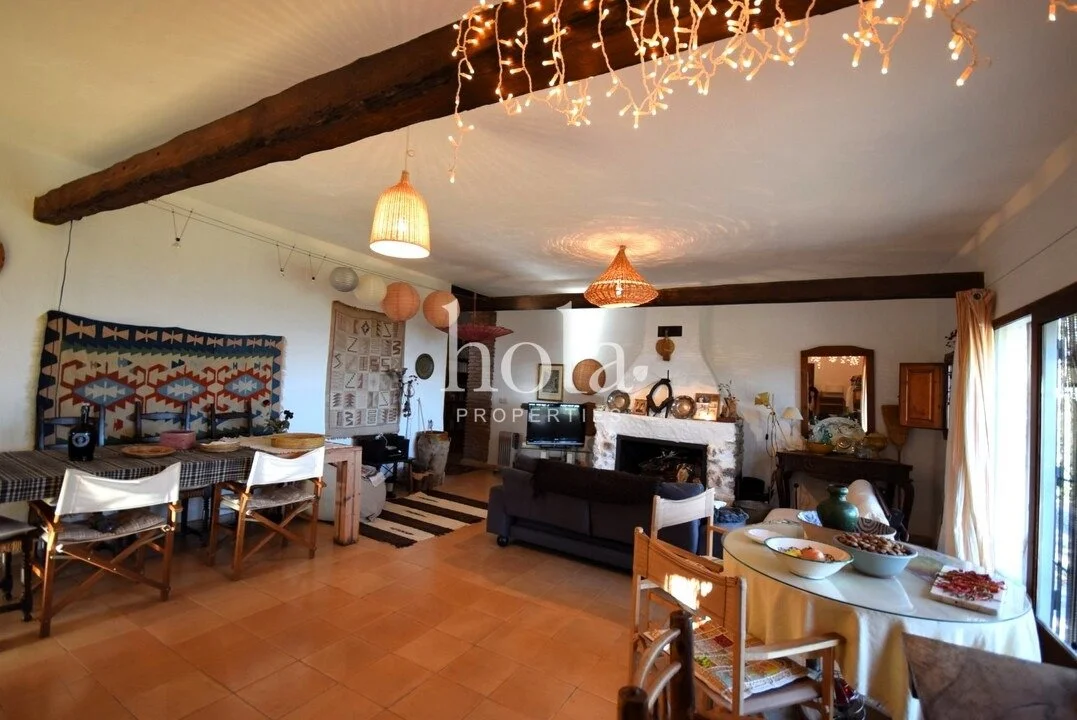
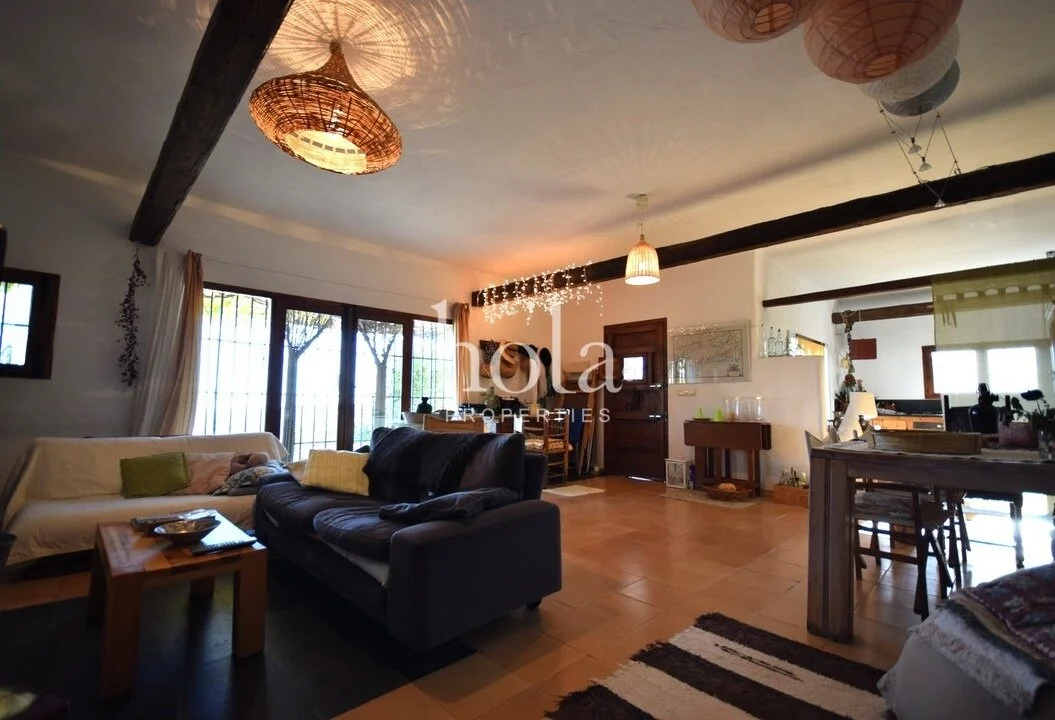
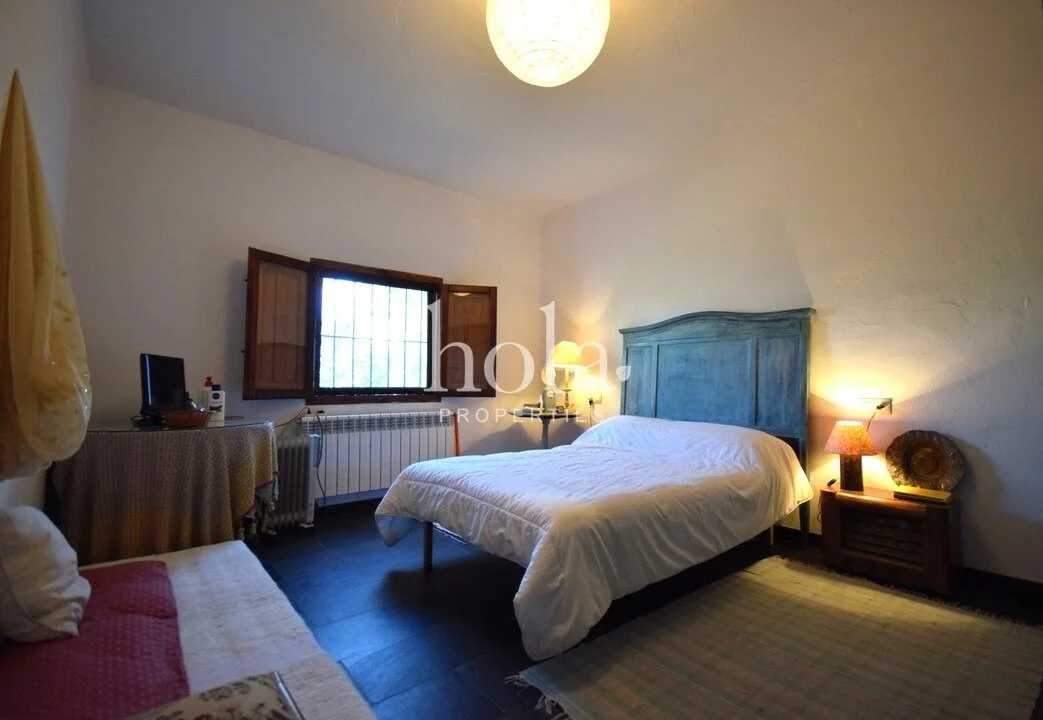
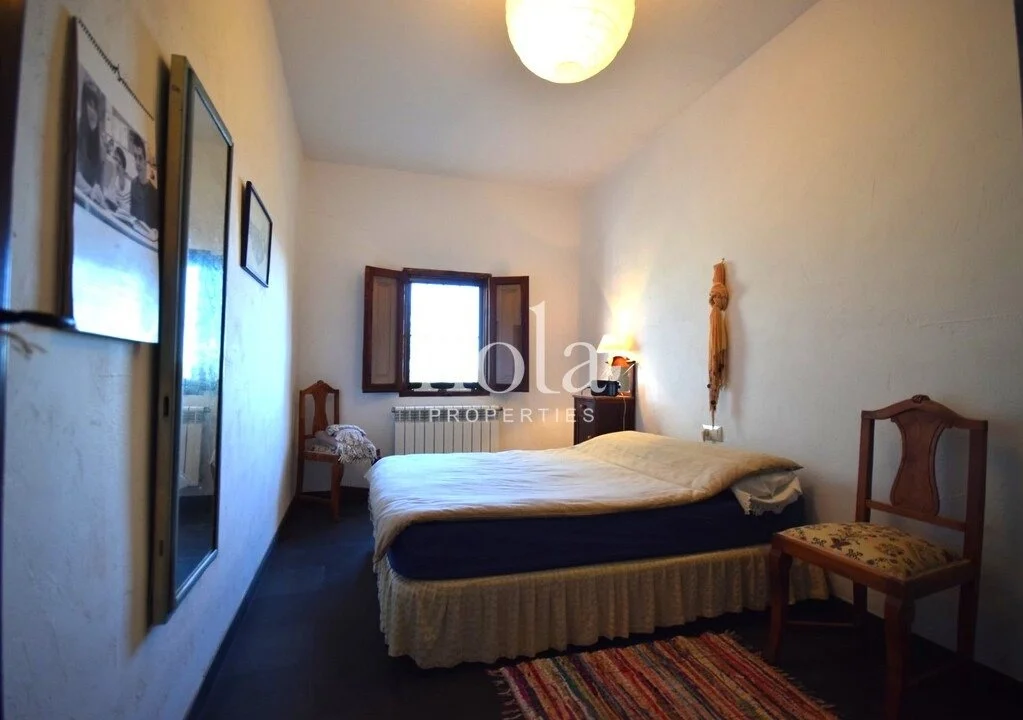
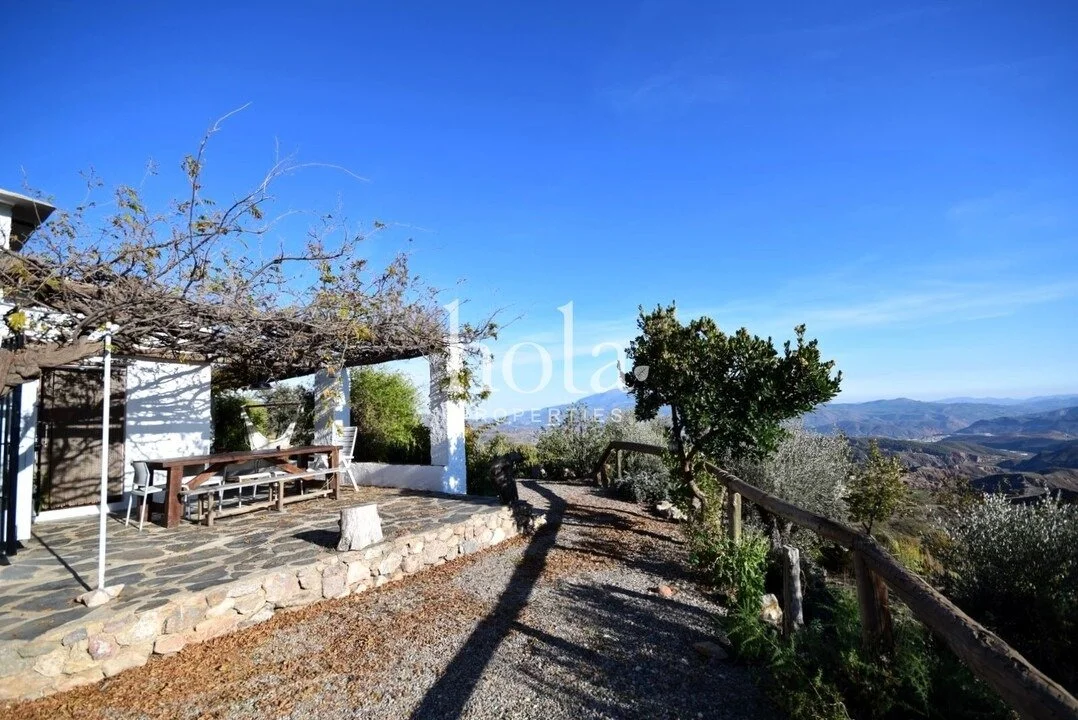
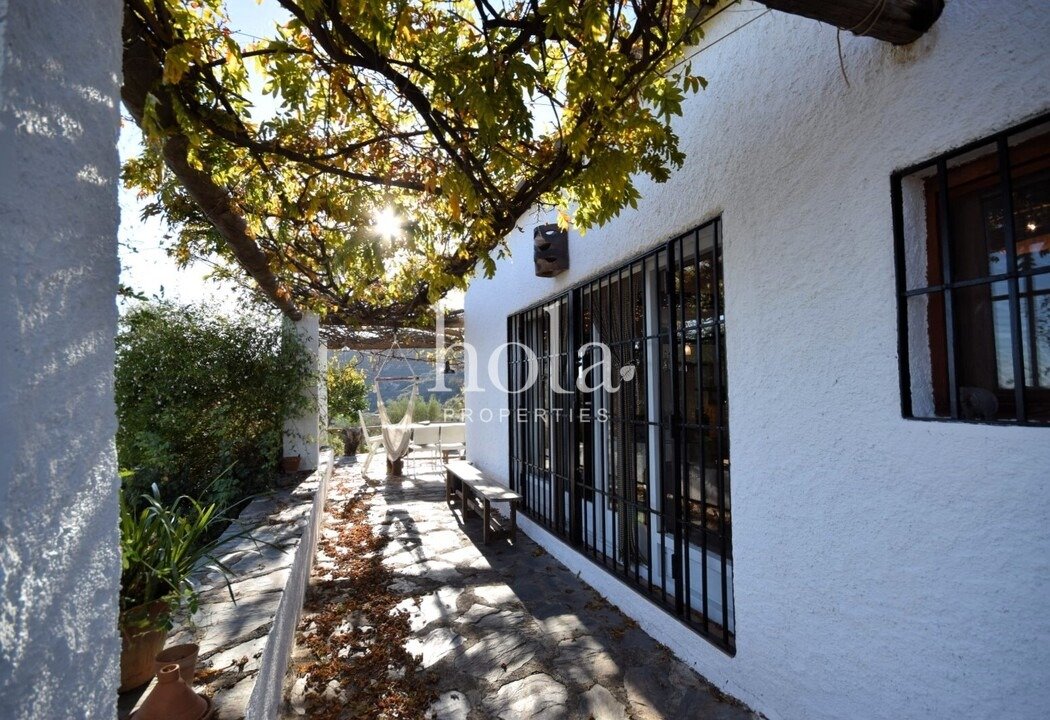
Central heating in all bedrooms, covered porch with grapevine, stone fireplace, rural views.
Title angle
Marketed as chain-free and fully freehold.
Main appeal
Low entry price for a productive Alpujarras cortijo with serious land, irrigation and view value.
Risk Radar
Overview
This is the sort of rural Andalusian property that becomes attractive very quickly because the infrastructure story is stronger than the price suggests. The listing is not just selling a pretty cortijo with views. It is selling spring water, automated irrigation, central heating, productive trees, mains electricity and a practical amount of land. That combination is what makes the property potentially very good value, but it also means the due-diligence burden sits heavily on water legality, land rights and the true condition of the systems that make the place work.
The central issue here is water. Spring water sounds romantic in marketing language, but in Spanish property due diligence it needs to be treated as a legal and operational asset that must be documented properly. Spain's water framework is based on the principle that private use of water must have a recognised legal basis and that water-use rights sit within the relevant basin authority's registration and control system. That means a buyer should not rely on verbal assurances that the spring "belongs to the house" without seeing the relevant paperwork and understanding whether the source is registered, transferable and reliable in dry periods.
The second major theme is legal regularity. A rural property with 20,000 m², irrigation, parking, storage and a marketed 180 m² built area needs to be checked carefully against the Registro de la Propiedad and Catastro. In these settings, differences between what is occupied, what is registered, and what is habitable are not unusual. The listing's "chain-free and fully freehold" wording is positive, but still needs to be verified through the nota simple and supporting title documentation.
The third theme is economic realism. This could work very well as a full-time home, a semi-productive lifestyle property, or potentially as a rural holiday let. But the rental angle only makes sense if the property is legally habitable, technically reliable, and capable of being registered under Andalusia's tourist-rental framework. In 2026, Andalusia's rules still sit under Decree 28/2016, with the Turismo de Andalucía system and current adaptation framework remaining highly relevant.
Targeted Questions
Water Rights, Spring Water and Irrigation
Water rights should be evidenced, not assumed, especially on rural land.
A buyer needs to know whether the water use is formally recognised and transferable.
The wrong assumption about basin jurisdiction can create paperwork gaps and enforcement risk.
Drinking-water reliance raises a much higher due-diligence threshold than irrigation-only use.
Water that is useful for irrigation may still be unsuitable for drinking.
Rural water systems often look reliable in spring and far less reliable in late summer.
Storage is often what makes a seasonal spring operationally viable.
A single-source system carries greater resilience risk.
Buyers need to understand whether the irrigation system is simple, robust and cheap to maintain, or more complex than it sounds.
Mixed systems can affect cost, legality and reliability.
Old pumps and tired pipework can turn a strength into an immediate expense.
Informal arrangements can break down after purchase.
Legal Status, Registry and Habitation
The nota simple is the starting point for confirming ownership, charges and the registered built description.
Buyers need to test whether the title matches the sales presentation.
Rural properties can carry legal baggage that is not obvious from the viewing.
Boundary and built-area accuracy should be checked against both land registry and cadastral records.
Any mismatch may point to unregistered works or regularisation needs.
Rural Spanish properties do not all present the same documentation, so the exact legal basis for residential use matters.
Partial legal coverage can affect financing, resale and rental use.
Ancillary spaces are often marketed casually but matter in valuation and compliance.
Small undocumented works can create outsized problems during sale or rental registration.
Buyers need to distinguish between genuine upgrading and light cosmetic improvement.
Paperwork helps support both condition claims and pricing discipline.
Land, Trees and Productive Use
On rural land, the real asset is the mapped asset.
Privacy and control over a cortijo site can be reduced significantly by access rights.
The productive value of the land depends on real numbers and real species.
Mature productive trees are an asset, but neglected or ageing stock creates work.
This helps distinguish lifestyle planting from meaningful productivity.
Equipment inclusion can materially affect both value and ongoing maintenance viability.
This influences future positioning, maintenance cost and buyer strategy.
The charm of 20,000 m² is closely tied to the cost of keeping it usable.
Hillside land can be beautiful but expensive to stabilise or access.
Gross land area is less useful than net usable land.
Building Condition and Systems
Buyers need to understand operating cost and maintenance exposure.
Older heating systems can become a near-term capital cost.
A visual focal point is different from a practical heat source.
Comfort and efficiency in mountain settings depend heavily on glazing quality.
The unusual "Energy Class N" wording makes actual thermal performance especially important.
The energy position needs proper explanation before a buyer can assess running costs.
Real bills are often more useful than formal labels alone.
Roof condition is one of the most important risk points in older rural homes.
Stone rural buildings can hide moisture issues behind surface finishes.
Independent technical evidence strengthens confidence and negotiation position.
Ancillary storage matters much more on working rural plots than in urban homes.
Access, Practicalities and Daily Use
Access responsibility affects maintenance cost and risk.
Practical usability in winter and after rain matters more than a summer viewing.
Mountain-region access can vary sharply by season.
Buyers should verify that advertised parking is not informal or shared.
Covered parking materially improves practicality in rural settings.
Connectivity now affects both owner use and rental appeal.
Weak signal can undermine remote work and guest satisfaction.
"Seclusion" can still mean nearby agricultural activity, access routes or seasonal disturbance.
Practical isolation and romantic isolation are not the same thing.
Rental Potential and Strategy
Andalusia regulates tourist-use homes under Decree 28/2016 and related current procedures.
Existing registration can materially simplify the buyer's next steps.
Habitation and compliance documentation are often the real bottleneck.
Real trading history is more valuable than generic yield claims.
Rural tourism demand can be attractive, but it is highly location-specific.
Revenue assumptions need to reflect actual local demand, not broad Andalusia averages.
The best purchase rationale often depends on the management intensity the buyer wants.
Negotiation Intelligence
Buyer Leverage
Medium-High
Key Drivers
Typical Negotiation Range
5-15% below asking
Neutral Phrasing Examples
Country Layer
Spain (Regulatory Context March 2026)
Key Spanish and Andalusian requirements for buyers:
The buyer should ask for the habitation basis of the house, evidence of lawful residential use, and whether the property has ever been prepared for tourist registration before. The listing's appeal is real, but the compliance pathway still needs proving.
Viewing Strategy
On the viewing, start with the water system before the scenery wins the day.
Next Step
Verify from the listing:
Spring water legal status
Request the full documentation for the spring, its registration or recognised use rights, and any records showing whether it lawfully serves irrigation only or also household supply, because this is one of the property’s most valuable features.
Title, habitable status and land accuracy
Ask for the nota simple, cadastral reference and any habitation document so you can verify that the marketed 180 m² house, storage room, parking spaces and full 20,000 m² landholding are legally reflected in the paperwork.
Irrigation and orchard performance
Clarify how the automated irrigation system works, what equipment is included, how many olive, almond and fruit trees are actually on the land, and what level of maintenance or annual yield the current owner achieves.
Heating, roof and energy documentation
Confirm what kind of central-heating system is installed, its age and running cost, ask for the full energy paperwork behind the unusual “Energy Class N” wording, and request any recent roof or structural maintenance records.
Rental-use realism
Verify whether the property’s legal and documentary position would support future tourist-rental registration in Andalusia, rather than assuming that a beautiful rural house with views can automatically operate as a holiday let.
A prepared buyer should approach the agent calmly and frame questions as due diligence.
Because this is a rural property where water security and legal documentation materially affect value, run it through the Property Risk Assessment to stress-test the title, water and systems position, and the Rental Yield Calculator to model returns only after the rental and compliance pathway has been verified.
Disclaimer: The Property Drop is buyer-focused intelligence, zero sales agenda. We curate exceptional properties, in southern Europe, from third-party agents and arm you with decision tools. No commission, no transactions, no agent partnerships, no skin in the game beyond helping you choose wisely. Information stays accurate until it doesn't (properties sell, prices shift, markets move). Everything here is shared for informational purposes only and should not be treated as legal, financial, or investment advice. Images belong to original agents. Read our Terms of Service to learn more.
IMPORTANT REMINDER: When contacting property agents featured on The Property Drop, you are entering into direct communication with third parties. It's recommended that you verify all property details independently, conduct thorough due diligence, engage qualified professionals (solicitors, surveyors, financial advisors), understand your rights and obligations under local property laws, and never send money or make commitments without proper legal protection.
