
The Buyer Playbook: Architect-Tweaked Townhouse with Terrace and Garage, Bolbec, Normandy, France, €212,000



Buyer Playbook
Pre-Viewing Intelligence Report
This independent buyer guidance report relates to this specific property located in France. It is provided for informational purposes only and does not constitute legal, tax, structural or survey advice. Planning status, renovation conformity, terrace rights, parking title position, copropriété rules, rental permissions, diagnostics, and any building or access issues must always be verified with qualified French professionals such as a notaire, architecte, géomètre-expert, surveyor, diagnostiqueur or specialist property lawyer, and with the relevant municipal authorities where needed. This report is designed to help buyers evaluate the property before arranging a viewing or making an offer. It highlights due diligence issues and targeted questions to ask the estate agent. The analysis is based on the listing details and publicly available regulatory context at the time of writing, including France's DDT diagnostic framework for sales and the current meublé de tourisme declaration and registration rules. In France, the seller must annex a dossier de diagnostic technique to the compromis or, failing that, the acte authentique, and the seller must provide the relevant diagnostics to inform the buyer.
Playbook Contents
Property Snapshot
Location
Bolbec, Seine-Maritime, Normandy, France
Property type
Townhouse
Asking Price
€212,000
Bedrooms
4
Bathrooms
3
Floors
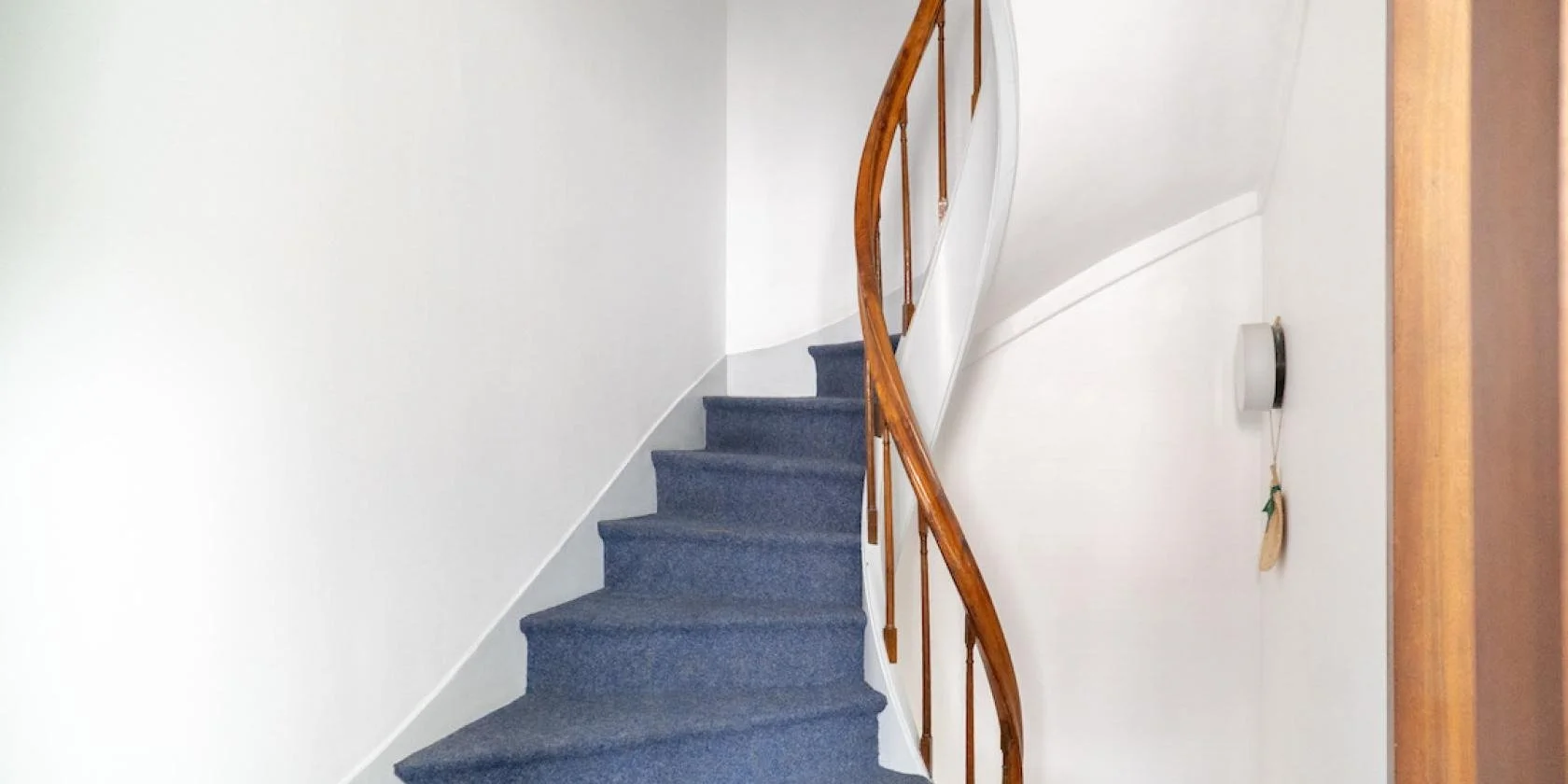
4
Energy rating
Class D
Layout highlights
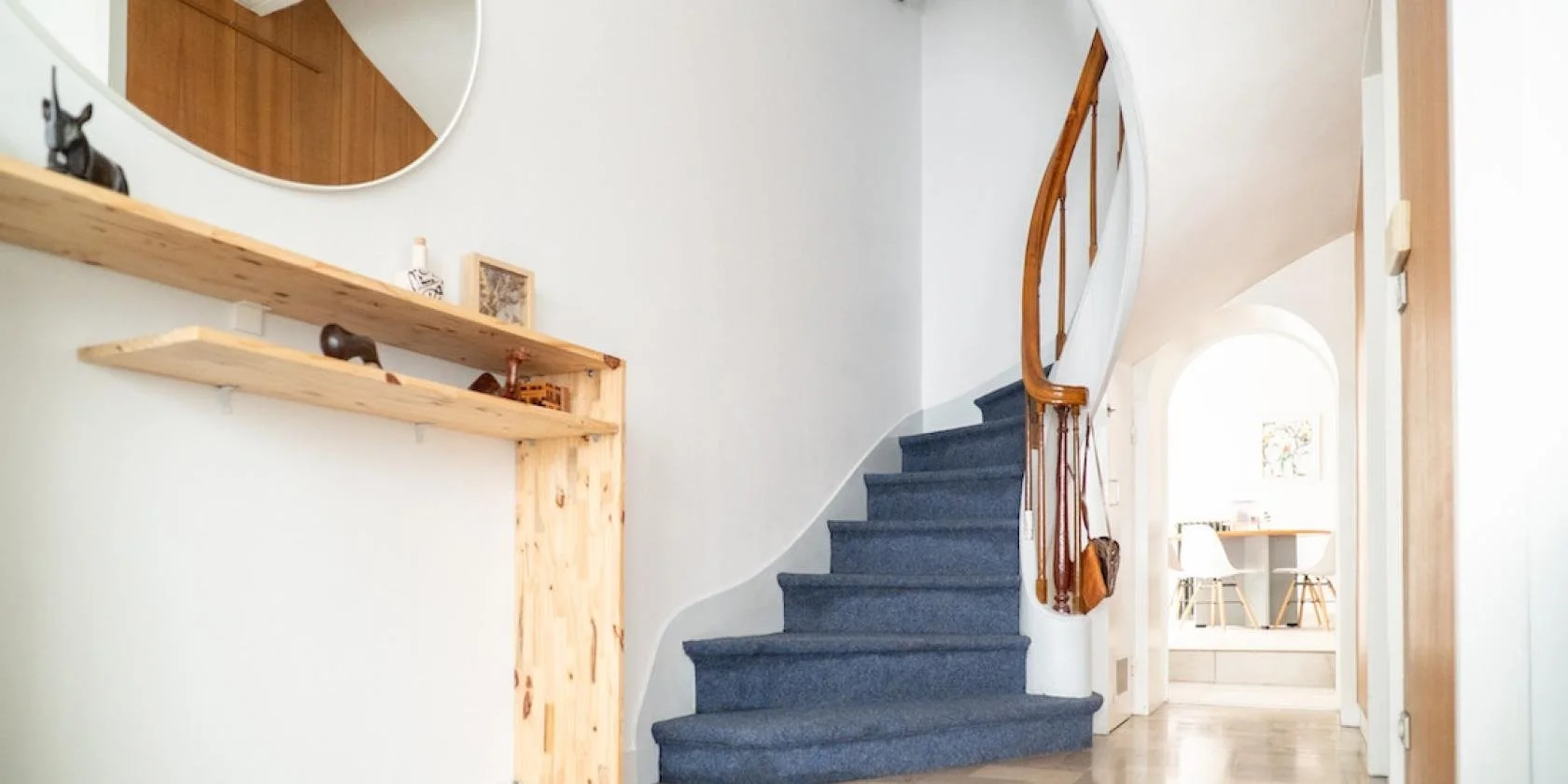
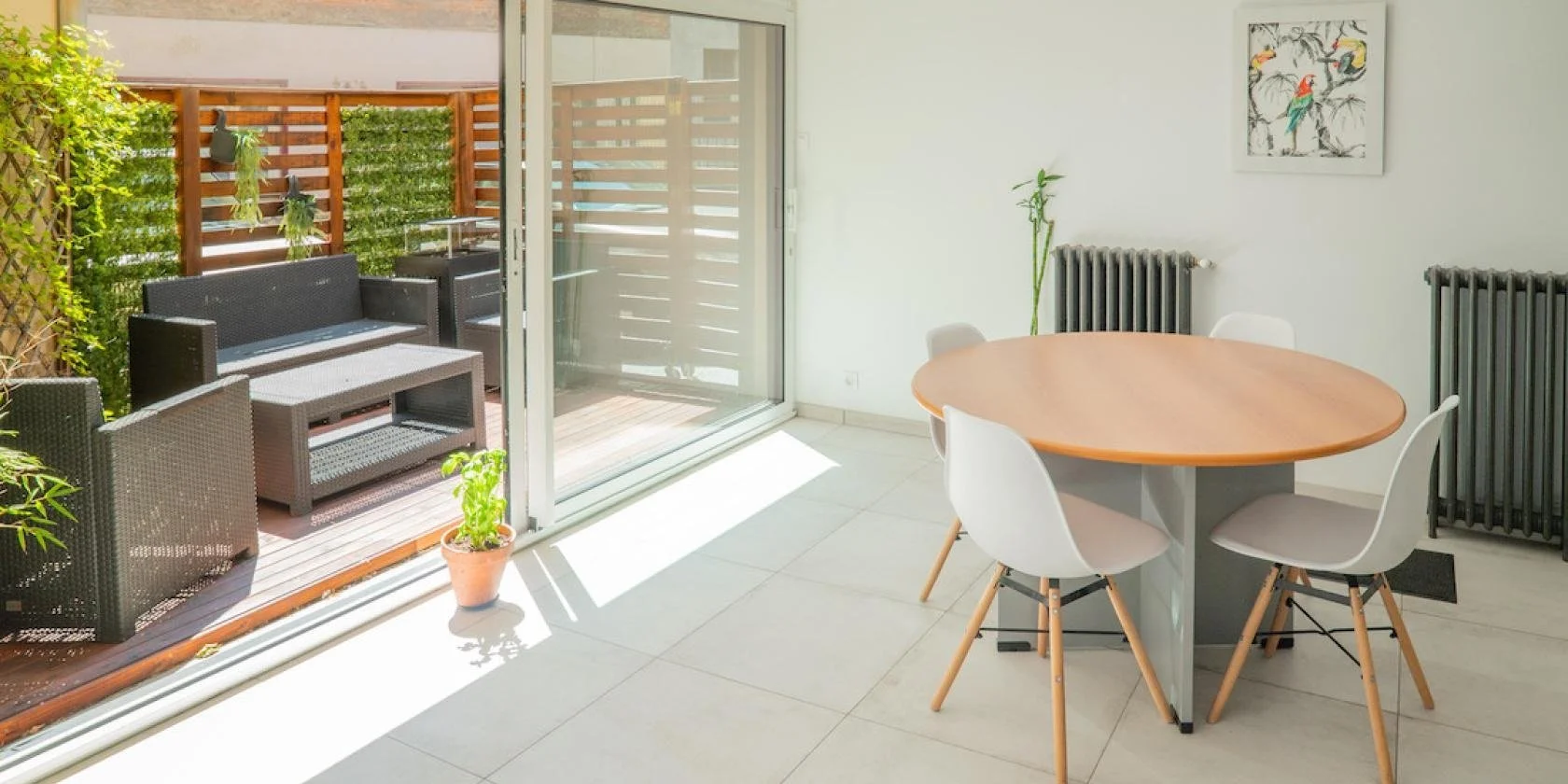
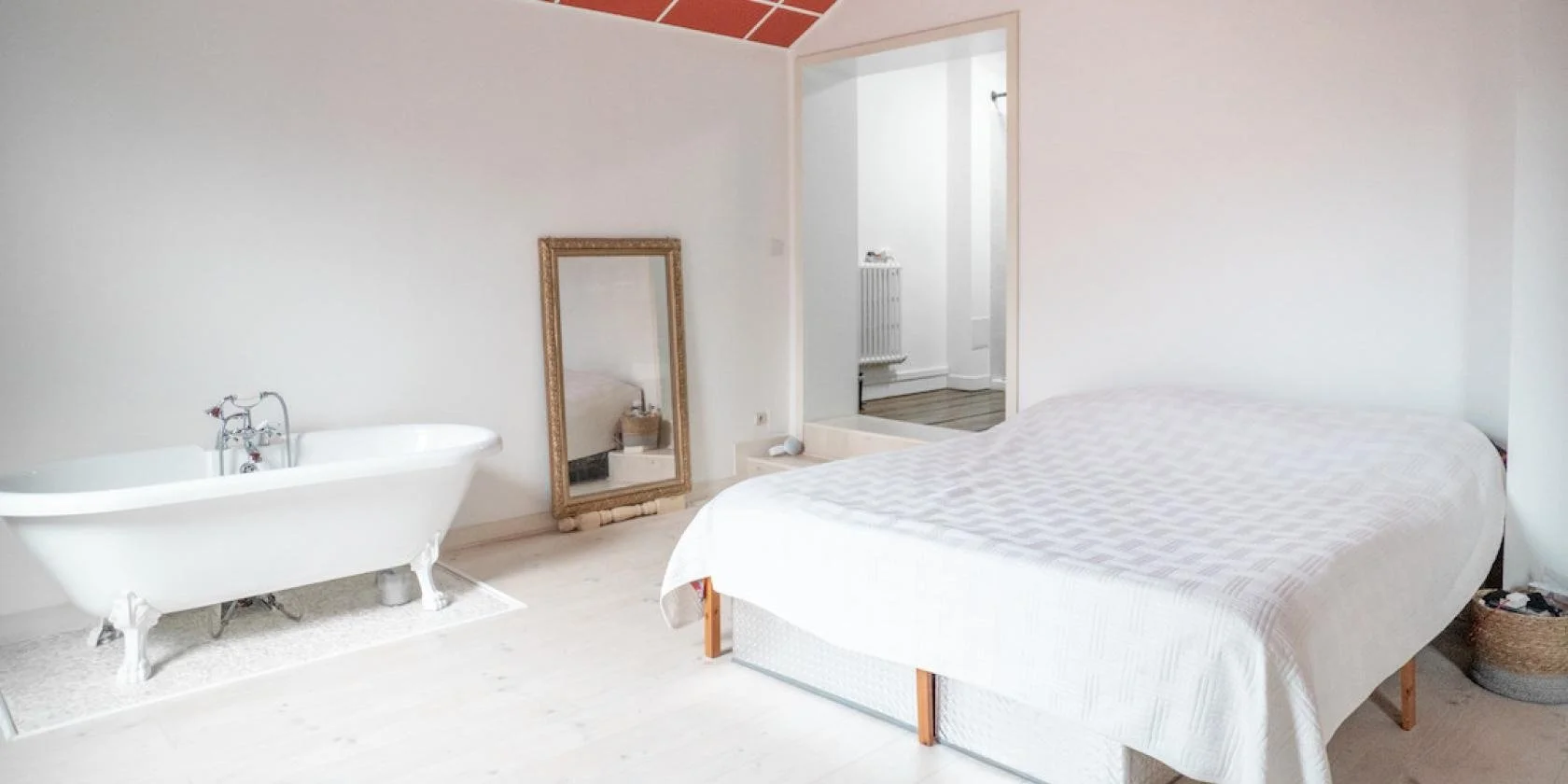
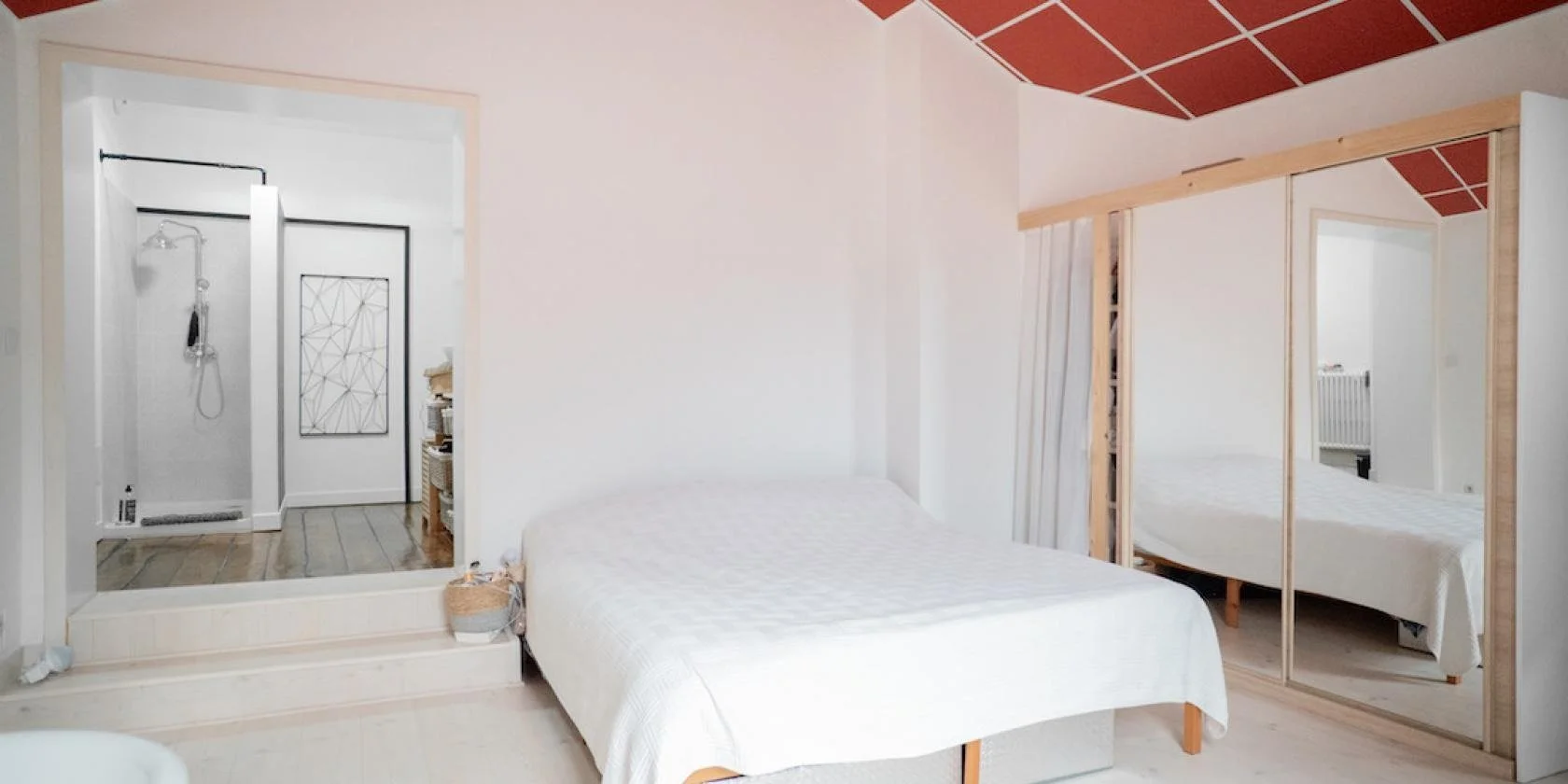
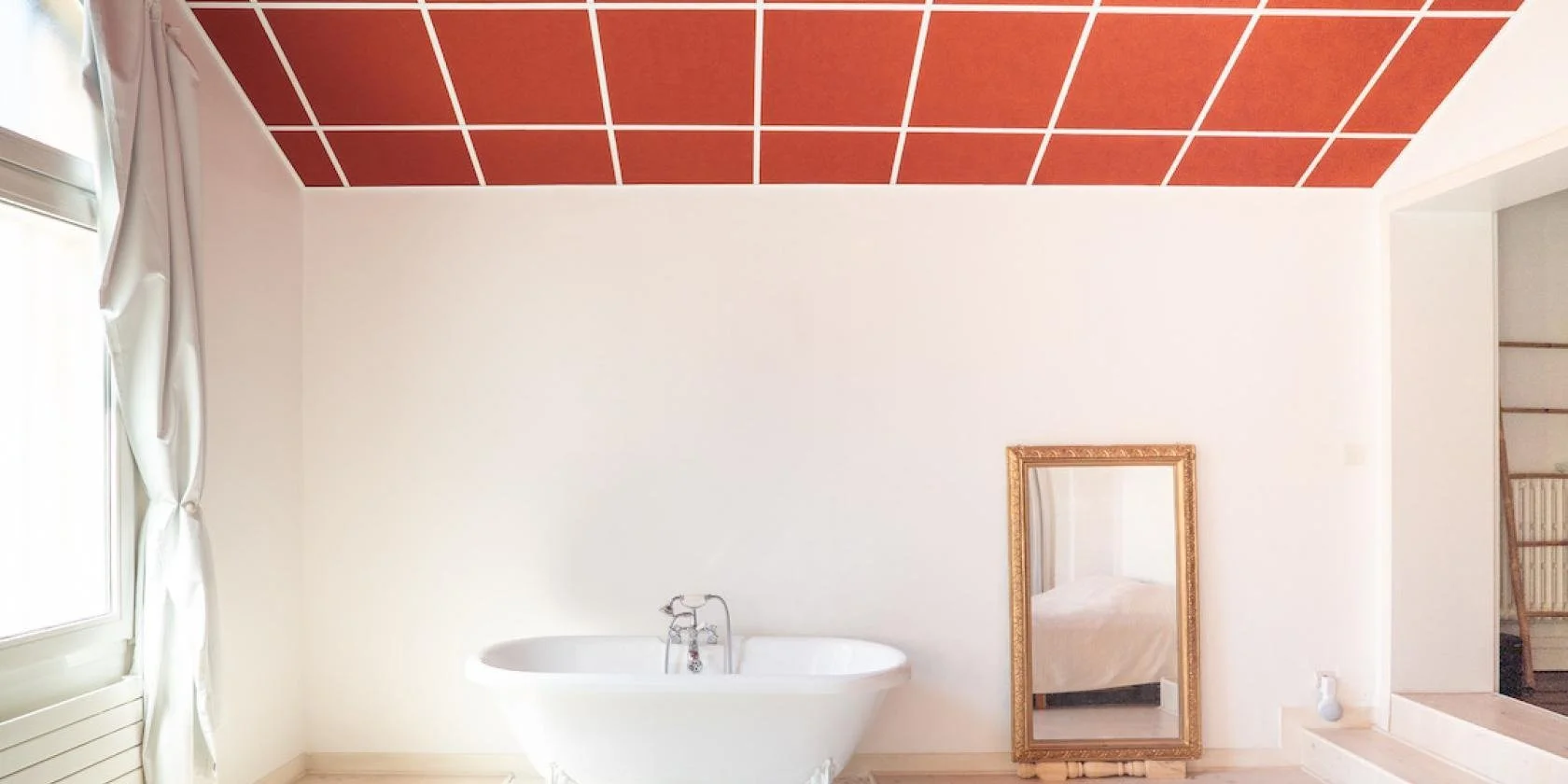
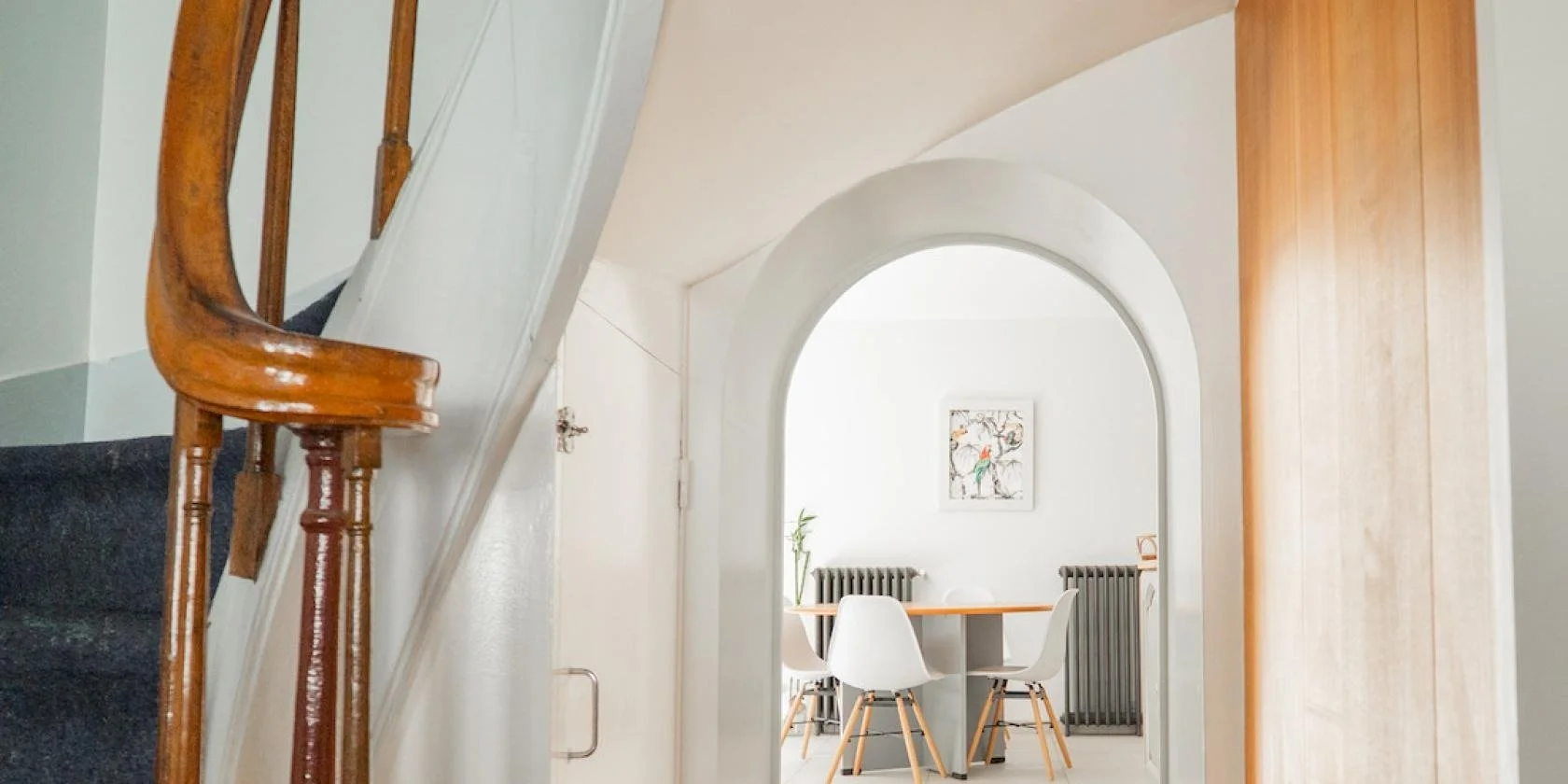
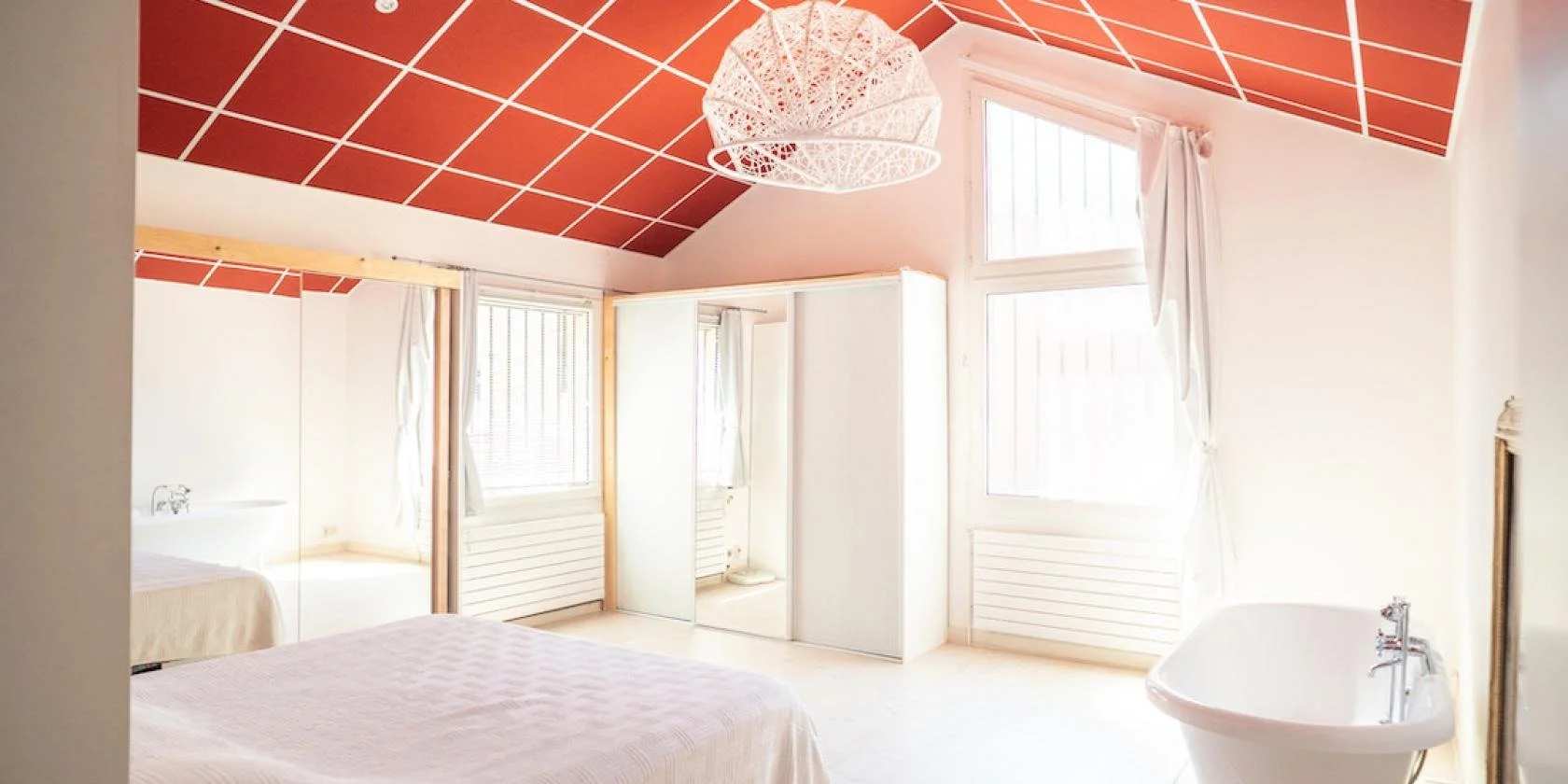
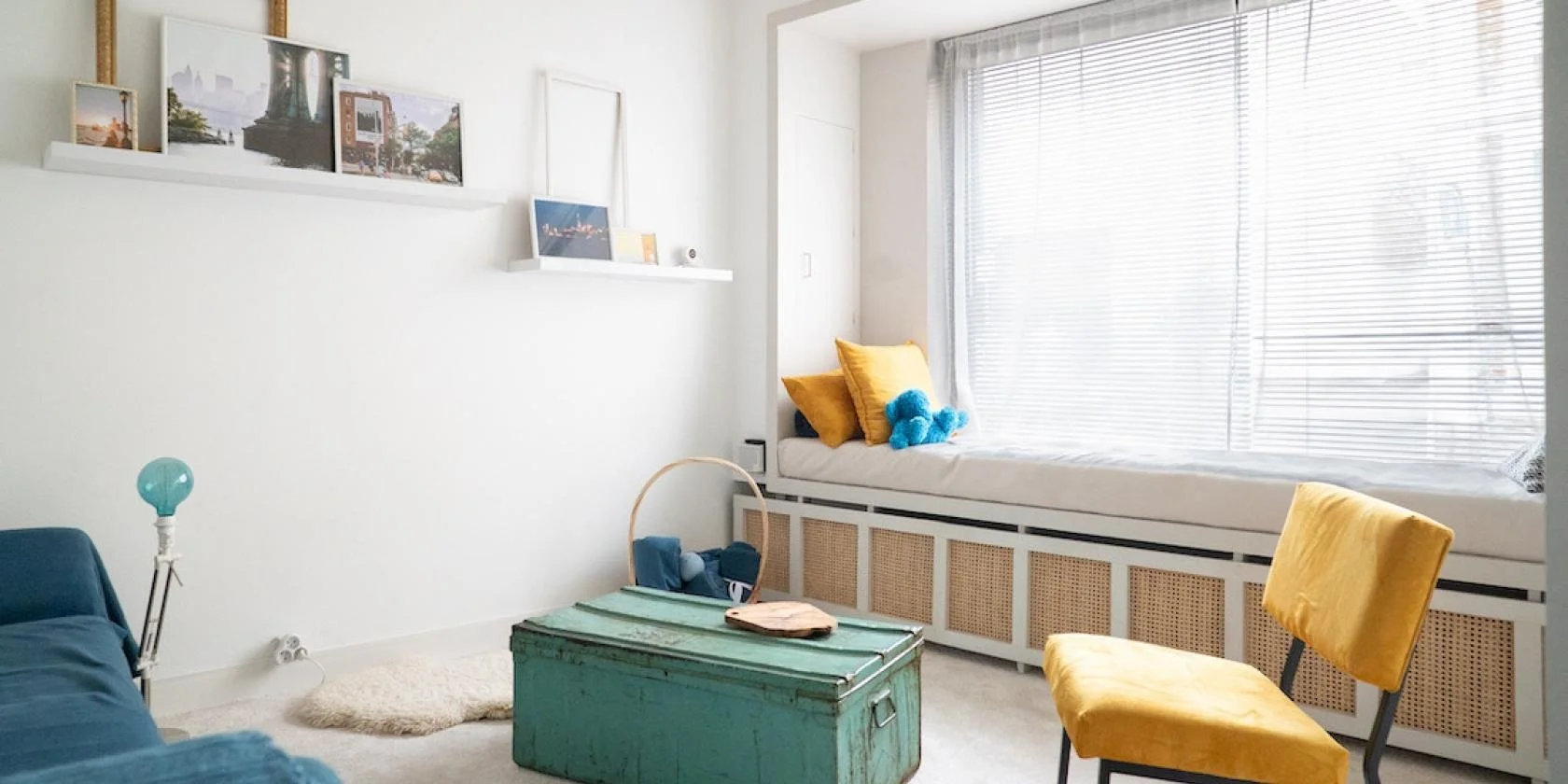
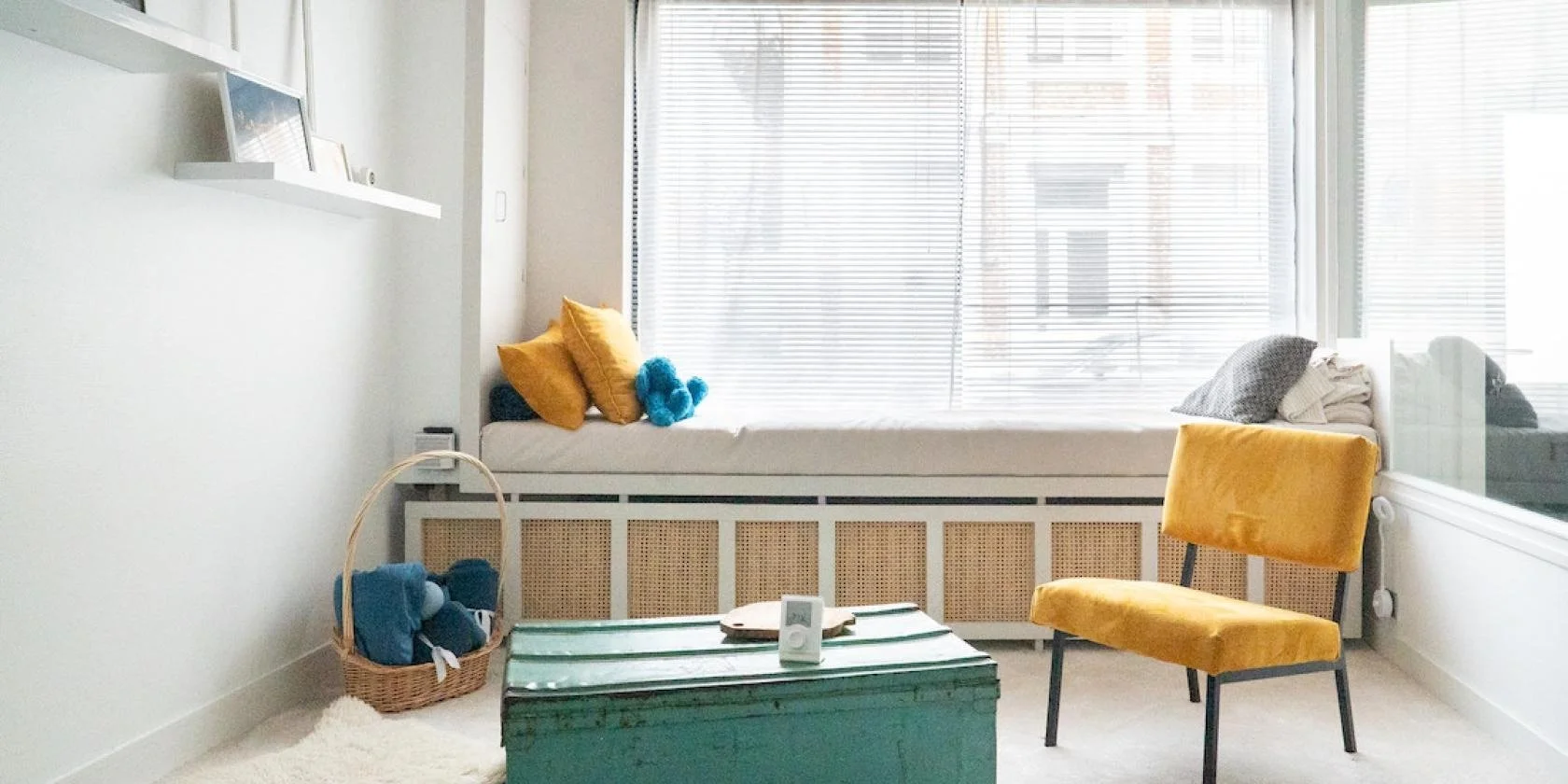
Bright ground-floor living room, fitted kitchen, first-floor master suite with shower and bathtub, second bedroom on first floor, third bedroom with en-suite bathroom, fourth bedroom on top floor
Outdoor and parking features
Private terrace, garage, and two dedicated parking spaces
Positioning in the listing
Formerly an architect's studio, renovated, suited to a Normandy base, creative retreat, seasonal rental income, or Paris-linked lifestyle
Access note from the listing
About 10 minutes by car to the station for direct services to Paris Saint-Lazare, around 30 minutes to Étretat, and close to local town-centre amenities
Risk Radar
Overview
This is the kind of listing that looks easy to fall for. It offers four bedrooms, three bathrooms, a private terrace, garage, parking, and a renovation story that sounds stylish rather than speculative. The price point is also attractive relative to the space offered. The main due diligence issue is not whether the property is appealing. It is whether the renovation has been documented properly, whether the current four-level layout is legally and technically coherent, and whether the terrace, garage and parking are exactly what a buyer would assume from the wording of the listing.
The phrase "architect-tweaked" does useful marketing work, but from a buyer's point of view it creates a documentary homework list. You want to know when the works happened, whether they were structural or merely cosmetic, whether any opening-up, bathroom creation, heating works, roof interventions or window replacements were carried out, and whether the file includes invoices, guarantees and any completion paperwork. In France, the sale file should also be anchored by the DDT diagnostics, which are there to inform the buyer about energy, risks, electrical and gas conditions, asbestos, lead, and other matters depending on the age and nature of the property.
The terrace is another key value driver that deserves close attention. A terrace in a townhouse setting can be straightforward, but it can also carry hidden issues around exclusive use, waterproofing, drainage, overlooking, or shared structural responsibilities if the property sits within a copropriété or shares building elements with neighbouring lots. The same logic applies to the garage and two parking spaces. Their real value depends on whether they are deeded, easy to use, and unquestionably included in the title and cadastral description.
The rental angle is plausible but should be treated as a bonus until verified. France distinguishes between simple declaration and registration procedures for meublés de tourisme depending on the commune's rules, and in some places change-of-use issues also matter. The Le Havre Seine Métropole area already operates online declaration infrastructure for meublés de tourisme, which is helpful, but this does not remove the need to verify what applies to this exact property and whether a copropriété, if one exists, places any restrictions on tourist use.
Targeted Questions
Title, Layout and Legal Description
The title and cadastral documents are the starting point for confirming exactly what is being sold.
Parking and garage value only counts if they are unambiguously included in the legal title.
A "private terrace" in marketing language is not always the same as exclusive title in legal reality.
This changes the risk profile, the documentation required, and the future constraints on works and rentals.
These documents show what is private, what is common, and whether any restrictions affect use.
These issues can survive into the next ownership if not properly resolved.
A four-level townhouse can feel generous in photos but still have space that is less usable than expected.
Top-floor rooms sometimes have low-height or comfort limitations that affect value and letting.
Renovation Scope and Documentary Trail
Timing helps assess remaining lifespan of systems, finishes and possible guarantees.
Buyers need to separate a cosmetic refresh from a meaningful technical upgrade.
"Architect-tweaked" suggests a design-led intervention, but buyers need to know whether that also meant technical oversight.
Layout-changing works are more likely to require declarations and supporting paperwork.
Invoices help prove scope, timing and professionalism of the works.
These can materially reduce near-term risk after completion.
Buyers need to know that visible changes were regularised where required.
Completion paperwork helps confirm the works were closed out properly.
External and ancillary works are often the least clearly documented.
Undocumented works can become the buyer's problem later.
Condition, Structure and Building Fabric
A four-level townhouse can carry major roof liability if deferred maintenance exists.
Garret rooms often reveal roof weakness first.
A renovated interior does not necessarily answer structural questions.
Townhouses can share structural vulnerabilities with neighbours.
Moisture is one of the most common value-killers in older French housing stock.
Past treatment can be reassuring, or it can signal a recurring problem.
External maintenance costs can sit just outside the buyer's immediate attention.
Older townhouses can hide bounce, deflection or uneven wear.
Terrace leaks can cause costly hidden damage below.
Water management problems often show up first on terraces and upper levels.
Heating, Energy and Comfort
The listing highlights style and access, but year-round comfort depends on the heating setup.
This helps buyers assess true seasonal comfort and future upgrade needs.
The full DPE gives more decision-useful information than the headline letter alone. France requires the seller to provide diagnostics for a sale, including the energy diagnosis where applicable.
Real operating costs are often more revealing than modelled estimates.
Windows have a major effect on comfort, energy performance and noise.
A D rating is decent, but the path to better comfort often depends on what has already been done.
Hot-water systems can be a quiet but immediate replacement cost.
DDT Diagnostics and Compliance
For a sale in France, the DDT should be annexed to the preliminary contract or the final deed if there is no preliminary contract.
This is a core health and renovation-risk check in older properties.
Lead risk can matter both for occupation and future works.
These diagnostics help identify hidden safety and upgrade costs.
Risk exposure can affect insurance, future resale and buyer comfort.
This matters because termite obligations in France are zone-based, not assumed universally.
This gives buyers a short list of likely post-purchase tasks.
Terrace, Garage and Parking
Practical use matters more than the mere presence of outdoor space.
This affects how often the space will actually be used.
Exclusive use should be confirmed rather than assumed.
This question is critical if the property sits within any shared-building structure.
Garage convenience affects its real utility and value.
This affects storage, workshop use and practical convenience.
Parking can be advertised confidently but held weakly in legal terms.
Convenience and security can vary significantly.
A garage that only fits a very small car is less valuable than it sounds.
Neighbourhood, Access and Daily Use
The feel of a townhouse location can shift a lot depending on neighbouring use.
A visually attractive house can still disappoint on day-to-day liveability.
Town-centre charm can sometimes come with access friction.
This affects the usefulness of the private parking arrangements.
Thick walls and multi-level layouts can create dead spots.
This matters for home working and for guest expectations if rented.
Nearby change can affect noise, convenience and value.
Practical convenience can be a bigger value driver than coastal proximity alone.
The likely station is Bréauté-Beuzeville, and current SNCF timetable information shows Paris-Bréauté journeys averaging about 1 hour 59 minutes, with the quickest around 1 hour 49 minutes, but buyers should verify the route they would actually use.
Rental Potential and Use Restrictions
Past operating history is more useful than a generic "rental potential" claim.
This allows a more grounded yield assessment.
Coastal-region appeal does not automatically translate into strong townhouse performance.
French guidance specifically notes that prospective meublé operators should verify whether the copropriété rules prohibit tourist use.
In France, the applicable process depends on the commune's rules.
Le Havre Seine Métropole already operates a declaration platform for meublés de tourisme and says a declaration can be made online, with national registration arrangements still evolving.
French rules can require prior authorisation in certain communes and situations, so this should be verified before underwriting a rental plan.
Seasonality affects income stability and management effort.
Negotiation Intelligence
Buyer Leverage
Medium–High
Key Drivers
Typical Negotiation Range
5-15% below asking
Neutral Phrasing Example
Country Layer
France (Regulatory Context March 2026)
Key French requirements and context for buyers:
Viewing Strategy
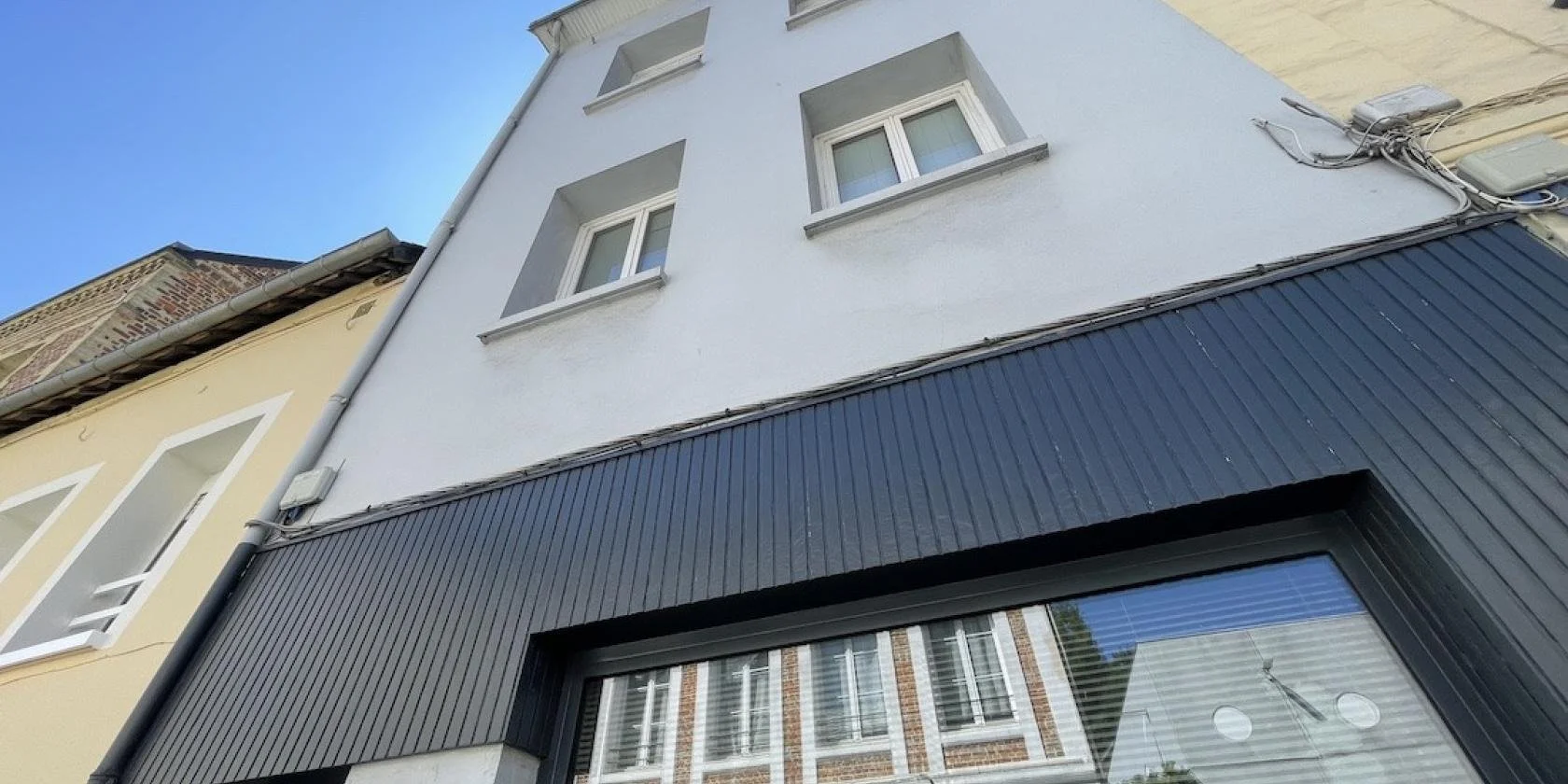
Start outside and work backwards.
Next Step
Verify from the listing:
Renovation paperwork and conformity
Ask for the renovation file, including invoices, any planning declarations, and any available completion documentation, so you can confirm that the architect-led upgrade is documented as well as stylish.
Terrace ownership and waterproofing
Confirm that the terrace is for the exclusive use of this townhouse and clarify who is responsible for waterproofing, drainage and any structural maintenance before assuming it is a simple private outdoor bonus.
Garage and parking title position
Request documentary proof that the garage and both parking spaces are fully included in the title and cadastre, and verify whether they are genuinely practical for everyday vehicle use.
Full diagnostics dossier
Obtain the complete DDT, including the full DPE and all other applicable diagnostics, because this will reveal the clearest early picture of energy performance, safety issues and hidden condition risks.
Copropriété and rental-use restrictions
If the townhouse forms part of a copropriété, ask for the règlement and recent minutes so you can confirm there are no restrictions affecting terrace use, future works or meublé de tourisme activity.
A prepared buyer should approach the agent calmly and frame questions as due diligence. For example: “To help me assess the property properly and prepare a serious offer, could you share the diagnostics dossier, the renovation paperwork, and the title documents confirming the terrace, garage and both parking spaces?”
Because this is a design-led Normandy townhouse where documentary clarity, energy performance and the legal status of the outside space all materially affect value, run it through the Property Risk Assessment to test the main red flags, or use the Rental Yield Calculator once the local declaration position and any copropriété limits on tourist use have been properly verified.
Disclaimer: The Property Drop is buyer-focused intelligence, zero sales agenda. We curate exceptional properties, in southern Europe, from third-party agents and arm you with decision tools. No commission, no transactions, no agent partnerships, no skin in the game beyond helping you choose wisely. Information stays accurate until it doesn't (properties sell, prices shift, markets move). Everything here is shared for informational purposes only and should not be treated as legal, financial, or investment advice. Images belong to original agents. Read our Terms of Service to learn more.
IMPORTANT REMINDER: When contacting property agents featured on The Property Drop, you are entering into direct communication with third parties. It's recommended that you verify all property details independently, conduct thorough due diligence, engage qualified professionals (solicitors, surveyors, financial advisors), understand your rights and obligations under local property laws, and never send money or make commitments without proper legal protection.
