
The Buyer Playbook: 4-Bed Stone Village House with Roof Terrace and Garage, Roquecor, France, €195,000
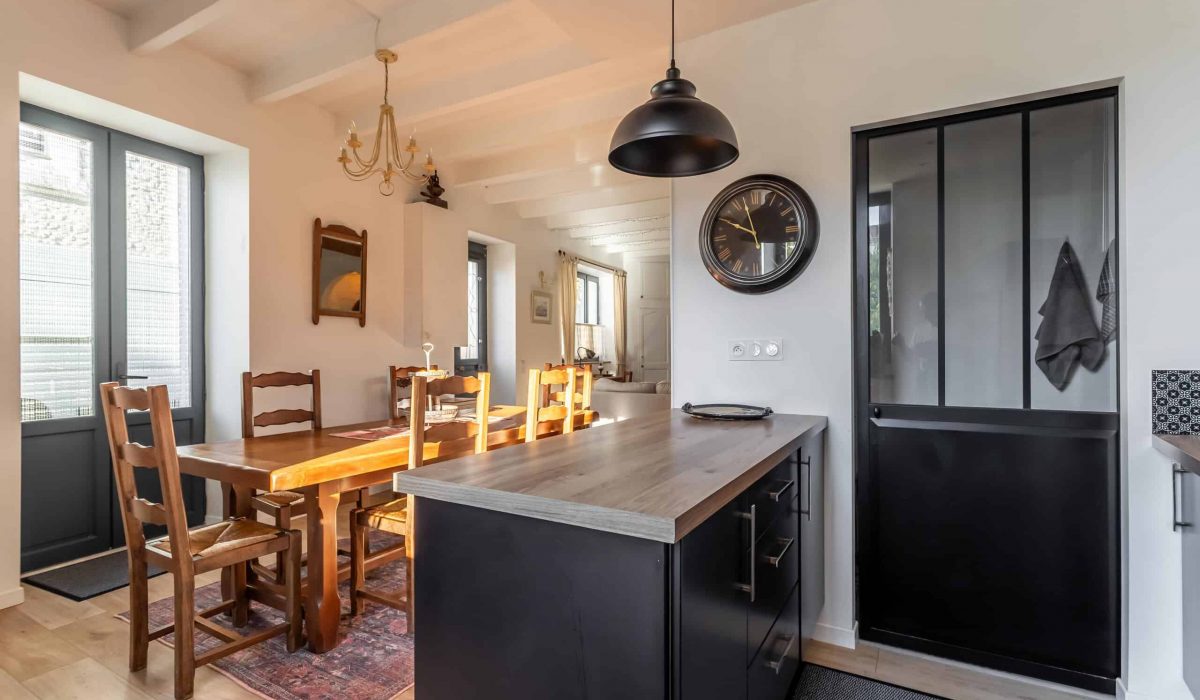
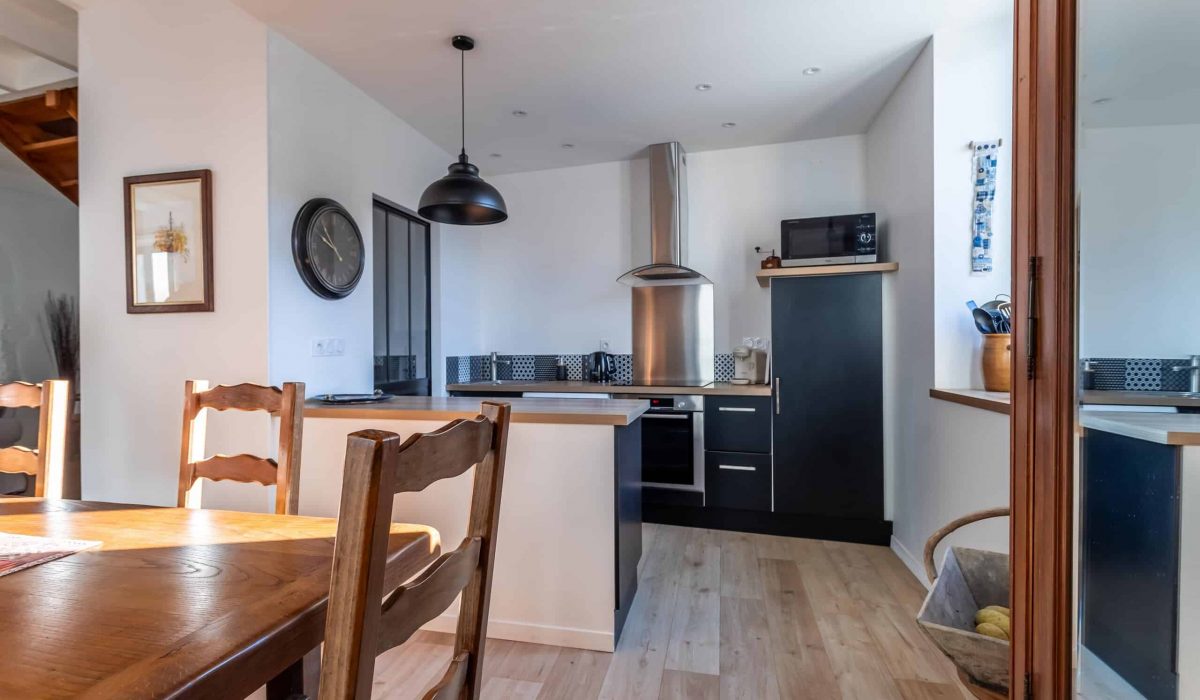
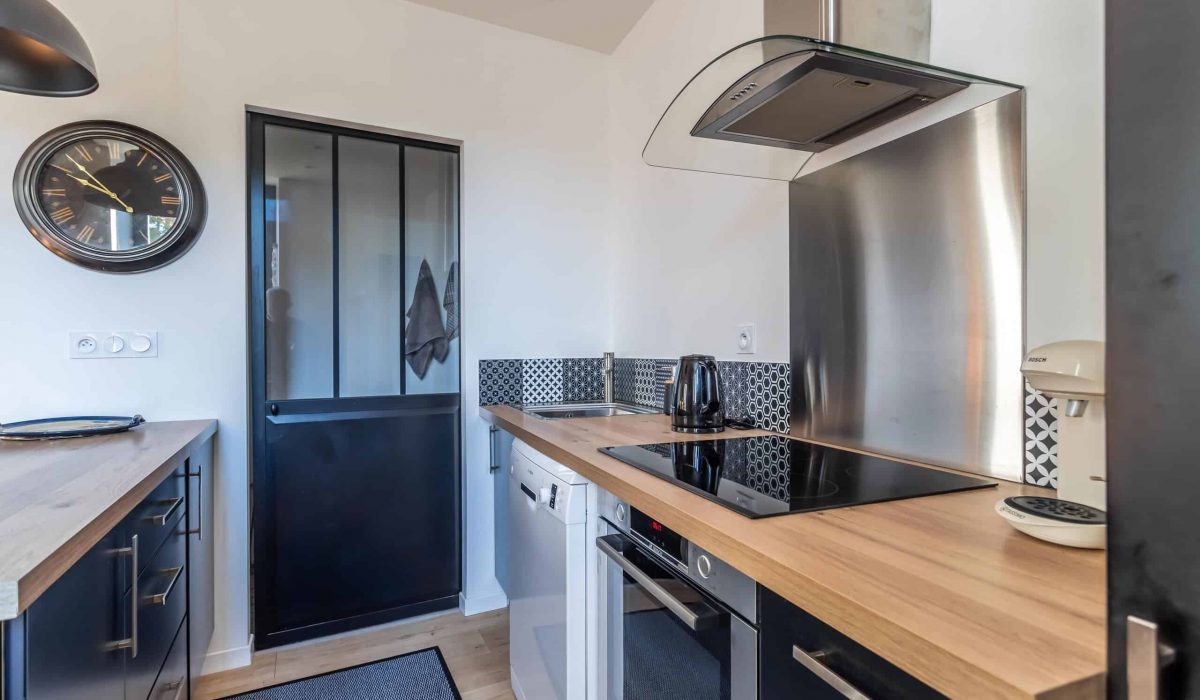
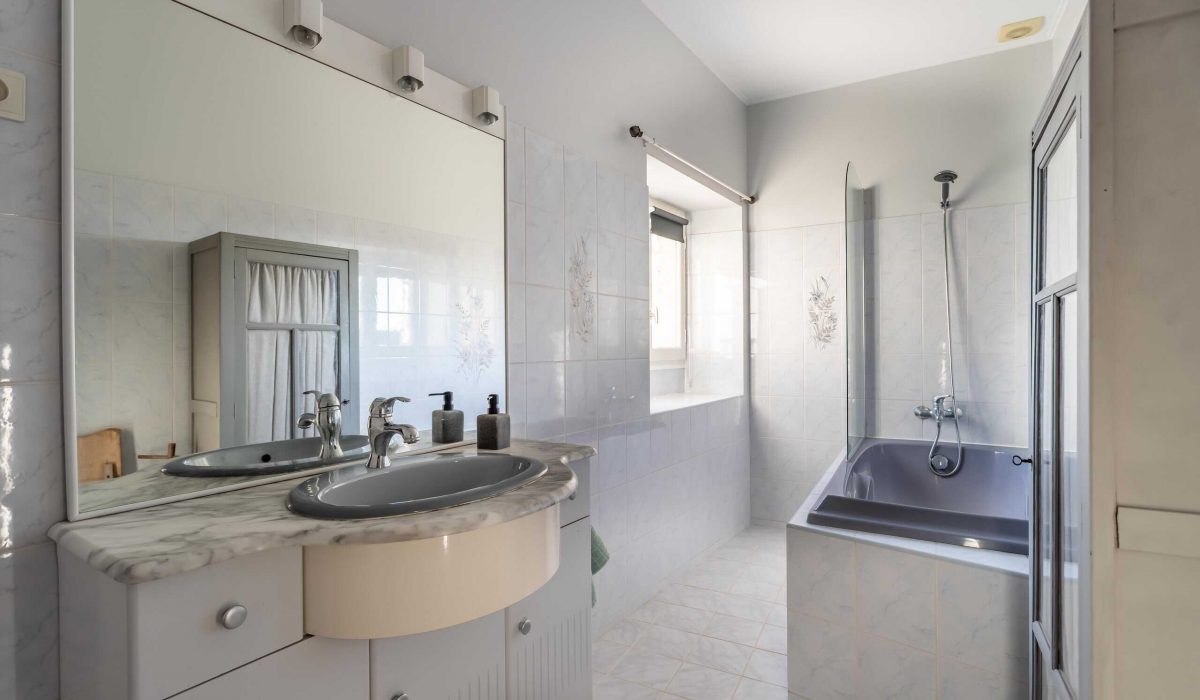
Buyer Playbook
Pre-Viewing Intelligence Report
This independent buyer guidance report relates to this specific property located in France. It is provided for informational purposes only and does not constitute legal, tax, structural or survey advice. Title boundaries, living area, renovation permissions, roof terrace status, garage status, drainage, energy performance, rental compliance, and any shared-building responsibilities must always be verified with qualified French professionals such as a notaire, architecte, maître d'œuvre, diagnostiqueur, surveyor or avocat, and with the relevant mairie and other competent authorities. This report is designed to help a buyer evaluate the property before arranging a viewing or making an offer. It highlights due diligence issues and targeted questions to ask the estate agent. The analysis is based on the listing details and publicly available regulatory context at the time of writing, including current French rules on the DDT, DPE, energy-audit requirements for F-rated homes, terrace and protected-area works, and tourist-rental registration.
Playbook Contents
Property Snapshot
Location
Roquecor, Tarn-et-Garonne, Occitanie, France
Property type
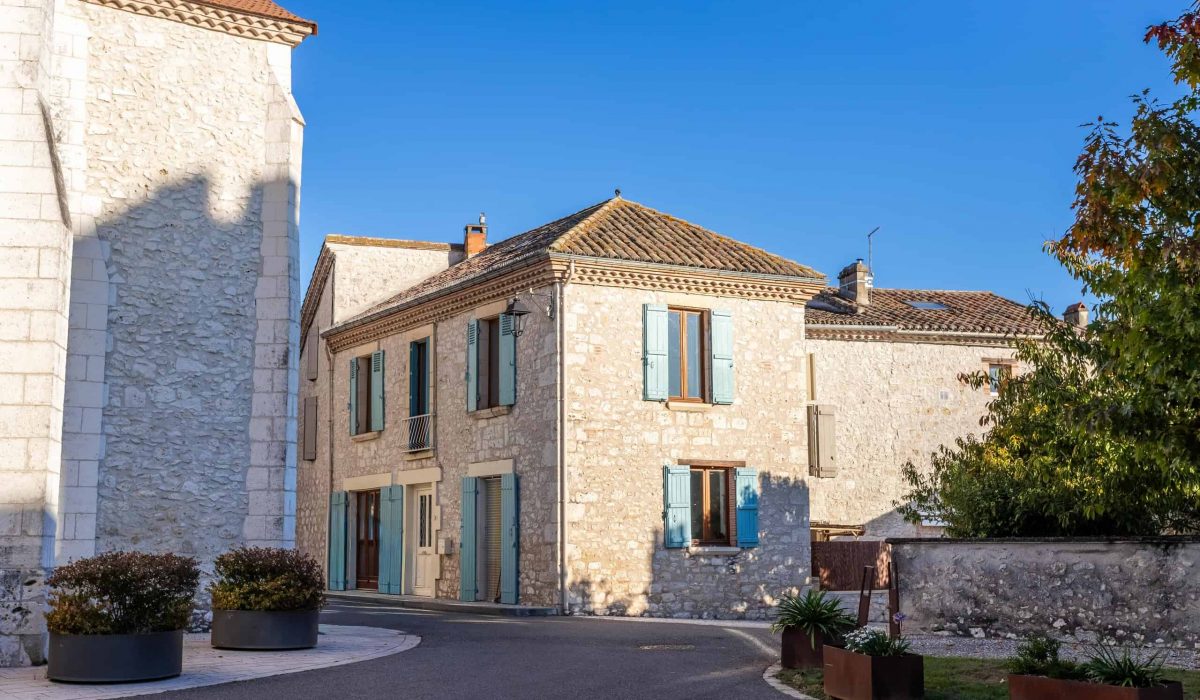
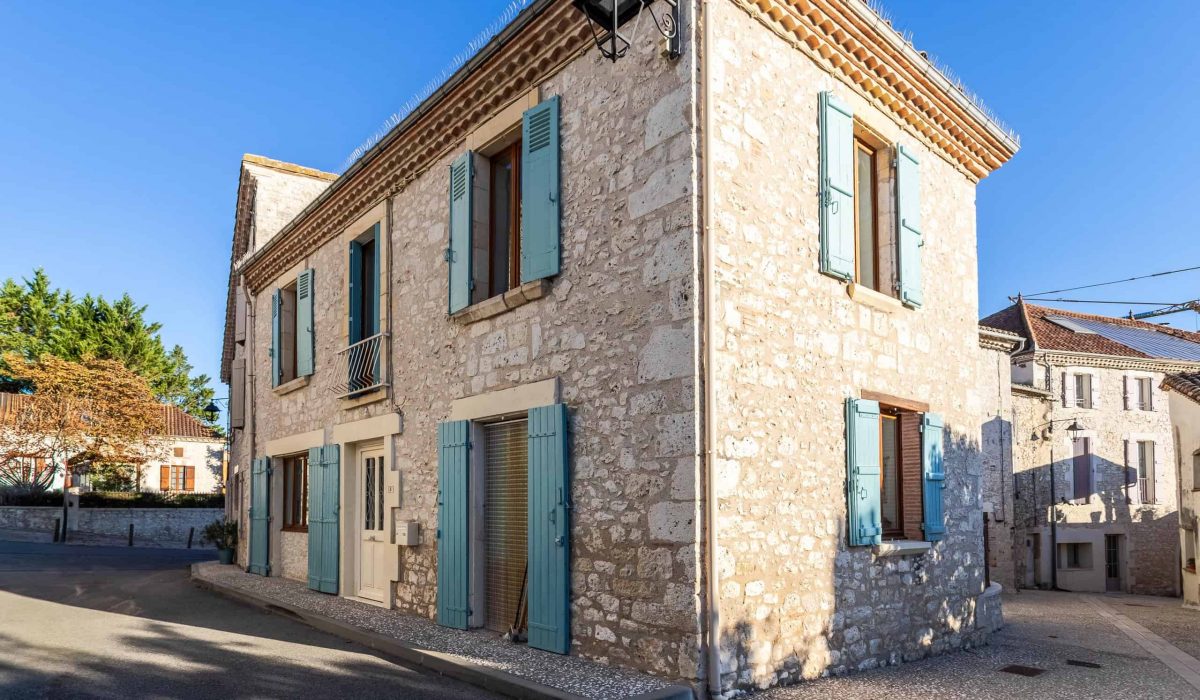
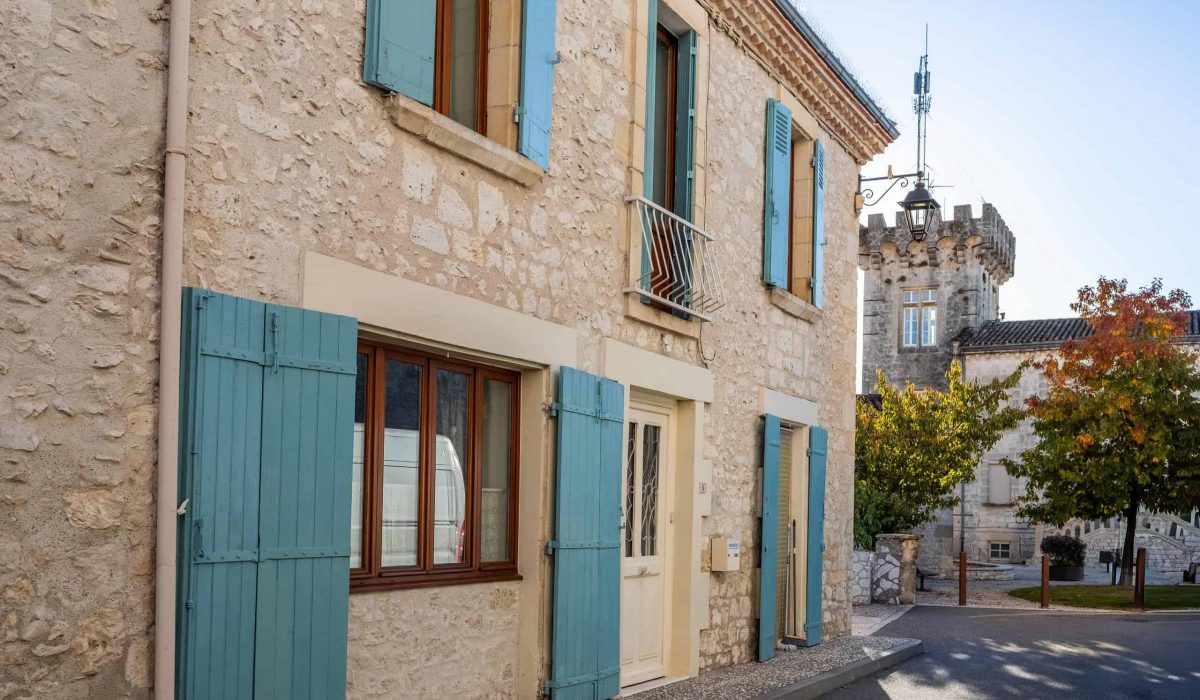
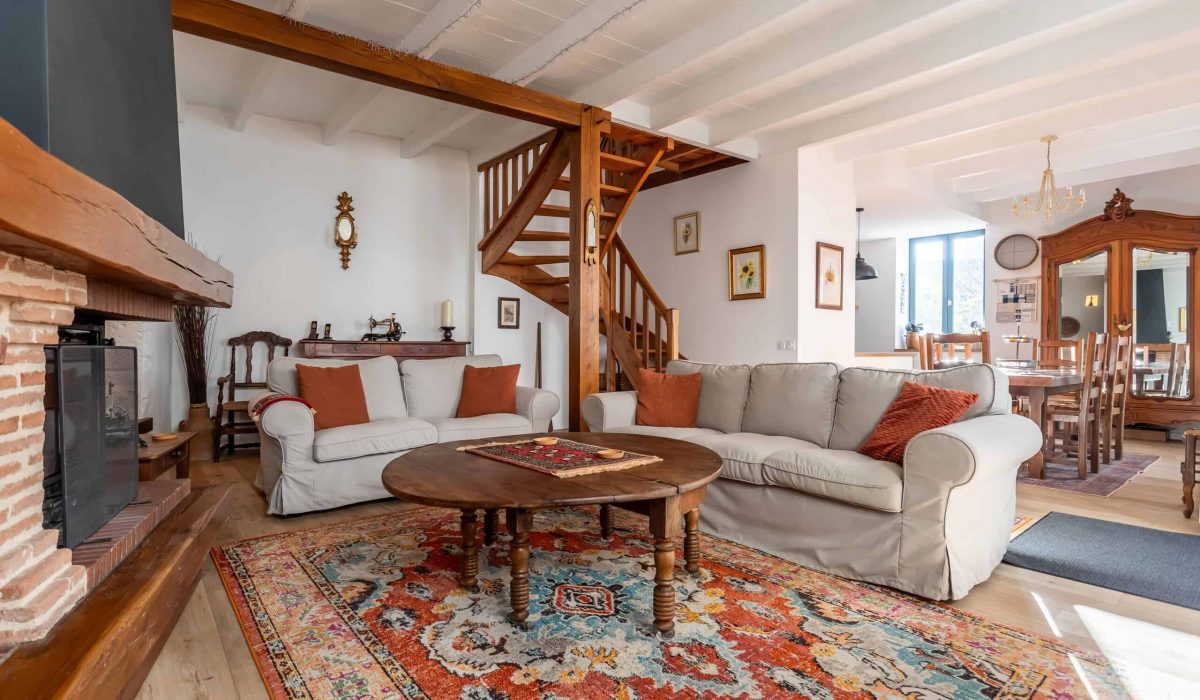
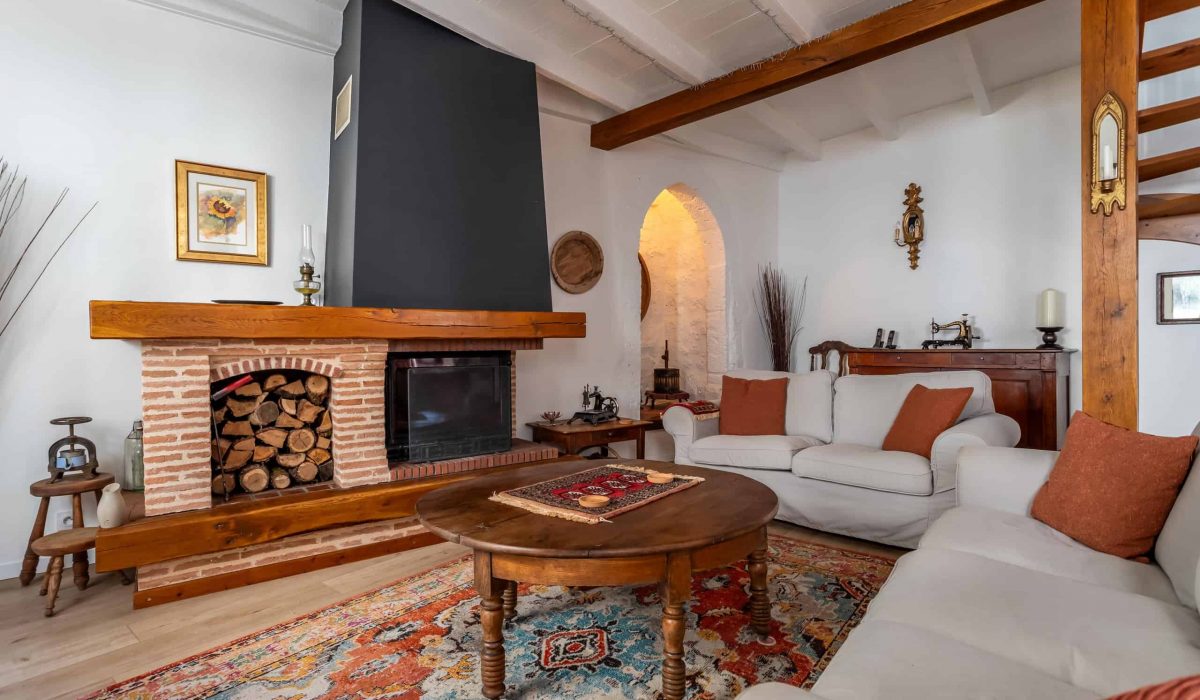
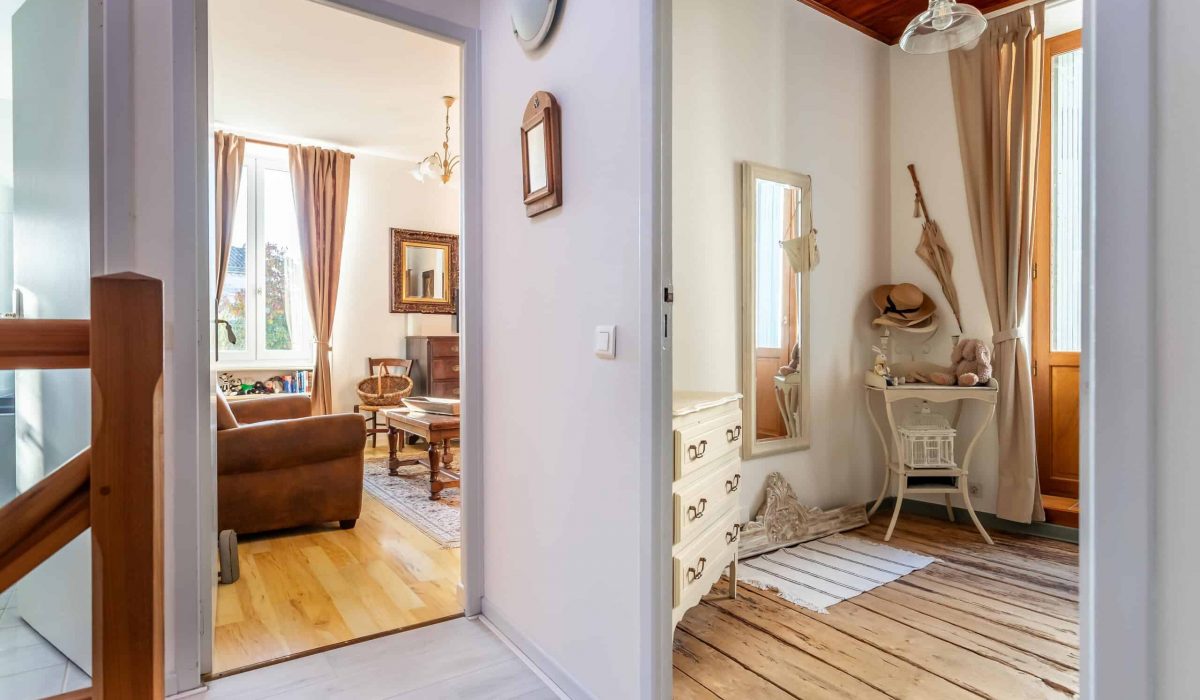
Restored stone village house
Bedrooms
4
Living area
Approx. 124 m²
Asking Price
€195,000
Key exterior feature
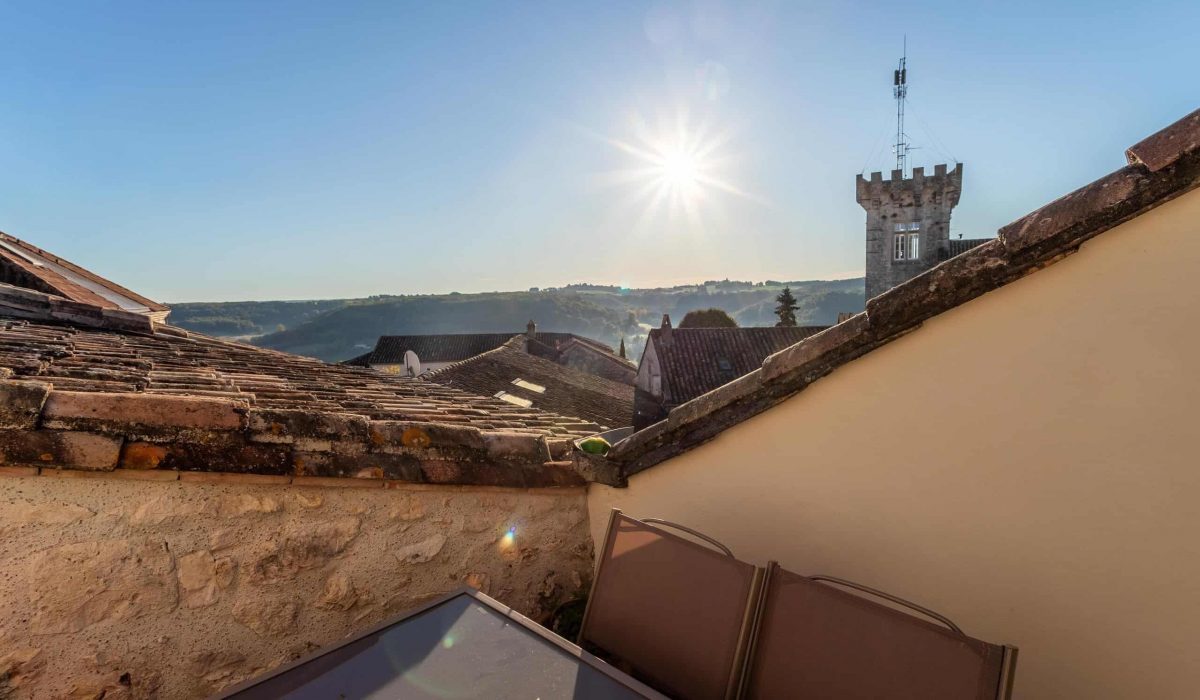
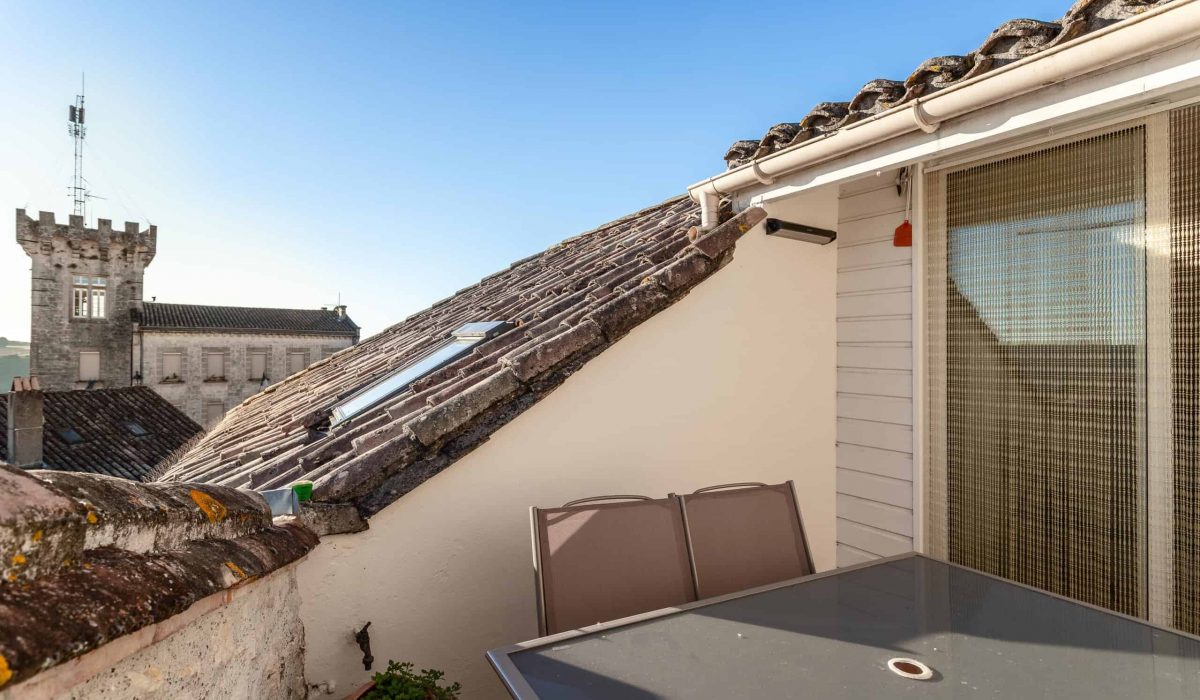
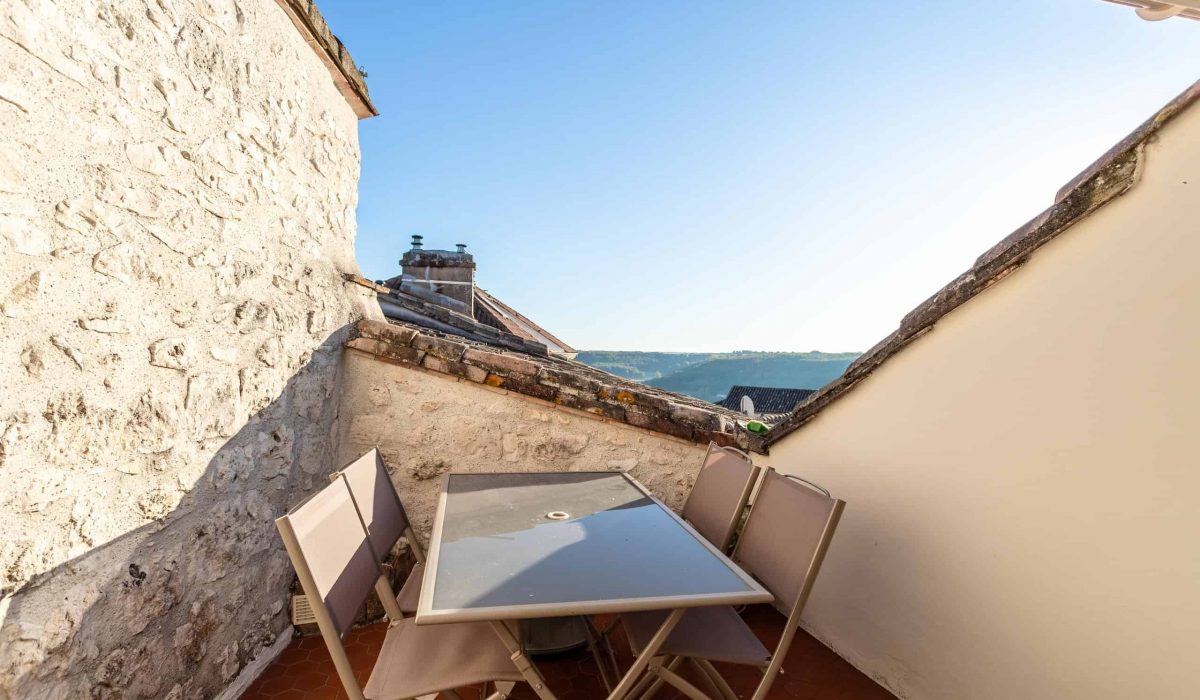
Private roof terrace
Key practical feature
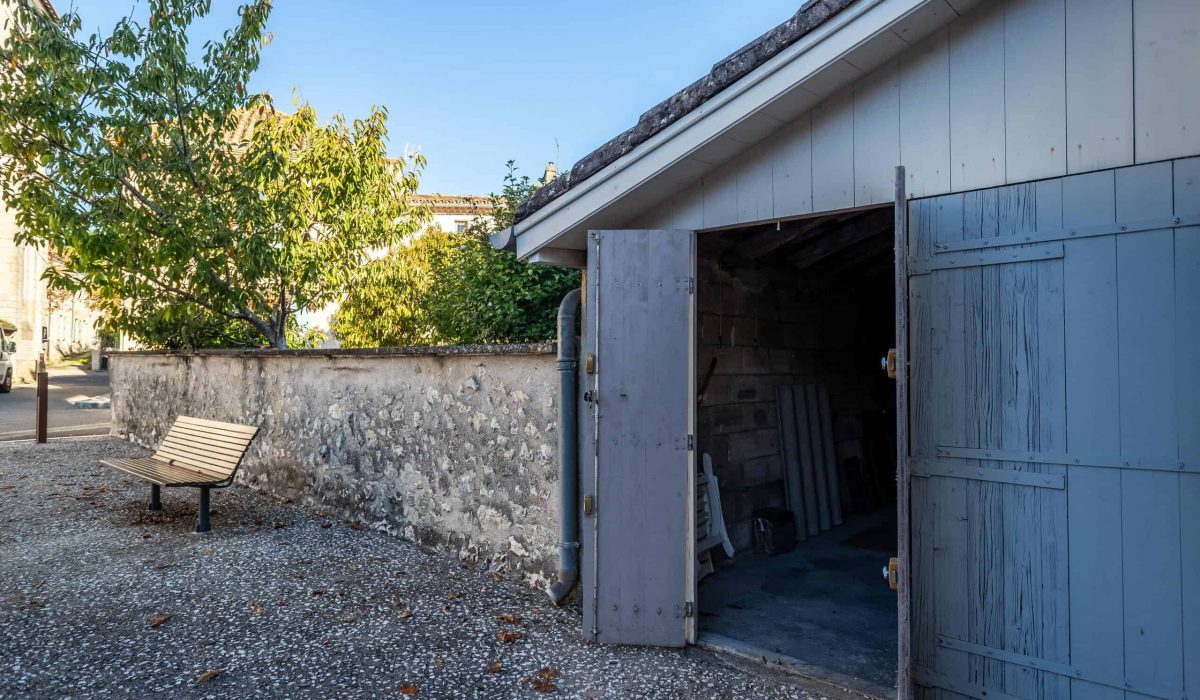
Garage, plus workshop and log store
Character features
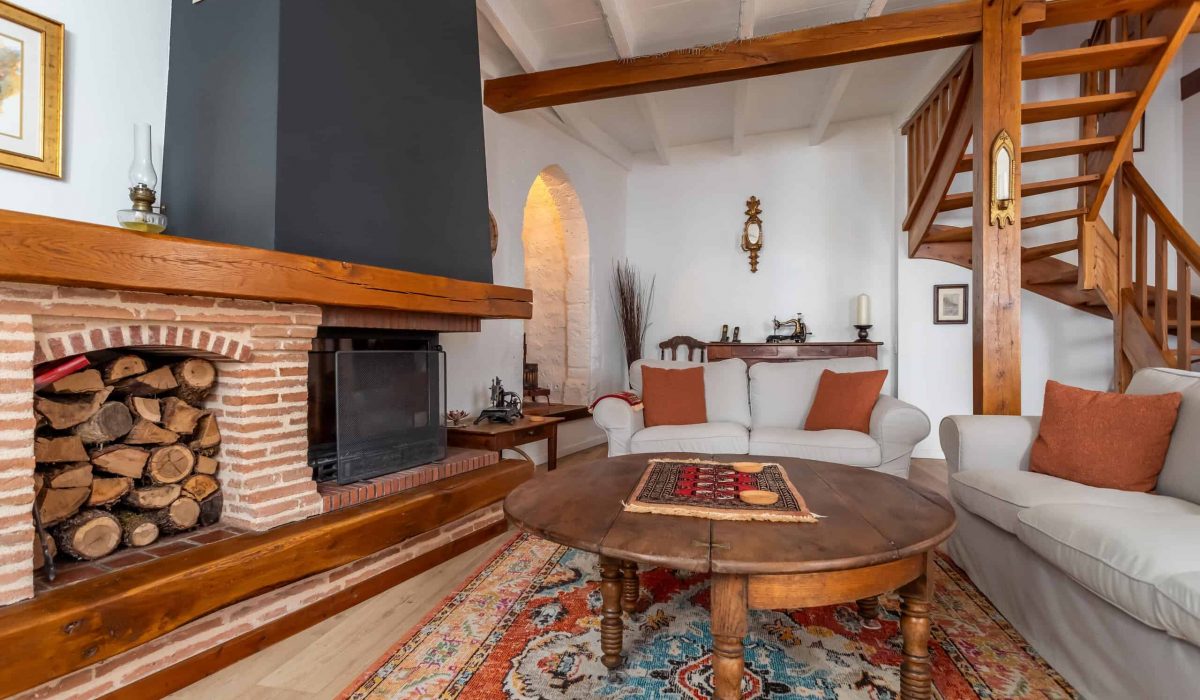
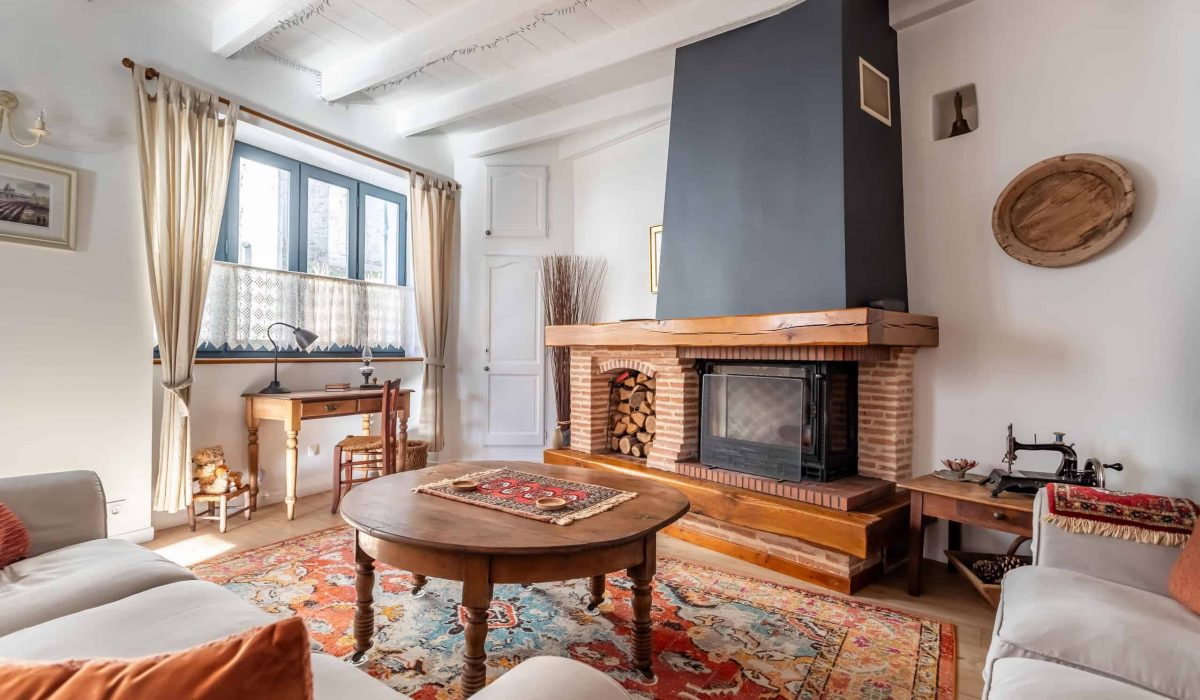
Original stone character and a grand open fireplace
Modern systems noted
Double glazing and a pompe à chaleur
Energy rating
Class F
Village setting
Peaceful lane in a village-centre location
Lifestyle angle
Walkable village life with nearby café, convenience store, art gallery, brocante and Sunday market
Use potential
Main home, lock-up-and-leave village base, or possible holiday rental subject to compliance
Risk Radar
Overview
This is the sort of French village house that wins on charm first and paperwork second. The combination of restored stone character, four bedrooms, a private roof terrace, and a garage in a village centre is commercially attractive. The garage alone is a notable practical advantage in a location where parking and delivery access can otherwise become tedious very quickly.
The main due-diligence issue is that the listing combines the language of restoration and modern comfort with an Energy Class F result. That mismatch does not automatically make the property a bad buy, but it does mean the buyer should ask harder questions than usual. If there is a heat pump and double glazing, then either the building envelope remains weak, the DPE assumptions are dragging the rating down, or some systems are less effective than the headline suggests. In a French sale, the full DPE should sit within the DDT, and an F-rated house sale can also trigger an obligation to provide an energy audit.
The second major theme is the roof terrace. It is a premium lifestyle feature, but in an older village house it can also be one of the fastest routes to future expense. A terrace above habitable space raises immediate questions about title inclusion, waterproofing history, falls, drainage, access, neighbour impact and any planning consents linked to its creation or alteration.
The third theme is renovation quality and legal conformity. "Beautifully restored" can cover anything from an excellent full technical overhaul to a mainly cosmetic refresh. Because the house has older stone fabric, a roof terrace, a garage, double glazing and a heat pump, the buyer should want to see permits, invoices, completion paperwork and any surviving guarantees. The goal is to understand whether the works were both well executed and properly declared.
Finally, the property has sensible home-or-rental flexibility, but the rental case should be handled calmly. France now has tighter meublé de tourisme controls, and from 20 May 2026 all mairies must have an accommodation registration procedure in place. That does not mean this property cannot work as a holiday rental. It means the buyer should verify the local position rather than relying on generic Airbnb optimism.
Targeted Questions
Building Title, Legal Description and Sale Pack
This confirms whether all the headline features are legally included in the sale rather than simply used in practice.
Buyers should not assume marketed floor area and legal reality are identical.
Multi-owner or inherited-title situations can slow completion and complicate negotiation.
Older village properties often carry practical burdens that are not obvious from the photos.
In France, the DDT is central to understanding risk before you go too far into the transaction.
This helps surface environmental or natural-risk disclosures early.
Renovation Permits, Compliance and Documentation
A clear renovation timeline helps distinguish comprehensive work from a lighter cosmetic project.
The buyer needs to know whether the visible works were properly authorised under French planning rules.
Completion and conformity paperwork can reduce doubt about whether the approved works were lawfully finished.
A terrace can be one of the most consent-sensitive elements of an old building.
External appearance changes can require formal approval, especially in sensitive or protected contexts.
Invoices help prove the scope and seriousness of the restoration.
Transferable protection can materially reduce early ownership risk.
This can centralise useful information on energy-related works and building characteristics.
Informal work in older houses can later create legal or insurance complications.
Energy Performance, DPE and Running Costs
The DPE is mandatory in the sale pack and the headline F rating is not enough on its own.
The explanation may sit in poor insulation, thermal bridges, air leakage, hot-water setup or old fabric limitations.
Detached houses and single-owner residential buildings rated F or G generally require an audit in addition to the DPE when sold.
Real bills often give a more grounded picture than modelled performance alone.
Timing matters because an older DPE may not fully reflect recent system upgrades.
The heat pump can only do so much if the envelope remains weak.
A buyer may accept an F rating more comfortably if there is a realistic upgrade path.
This tests whether the seller understands the real energy-performance story or is simply surprised by it.
Heating, Cooling and Building Systems
System type affects comfort, maintenance, running cost and upgrade potential.
A modern system is only a real asset if it has been maintained and sized correctly.
Backup heating often matters in older stone homes.
A large open fireplace can be atmospheric but inefficient or maintenance-heavy.
Partial replacement can leave older hidden components behind finished surfaces.
French sale diagnostics can reveal safety issues the buyer should price in.
A garage with usable services can add value, but undocumented connections can create future hassle.
Roof, Structure and Damp
The main roof is one of the biggest cost drivers in an older village property.
Older stone houses can be robust, but you still want to know whether the building is stable.
Terrace failure can lead to expensive hidden damage below.
Historic leaks often reappear if the root cause was not fully solved.
Stone houses can cope well with moisture, but only if the building is breathing and maintained correctly.
Some damp "solutions" in older walls are more cosmetic than durable.
Timber condition matters, especially in older roofs and floors.
Tarn-et-Garonne has departmental termite risk exposure, so this should be treated as routine due diligence rather than a niche concern.
Roof Terrace, Balcony and External Rights
Exclusive enjoyment should be proved, not assumed.
Terrace dimensions help value it properly, while the rooms below help assess leak risk.
This is one of the most important practical questions for the whole property.
Shared elements can create future cost disputes and reduce privacy.
Past leakage is a strong predictor of the level of care needed now.
Even small exterior features can matter in title, maintenance and planning terms.
Safety matters even more if the buyer is considering holiday letting.
Garage, Access and Practical Use
These spaces can be marketed enthusiastically but may be smaller, more basic or more limited in use than expected.
A garage that is technically present but awkward to use is less valuable in practice.
Separate title treatment can affect resale simplicity.
Ancillary spaces in village centres often carry deferred maintenance.
Rental appeal and everyday convenience both depend on realistic parking.
Drainage, Neighbours and Day-to-Day Living
The answer changes the inspection pathway and possible post-purchase cost exposure.
Non-collective drainage must be inspected on sale and non-compliance can lead to required works.
Drainage conformity can still matter even where there is collective sewer connection.
Village charm can come with noise, seasonal shifts and delivery activity.
A viewing on a calm day can miss recurring noise or access patterns.
Thick walls can weaken signal and affect remote-work use.
Seasonal villages can feel very different in winter from how they feel in August.
Rental Potential and Regulatory Position
Proven use history is more useful than generic local market talk.
Historic income data is far more reliable than an agent's optimistic estimate.
Existing compliance can save time, but it needs to be checked carefully.
France is moving to universal registration procedures from 20 May 2026, so local practice matters more than it used to.
Recent French rules increasingly connect tourist-rental activity and energy-performance compliance, especially for new offerings in regulated contexts.
The best rental strategy depends on the actual demand profile, not just the bedroom count.
Negotiation Intelligence
Buyer Leverage
Medium-High
Key Drivers
Typical Negotiation Range
Subject to diagnostics and documentation review
(subject to diagnostics)
Neutral Phrasing Examples
Country Layer
France (Regulatory Context March 2026)
In France, a seller is expected to provide a Dossier de Diagnostic Technique to the buyer. Depending on the property, that pack can include the DPE, asbestos, lead, gas, electricity, termite diagnosis, and sanitation-related documentation. For an older stone house like this one, the DDT is not a formality. It is one of the most useful early-warning systems in the transaction.
Viewing Strategy
Treat the viewing as four inspections in one: the roof terrace, the energy story, the renovation quality, and the garage.
Next Step
Verify from the listing:
Roof terrace legal and technical status
Confirm that the terrace is included in the title and cadastral documents, for the exclusive use of the property, and backed by clear evidence on waterproofing, drainage and any renovation guarantees.
Energy Class F despite modern upgrades
Request the full DPE, the required energy audit, recent utility bills and a clear explanation of why the house remains F-rated even with a heat pump and double glazing.
Renovation permits and completion paperwork
Ask for the approvals, invoices and conformity documents for the restoration so you can separate a properly documented renovation from a mainly cosmetic one.
Garage inclusion and real usability
Verify that the garage, workshop and log store are legally included, dry, serviceable and genuinely accessible by vehicle, because their practical value is a major part of the appeal.
Drainage and older-stone building condition
Clarify whether the property is on mains drainage or non-collective sanitation, obtain any SPANC or conformity report, and ask directly about damp, leaks and structural maintenance history.
A prepared buyer should approach the agent calmly and frame questions as due diligence.
Because this is a character village house where energy exposure, roof-terrace risk and renovation paperwork all materially affect value, run it through the Property Risk Assessment and the European Property Energy Risk Assessor before contacting the agent.
Disclaimer: The Property Drop is buyer-focused intelligence, zero sales agenda. We curate exceptional properties, in southern Europe, from third-party agents and arm you with decision tools. No commission, no transactions, no agent partnerships, no skin in the game beyond helping you choose wisely. Information stays accurate until it doesn't (properties sell, prices shift, markets move). Everything here is shared for informational purposes only and should not be treated as legal, financial, or investment advice. Images belong to original agents. Read our Terms of Service to learn more.
IMPORTANT REMINDER: When contacting property agents featured on The Property Drop, you are entering into direct communication with third parties. It's recommended that you verify all property details independently, conduct thorough due diligence, engage qualified professionals (solicitors, surveyors, financial advisors), understand your rights and obligations under local property laws, and never send money or make commitments without proper legal protection.
