
The Buyer Playbook: 15th-Century Priory in the Anjou Forest Hamlet, France €470,000
Buyer Playbook
Pre-Viewing Intelligence Report
This independent buyer guidance report relates to this specific property located in France. It is provided for informational purposes only and does not constitute legal, tax, structural or survey advice. Monument historique status, restoration approvals, DPE validity, outbuilding permissions, forest-land boundaries and rights, sanitation, commercial use, title position, and any heritage or land-use restrictions must always be verified with qualified French professionals such as a notaire, avocat, architecte du patrimoine, diagnostiqueur, surveyor or licensed property consultant, and with the relevant municipal and heritage authorities. This report is designed to help buyers evaluate the property before arranging a viewing or making an offer. It highlights due diligence issues and targeted questions to ask the estate agent. The analysis is based on the listing details and publicly available regulatory context at the time of writing.
Playbook Contents
Property Snapshot
Location
Saumur area, Maine-et-Loire, Anjou, Pays de la Loire, France.
Property type
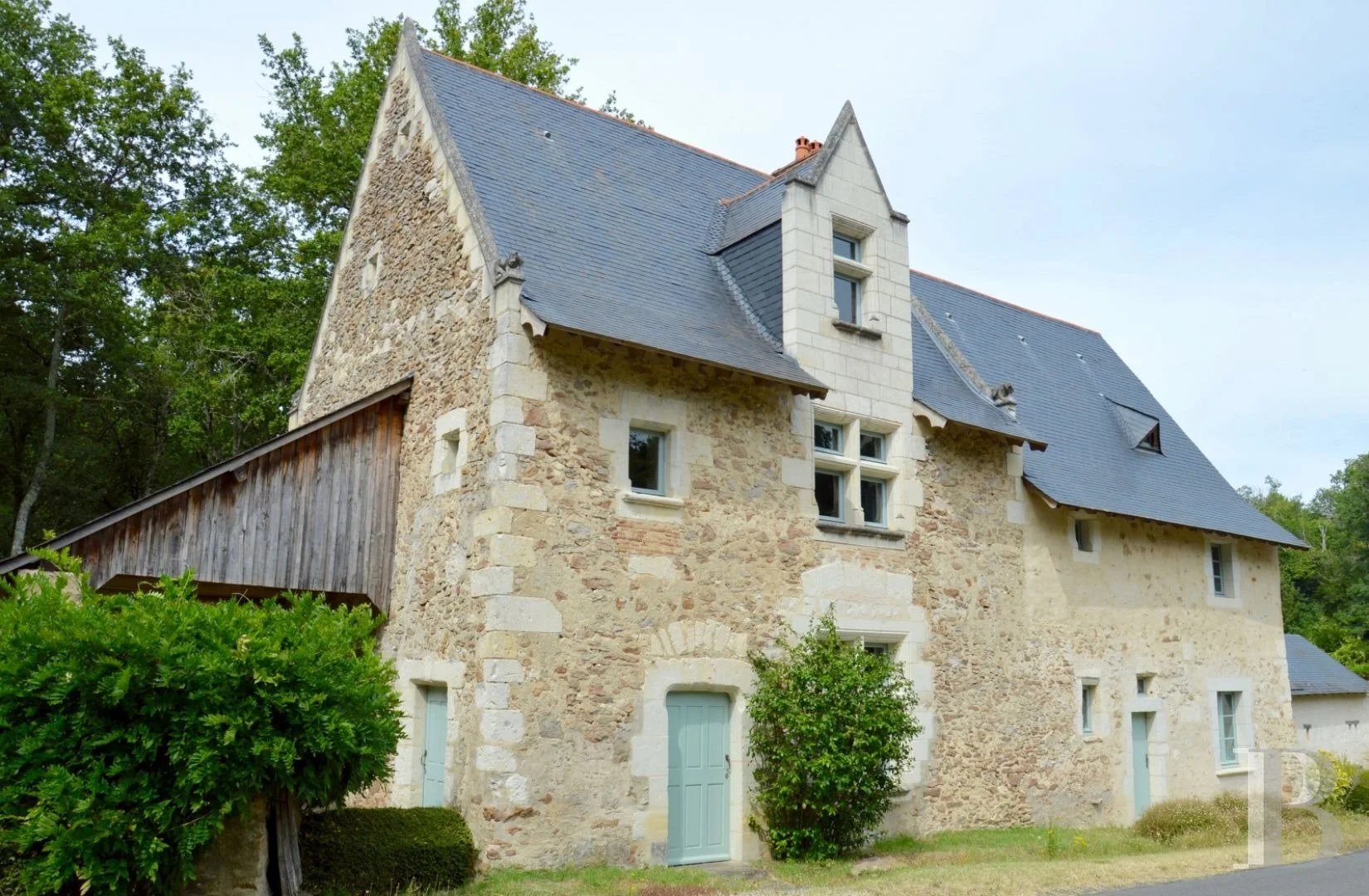
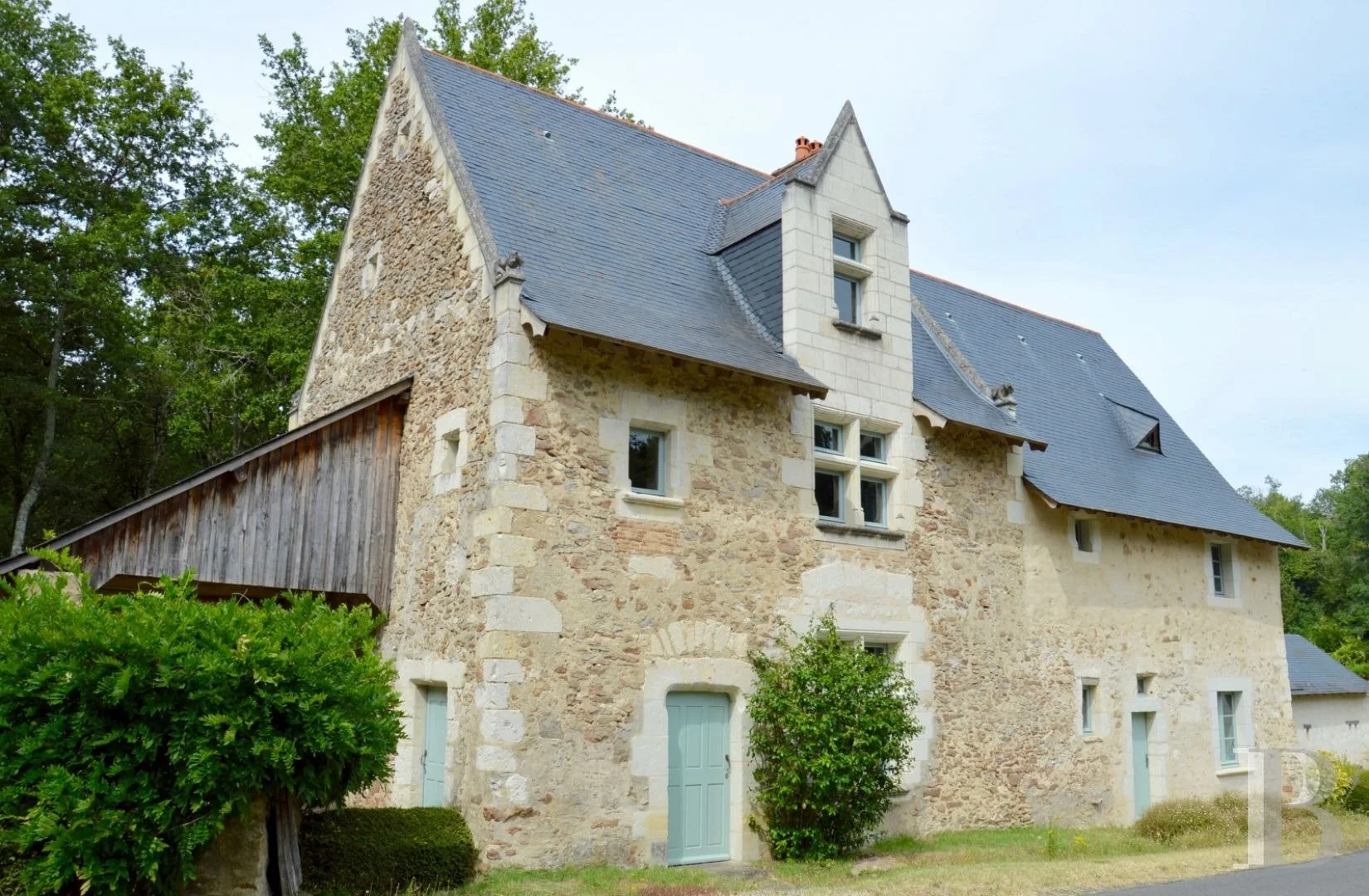
Listed former Benedictine priory dating across the 15th and 17th centuries.
Asking price
€470,000.
Bedrooms
4.
Shower rooms
2.
Living area
250 m².
Land
1,058 m² garden.
Energy rating
Class C.
Layout
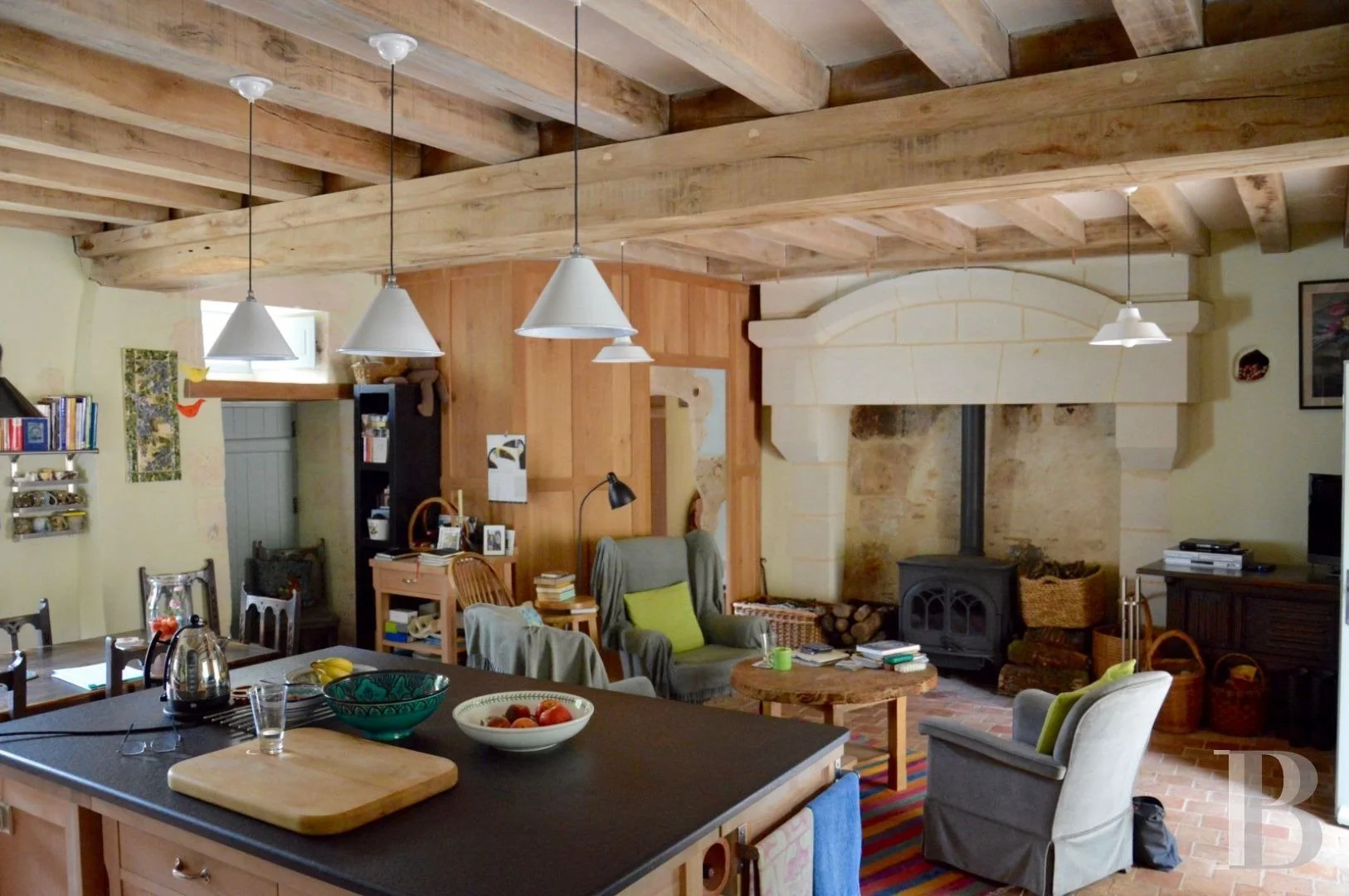
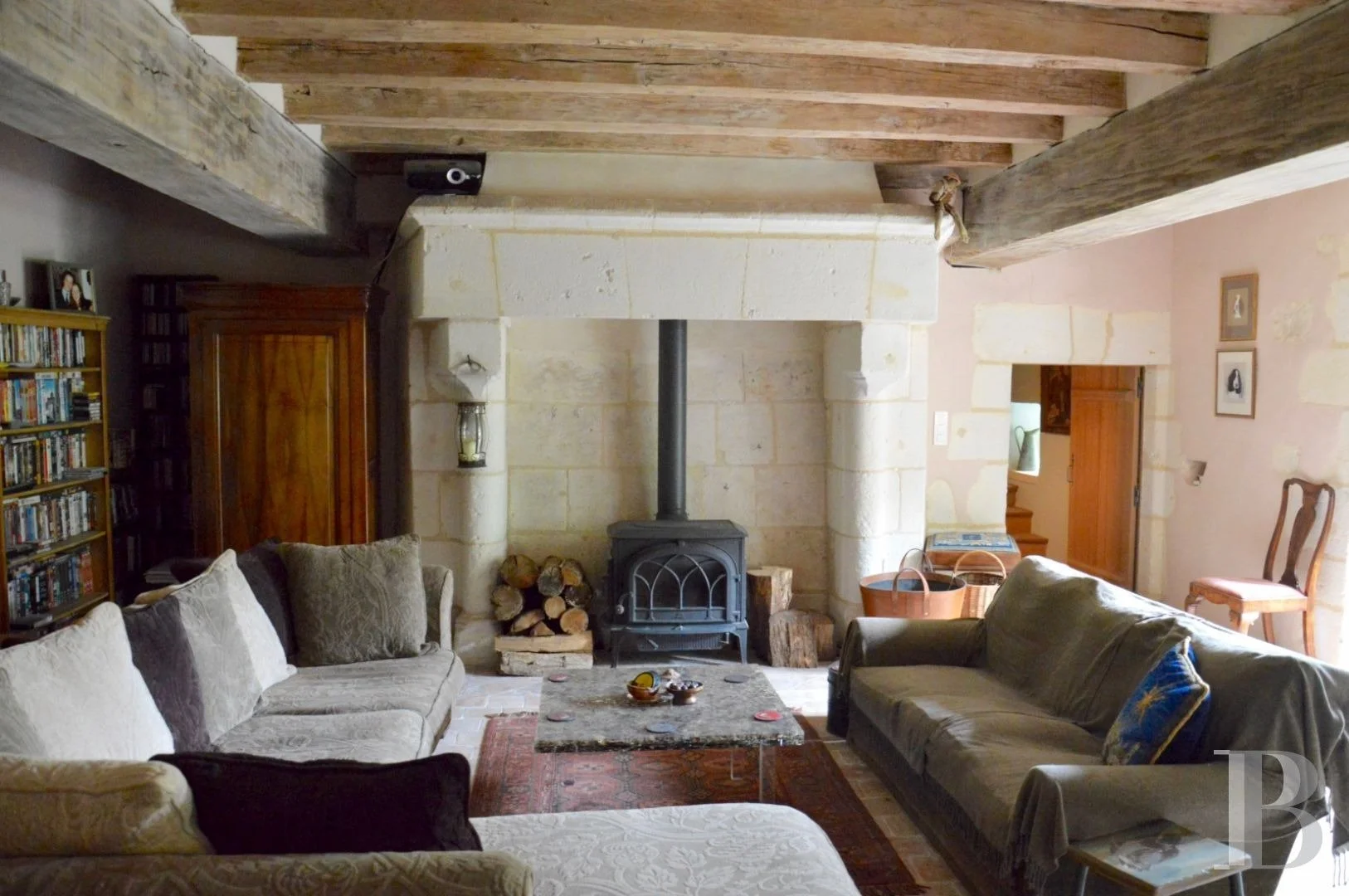
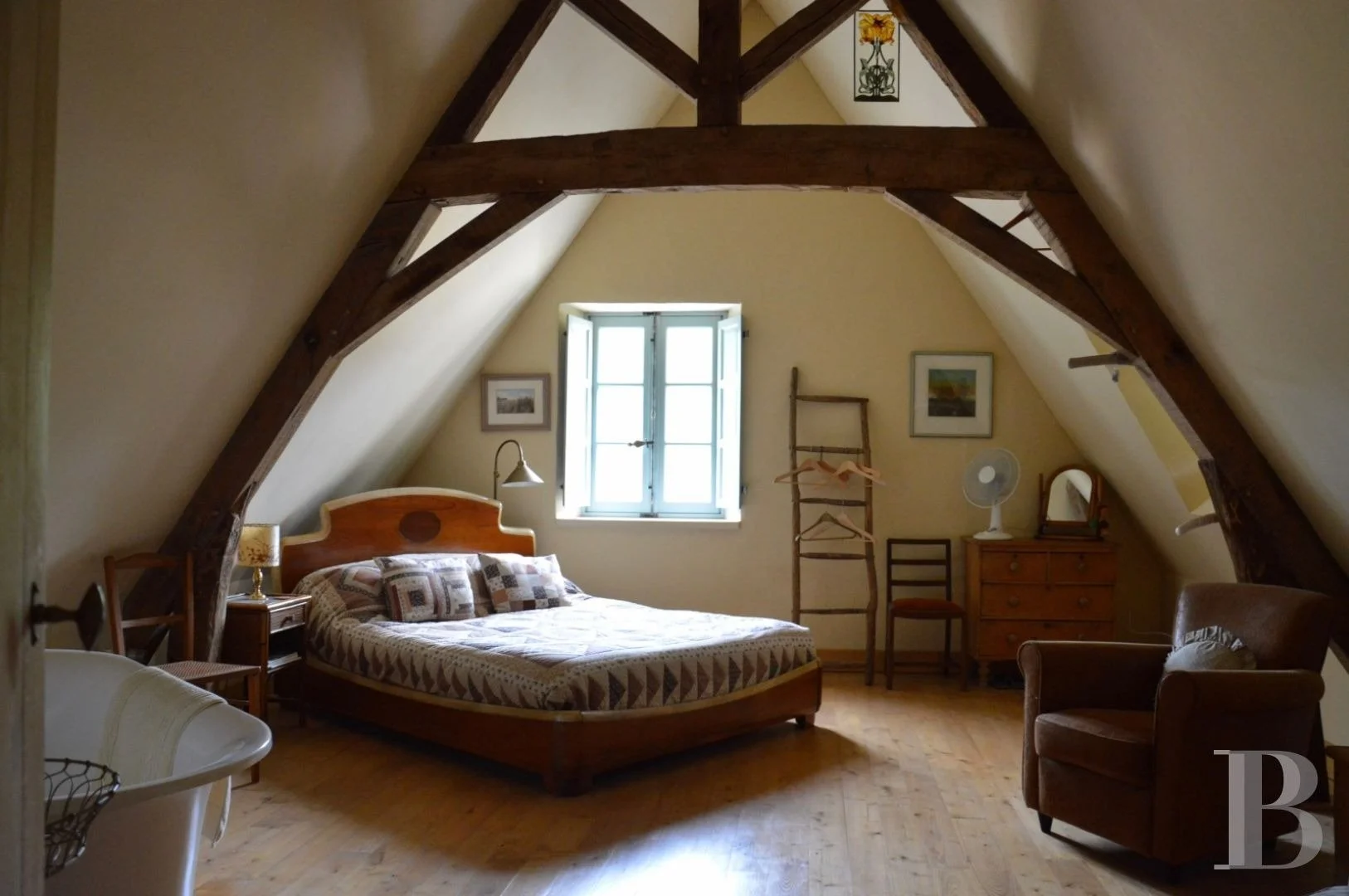
Ground floor kitchen/living room, lounge, study, back kitchen with laundry and shower; first floor lounge, bedroom and shower room; second floor two bedrooms with ensuite facilities.
Heritage features
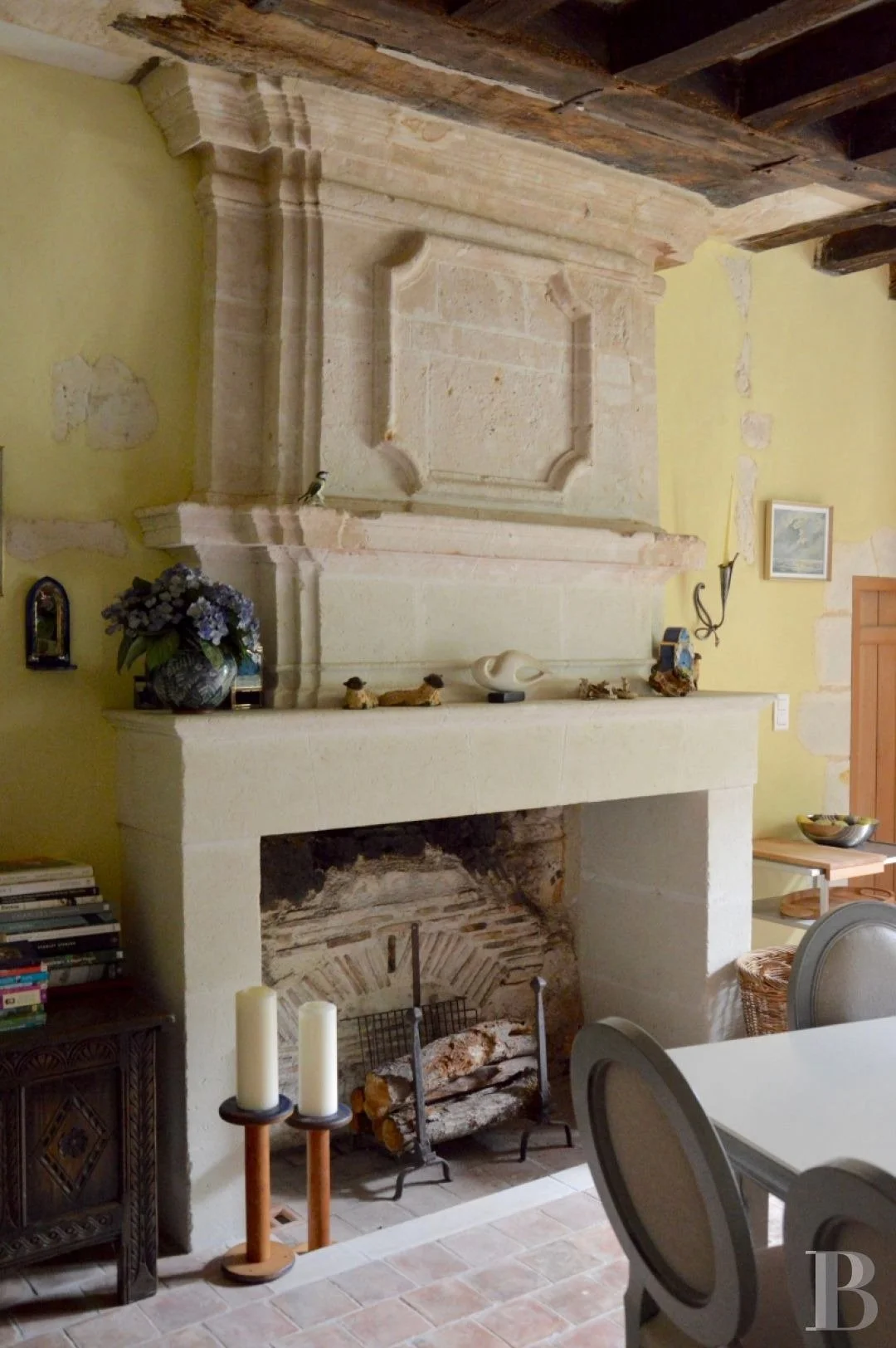
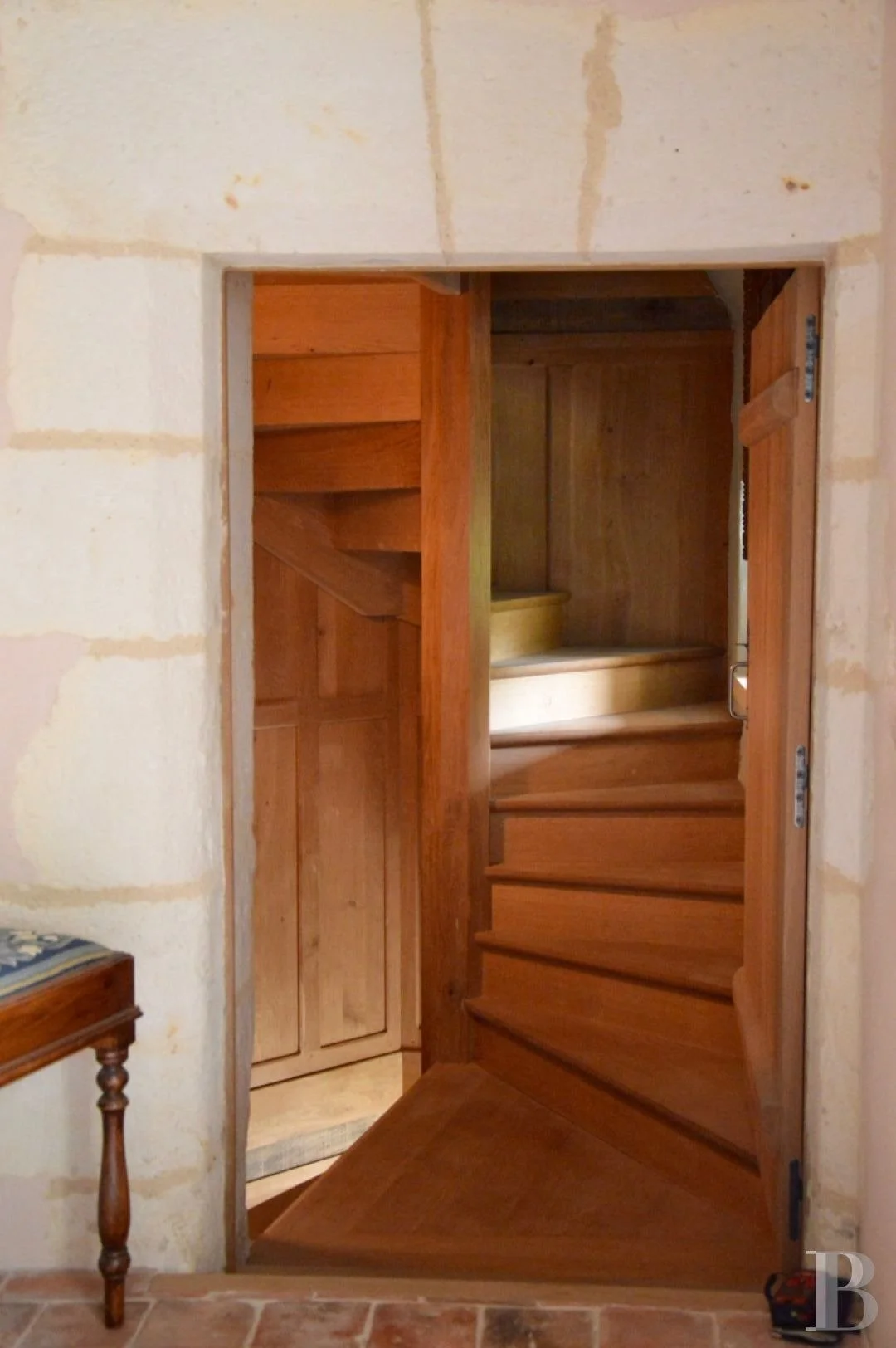
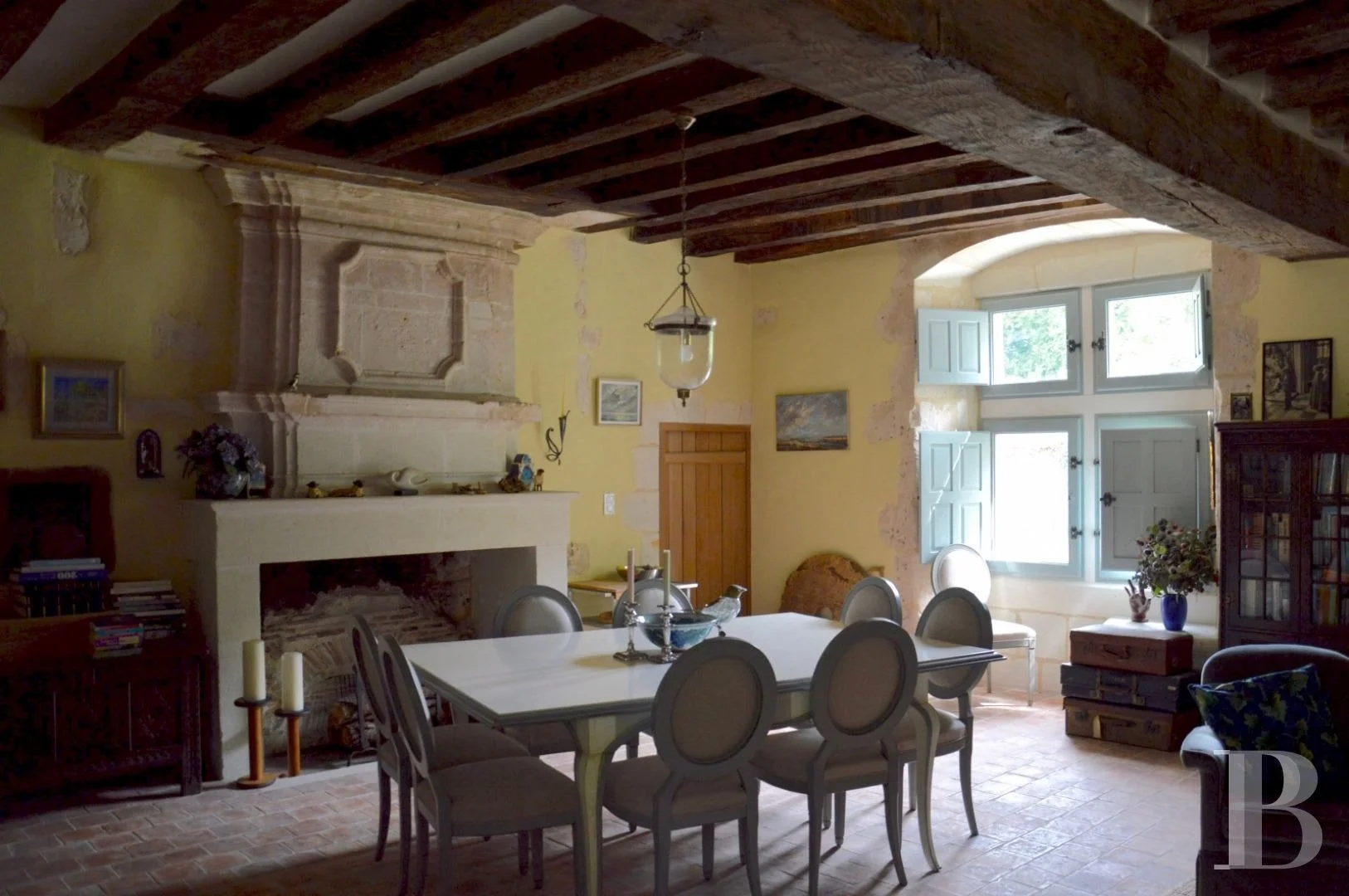
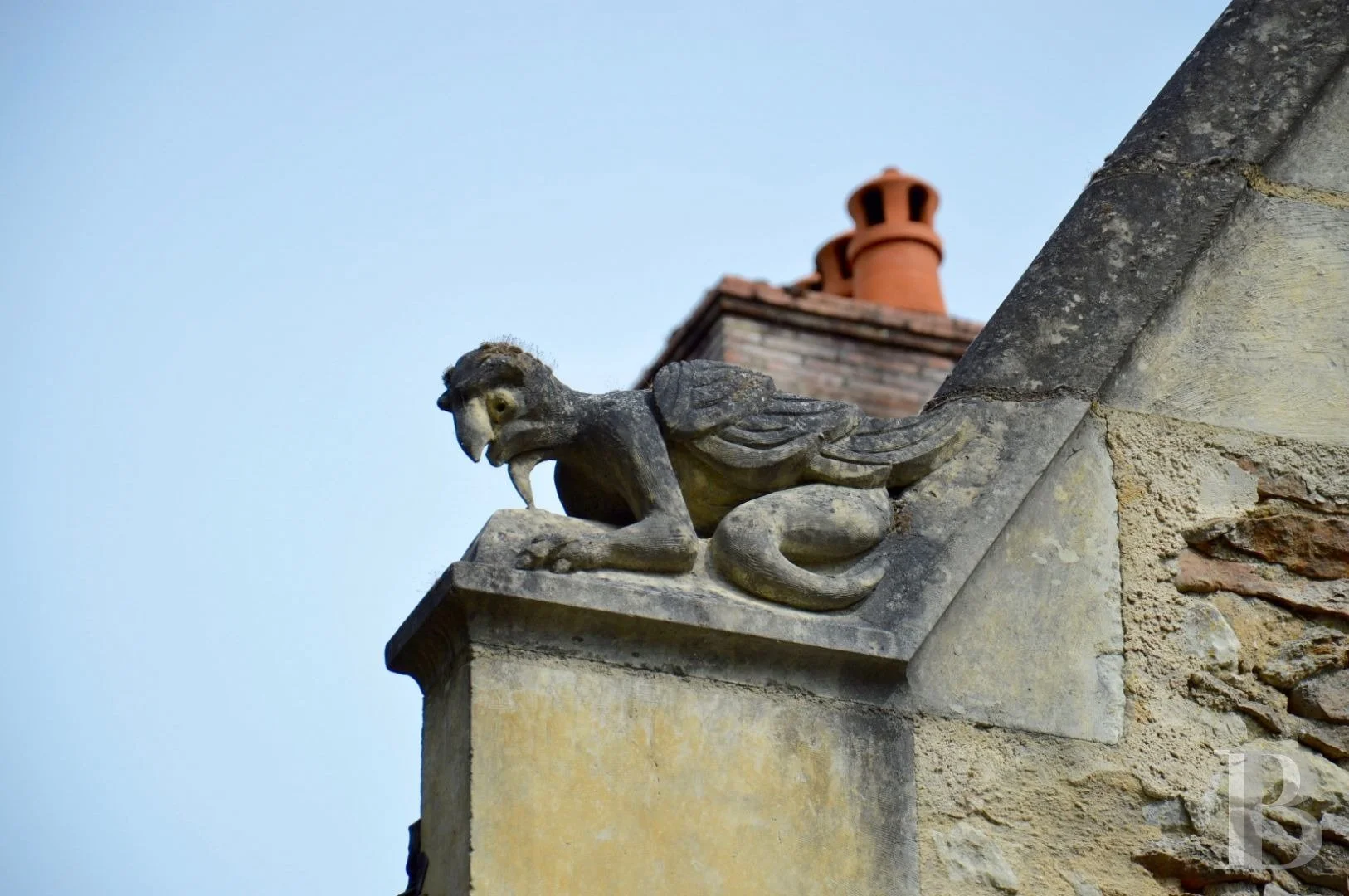
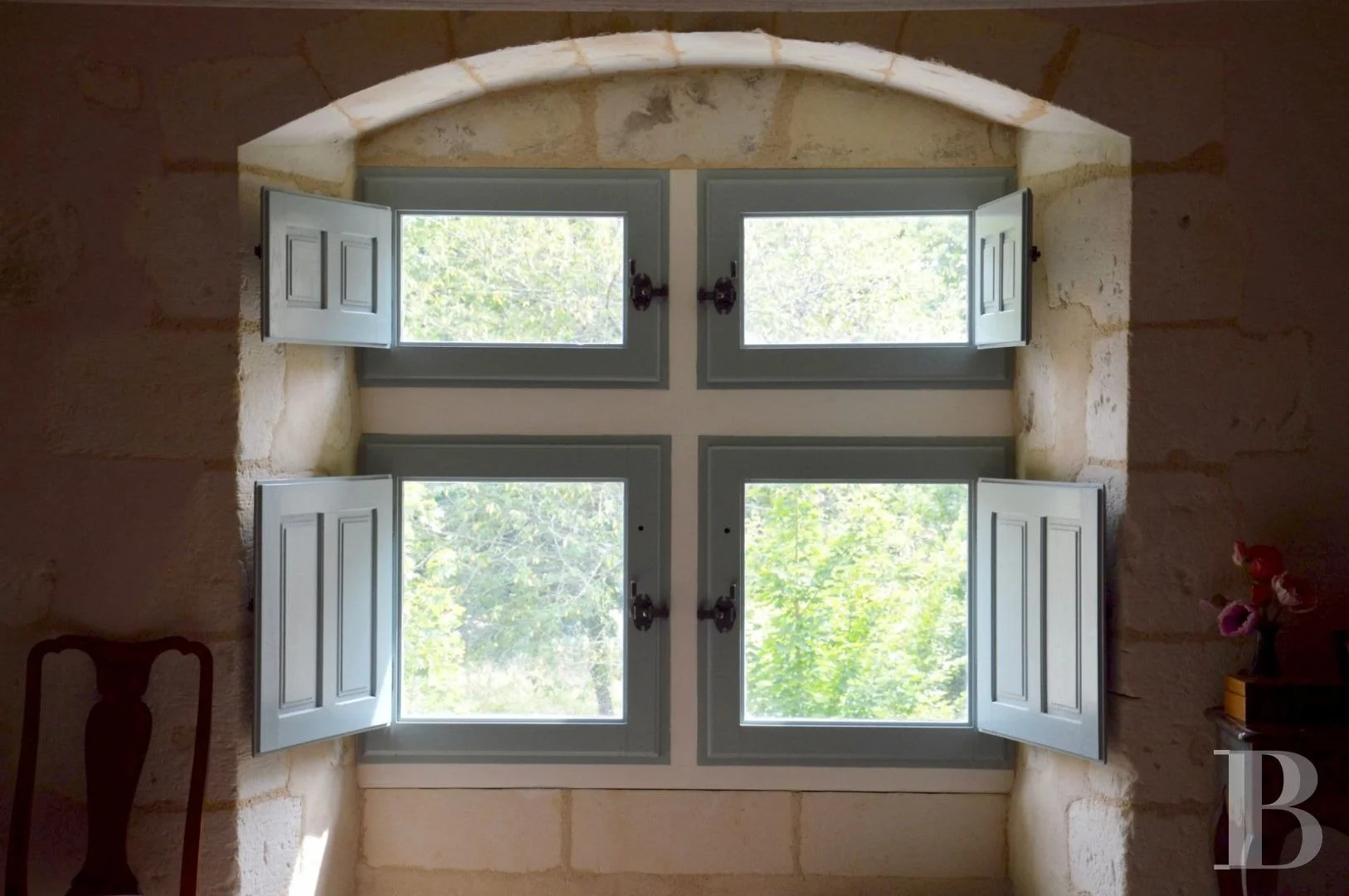
Mullioned windows, freestone fireplaces, terracotta floors, exposed roofing framework, four carved stone grotesques on the roofline.
Outbuildings
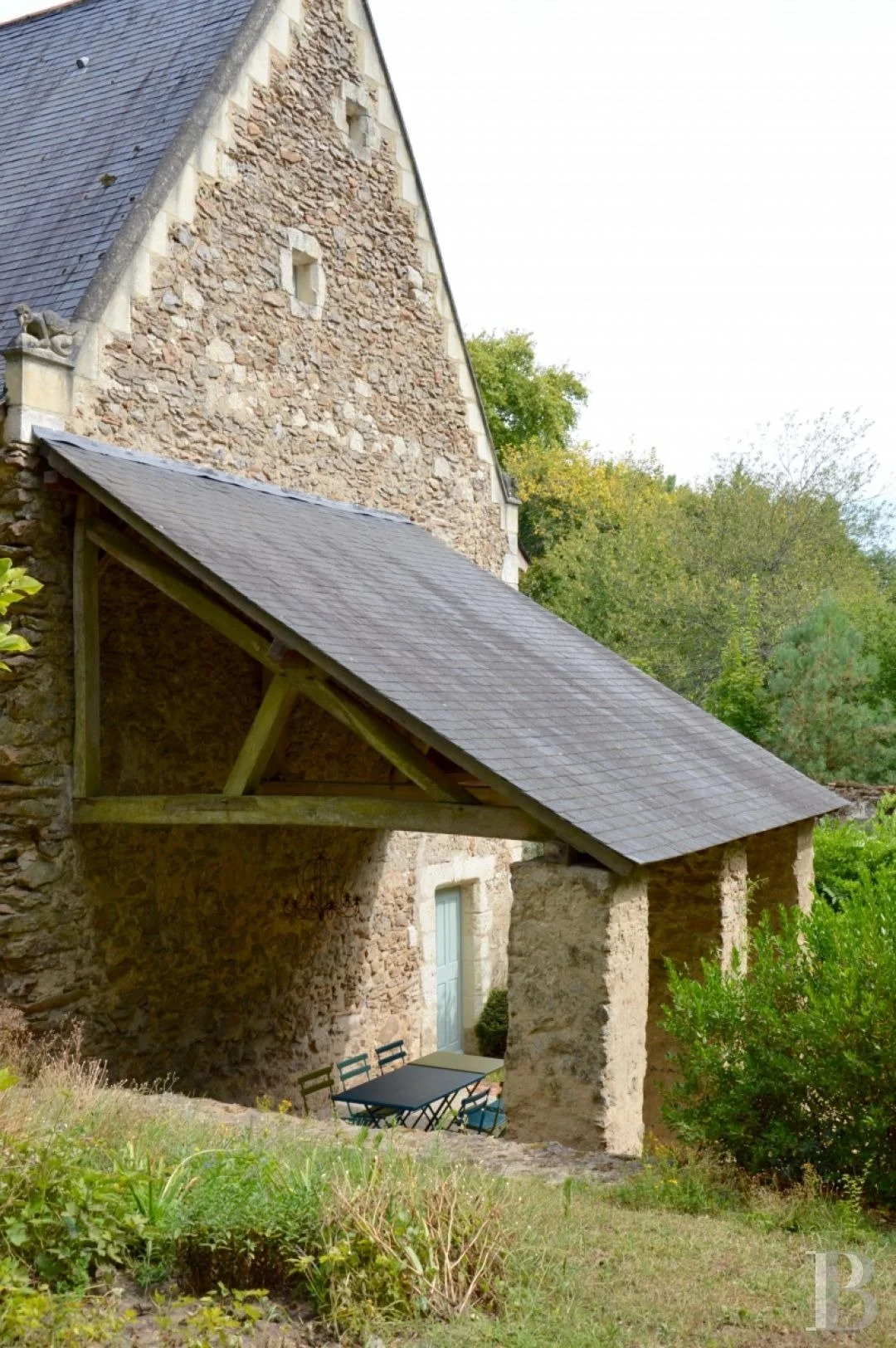
Approx. 30 m² including a garage currently used as an artist's studio and exhibition space.
Additional land option
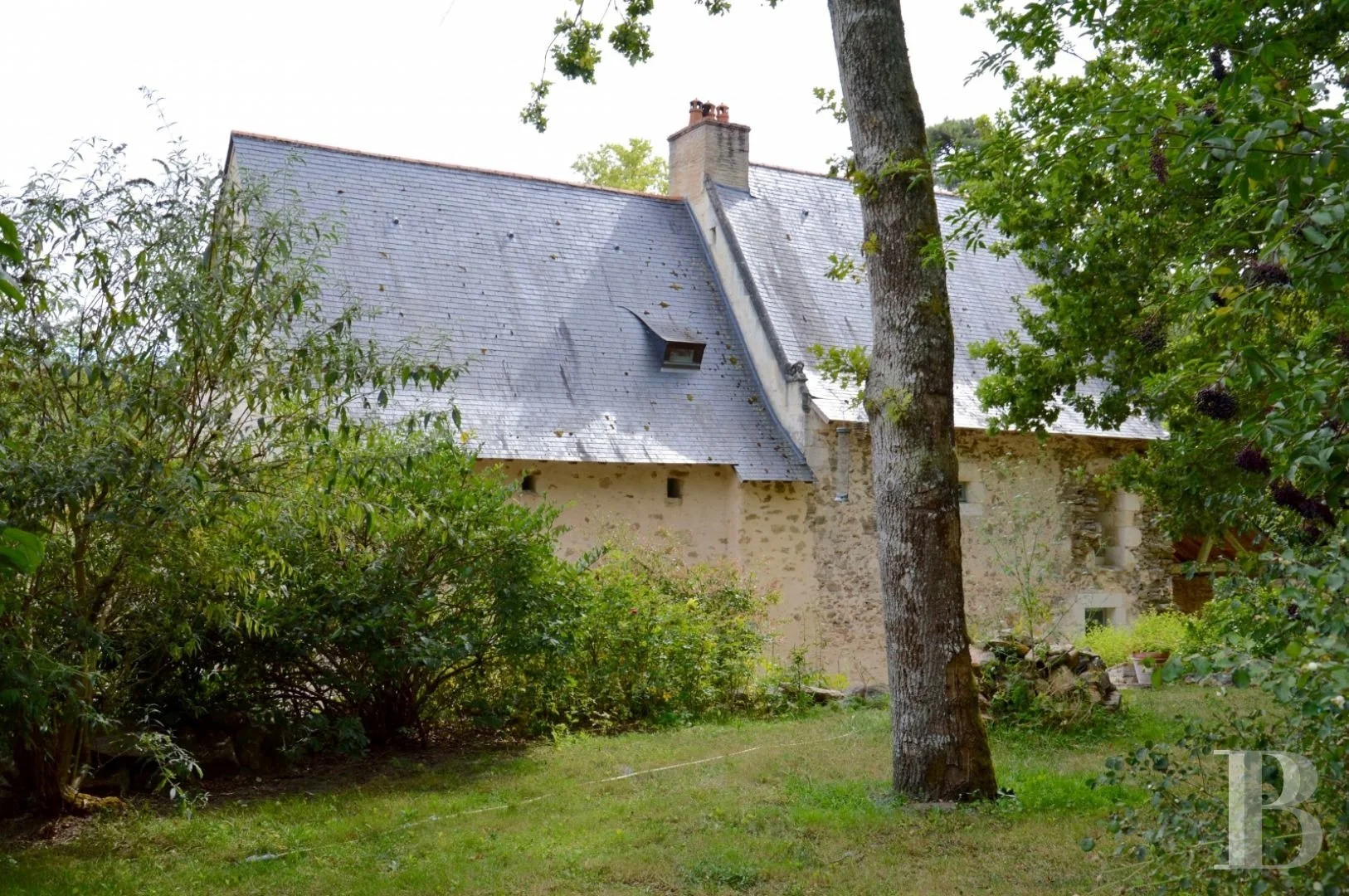
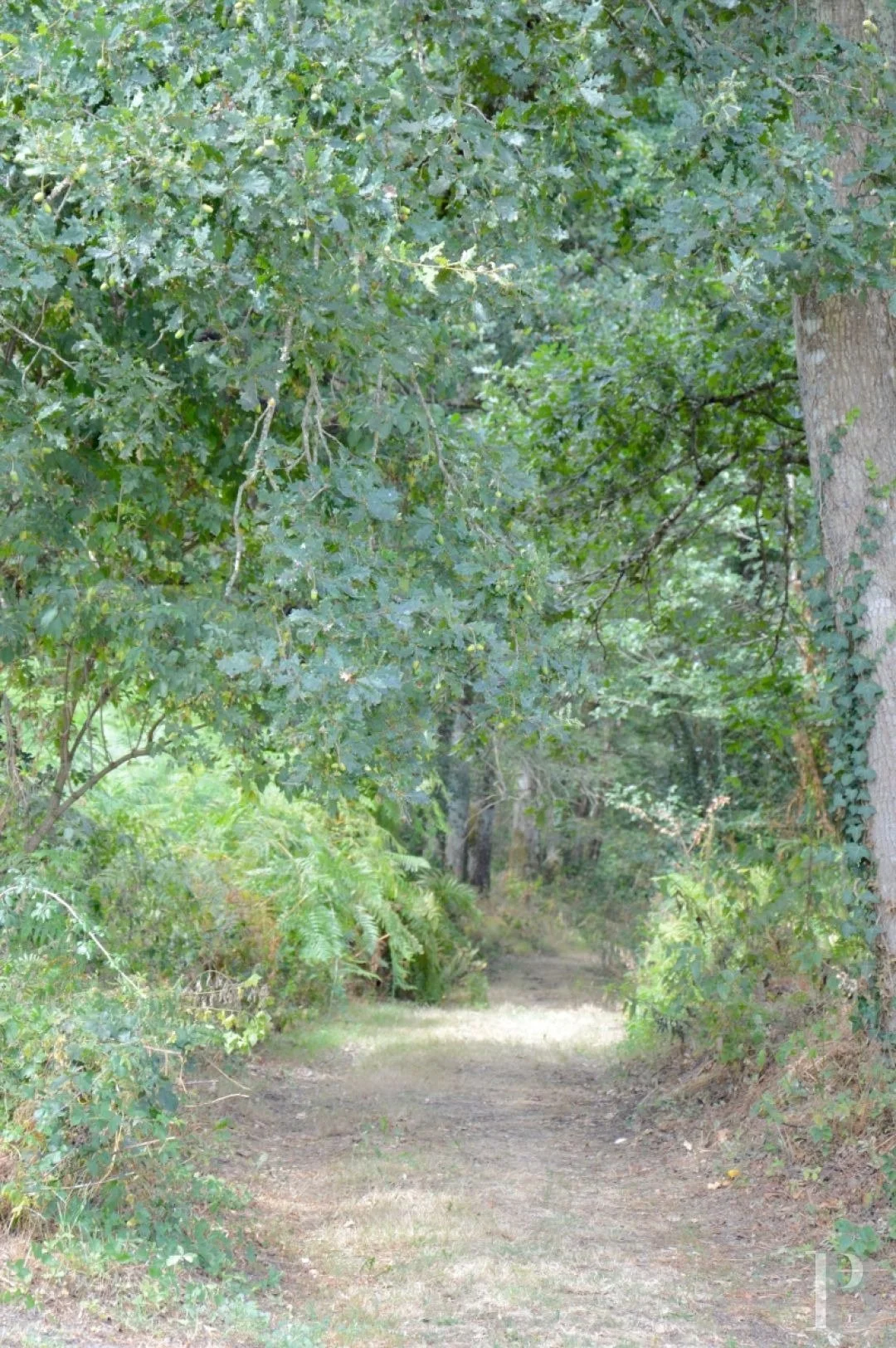
Garden backs onto the Baugeois forest, with part of that forest said to be available to purchase.
Lifestyle angle
Forest-edge hamlet setting with creative-retreat appeal and access to Saumur, Angers and the A85.
Risk Radar
Overview
This is an unusually compelling heritage property because it combines three things that do not often appear together at the same price point: architectural significance, apparent liveability, and a strong energy narrative. A listed priory from the 15th and 17th centuries with a C-rated DPE is rare enough to justify immediate scrutiny. The listing is attractive precisely because it reduces the usual fear associated with historic French buildings, namely that the buyer is taking on a visually beautiful but thermally punishing restoration burden. Here, the question is not whether the heritage is appealing. It is whether the documentation proves that the restoration was properly authorised, competently executed, and genuinely responsible for the C rating.
The first major theme is protection status. In France, the practical consequences differ materially depending on whether a building is inscrit or classé as a monument historique, and on whether the protection applies to the whole building, specific façades or roofs, certain interiors, or only selected elements. For a classé building, restoration or modification works cannot be undertaken without authorisation from the préfet de région, and the work is carried out under the scientific and technical control of the State's historic-monuments services. That means the buyer needs exact documentary clarity, not generic reassurance that the building is "listed."
The second theme is the restoration itself. A priory with exposed framework, ancient stonework and decorative carved grotesques can be magnificent, but those same features can conceal expensive responsibilities. The buyer needs to know what was done to the roof, structure, heating, glazing, insulation and moisture management, whether approved heritage specialists were involved, and whether any garanties décennales or specialist contractor warranties remain in force. Without that trail, the C rating becomes an impressive claim rather than a reliable operating fact.
The third theme is land and use. The forest-edge setting is part of the charm, but the optional forest parcel could change the proposition materially only if its boundaries, legal status, rights of way and restrictions are understood. Equally, the artist's studio, retreat appeal and possible hospitality angle all sound attractive, but a buyer should verify whether any commercial or short-stay use would trigger mairie declarations, planning questions or heritage constraints. The right buyer for this property is not just someone who loves old stones. It is someone who wants a clear operational map before falling in love with them.
Targeted Questions
Heritage Status and Protection Scope
The level of protection determines how restrictive the approval process will be for future works. For classé buildings, restoration or modification works require authorisation from the préfet de région.
The buyer needs to know whether protection covers the whole building, façades, roofs, carved features, fireplaces, structural elements, interiors, outbuildings or only selected components.
Ongoing maintenance and repair obligations may be more specialised if specific sculptural elements are protected.
The freedom to alter or repurpose outbuildings may be very different from the main priory.
Garden works, walls, lighting and landscaping can also fall within heritage controls in certain cases.
Heritage compliance is easier to manage when the current owner can show a documented dialogue rather than vague oral assurances.
The buyer does not want to inherit a dispute with heritage authorities.
Even practical improvements can be controlled in listed buildings. The French rules differ depending on whether the monument is listed or classed and on the nature of the work.
The buyer needs to understand whether there is a double-consent burden.
Heritage status can sometimes bring financial opportunities, but also conditions and obligations.
Restoration Legality and Approval Trail
A structured timeline helps distinguish major interventions from routine decoration.
On a protected building, the legality of works is as important as the quality of works.
The buyer needs evidence that the heritage process was actually followed, not merely discussed.
The route used tells the buyer how significant the works were and whether the paperwork trail is complete.
Even approved works can become problematic if the final execution diverged materially.
The buyer should know whether historic fabric was conserved intelligently or whether value was lost through over-renovation.
Listed-building work done by specialists generally carries more credibility.
Invoices help validate dates, scope, materials and workmanship.
Remaining warranty cover can materially reduce near-term risk on a restored property.
Old ecclesiastical or quasi-monastic buildings can conceal expensive surprises behind appealing finishes.
Energy Class C and Building Performance
The full report should explain the actual performance, not just the headline letter. The DPE is part of the standard sale-diagnostics framework and must be prepared by a certified diagnostiqueur.
The buyer needs to know whether the rating comes from insulation, heating technology, glazing, hot-water systems or a combination.
Windows are often a decisive factor in the thermal performance of heritage buildings.
The buyer needs to know whether performance gains are durable and compatible with the building's breathability.
The operating cost and maintenance profile of the house depend heavily on the heat source.
Actual cost guidance helps the buyer test the realism of year-round living.
Real household bills are often more informative than broad estimates.
The C rating may rely on specific technologies that need maintenance or replacement planning.
In old stone structures, improving thermal performance without trapping moisture is critical.
A strong DPE does not automatically mean the internal climate is healthy in daily use.
The buyer needs to know whether the energy gains were achieved through measures that authorities are satisfied with.
Roof, Structure and Timber Condition
Roof work on listed buildings is often among the most expensive categories of intervention.
A recent expert inspection is much more useful than general reassurance.
Old timber requires ongoing vigilance, especially in forest-edge locations.
Timber pests and fungi can become major structural and cost issues if not caught early.
Decorative historic stonework can require highly specialised maintenance.
Old masonry buildings can remain stable for centuries, but buyers still need a current structural picture.
Water management is a make-or-break issue for historic fabric.
Exposed timber roof spaces can reveal hidden issues early if examined closely.
A listed building is best managed through planned maintenance rather than reactive repair.
Diagnostics, Sanitation and Utilities
In France the DDT is annexed to the sale documents and is essential for informed decision-making.
For a pre-1949 building, the CREP is mandatory and should be handed to the future buyer.
The buyer needs to know whether any asbestos-containing materials were identified in later additions or service elements.
In risk zones, the seller must provide the diagnostic to the buyer.
The state of risks forms part of the DDT when applicable and is especially relevant for a forest-edge property.
Hamlet properties often rely on individual sanitation systems.
In France, the seller must have the non-collective sanitation checked by the commune's SPANC, and the resulting report forms part of the diagnostic package.
If not, compliance work may fall to the new owner within a defined period after sale.
Rural and forest-edge living is much easier when utility reliability is known in advance.
The listing's creative-retreat potential depends on practical connectivity, not just romance.
Thick historic walls can produce patchy real-world signal conditions.
Forest Land, Boundaries and Rights
The phrase "part of the forest is available to purchase" is enticing but legally incomplete without precise detail.
The buyer needs to know whether the opportunity is meaningful or merely symbolic.
Contiguous land materially changes use, privacy and long-term value.
Boundaries and adjacency must be evidenced clearly.
Rural land can carry rights and obligations that materially limit private use.
The buyer should not assume freedom to clear, build on or reshape woodland.
The current privacy and atmosphere may change depending on who controls the adjoining land.
Boundary ambiguity in hamlet and forest-edge settings is better resolved before purchase.
Outbuildings, Studio Use and Potential Income
An outbuilding used as a studio or exhibition space can raise planning or use questions.
The buyer needs to know whether this is simply informal use or properly documented use.
Commercial activity can trigger different regulatory thresholds from private use.
In France, meublés de tourisme and chambres d'hôtes generally require mairie declarations, and some municipalities may impose additional rules.
Commercial use can become much more complicated when heritage controls apply.
A real operating history is more useful than a theoretical "potential use" story.
Access, Setting and Year-Round Viability
Rural practicality matters as much as the beauty of the setting.
Forest-edge living can bring specific operational constraints.
The social pattern of the hamlet affects year-round atmosphere and security.
Small shared obligations can still influence ownership economics.
"TGV access" is only meaningful if the real logistics are convenient enough for regular use.
Negotiation Intelligence
Buyer Leverage
Medium-High
Key Drivers
Typical Negotiation Range
5-15% below asking
Neutral Phrasing Examples
Country Layer
France (Regulatory Context March 2026)
Key French requirements for buyers of protected historic buildings:
Viewing Strategy
Start outside and treat the priory as a protected structure first and a dream lifestyle property second.
Next Step
Verify from the listing:
Exact monument historique status
Ask for the arrêté confirming whether the priory is inscrit or classé, and the precise scope of protection across the main building, roofline, carved features, garden and outbuildings.
Approved restoration trail
Request the restoration permits, ABF or DRAC approvals, contractor invoices and any remaining warranties so you can confirm that the work behind the C rating was both legal and technically credible.
Forest-land option and boundary clarity
Obtain a cadastral plan and full details of the optional forest parcel, including price, size, contiguity, rights of way and any restrictions on use or clearing.
Old-building diagnostics and sanitation
Review the full diagnostics pack, including DPE, plomb, amiante, termites where relevant, état des risques and the latest SPANC report if the property uses non-collective sanitation.
Studio and hospitality-use feasibility
Check whether the artist’s studio use is formally regularised and whether any future chambres d’hôtes, retreat or exhibition use would require mairie declarations, extra permissions or heritage-related limitations.
A prepared buyer should approach the agent calmly and frame questions as due diligence.
Because this is a heritage property where restoration quality and future works control materially affect value, run it through the European Property Energy Risk Assessor to understand the real significance of the C rating, or use the Property Risk Assessment to pressure-test the listed-building, land and infrastructure risks before contacting the agent.
Disclaimer: The Property Drop is buyer-focused intelligence, zero sales agenda. We curate exceptional properties, in southern Europe, from third-party agents and arm you with decision tools. No commission, no transactions, no agent partnerships, no skin in the game beyond helping you choose wisely. Information stays accurate until it doesn't (properties sell, prices shift, markets move). Everything here is shared for informational purposes only and should not be treated as legal, financial, or investment advice. Images belong to original agents. Read our Terms of Service to learn more.
IMPORTANT REMINDER: When contacting property agents featured on The Property Drop, you are entering into direct communication with third parties. It's recommended that you verify all property details independently, conduct thorough due diligence, engage qualified professionals (solicitors, surveyors, financial advisors), understand your rights and obligations under local property laws, and never send money or make commitments without proper legal protection.
